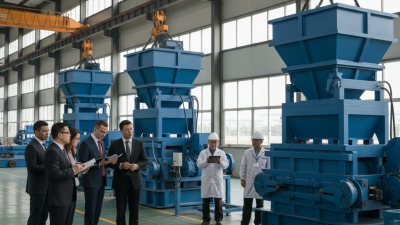
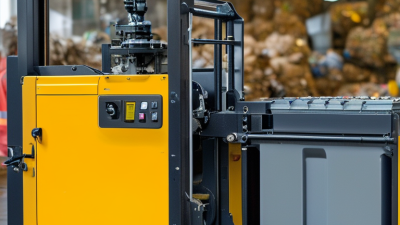
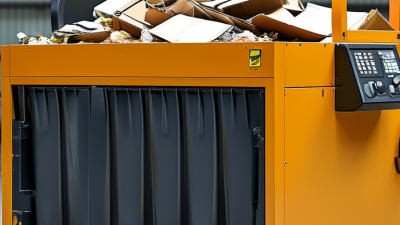
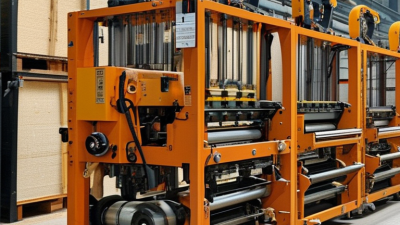
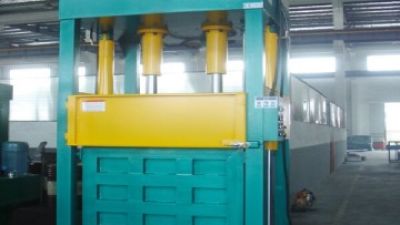
So, why pick film baling machines when it comes to global recycling? Well, plastic film is pretty much everywhere—think around pallets, food cartons, construction materials, and in warehouse deliveries. And because it's so light, recycling it becomes quite tricky. Loose film fills up collection trucks in no time, gets blown around by the wind, and often gets contaminated before it even reaches the processor. That’s where film baling machines really come in—they smash down this flexible stuff into compact, stable bales that are much easier to handle and transport.
Duncan Bunn, who’s the Managing Director at Ken Mills Engineering, sums it up nicely: “A reliable baler should make dealing with tough materials easier, not add more problems.” And honestly, that opinion comes straight from experience. When you pick the right machine, it helps keep storage tidy, cuts down on unnecessary trips, and makes handling the materials safer. Workers can load the film into a controlled chamber, bind up dense bales, and use regular warehouse gear to move them around—that’s a huge time-saver.
But here’s the thing—every detail counts. Things like moisture level, contamination, bale density, and how fast you feed the material in can all impact performance. Machines designed for stiff cardboard might choke on stretchy agricultural film—that’s a mistake more folks make than it should be. So, before you buy, it’s smart to look at what types of film are common locally, what your daily volume is, how much power you have, how easy it is to maintain the machine, and whether staff need special training.
And let’s not forget—an effective recycling setup needs consistency. Bales that are a predictable size make it way easier to weigh, stack, inspect, and trade between different facilities. When installed and maintained properly, film balers can definitely help create that consistency. But, keep in mind, no baler can fix poor sorting habits. Human decisions and practices are still a big part of the game.
At the end of the day, the best solution isn’t always the biggest or most powerful machine. It’s the one that fits your specific material, your workspace, and your recycling goals. To get there, you’ll need to do some testing, be honest with your specs, and leave room for growth and improvement along the way.
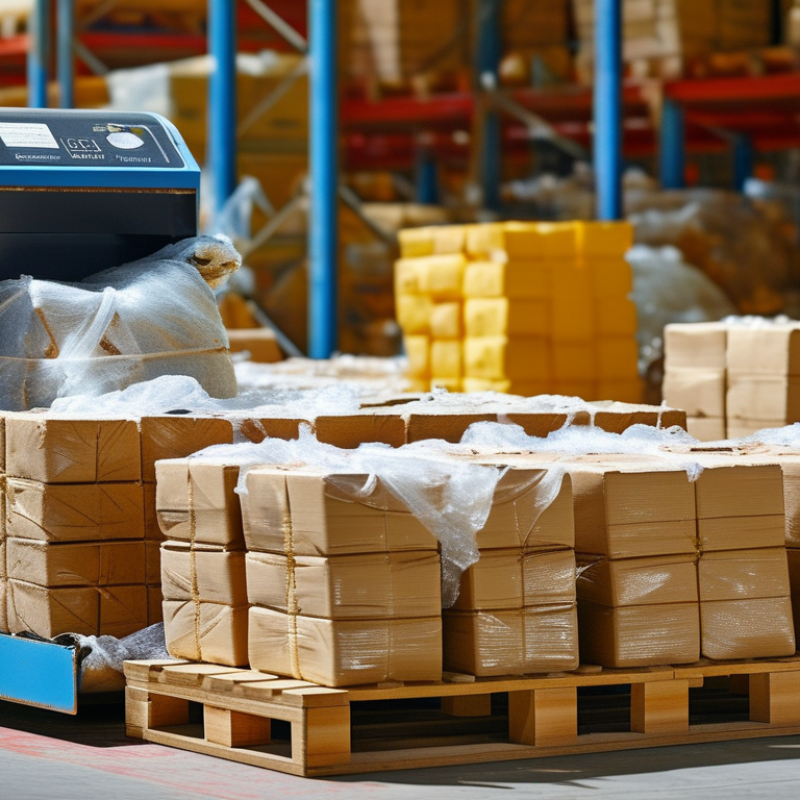
Film baling machines compress used plastic film into dense, manageable bales. Operators load loose film into a chamber. A hydraulic ram then applies controlled pressure. The machine forms a compact block. Wires, straps, or wrapping secure the bale for handling.
This process reduces storage volume and improves transport efficiency. It also creates a more consistent feedstock for recycling facilities. The OECD Global Plastics Outlook reported 353 million tonnes of plastic waste in 2019. Only 9% was recycled. These figures show why better collection and preparation systems matter. Film is lightweight, but it occupies surprising space. A baler can reduce that problem.
Some systems include pre-compaction, air removal, and automatic tying. These features support faster operation and steadier bale quality. Yet, a baler is not a complete recycling solution. Wet film, food residue, and mixed polymers can lower material value. In practice, staff training often matters as much as machine pressure. I have seen efficient equipment perform poorly when loading routines were inconsistent. That limitation deserves honest attention.
Tips: Keep film dry and separate by material type. Remove heavy contamination before baling. Check bale density daily. Adjust pressure gradually, not blindly. Record breakdowns and rejected loads. Small records reveal larger process problems. According to the OECD report, recycling growth requires better systems, not equipment alone.
Why Are Film Baling Machines Important for Global Recycling?
Plastic film is light, bulky, and easily scattered during collection. These traits make storage and transport inefficient. The OECD’s Global Plastics Outlook reports that the world generated 353 million tonnes of plastic waste in 2019. Only 9% was recycled.
Film Baling Machine systems can compress loose stretch film, agricultural film, and packaging film into stable bales. This reduces storage volume and helps trucks carry more material per journey.
A well-designed baling process also improves sorting-room safety. Operators can separate clear film from colored or contaminated material before pressing it. Firm bales are easier to weigh, label, and inspect. Better records support traceability between collection points and recycling facilities. The United Nations Environment Programme states that plastic pollution requires major changes across the entire value chain, not one isolated solution. A baler supports that chain, but it cannot repair poor sorting.
Small details matter. Wet film may produce unstable bales. Excessive compression can trap unwanted materials. Operators need routine checks for bale density, wire placement, and feed quality. This is where practical experience challenges simple sales claims. A Baling Machine does not create recyclable material by itself. It only makes suitable film more manageable. Facility managers should measure contamination, energy use, and transport savings before choosing equipment. Some results may disappoint at first. That is useful evidence, not failure.
Film baling machines help recycling facilities handle lightweight plastic film without excessive manual tying. Their large feeding chambers accept loose material from stores, farms, warehouses, and sorting lines. A hydraulic ram compresses the film into dense, stackable bales. This reduces storage volume and improves transport efficiency. Operators can also control bale weight for safer handling and consistent shipment records.
These machines commonly process LDPE and LLDPE films, including stretch wrap, shrink wrap, pallet covers, and clear packaging film. Many models also handle agricultural mulch film and greenhouse film after soil removal. Clean PE bags may enter the chamber directly, although heavily contaminated film requires pre-cleaning. Printed film is usually acceptable, but laminated structures can behave differently during compression. PVC film should be separated because its recycling route and processing risks are different.
Film condition matters more than many buyers expect. Wet film can slip inside the chamber and produce unstable bales. Metal clips, stones, and thick ropes may damage feeding components. Some facilities also use related equipment for Cocopeat Baling, but plastic film needs different pressure settings and contamination controls. Real facilities are rarely perfect. I would not promise identical bale density every day. Film thickness, moisture, and operator timing constantly change the result. A practical trial with local material can reveal problems before full installation.
Film baling machines improve recycling efficiency by turning loose plastic film into dense, manageable bales. This change reduces storage space and makes internal transport more predictable. In busy recycling facilities, operators often spend less time handling scattered film and more time checking material quality.
A well-adjusted machine can process agricultural film, packaging wrap, and Hdpe Film Baling materials with consistent pressure. Bale density matters. Compact bales occupy less warehouse space and can be loaded more efficiently. However, excessive pressure may trap moisture or damage equipment. Experienced operators check film thickness, contamination, and moisture before changing machine settings.
Small details matter.
A clean feeding area helps prevent jams. Regular inspection of wires, chambers, and safety switches supports reliable operation. Staff should also record bale weight and cycle time, because these figures reveal gradual performance changes. In practice, film is rarely uniform. Labels, dirt, and mixed polymers can affect compression results. This is where practical judgment remains important; automation cannot replace every inspection. Some facilities may also need additional sorting before baling, especially when buyers require specific material grades. Lower labor demand is possible, but only when workers receive proper training and follow safe operating procedures.
How Do Film Baling Machines Improve Recycling Efficiency?
Baling loose plastic film substantially increases material density, helping recyclers use storage space and transport capacity more efficiently. Typical loose film density is approximately 20–40 kg/m³, while compacted film bales commonly reach about 200–300 kg/m³, depending on material type, moisture, and baler settings.
The chart uses representative mid-range values for loose film and compacted bales. Actual results vary by film composition, bale size, compression force, and operating conditions.
Choosing a film baling machine requires more than comparing output numbers. The machine must match your film type, daily volume, and working conditions. Thin stretch film behaves differently from woven plastic or mixed packaging film. A Baling Compactor with adjustable pressure can handle these differences more consistently. Ask for trial tests using your actual material. Clean samples can produce misleading results.
Bale density is a practical feature. Dense bales reduce storage space and transport movements. However, excessive pressure may damage film or strain the chamber. Look for reliable hydraulic control, strong chamber walls, and simple pressure adjustment. Automatic tying can save time, but operators still need clear access and safe controls. Emergency stops should be visible and easy to reach. Small design details matter during a long shift.
Cycle time also deserves careful checking. A fast machine may create poor bales if feeding is uneven. Wide loading openings help workers manage bulky film without repeated handling. Moisture resistance, low-maintenance components, and accessible wear parts support dependable operation. Digital weight records can improve collection planning, though sensors sometimes need recalibration. We learned that estimated capacity rarely matches every site. Leave room for seasonal peaks, operator habits, and maintenance delays. A quiet machine is welcome, especially indoors. Safety training remains necessary.
| Feature or Evaluation Dimension | Typical Data or Practical Benchmark | Why It Matters for Film Recycling | What to Check Before Purchase | Global-Recycling Benefit |
|---|---|---|---|---|
| Material Compatibility | Designed for flexible films such as LDPE, LLDPE, HDPE film, agricultural film, stretch film, and packaging film. | Different films vary in elasticity, thickness, contamination level, and resistance to compression. | Confirm the accepted film types, maximum contamination level, moisture conditions, and whether mixed film streams are permitted. | Improves sorting consistency and reduces rejected or unstable bales. |
| Compression Force | Small vertical units commonly use lower forces, while industrial horizontal units may use substantially higher hydraulic forces; the correct level depends on film type and bale size. | Adequate force creates compact bales without excessively damaging equipment or increasing energy use. | Compare rated force, cylinder configuration, cycle time, and performance with the actual film feedstock. | Supports efficient storage and transport across longer international supply chains. |
| Bale Density and Stability | Film bales are typically assessed by finished dimensions, weight, density, shape retention, and resistance to spring-back; exact values vary by film and machine. | Loose film has a high volume-to-weight ratio and can expand after compression if it is not tied properly. | Request test-bale measurements, bale density calculations, tying method, and post-compression stability results. | Reduces warehouse space, truck volume, handling frequency, and transport emissions per tonne. |
| Throughput and Cycle Time | Actual output depends on film density, operator loading, bale weight, feeding system, and cycle time; supplier ratings should be treated as application-specific. | A machine that is too slow creates accumulation, while excessive capacity may increase capital and energy costs. | Match measured hourly throughput to peak and average material flow, not only the advertised maximum. | Helps recycling facilities maintain continuous operation and avoid material overflow. |
| Chamber and Bale Dimensions | Chamber size and finished bale dimensions should be selected according to available floor space, handling equipment, and buyer requirements. | Standardized bales are easier to stack, weigh, load, and process at downstream facilities. | Verify chamber opening, bale length, bale width, discharge height, and compatibility with pallets or forklifts. | Simplifies handling between collection points, warehouses, ports, and recycling plants. |
| Binding and Bale-Tying System | Common options include manual wire or plastic strapping, semi-automatic tying, and automatic tying systems for higher-volume lines. | Reliable binding prevents bale expansion, material loss, and loading problems. | Check tie count, tying time, compatible consumables, binding strength, and whether the binding material is accepted by the downstream recycler. | Improves bale integrity during long-distance road, rail, and sea transportation. |
| Feeding and Loading Method | Manual loading is suitable for lower volumes; conveyor-fed or continuous-feed systems are better for centralized, high-volume operations. | The feeding method affects labor requirements, contamination control, throughput, and operator safety. | Evaluate hopper size, conveyor interface, film bridging risk, access for cleaning, and loading ergonomics. | Allows the machine to fit different collection models, from retail backrooms to material recovery facilities. |
| Automation and Controls | Useful functions may include programmable cycles, automatic bale ejection, fill-level sensing, fault alarms, and production counters. | Automation can improve repeatability and reduce manual handling, but it adds controls and maintenance requirements. | Confirm control-language options, data export capability, sensor availability, reset procedures, and operator training needs. | Supports consistent operation across sites with different labor practices and reporting requirements. |
| Safety Protection | Important safeguards include interlocked doors, emergency stops, guarded moving parts, anti-restart protection, and clear operating instructions. | Hydraulic compaction creates significant crushing and shear hazards if access is not controlled. | Review the applicable machinery-safety requirements, risk assessment, guarding design, emergency-stop layout, and documentation. | Makes deployment easier across jurisdictions with different workplace-safety expectations. |
| Electrical and Hydraulic Requirements | Power requirements vary by motor size, hydraulic system, automation level, and local electrical supply; common industrial supplies differ by country. | A mismatch can cause installation delays, poor performance, or electrical-safety issues. | Confirm voltage, frequency, phase, motor rating, plug and isolator requirements, hydraulic oil specifications, and noise level. | Enables reliable installation in facilities with different national power standards. |
| Energy and Operating Cost | Total operating cost includes electricity, strapping or wire, hydraulic oil, maintenance, labor, downtime, and waste-disposal costs. | The lowest purchase price does not necessarily deliver the lowest cost per tonne. | Compare energy use per operating hour or per tonne, maintenance intervals, consumables, expected service life, and downtime assumptions. | Improves the financial and environmental performance of recycling operations. |
| Maintenance and Spare Parts | Routine attention may include hydraulic-fluid checks, filter replacement, lubrication, inspection of seals, and cleaning of sensors and chambers. | Film dust and contamination can affect sensors, seals, guides, and moving parts. | Ask for maintenance schedules, spare-parts lists, troubleshooting procedures, local technician availability, and remote support arrangements. | Reduces downtime when machines operate far from the original installation location. |
| Testing and Acceptance Criteria | A meaningful test should use the buyer’s actual film mix and record bale weight, dimensions, density, cycle time, power use, and stability. | Performance claims based only on clean, uniform film may not represent real operating conditions. | Define measurable acceptance targets before shipment and document the test material, operating settings, and results. | Creates a transparent basis for comparing machines and controlling project risk. |
| Installation and Logistics | Important factors include machine footprint, shipping weight, access doors, foundation requirements, lifting points, and container or freight limitations. | Large balers may require specialized unloading, positioning, and commissioning equipment. | Confirm packed dimensions, delivery terms, installation responsibilities, spare-parts shipment method, and commissioning requirements. | Reduces delays and unexpected costs in cross-border equipment projects. |
Note: Capacity, bale weight, density, power consumption, and cycle time are application-dependent. Final specifications should be confirmed through testing with the intended film stream and operating conditions.
Film baling machines support sustainable waste management by turning loose plastic film into dense, manageable bales. This matters at recycling centers, warehouses, and agricultural collection points. Loose film occupies large spaces and often shifts during handling. A baler compresses it into stable packages, reducing storage pressure and improving workplace organization. It also helps trucks carry more material per trip, which can lower fuel use and transport emissions.
Reliable operation depends on more than compression strength. Operators must remove excessive moisture, food residue, and non-film materials before feeding the machine. Correct pressure settings protect bale quality and prevent unnecessary power consumption. A well-formed bale is easier to weigh, store, inspect, and send to a qualified recycling facility. It matters. Regular checks of belts, chambers, sensors, and safety guards also reduce unplanned downtime. Practical maintenance records provide useful evidence for environmental audits and operational decisions.
However, film baling is not a perfect solution. Some thin or heavily contaminated film remains difficult to recycle. Not always. Facilities should measure contamination rates, electricity use, bale density, and rejected loads instead of relying on assumptions. Staff training is equally important because rushed feeding can create uneven bales or equipment damage. In my assessment, the strongest results come from combining suitable machinery with clear sorting rules, routine maintenance, and verified downstream recycling channels. Small process errors can weaken otherwise credible sustainability claims.
China’s textile recycling industry needs reliable equipment that can turn large volumes of soft materials into compact, uniform bales. A lifting chamber baling machine is designed for this purpose, efficiently compressing second-hand clothing, comforters, shoes, fabric waste, and similar recyclable materials. Its robust hydraulic system provides consistent pressure, helping recycling facilities improve storage capacity, handling efficiency, and transportation convenience while preparing materials for export-ready distribution.
The hydraulic lifting chamber door supports smoother loading and makes bale tying more convenient for operators. By simplifying the workflow from feeding to compression and tying, the machine can help high-volume clothing recycling plants maintain steady productivity with less manual effort. Manufactured for demanding industrial environments, this type of baling solution combines practical operation, structural durability, and safety-focused design, making it suitable for modern textile recycling facilities seeking efficient baling performance and dependable output.
It compresses loose plastic film into dense bales for easier storage, weighing, handling, and transport.
Operators place loose film inside a chamber. A hydraulic ram applies controlled pressure. The compressed block is then secured with wire, straps, or wrapping.
Loose film takes up surprising space. Compaction creates stable packages and allows trucks to carry more material per trip.
It prepares a more consistent feedstock for recycling facilities. However, baling alone does not make unsuitable film recyclable.
Remove food residue, excessive moisture, heavy contamination, and non-film materials. Mixed polymers may also reduce material value.
Pre-compaction, air removal, and automatic tying can support faster operation and steadier bale quality.
Check bale density daily. Adjust pressure gradually. Record rejected loads, breakdowns, and unusual bale shapes.
Inspect belts, chambers, sensors, and safety guards regularly. Rushed feeding can cause uneven bales or equipment damage.
No. It reduces storage volume and may lower transport demand, but sorting and verified recycling channels remain essential.
Inconsistent loading, wet film, and poor sorting can undermine efficient equipment. The machine helps, but people and procedures still matter.
Films Baling Machines are specialized systems designed to compress, bind, and prepare lightweight plastic films for efficient storage, transport, and recycling. They typically feed loose materials into a chamber, apply controlled pressure, and form compact bales that are easier to handle. These machines can process various recyclable films, including packaging film, stretch wrap, agricultural film, shrink film, and other clean or sorted plastic sheets, depending on their design and operating capacity.
By reducing volume and improving bale consistency, film baling machines help recycling facilities save space, lower transportation demands, and streamline sorting and processing operations. Important features to consider include suitable compression force, reliable feeding performance, adjustable bale size, safe operation, energy efficiency, and simple maintenance. When properly integrated into a waste management system, these machines support higher recovery rates, reduce material loss, and encourage more sustainable use of resources by helping recyclable film return to productive manufacturing cycles.