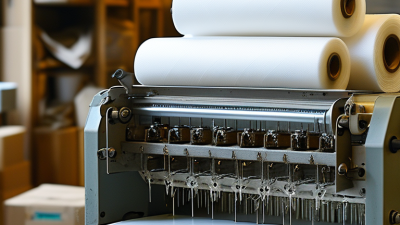
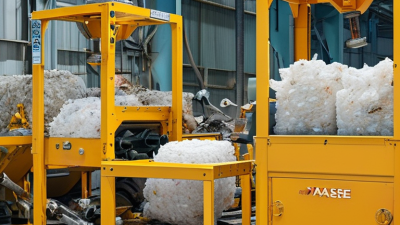
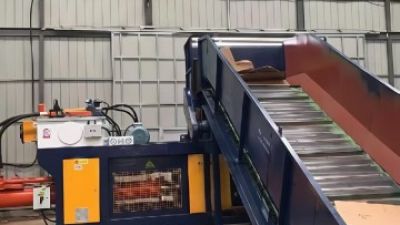
When you're looking into the right gear for waste management, a Vertical Baler Machine really stands out. It’s such an innovative piece of equipment that packs down materials like cardboard, plastic, and paper pretty efficiently. Let’s be honest—every business is always on the hunt for ways to boost productivity and cut costs. This machine doesn’t just save space; it streamlines the recycling process too, which is a huge win for any operation.
A lot of companies who’ve gone the extra mile and brought in this kind of baler have seen some pretty great benefits. Its sturdy build means it’s built to last, but here’s the thing—forgetting regular maintenance can lead to a few headaches down the line. Keeping an eye on it with routine checks is super important if you want it to keep working smoothly. Plus, getting familiar with the machine’s specs can help you avoid any surprise expenses—that way, you’re not caught off guard.
All in all, investing in a Vertical Baler Machine really makes sense. It’s not just about being eco-friendly; it also ramps up your efficiency at work. Ignoring this kind of equipment could mean falling behind competitors who are trying to go green and stay cost-effective. The decision is pretty clear—just make sure you consider all the details so you can really make the most of it.
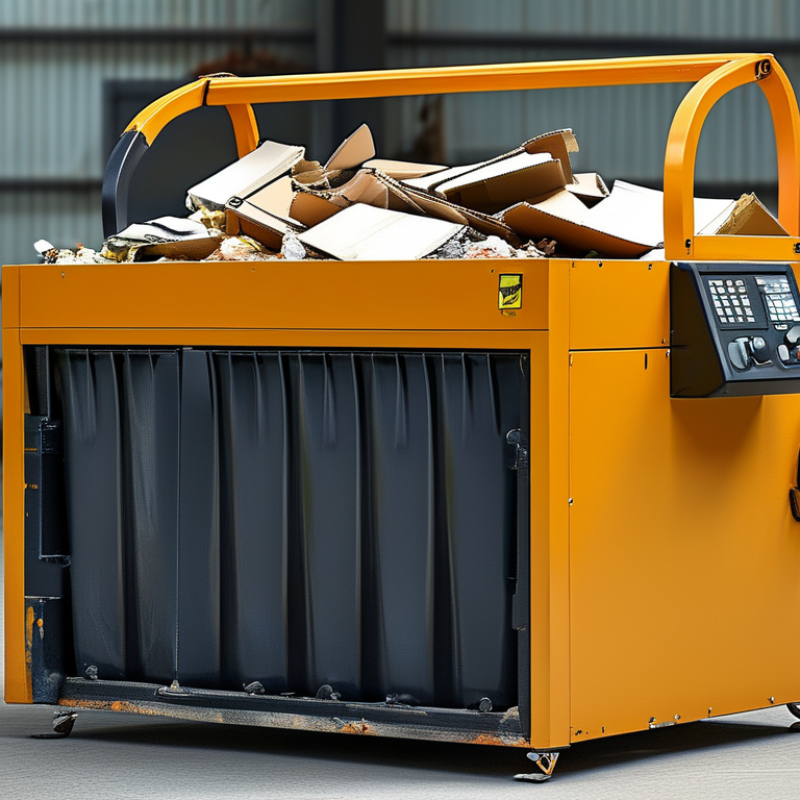
Understanding Vertical Baler Machines and Their Applications
Vertical baler machines are essential tools in various industries, especially for businesses focused on waste management and recycling. These machines efficiently compress materials like cardboard, plastic, and paper into compact bales, making transportation and storage easier. For a company aiming to streamline operations, investing in a vertical baler can significantly enhance productivity.
When choosing a vertical baler, consider its applications. These machines are versatile and can handle different materials. Understanding their capabilities helps in selecting the right model for specific business needs. However, it's crucial to be aware of the machine's limitations. Not every vertical baler can process every material effectively, leading to inefficiencies. Operators may need to stay informed about their specific baler's strengths and weaknesses to maximize its utility.
Training staff to use Vertical Baling Machines safely and efficiently is also vital. Improper usage can lead to equipment failures or workplace accidents. Regular maintenance checks are necessary to keep these machines in prime condition. Failing to do so could result in unexpected downtimes, affecting productivity. Identifying areas for improvement is key to optimizing the use of vertical balers in your operations.
Key Advantages of Using Vertical Balers in Business Operations
Vertical baler machines offer numerous advantages for businesses seeking to optimize waste management. These machines create compact bales, enabling efficient storage and transport. One major benefit is space-saving. By transforming loose materials into easily stackable bales, vertical balers help organizations utilize storage areas more effectively. This creates a cleaner, more organized workspace.
Another key advantage is cost-effectiveness. Reducing the volume of waste lowers disposal fees. Moreover, companies may even generate revenue by recycling materials. In a competitive market, every dollar saved counts. Companies should also consider the time saved with automated baling processes. Manual handling takes time and labor, while vertical balers streamline the workflow.
Keeping maintenance simple is essential. Regular inspections can prevent costly breakdowns and ensure optimal performance. Operators should be trained to use the machine efficiently, enhancing safety and productivity. Additionally, understanding the types of materials suitable for baling can maximize the benefits. For instance, diverting cardboard and plastics from landfills not only meets sustainability goals but can also enhance a brand's reputation. Investing in a vertical baler can be a game changer for operations focused on efficiency and cost savings.
How Vertical Balers Improve Efficiency and Reduce Waste
Vertical Baler machines are essential tools for businesses aiming to enhance operational efficiency and minimize waste. These machines compact a range of materials into dense bales, which can lead to a reduction in transport costs by up to 30%, according to a recent industry report from the Waste Management Association. By using a vertical baler, companies can also streamline recycling processes, thus increasing overall productivity in waste management.
While a vertical baler can greatly improve efficiency, it is crucial to consider proper training for operators. An improperly operated baler can lead to safety hazards and equipment damage. Reports indicate that improper use can result in up to 20% of operational downtime. Therefore, investing time in training personnel can mitigate these risks and ensure optimal performance.
Monitoring the types of materials processed through a vertical baler is also vital. Certain materials may require specific compression settings to achieve the best results. For instance, plastic and cardboard have different properties that affect how they compact. Failure to adjust settings may lead to inadequate bales that do not hold together well. Regular adjustments can enhance the quality and longevity of the bales produced.
Factors to Consider When Choosing a Vertical Baler Machine
Choosing the right Vertical Tying Baler for your business isn't a simple task. There are several factors to weigh. First, assess the material you’re working with. Different machines handle materials like cardboard, plastics, or metal differently. It’s essential that the baler you choose can efficiently compress your specific materials. Evaluate the machine's capacity; a poorly sized machine can lead to downtime and inefficiency.
Another critical factor is the space available in your facility. Vertical balers are designed to save floor space, but consider how the machine fits into your workflow. Will it be easily accessible for operators? Think about the training your employees will need as well. A well-trained team can maximize the effectiveness of the Vertical Tying Baler, while an untrained one might struggle, leading to costly mistakes.
Maintenance is also important. Regular upkeep can prevent small issues from becoming major problems. Evaluate the manufacturer's guidelines on service and durability. A machine that requires frequent repairs can become a financial burden. Take time to reflect on these aspects. Investing in a Vertical Tying Baler is a long-term commitment, and each factor plays a crucial role in your operational success.
Cost-Effectiveness of Vertical Balers for Various Industries
Vertical baler machines offer significant cost-effectiveness for businesses across various industries. According to the National Recycling Coalition, companies can see a 50% reduction in waste handling costs by using balers. This is particularly crucial for sectors like retail and manufacturing, where waste management can strain budgets. Efficient baling reduces disposal fees and transportation costs. In fact, some users report saving over $10,000 annually by optimizing their waste handling with vertical balers.
In addition to cost savings, vertical balers help improve workplace efficiency. By compacting waste, businesses can maximize storage space. This leads to fewer pickups and greater organization. A study by the Waste Management Association found that 70% of businesses utilizing balers reported enhanced productivity due to cleaner work environments. Properly managed waste also mitigates liability risks, highlighting the necessity for effective waste solutions.
However, investing in a vertical baler requires careful consideration. Initial costs might be significant for smaller businesses. It’s essential to evaluate the return on investment. Additionally, businesses must regularly maintain their equipment to avoid unforeseen breakdowns. Continuous training for staff on best practices is also crucial. Balers must fit the specific waste types generated by each industry to ensure optimal performance.
Maintenance Tips for Ensuring Optimal Performance of Vertical Balers
Maintaining a Vertical Metal Baler is essential for its longevity and efficiency. Regular inspection is key. Check for any signs of wear and tear. Look for leaks in hydraulic lines. Addressing these issues promptly helps prevent bigger problems down the line.
Cleaning the baler should be part of your routine. Dust and debris can accumulate and affect performance. Ensure that blades and compression areas are free of material buildup. Use a vacuum or compressed air for a deep clean. Keep an eye on hydraulic fluid levels. Maintaining proper fluid levels ensures optimal functionality.
Lubricating moving parts will reduce friction and wear. This simple task can significantly enhance performance and extend the life of your Vertical Metal Baler. Monitor usage patterns to identify any irregularities. Adjustments might be necessary based on workload changes. Neglecting these aspects can lead to unforeseen downtime. Regular maintenance not only keeps the machine running smoothly but also contributes to a safer working environment.
Why Choose a Vertical Baler Machine for Your Business Needs? - Maintenance Tips for Ensuring Optimal Performance of Vertical Balers
| Attribute |
Description |
Benefits |
| Space Efficiency |
Uses vertical space effectively, requiring less floor area. |
Saves on real estate costs and maximizes operational space. |
| Operational Versatility |
Capable of handling various materials like cardboard, plastics, and metals. |
Increases recycling efficiency and reduces waste handling costs. |
| Low Maintenance |
Built with durable components that require less frequent servicing. |
Reduces downtime and maintenance costs. |
| Safety Features |
Equipped with emergency stop buttons, safety guards, and alarms. |
Enhances workplace safety and protects operators. |
| Energy Efficiency |
Designed to use less energy compared to horizontal balers. |
Lowers energy costs and supports sustainability initiatives. |
Case Studies: Successful Implementation of Vertical Balers in Businesses
Vertical baler machines have become essential in various industries. Case studies reveal their significant impact on businesses across sectors. For instance, a manufacturing company reduced waste by 30% over six months using a vertical baler. This statistic highlights the efficiency of these machines.
In the retail sector, one supermarket chain implemented a vertical baler to manage cardboard waste. They reported saving $20,000 annually on waste disposal costs. The baler’s compact design allowed for easy storage of bales, improving workflow. However, some businesses initially faced challenges with employee training and machine maintenance. Adjusting to new technology can take time and resources.
The environmental benefits are noteworthy. A study showed that vertical balers contribute to a 50% reduction in carbon footprint related to waste disposal. Companies reported that their recyclable material output increased by 40% after using balers. While vertical balers are efficient, they require regular inspections to ensure optimal performance. Implementing a vertical baler may not be seamless, yet the long-term benefits often outweigh these initial hurdles.
Optimizing Waste Management Efficiency with the NKW125Q Medium-Size Horizontal Full Automatic Baler
The NKW125Q Medium-Size Horizontal Fully Automatic Baler represents a significant advancement in waste management efficiency, especially for high-volume recycling and industrial waste processing. Its robust construction combined with enhanced capacity sets new standards in the industry, making it an ideal choice for facilities that demand reliable and continuous operation. Built to withstand the rigors of a demanding environment, this baler delivers strong compression, which is essential for maximizing the storage and transport efficiency of recyclable materials.
One of the standout features of the NKW125Q is its ability to ensure consistent bale quality while minimizing labor requirements. This automation allows facilities to operate with fewer personnel, significantly lowering overall operating costs and improving workplace safety. Furthermore, the baler's efficient design reduces downtime, ensuring that operations run smoothly and productivity remains high. By optimizing waste management processes, the NKW125Q not only helps businesses save money but also contributes to more sustainable recycling practices, making it an indispensable tool in the modern waste management landscape.
FAQS
: Assess the material type you'll be working with. Different machines handle cardboard, plastics, or metals differently.
A poorly sized machine can result in downtime and inefficiency. Make sure it meets your operational needs.
Consider how the baler fits into your workflow. It should be easily accessible for operators to maximize efficiency.
Proper training is essential. An untrained team can struggle, leading to costly mistakes and inefficiencies in operation.
Regular upkeep prevents small issues from becoming major problems. Check the manufacturer's service guidelines carefully.
Some businesses have saved significant amounts on waste disposal costs after implementing vertical balers.
Yes, they can reduce carbon footprints and increase recyclable material output, benefiting both the business and the planet.
Initial challenges often include employee training and maintenance adjustments. These can take time and resources to navigate.
It can be complex and needs careful planning. The long-term rewards often outweigh initial hurdles but require effort.
Neglect can lead to frequent repairs, becoming a financial burden over time. Regular inspections are essential for performance.
Conclusion
Vertical Baler Machines are essential tools for businesses looking to optimize their waste management processes. These machines compact various materials, significantly improving efficiency by reducing storage space and transportation costs. The adoption of vertical balers not only helps in managing waste effectively but also contributes to a more sustainable operation by minimizing environmental impact.
When selecting a vertical baler, businesses should consider several factors, including the machine's capacity, ease of use, and maintenance requirements. In addition to their cost-effectiveness across diverse industries, proper maintenance is crucial for ensuring optimal performance over time. Through case studies, it is evident that companies implementing vertical balers have experienced enhanced operational efficiency and reduced waste, making them a valuable investment for any forward-thinking business.