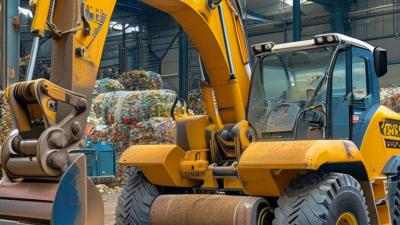
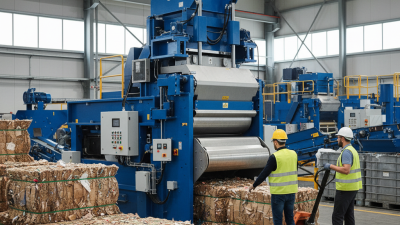
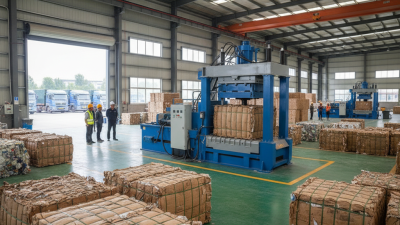
The world of waste management is really shifting fast these days, largely thanks to cool new tech in the Vertical Baler Machine space. Industry experts like John Smith—who's pretty well-known in recycling circles—keep stressing that, "Innovating baling tech is super important if we're serious about handling waste sustainably." His thoughts just show how there's a real need for smarter, more efficient machines to handle the growing recycling demands everywhere.
Looking ahead to 2026, we can expect some interesting upgrades in how these Vertical Baler Machines are designed. The goal? Making them more efficient and kinder to the planet. These machines really are the backbone when it comes to packing recyclable stuff tight, which makes saving space and transporting easier. Things like automation and energy-saving motors are all the rage this year, and for good reason.
But, it’s not all smooth sailing. Some folks have mentioned that maintenance can be tricky, and operators often need proper training to get the hang of things. Manufacturers really need to pay attention to these issues if they want their machines to be dependable. As the industry keeps evolving, it’s super important to focus on building machines that are both tough and easy to use. Moving forward, leaders in the field will have to band together, tackling these hurdles while coming up with even more innovative solutions in the Vertical Baler Machine game.
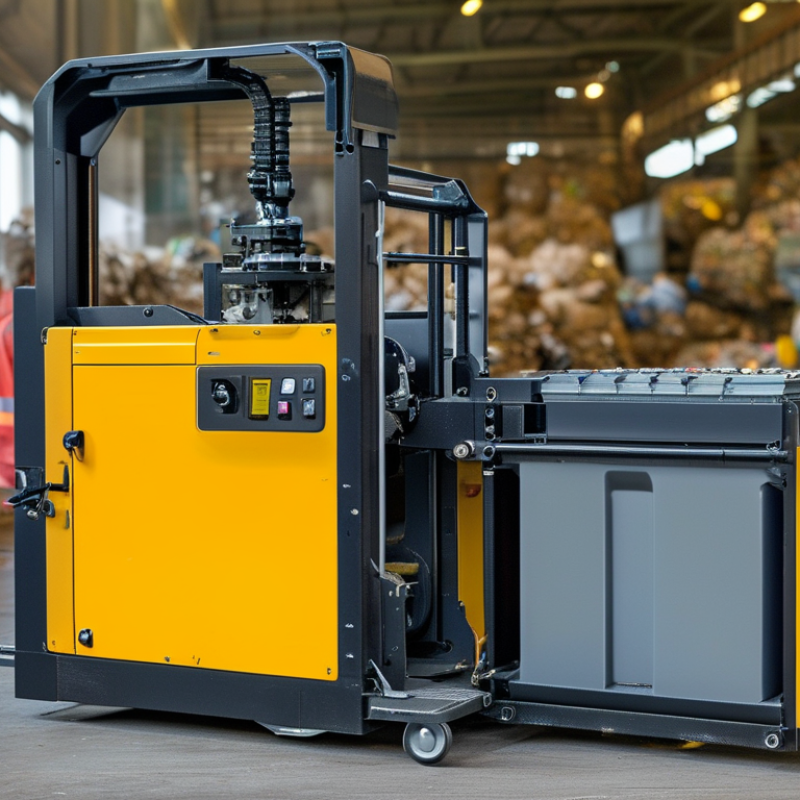
Overview of Vertical Baler Machines in the Global Market
Vertical baler machines play a crucial role in waste management and recycling industries globally. These machines compress materials like cardboard, plastic, and metals into compact bales. This process not only saves space but also enhances the efficiency of waste handling. As global awareness about sustainability increases, the demand for innovative baler solutions continues to rise.
Innovations in vertical balers have transformed the market. Features like automated feeding and advanced safety mechanisms make these machines more user-friendly and efficient. The integration of smart technology allows for real-time monitoring, which enhances operational efficiency. However, the uptake of such technologies often hinges on the upfront costs and maintenance challenges that come with them. Companies must assess their specific needs before investing in these innovations.
In the global market, manufacturers strive to improve energy efficiency and reduce operational noise. Some advancements have shown promise, while others face skepticism due to performance inconsistencies. As businesses look for reliable solutions, understanding the strengths and weaknesses of different models is essential. The process of selecting the right vertical baler is often complex, requiring careful consideration of both market offerings and organizational requirements.
Key Innovations in Vertical Baler Technology for 2026
As we approach 2026, innovations in Vertical Baling Machine technology are set to transform waste management industries. These machines play a critical role in compressing recyclable materials into compact bales, facilitating efficient storage and transportation. One notable innovation is the implementation of advanced automation features, which enable operators to monitor processes remotely. Such technologies can improve efficiency but may also raise questions about reliance on automated systems.
Another key aspect is the evolving design of Vertical Baling Machines. Enhanced durability and energy efficiency are now priorities for manufacturers. By using new materials, these machines can withstand rigorous use while consuming less power. This is a significant improvement but may require buyers to rethink maintenance strategies and costs over time.
Lastly, smart integration with IoT devices allows for real-time data collection. Operators can track performance metrics and optimize operations accordingly. However, the complexity brought by these integrations may challenge those unfamiliar with emerging technologies. Balancing innovation with usability remains a critical consideration for potential buyers.
2026 Top Vertical Baler Machine Innovations for Global Buyers
| Innovation Aspect |
Description |
Benefits |
Expected Impact |
| Automated Control Systems |
Integration of AI and IoT for real-time monitoring |
Improved efficiency and reduced operational costs |
Enhanced productivity and maintenance forecasting |
| Energy-Efficient Designs |
Optimized hydraulic systems for lower energy consumption |
Lower energy bills and reduced carbon footprint |
Meeting sustainability goals in waste management |
| Smart Bale Monitoring |
Sensors to ensure optimal bale size and density |
Increased quality of baled materials |
Higher resale value for recyclables |
| User-Friendly Interfaces |
Touchscreen controls with intuitive navigation |
Reduced training time for operators |
Faster shift changes and operational efficiency |
| Enhanced Safety Features |
Improved safety guards and emergency stop functions |
Decreased risk of workplace accidents |
Safer working environments for employees |
Energy Efficiency Improvements in Modern Vertical Balers
Modern Vertical Balers are undergoing significant innovations, particularly in energy efficiency. These advancements are critical for businesses seeking to reduce operating costs while minimizing their environmental footprint. Energy-efficient vertical balers are designed with advanced technology, allowing them to consume less power during operation. Many machines now feature variable speed drives that adjust to the workload, wasting less energy.
Incorporating improved hydraulic systems also contributes to increased energy savings. These systems optimize the use of hydraulic fluid, leading to lower energy consumption. Additionally, the design of vertical balers can help reduce energy loss through better insulation and heat recovery options. As manufacturers continue to focus on sustainability, energy-efficient vertical balers will become more mainstream, influencing purchasing decisions globally.
Tips for choosing an energy-efficient vertical baler include considering the machine's operational capacity and the types of materials processed. Look for models with energy-saving certifications. Evaluate the total cost of ownership, not just the initial purchase price. Regular maintenance is crucial for sustaining energy efficiency over time. By understanding these aspects, buyers can make informed decisions that align with their sustainability goals.
Enhanced Safety Features in 2026 Vertical Baler Models
The vertical baler market is set for significant innovations in 2026, particularly regarding safety features. Recent reports highlight that equipment accidents account for nearly 5% of all workplace injuries in the recycling industry. This underlines the urgent need for safer machinery. Emerging models are focusing on enhanced protective barriers and automated systems to mitigate risks during operation. These advancements also include emergency stop buttons that are now more accessible, ensuring operators can act swiftly in emergencies.
Moreover, industry studies suggest that integrating smart technology will play a crucial role in enhancing safety. For instance, sensors that detect operator proximity to moving parts help prevent injuries. This technology can reduce accidents by up to 30%. The introduction of real-time monitoring systems provides immediate feedback, allowing operators to adjust their actions accordingly. However, ongoing training and proper usage are crucial. Some studies indicate that human error is a significant factor in the majority of equipment-related incidents. Even with advanced safety features, operators must remain vigilant and well-informed.
As innovations continue, the challenge lies not only in technology but also in fostering a culture of safety in shops that utilize vertical balers. Regular assessments and updates to safety protocols will be essential. In summary, while the technological strides are promising, the human aspect cannot be overlooked. Balancing equipment advancement with operator training will shape the future of safety within the industry.
2026 Enhanced Safety Features in Vertical Baler Models
Automation and Smart Technology in Vertical Balers
The integration of automation and smart technology into vertical balers is transforming waste management. According to industry reports, the demand for efficient waste processing has increased by 15% annually. This change emphasizes the need for advanced solutions. Automated vertical balers optimize material handling. They reduce the need for manual labor, ensuring safety and efficiency in operations.
Innovations such as IoT connectivity allow real-time monitoring of baling processes. This technology provides actionable insights, enhancing operational performance. A report from an industry leader indicates that smart vertical balers can improve throughput by up to 30%. However, while these technologies promise efficiency, the reliance on automation raises concerns. Technical malfunctions could disrupt operations unexpectedly.
Moreover, there is a learning curve with smart technology. Staff need training to operate and troubleshoot these advances. This factor can lead to a temporary slowdown in productivity. As the market evolves, continuous feedback is essential to refine these technologies further. The future of vertical balers hinges on balancing innovation with practical usability.
Sustainability Trends Driving Vertical Baler Innovations
Sustainability is reshaping industries globally, and the vertical baler machine sector is no exception. As businesses strive to reduce waste and improve recycling, innovations are emerging. These machines are designed to compact waste materials efficiently, saving space and resources. New technologies focus on energy efficiency. They aim to reduce both consumption and operational costs.
Vertical balers now incorporate smart technology for better monitoring of waste management. This data-driven approach enables users to optimize their processes in real time. Additionally, companies are increasingly using eco-friendly materials in baler construction. This shift demonstrates a commitment to sustainability, but challenges remain. Many manufacturers still grapple with balancing innovation with cost-effectiveness. Finding the right materials without exceeding budgets can be tricky.
Moreover, the lifecycle of these machines needs consideration. While innovations emerge, users must be mindful of ongoing maintenance and the environmental impact of disposal. As these machines evolve, the responsibility to maintain sustainability rests on both manufacturers and users. Continuous improvement is vital to ensure that vertical balers meet modern environmental standards. Adopting these innovations requires dedication and foresight from all stakeholders.
Global Market Trends and Buyer Considerations for 2026 Balers
As global markets evolve, the demand for efficient waste management solutions becomes crucial. The Vertical Metal Baler industry is no exception. Recent reports indicate that the global market for balers is projected to grow at a compound annual growth rate (CAGR) of about 5.3% from 2021 to 2026. Advances in machinery are responding to this trend, focusing on higher efficiency and lower operational costs.
One of the key considerations for buyers in 2026 is energy consumption. Today's vertical metal balers are designed with improved energy efficiency. Many models now feature energy-saving motors that significantly reduce power usage, aligning with sustainability goals. Reports suggest that companies can save up to 30% on energy costs with the latest innovations.
Despite these improvements, challenges persist. Not all balers are compatible with various materials. Buyers must scrutinize machine specifications before purchasing. Trade shows and industry conferences often showcase the latest models, allowing for hands-on assessments. Understanding specific industry needs is vital, as not every solution fits every application. The evolution of vertical metal balers highlights both innovations and areas needing improvement, urging buyers to remain vigilant in their decision-making process.
FAQS
: They compress materials like cardboard, plastic, and metals into compact bales for efficient waste management.
Features like automated feeding and real-time monitoring enhance user-friendliness and operational efficiency.
Buyers should assess energy consumption and compatibility with different materials before making a decision.
Not all balers fit every material type, leading to potential mismatches in expectations and functionality.
Reports indicate savings of up to 30% with the latest energy-efficient balers.
Upfront costs and maintenance challenges often lead to skepticism about performance and investment viability.
The growing emphasis on sustainability drives the need for more efficient baler solutions in waste management.
Careful scrutiny of machine specifications and alignment with organizational needs is crucial for effective waste management.
The global baler market is expected to grow at about 5.3% CAGR from 2021 to 2026.
They provide opportunities for hands-on assessments of the latest models and innovations in baler technology.
Conclusion
The article provides a comprehensive overview of the advancements in Vertical Baler Machine technology poised to shape the global market in 2026. It highlights key innovations that focus on energy efficiency, enhanced safety features, and the incorporation of automation and smart technology. These attributes not only improve operational efficiency but also ensure worker safety, responding to increasing demands for sustainability in waste management practices.
Moreover, the article discusses the global market trends influencing buyer considerations for Vertical Baler Machines, emphasizing the rising need for eco-friendly solutions. As companies strive to reduce their carbon footprint, innovations in vertical balers are becoming essential in achieving sustainability goals while optimizing waste processing operations.