When you're on the hunt for the perfect Wood Board Baler, it’s pretty important to really understand what you need first. I mean, according to a report from the American Forest & Paper Association, almost 60% of manufacturers say that efficiency is a top priority when choosing equipment. That really highlights how critical it is to make an informed choice. You’ll find that today’s market offers a bunch of different options, each with its own set of features tailored for various industry needs. But, let’s be honest— not all of those machines are created equal in terms of performance or quality.
The market’s been growing a lot – new innovations keep popping up all the time. Recent stats show that the global wood processing industry is expected to grow at about 4.3% annually through 2026. That just goes to show how important it is to have reliable, sturdy baling equipment in your corner. When you’re weighing your options, don’t just think about what you need today— try to think ahead, too. Picking the right Wood Board Baler can seriously boost your productivity and cut down on waste, but yeah, it can also get pretty overwhelming with all the choices.
And even if you do your homework, mistakes can still happen. For example, you might underestimate the size of your operation, which could mean choosing a machine that underperforms. Or, you might forget how crucial it is to think about after-sales support and maintenance—those little details can make a big difference. So, taking the time to think things through will help you find a Wood Board Baler that not only fits your needs now but can also grow with your business.
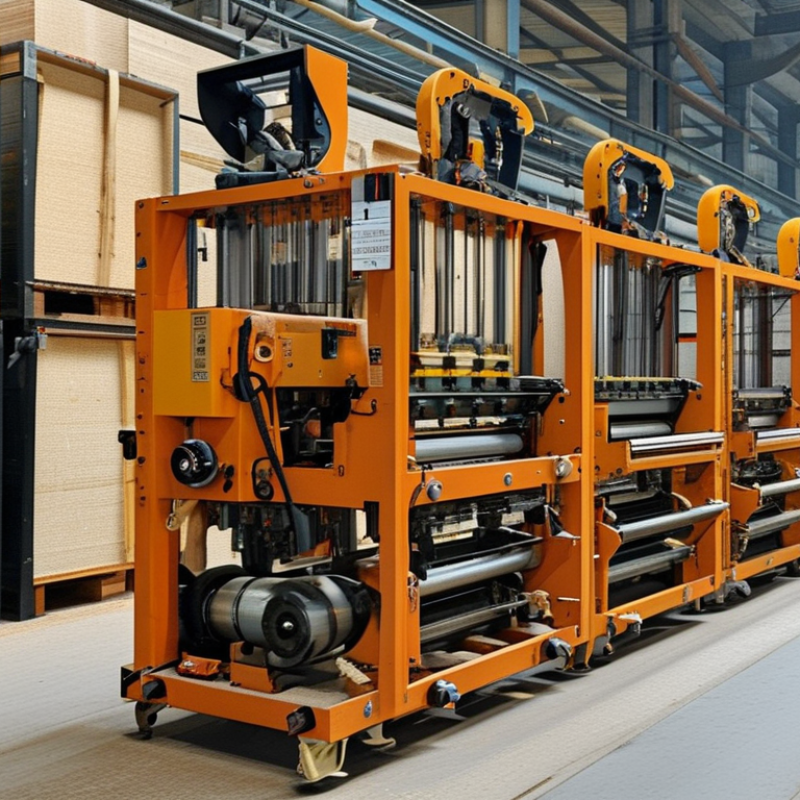
Understanding Wood Board Balers: Types and Functions
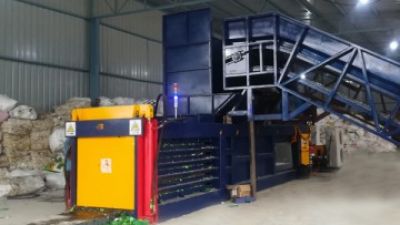
Wood board balers play a crucial role in the recycling and waste management industries. Understanding the types available helps businesses choose the right one for specific needs. Types include horizontal, vertical, and fully automated balers. Horizontal balers are ideal for large volumes, while vertical balers suit smaller operations. Each type varies in capacity, size, and functionality.
When assessing wood board balers, consider the material being processed. Different machines handle various wood sizes and densities. Some balers have adjustable features for specific applications. It’s essential to choose equipment that can handle your unique waste volume effectively. Learn about the energy efficiency and operational costs of each model.
Many users report challenges with maintenance and operational complexity. If a baler is too complicated, it can hinder productivity. Regular training for staff is vital to ensure safe and effective machine operation. It can be a learning curve. Balers should streamline processes, but sometimes they do not meet expectations. Continuous evaluation of your chosen baler can help identify improvements needed for better performance.
2026 Wood Board Baler Performance Comparison
This chart compares the baling capacity of various wood board balers in tons per hour. Each model showcases different efficiency levels to help in your decision-making process.
Key Specifications to Consider When Selecting a Wood Board Baler
When selecting a wood board baler, several key specifications come into play. One crucial aspect is the baler's capacity. This reflects how much material can be processed in a given time. A higher capacity means less downtime, but it might not be necessary for smaller operations. Assess your needs carefully to find the right balance.
Another vital factor is compression force. Wood Meal Balers utilize different forces to create compact bales. If the material has high moisture content, a stronger compression force may be necessary. However, using excessive force can lead to wear and tear on the machine. Striking the right balance requires expert insight and understanding of your material’s properties.
Consider the machines' ease of maintenance as well. A complex system might seem beneficial initially, but maintenance can become a burden. Regular upkeep is essential to ensure reliability. Think about accessibility to components and whether you have the expertise within your team.
When evaluating options, consult with experienced operators or experts. They can provide invaluable insights that help you avoid potential pitfalls. Performing due diligence will lead to a more informed choice tailored to your specific needs.
Evaluating Efficiency: Output Capacity and Compression Ratio Analysis
When selecting a wood board baler, evaluating efficiency is critical. Two primary factors are output capacity and compression ratio. The output capacity refers to how much material the baler can process in a specific timeframe. A high output capacity ensures that operations remain productive and profitable, contributing to overall efficiency.
Compression ratio matters as well. It indicates how tightly the wood chips are compacted. A higher compression ratio means less space is needed for storage and transport. However, achieving that balance is vital. If the compression is too high, it may cause blockages or increased wear on machinery.
Rigorous testing can reveal these details. Operators should analyze how well the baler performs under real-world conditions. Observing performance over time can provide insights. Efficiency often has a learning curve, and adjustments may be necessary to optimize the process. Understanding these factors can lead to more informed choices when selecting a Wood Chips Baler.
Material Compatibility: Which Type of Wood Boards Work Best?
Choosing the right wood board baler involves understanding material compatibility. Different types of wood boards yield varying results when processed. For optimal performance, consider using hardwoods like oak and maple. These dense materials compact well in a Wood Sheet Baler.
Softwoods, such as pine or fir, present unique challenges. They may not compress as efficiently, leading to less compact bales. While they are lighter, the effectiveness of the baler can drop significantly. Testing is essential. Understand how each type of wood board impacts the baling process.
It's also crucial to assess your needs. A Wood Sheet Baler should match the types of materials you frequently handle. Consider the moisture content of the wood. Wet wood can create issues during baling, while dry wood typically performs better. Balers can struggle with mixed materials, so consistent input is key for better output.
Cost Analysis: Initial Investment vs. Long-term Savings
When selecting a wood board baler, understanding the cost dynamics is crucial. An initial investment may seem high, but analyzing long-term savings is essential. A good baler, like the Wheat Wood Baler, can reduce labor costs significantly. Automating the baling process saves both time and expenses. In contrast, cheaper options might lead to frequent repairs and downtime. These factors can quickly erase any initial savings.
The lifespan of a baler is another important consideration. A high-quality Wheat Wood Baler may last longer and perform more efficiently. This leads to savings in both maintenance and replacement costs. However, it's important to consider specific needs. Sometimes, a less expensive model may be sufficient, depending on production volume. Each company's situation is unique and requires careful thought.
Moreover, think about energy consumption. Efficient machines typically use less power, which translates to lower energy bills. Longevity, repairs, and energy costs form a triangle that determines true expense. Businesses should conduct thorough assessments before making a decision. Reflecting on past investments can provide insight into future purchases.
2026 How to Choose the Best Wood Board Baler for Your Needs? - Cost Analysis: Initial Investment vs. Long-term Savings
| Model |
Initial Investment ($) |
Operational Cost per Year ($) |
Energy Consumption (kWh/year) |
Expected Lifespan (years) |
Estimated Savings (Over Lifespan) ($) |
| Model A |
25,000 |
3,000 |
1,200 |
10 |
30,000 |
| Model B |
30,000 |
2,500 |
1,000 |
12 |
35,000 |
| Model C |
28,000 |
2,800 |
1,100 |
11 |
32,000 |
| Model D |
26,500 |
3,200 |
1,300 |
9 |
28,000 |
Maintenance Requirements for Optimal Baler Performance
Maintaining your wood board baler is crucial for optimal performance. Regular maintenance not only extends the machine's lifespan but also ensures safety and efficiency during operations. A clean baler is less likely to malfunction. Keep the hydraulic system free from debris and check the oil levels regularly. Neglecting these tasks can lead to costly repairs down the line.
To optimize performance, inspect the belts and chains frequently. Any signs of wear should be addressed immediately. Replacing these components as needed helps in avoiding unplanned downtime. Additionally, lubricate moving parts as recommended in the user manual. This might seem tedious, but it’s essential for smooth operation.
Pay attention to the alignment of your baler. Misalignment can cause uneven baling and increase wear on parts. Regularly checking this can prevent issues that affect efficiency. Remember, every small detail counts. Proper maintenance not only boosts performance but also enhances the quality of the bales produced.
Industry Standards and Regulations Impacting Wood Board Balers
When selecting a wood board baler, understanding industry standards is crucial. Different regions have unique regulations governing machinery safety and environmental impact. Compliance ensures your baler not only operates efficiently but also meets legal requirements. Familiarizing yourself with these standards protects your business from potential fines.
The specifications of wood board balers are often dictated by these regulations. For example, certain features like safety guards and emergency shut-off systems are not just options; they may be mandatory. Being aware of maintenance standards can also enhance reliability and prolong the machine's lifespan. Regular inspections should be part of your operational routine.
Moreover, staying updated on changes in industry standards is necessary. Regulations can evolve, reflecting new environmental concerns or safety data. Engaging with local industry groups may provide valuable insights. Reflecting on feedback from your team about the baler’s performance can lead you to make informed upgrades or modifications. This proactive approach ensures you remain compliant and capable of producing quality bales.
Maximizing Efficiency in Waste Management: Insights from the 2023 Global Baler Market Report on the NKW180BD Large Size Horizontal Semi-Automatic Baler
In the realm of waste management, efficiency is paramount, particularly in the processing of recyclable materials. The 2023 Global Baler Market Report reveals an increasing demand for advanced baling technologies, underscoring the importance of equipment that can handle substantial volumes of waste. Among these, the NKW180BD large horizontal semi-automatic baler stands out as an exemplary solution for heavy-duty compacting needs. Designed to effectively compress a wide array of materials, from cardboard and PET bottles to bulky industrial waste, this baler is engineered to support large recycling facilities and logistics centers that require robust and continuous operational performance.
The hydraulic system integrated within the NKW180BD ensures maximum compression, contributing to higher output levels while minimizing the energy consumption typically associated with waste processing. According to recent industry data, effective baling can reduce material volume by up to 90%, markedly improving transport efficiencies and storage capabilities. The solid horizontal structure of this baler not only provides stability during operation but also facilitates ease of use, making it an essential asset for manufacturing plants and industrial waste sites facing significant recycling challenges.
As the global focus on sustainability and recycling intensifies, the investment in high-efficiency balers is becoming increasingly justified. The operational reliability and superior performance of systems like the NKW180BD can lead to substantial cost savings and improved waste management outcomes. As highlighted in the global market report, adopting innovative baling solutions will remain integral to achieving the efficiencies demanded in today’s recycling landscape.
FAQS
: Focus on output capacity and compression ratio. Both affect efficiency significantly.
Higher output capacity improves productivity and profitability in operations.
A higher compression ratio saves storage space. But too much compression can cause blockages.
Inspect belts and chains frequently. Clean the hydraulic system and lubricate moving parts as needed.
Misalignment leads to uneven baling and increased wear, impacting overall efficiency.
Be aware of safety and environmental regulations. Compliance can affect operation and avoid fines.
Regularly engage with local industry groups and reflect on feedback from your team.
It can cause costly repairs and reduce the machine's lifespan.
Testing under real conditions reveals performance insights and helps optimize the process.
Consider making informed upgrades or modifications based on feedback from your team.
Conclusion
When selecting the best wood board baler for your needs, it's essential to understand the various types and functions these machines serve. Key specifications such as output capacity, compression ratio, and material compatibility should be evaluated to ensure the baler can efficiently handle the specific wood boards you plan to process. Additionally, a thorough cost analysis, weighing the initial investment against long-term savings, is crucial in making a balanced decision.
Maintenance requirements cannot be overlooked, as regular upkeep is vital for optimal baler performance. Furthermore, being aware of industry standards and regulations that affect wood board balers will help ensure compliance and operational efficiency. By considering these factors, users can make informed choices that meet their specific needs in handling wood waste.