The global nonwoven industry is really growing across a bunch of areas—think hygiene, medical, filtration, construction, and automotive stuff. According to Smithers’ report, *The Future of Global Nonwovens to 2028*, the demand keeps climbing, especially for spunbond, meltblown, and airlaid materials. And if you look at Grand View Research, they’re pretty optimistic about the long-term growth of the global nonwoven fabrics market. More production naturally means there’s more trim, rejected rolls, and packaging waste piling up. Because of that, efficient baling isn’t just a nice-to-have anymore—it’s pretty much a must in the factory these days.
This guide is all about the top 10 nonwoven baler manufacturers for buyers around the globe. We’ve looked into things like machine pressure, chamber size, feeding stability, bale density, automation features, service coverage, and energy consumption. Companies like Valvan Baling Systems, Macpresse, Bramidan, H.S. Machinery, Sinobaler Machinery, and Ken Mills Engineering each serve different kinds of industrial needs. Some focus on small, compact vertical models, while others offer heavy-duty horizontal systems designed for continuous, high-volume production. These differences really matter depending on whether you're working with polypropylene, polyester, viscose, or blended nonwoven materials.
Reports from industry groups like INDA and EDANA highlight just how important nonwovens are across a bunch of sectors. However, when it comes to specific equipment market data, info can be pretty scarce—that’s a bit of a weak spot. Plus, rankings of manufacturers can shift depending on things like delivery times, regional support, and the size of the project. So, this guide doesn’t claim that any one supplier is definitively the best. As a buyer, it’s a smart idea to check test results, spare parts availability, safety certifications, and overall ownership costs before making a decision. A good nonwoven baler should help you save storage space without messing up your workflow. Usually, the most powerful machine isn’t the answer—it’s the one that fits your material, staffing, and daily output needs. Sometimes, it’s the little details that really make all the difference.
Global Nonwoven Output and Recycling Data from EDANA and INDA
Global nonwoven output is large, but published totals require careful reading. EDANA and INDA measure different regions, products, and reporting periods. Their industry data shows continued demand across hygiene, medical, filtration, construction, and transport applications. Output is not one simple number. It changes with definitions, plant capacity, and survey coverage. This makes global comparisons imperfect.
Recycling remains less developed than production. Many nonwoven products combine polypropylene, polyester, viscose, elastic elements, coatings, or adhesives. These mixtures complicate sorting and reduce recovered-fiber value. EDANA and INDA discussions highlight collection, product design, and infrastructure gaps. Clean production trim behaves differently from used hygiene waste. That distinction is easy to miss.
For buyers, output data should guide equipment questions, not only purchasing volume. Ask whether a baler handles dusty trim, wet material, or lightweight rolls without crushing them excessively. Check bale density, strap compatibility, dust control, access, and service response. Measure throughput during a plant trial. Small test. Compact bales can reduce storage space and transport movements, but excessive compression may hinder later recycling. In practice, specifications can look convincing while materials behave differently. Reliable decisions need local samples, verified operating data, and transparent assumptions.
Global Nonwoven Output by Region
Estimated 2022 production volume, shown in million metric tonnes. Regional figures provide market context for global nonwoven equipment and baler buyers.
Source: Rounded regional estimates synthesized from EDANA and INDA nonwoven industry statistics. Totals and regional classifications may vary by reporting scope and methodology.
Nonwoven Baler Types: Pressure, Throughput, Bale Density, and Energy Use
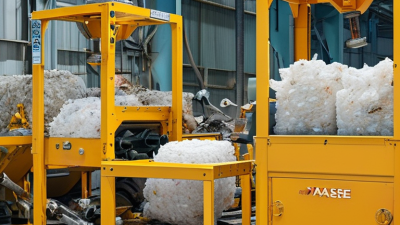
Nonwoven balers must be judged by pressure, throughput, bale density, and energy use, not appearance alone. The Textile Exchange Materials Market Report 2024 recorded global fiber production at 124 million tonnes in 2023. That figure signals growing pressure on sorting and compacting systems. Nonwoven scraps behave differently from bottles or cardboard. Loose insulation fiber can spring back after pressing. High pressure helps, but chamber design controls the final shape.
For global buyers, compare usable throughput, not the headline maximum. A machine rated at 1,000 kilograms per hour may deliver less with dusty, lightweight material. Ask for test results using your actual feedstock. Bale density commonly depends on moisture, fiber blend, compression time, and tie spacing. Denser bales reduce transport volume, yet excessive compression can damage wrapping or create unstable blocks. That assumption can fail.
Energy deserves equal attention. The European Commission’s Waste Treatment BAT Reference Document (2018) recommends monitoring energy performance during waste operations. A practical screening range for hydraulic balers is about 3–10 kWh per tonne, but operating conditions change this sharply. Measure standby power, pump cycles, and jam recovery. A Pet Baler handling rigid containers may need different pressure settings from a nonwoven line. The U.S. EPA’s Sustainable Materials Management data also shows why better material recovery matters: plastics recycling remained only 8.5% in 2018. Specifications are useful. Verified trials are better. I would still question any figure without feedstock details.
Ranking Criteria: ISO 12100, EN 60204-1, CE, Capacity, and Service Data
Top 10 Nonwoven Baler Manufacturers for Global Buyers
Ranking Criteria: ISO 12100, EN 60204-1, CE, Capacity, and Service Data
A reliable top-ten ranking should examine evidence, not promotional claims. ISO 12100 shows whether the manufacturer identifies hazards and reduces operational risks. EN 60204-1 supports safer electrical design, control panels, wiring, and emergency-stop functions. These documents matter during factory inspections and operator training. They also reveal whether safety was designed early or added later.
CE compliance requires careful verification. Buyers should request the Declaration of Conformity, risk assessment details, and relevant test records. CE marking alone is not enough. Capacity data needs equal attention. Ask for hourly throughput, bale density, material moisture limits, and continuous-duty results. A machine producing impressive figures under ideal conditions may perform differently with dusty, irregular nonwoven waste. Service data should include installation time, spare-parts availability, remote support, and average response periods. These figures are often less polished, yet more useful.
Tips:
Compare machines using the same material, bale size, and working hours. Request a live demonstration or sample test. Check whether manuals are clear for local operators. Confirm who handles technical support after delivery. A ranking can still contain gaps, because suppliers may share incomplete service records. Treat missing data as a risk, not a neutral result.
Top 10 Nonwoven Baler Manufacturers: Origins, Models, and Core Applications
Top 10 Nonwoven Baler Manufacturers: Origins, Models, and Core Applications
Global buyers should compare ten leading manufacturer groups by origin, engineering depth, and service reach. North American suppliers often build heavy-duty horizontal balers for municipal recycling. European producers focus on energy efficiency, safety interlocks, and automated tying systems. Chinese manufacturers commonly offer cost-efficient vertical and horizontal models. Japanese and South Korean makers emphasize precise controls and compact factory layouts. Indian suppliers often develop practical balers for textile recovery and nonwoven production. Turkish manufacturers serve regional recycling and packaging operations. Some suppliers from Southeast Asia provide customized machines for smaller plants. Others specialize in high-throughput models for distribution centers. The best choice depends on material density, bale weight, floor space, and labor availability.
Typical models include vertical balers, horizontal channel balers, closed-end balers, and fully automatic systems. A Msw Baler may process municipal solid waste, plastic film, paper, or mixed packaging. Nonwoven factories usually need stable pressure and clean wire or strap placement. Core applications include production scrap, rejected rolls, retail packaging, and post-consumer fiber recovery. Ask for tested cycle times. Brochures can sound optimistic.
Tips: Request sample-bale testing before purchase. Check motor ratings, chamber dimensions, noise levels, and emergency-stop access. Confirm local electrical compatibility and spare-parts support. Operators should receive practical training, not only a manual. I would also inspect maintenance records from similar installations. Small details matter.
Top 10 Nonwoven Baler Manufacturers for Global Buyers - Top 10 Nonwoven Baler Manufacturers: Origins, Models, and Core Applications
| Rank |
Manufacturer Profile |
Origin Region |
Representative Model Class |
Pressing Force |
Typical Bale Weight |
Feed Opening |
Core Applications |
| 1 |
High-throughput automatic baler supplier |
Western Europe |
Continuous horizontal hydraulic baler |
80–120 tonnes |
400–800 kg |
1,100–1,500 mm |
Large nonwoven production lines, spunbond roll-edge waste, disposable hygiene-material scrap |
| 2 |
Heavy-duty recycling baler supplier |
East Asia |
Automatic two-ram horizontal baler |
100–160 tonnes |
450–900 kg |
1,100–1,600 mm |
Mixed textile and nonwoven recycling, bulky production offcuts, high-volume material recovery |
| 3 |
Medium-capacity textile baler supplier |
Southern Europe |
Automatic horizontal tie baler |
60–100 tonnes |
250–600 kg |
800–1,200 mm |
Needle-punched felt, geotextile offcuts, filtration-media waste and factory trimming lines |
| 4 |
Compact factory baler supplier |
Central Europe |
Single-ram horizontal baler |
40–80 tonnes |
180–450 kg |
700–1,100 mm |
Small and medium nonwoven converters, packaging waste, cut-piece recovery and warehouse handling |
| 5 |
Vertical baler specialist |
North America |
Vertical hydraulic textile baler |
30–70 tonnes |
100–350 kg |
700–1,200 mm |
Retail and distribution waste, small converting plants, medical-gown and mask-material scrap |
| 6 |
High-density packaging baler supplier |
East Asia |
Closed-door high-density baler |
80–140 tonnes |
350–750 kg |
900–1,400 mm |
Dense bales of polypropylene nonwoven waste, spunlace remnants and laminated production scrap |
| 7 |
Flexible-material baler supplier |
South Asia |
Automatic soft-material horizontal baler |
50–90 tonnes |
200–500 kg |
800–1,200 mm |
Lightweight nonwovens, absorbent-core materials, wipes production and textile blending waste |
| 8 |
Industrial waste-management baler supplier |
Northern Europe |
Fully automatic conveyor-fed baler |
70–130 tonnes |
300–700 kg |
900–1,500 mm |
Integrated factory waste systems, automated sorting lines and centralized recycling operations |
| 9 |
Entry-level hydraulic baler supplier |
Eastern Europe |
Semi-automatic horizontal baler |
30–60 tonnes |
120–300 kg |
600–1,000 mm |
Start-up plants, laboratory-scale production, intermittent scrap generation and cost-sensitive operations |
| 10 |
Custom-engineered baler supplier |
Middle East |
Application-specific hydraulic baler |
50–120 tonnes |
200–650 kg |
700–1,400 mm |
Specialty nonwovens, abrasive fibers, multilayer materials and installations requiring customized automation |
The specifications shown are typical industrial configuration ranges for nonwoven and textile-waste balers. Actual output, bale density, dimensions and automation level depend on material type, moisture content, feeding method and site requirements.
Comparing Bale Size, Hydraulic Force, Cycle Time, and Material Compatibility
Top 10 Nonwoven Baler Manufacturers for Global Buyers
Comparing Bale Size, Hydraulic Force, Cycle Time, and Material Compatibility
A reliable nonwoven baler should match your daily waste volume, not just its advertised pressure. When comparing ten manufacturers, check the finished bale dimensions first. Small chambers may produce 40-kilogram bales, while industrial models can exceed 300 kilograms. Larger bales reduce handling frequency but require stronger lifting equipment and more floor space.
Hydraulic force affects density, stability, and energy use. A machine rated between 40 and 100 tons may suit common fabric offcuts, depending on moisture and fiber structure. Higher force is not automatically better. Excessive compression can damage straps, distort packaging, or slow unloading. Ask for measured cycle times under realistic loads. A quoted 25-second cycle may exclude loading, tying, and bale removal.
Material compatibility deserves close inspection. Spunbond fabric, meltblown layers, laminated rolls, and elastic scraps behave differently inside the chamber. Some materials spring back after pressing. Others slide and create uneven bales. Request trial tests using your actual waste. I once underestimated rebound from lightweight fabric, and the first bale expanded noticeably after ejection. That mistake changed the specification. Check chamber coatings, hydraulic seals, control settings, and access for cleaning. Cycle time also changes when operators work cautiously, which brochures rarely explain. A clear service record and documented test results matter more than impressive maximum force.
Global Buyer Costs: kWh per Ton, Maintenance, Freight, and Spare Parts
Top 10 Nonwoven Baler Manufacturers for Global Buyers
Global buyers should compare a Box Baler by cost per finished ton, not purchase price alone. Ask each manufacturer for measured kWh per ton using similar material, moisture, bale weight, and compression settings. A practical factory test should record motor load, cycle time, and rejected bales. Published figures can look attractive. They may not match real production.
Maintenance costs often decide long-term value. Inspect hydraulic seals, guide rails, sensors, cutting wires, and chamber surfaces during a site visit. Confirm recommended service intervals and the price of a complete wear-part kit. A reliable supplier should provide manuals, remote troubleshooting, training, and clear response times. Keep critical seals and sensors nearby. Downtime becomes expensive quickly.
Freight planning needs more than a shipping quotation. Check packed dimensions, gross weight, lifting points, export packaging, port charges, inland delivery, installation, and import duties. A compact machine may reduce container space, but awkward modules can increase unloading labor. Request spare-parts availability by region and ask how many days common components need to arrive. Compare warranty coverage carefully, especially for pumps, motors, and control systems. In my experience, early savings estimates are sometimes too optimistic because labor and electricity tariffs change. That deserves a second review. A signed performance test, service history, and references from similar plants offer stronger evidence than polished brochures.
Due Diligence: Factory Audits, Test Reports, Warranty Terms, and Support Coverage
Buying a nonwoven baler requires more than comparing machine prices. A practical factory audit should examine welding quality, hydraulic leaks, electrical wiring, and safety guards. Ask for production records, not only showroom photographs. Watch one complete bale cycle on the actual machine.
Test reports should identify compression force, bale density, cycle time, and power consumption. Request reports linked to a specific model and serial number. Independent laboratory records are more reliable than unsigned internal sheets. For a Hemp Baler, confirm that the feeding system handles uneven fiber texture without frequent blockages. Small details matter.
Warranty terms deserve careful reading. Check coverage for pumps, cylinders, motors, controllers, and wearing parts. Clarify whether labor, shipping, and remote diagnosis are included. A twelve-month warranty may sound strong, but exclusions can make it weak. Support coverage should include response times, spare-parts availability, installation guidance, and operator training. Ask for service contacts in your working time zone. Keep written answers.
A useful audit also tests communication. Send the same technical questions to sales and engineering teams, then compare their answers. Inconsistencies are warning signs. I have found that buyers often overlook noise levels and maintenance access. That mistake becomes expensive after installation. No audit is perfect. Record unresolved points, assign owners, and request corrective evidence before payment.
China NKW40BD Small Horizontal Semi-Automatic Hydraulic Baler for Compact Recycling Solutions
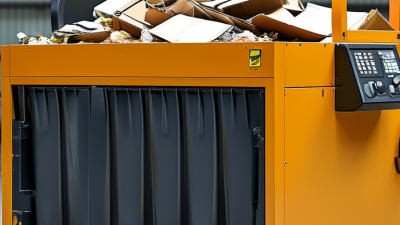
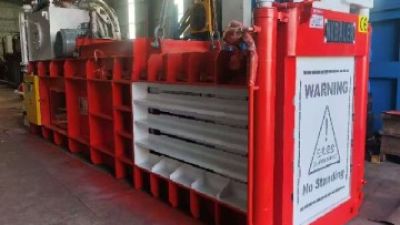
The China NKW40BD Small Horizontal Semi-Automatic Hydraulic Baler is designed for small recycling operations that need dependable compaction without requiring a large installation area. Its compact horizontal structure makes it suitable for workshops, collection centers, warehouses, and other facilities with limited daily material volumes. By compressing recyclable materials into dense bales, it helps improve storage efficiency and simplifies handling during transportation.
Powered by a stable hydraulic system, the NKW40BD delivers consistent pressing performance while maintaining straightforward operation. Its semi-automatic design includes manual bale tying, allowing operators to control the tying process according to the material and bale size. This practical configuration reduces operating complexity and supports businesses that are upgrading from vertical balers to a more efficient horizontal solution.
As a factory-produced recycling machine, the NKW40BD is built for easy installation, convenient maintenance, and regular use in space-restricted environments. The accessible operating structure allows workers to load materials, complete compression, and secure bales through a clear workflow. It is suitable for handling common recyclable materials such as cardboard, paper, plastic bottles, and lightweight packaging waste.
FAQS
Industry totals use different regions, products, and reporting periods. Definitions vary. Plant capacity and survey coverage also affect comparisons. One global number can mislead buyers.
Many products combine polypropylene, polyester, viscose, elastic parts, coatings, or adhesives. These mixed materials are harder to sort. Recovered fibers may lose value. Clean factory trim is different from used hygiene waste.
A suitable baler may handle production scrap, rejected rolls, packaging, or recovered fibers. Material behavior matters more than its label. Dusty trim, wet material, and lightweight rolls need separate testing. One machine may not suit every feedstock.
Request sample-bale testing with actual local material. Measure throughput during a plant trial. Check bale density, tying performance, dust control, and crushing effects. Small test. Brochure figures may sound optimistic.
Compact bales can reduce storage space and transport movements. They may create cleaner floor areas near production lines. However, excessive compression can hinder later recycling. More compact is not always better.
Inspect welds, hydraulic connections, electrical wiring, safety guards, and maintenance access. Watch a complete bale cycle on the actual machine. Check for leaks. Ask for production records, not only showroom photographs.
Reports should state compression force, bale density, cycle time, and power consumption. Request the exact model and serial number. Unsigned internal sheets deserve careful review. Independent evidence is preferable, though it is not perfect.
Confirm coverage for pumps, cylinders, motors, controllers, and wearing parts. Clarify labor, shipping, remote diagnosis, spare parts, and training. Ask about response times and service contacts in your time zone. A long warranty can still contain serious exclusions.
Send identical technical questions to sales and engineering teams. Compare their answers carefully. Inconsistent details may signal internal confusion. Keep written replies and unresolved points. I might still overlook something.
Conclusion
This guide presents a practical framework for global buyers evaluating a Nonwoven Baler. It begins with an overview of worldwide nonwoven production and recycling trends, using industry data to explain how changing material flows influence baling demand. It then compares pressure, throughput, bale density, energy consumption, bale size, hydraulic force, cycle time, and compatibility with different nonwoven materials. The ranking methodology focuses on measurable factors, including ISO 12100, EN 60204-1, CE compliance, production capacity, technical documentation, and service performance.
The guide also reviews ten leading manufacturers by origin, equipment design, and core applications without relying on brand promotion. Buyers can assess total ownership costs through electricity use per ton, routine maintenance, freight, spare parts, and expected operating life. Finally, it outlines essential due diligence, including factory audits, performance tests, warranty conditions, installation support, training, and regional service coverage. Together, these criteria help purchasers select safe, efficient, and cost-effective baling equipment for long-term nonwoven recycling and production operations.