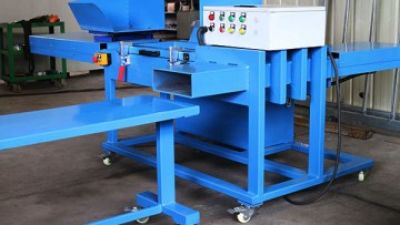
Thinking about which Nonwoven Baler is the right fit for your business? Well, getting some advice from the experts can really make a difference. Take John Smith, for example—he’s been around the block in the textile machinery world. He often says, “The right baler can totally boost your production and make things run smoother.” But honestly, choosing a Nonwoven Baler isn’t just about picking something based on size or how much it can handle. It’s more about really understanding what your specific needs are.
Every company’s a bit different. Some folks might be all about speed, while others are more focused on processing a large volume of material. It can get pretty tricky to weigh all those factors. That’s why it’s so important to look at your workflow and the types of materials you’re working with. If you pick a baler that doesn’t fit, you could end up wasting time and money—and nobody wants that. So, take your time and do some research. Find models that match what you actually need.
Keep in mind, the market is pretty packed with options. It’s tempting to just buy quickly and get it over with, but making a snap decision could lead to higher operating costs or maintenance headaches down the road. It’s always a good idea to listen to what industry pros say and maybe even ask around with your peers. Their experiences can help you avoid common pitfalls when choosing a Nonwoven Baler. In the end, putting in the effort now will pay off later with better results and fewer surprises.
Understanding the Basics of Nonwoven Balers in the Industry
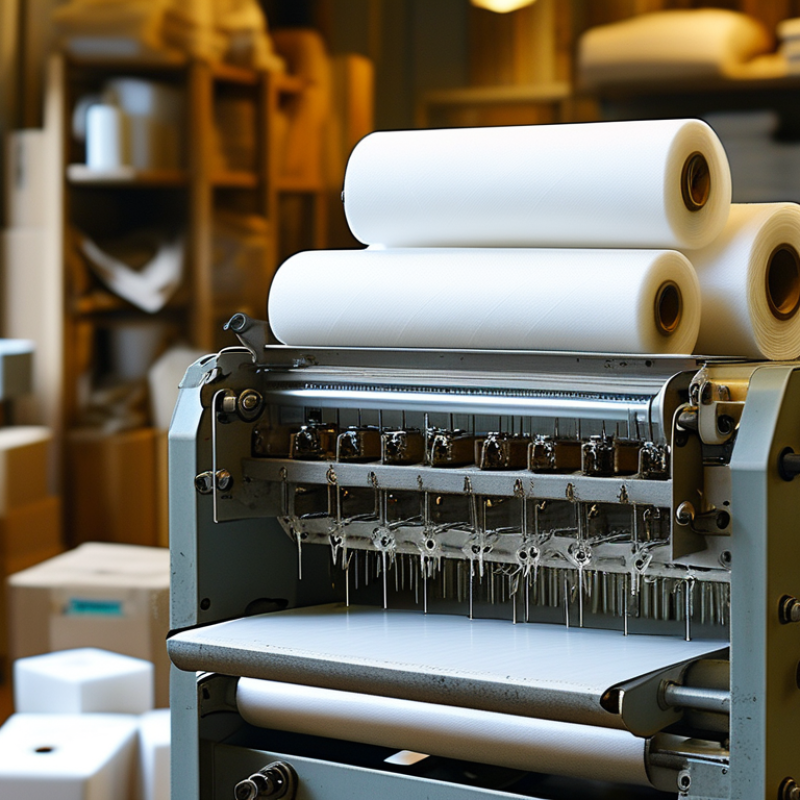
Nonwoven balers are essential in the textile recycling industry. Understanding their functioning can enhance efficiency. These machines compact and bundle materials, including nonwoven fabrics, for easier handling. They save space and streamline the transportation process.
When selecting a baler, consider your material type. Different balers are designed for varying materials. For instance, if you primarily handle PET, ensure the baler can accommodate that specific fabric. Assess the volume of materials you process daily. A high-capacity baler may be necessary for businesses with large output.
Tips: Regular maintenance is crucial for long-lasting equipment. Check for wear and tear frequently. A well-maintained baler operates more efficiently. Additionally, train your staff on effective baler operation. Proper usage can prevent accidents and enhance productivity. Reflect on your current processes. Are there areas that could be more efficient? A suitable baler should align with your business goals and environmental practices, especially concerning sustainability in the industry.
How to Choose the Right Nonwoven Baler for Your Business?
| Feature |
Importance |
Considerations |
| Bale Size |
Critical for storage and transport efficiency |
Determine the maximum size that fits your logistics |
| Baler Type |
Impacts operational efficiency |
Choose between horizontal and vertical balers based on space |
| Processing Speed |
Affects productivity |
Assess throughput relative to your operational needs |
| Power Requirements |
Influences energy costs |
Ensure compatibility with existing power systems |
| Ease of Use |
Affects training and operational efficiency |
Select models with user-friendly controls |
| Maintenance Requirements |
Impacts long-term operational costs |
Look for balers with lower maintenance needs |
Evaluating the Different Types of Nonwoven Balers Available
When choosing the right nonwoven baler, understanding the different types is essential. Nonwoven balers vary in design and functionality. Some are manual, requiring physical effort, while others are automatic, providing ease of use. Manual balers may be suitable for small operations. They are cost-effective but can be labor-intensive. Automatic balers, though pricier, significantly boost productivity. This trade-off is critical for growing businesses.
Consider the scale of your operation when evaluating options. Compact balers work well in tight spaces. They manage lower volumes efficiently without wasting resources. Large-scale balers accommodate higher output and are ideal for expansive production environments. However, they might require additional maintenance. Regular checks are vital to ensure efficiency over time.
Capacity is another factor. Smaller balers handle minimal loads, which could lead to bottlenecks. Larger models allow for bulk processing and quicker turnaround times. But they consume more energy and take up more space. Analyze your specific needs, weighing convenience against operational costs. Making the right choice can improve workflow and save resources.
Key Features to Consider When Selecting a Nonwoven Baler
When selecting a nonwoven baler, focus on key features that meet your business needs. Begin with capacity. Assess how much material you'll process daily. A baler with suitable capacity increases efficiency and reduces downtime. Consider the compression force as well. Higher force compacted bales save space and transportation costs.
Material handling is another critical aspect. Look for a baler designed for the specific nonwoven materials you use. Some machines excel with light, fluffy materials, while others may handle dense fabrics better. Pay attention to the ease of operation and maintenance as well. A user-friendly control panel can streamline the baling process, while accessible parts can simplify routine upkeep.
Reliability is paramount in any equipment choice. Research the machine’s durability. Seek out user reviews focusing on long-term performance. Identifying potential flaws can save you from costly repairs later. Balers without proper feedback may lead you to hasty decisions, impacting your productivity. Take time to evaluate various options carefully to ensure they fit your workflow.
Key Features to Consider When Selecting a Nonwoven Baler
Comparing the Capacity and Efficiency of Nonwoven Balers
When choosing a nonwoven baler, capacity and efficiency are crucial factors. The capacity of a baler is often measured in tons per hour. According to industry reports, a high-capacity nonwoven baler can process up to 1.5 tons of material per hour. This volume is essential for businesses with large production outputs. However, it's important to consider the specific needs of your operation before selecting a machine. Overestimating your requirements can lead to wasted energy and increased costs.
Efficiency ties closely to capacity. Some models offer features that reduce cycle times. For example, balers that use advanced hydraulic systems can achieve quicker compression cycles. Studies indicate that efficient balers can increase productivity by up to 30%. However, a baler with high efficiency may come with a higher initial cost. This prompts businesses to reflect on long-term returns versus upfront investments. Calculating operational costs helps ensure that efficiency gains justify the expenses.
Understanding the various capacities and efficiencies of nonwoven balers is not straightforward. Every business has unique demands. Evaluating the balance between capacity and efficiency requires a careful look at operational goals. Industry standards suggest that businesses assess both production needs and budget constraints holistically. This awareness leads to more informed decision-making, reducing the chances of misalignment between machinery capabilities and business requirements.
The Role of Automation in Modern Nonwoven Balers
Automation plays a crucial role in modern nonwoven balers, improving efficiency and output quality. Automated systems can significantly reduce labor costs. According to a report from the Nonwovens Industry Association, automated balers have the potential to increase production rates by up to 30%. This efficiency is essential for businesses aiming to scale their operations.
Choosing the right nonwoven baler requires understanding your material type and production goals. Msw Balers are specifically designed for handling municipal solid waste. They integrate automated features to ensure precise bale formation, which reduces waste and enhances productivity. Many companies have reported a decrease in operational downtime after switching to automated systems. Automation can help improve accuracy, but it also requires regular oversight and maintenance.
Tips: Invest in training for staff. They must understand how to monitor automated processes effectively. Be prepared for possible technical hiccups. Regular maintenance can prevent unexpected issues. Don't overlook software updates; they can enhance performance and security.
Analyzing Total Cost of Ownership for Nonwoven Balers
When selecting a nonwoven baler, the total cost of ownership (TCO) offers critical insights. TCO includes initial purchase price, maintenance, energy consumption, and operational efficiency. According to industry reports, about 20% of the total cost can stem from energy use. Therefore, investing in an energy-efficient Box Baler can lead to significant savings over time.
Maintenance expenses are another key factor. Routine upkeep is essential for optimal performance. Neglecting this can lead to unexpected downtime and repair costs. A study showed that businesses often face up to 15% more costs due to inadequate maintenance on balers. This highlights the importance of incorporating reliable support services within your TCO analysis.
Moreover, consider the baler’s throughput capacity. Higher capacity machines can compress more material in less time. However, they might have a steeper initial cost. A well-structured TCO will help weigh these factors against long-term operational gains. It encourages a thorough review of potential equipment options, highlighting the need to balance upfront investment with ongoing operational efficiency and resource utilization.
Ensuring Compliance and Safety Standards in Nonwoven Baler Selection
When selecting a nonwoven baler, it's crucial to prioritize compliance with safety standards. The right equipment must not only meet operational needs but also adhere to regulations. This protects workers and ensures quality output. A lack of attention to these details can lead to costly penalties.
Consider the specifications of the baler. Ask if it has safety features. Emergency stop buttons, safety guards, and automatic shutoff systems are essential. These features can prevent accidents during operation. Regular training for employees should accompany equipment purchases.
Tips: Always request safety certifications from suppliers. Understand the manufacturer's reputation in the industry. Research how they handle safety concerns or product recalls.
It's also important to assess your specific needs. Think about the types of materials you will process. A Hemp Baler might be necessary for handling certain agricultural products. Evaluate the efficiency of the baler and its impact on your workflow.
Tip: Measure your available space. Ensure that the baler's size fits your facility layout. Investigating these details can help navigate potential limitations in production. All these factors will guide you in making an informed decision tailored to your business's safety and compliance needs.
Maximizing Efficiency: The Benefits of Investing in the NKB20 Used Rag Baler Machine for Waste Management
In the realm of waste management, efficiency is paramount. The NKB20 Used Rag Baler Machine stands out as a transformative asset for businesses dealing with large volumes of textile waste, particularly used rags and wiping cloths. Designed with advanced hydraulic technology, this high-capacity baler can significantly streamline the baling process, turning loose rags into neatly compressed bales. This transformation is not just about organization; it plays a critical role in optimizing operational efficiency.
According to industry reports, businesses in the textile recycling sector face mounting pressures to improve waste management practices while minimizing costs. The NKB20 baler addresses these challenges head-on, enabling companies to maximize storage space and reduce transportation expenses. By compacting rags into uniform bales, facilities can save up to 70% on storage space—an essential factor for companies looking to enhance their overall waste management efficiency. Furthermore, efficient baling reduces the frequency of waste collection, resulting in lower transportation costs and carbon emissions.
Investing in the NKB20 Used Rag Baler Machine not only meets operational needs but also complies with growing sustainability mandates. As industries increasingly emphasize waste reduction and recycling, machines like the NKB20 play a vital role in facilitating a closed-loop system, where used textiles can be efficiently processed and repurposed. By adopting such technologies, businesses can not only improve their waste management performance but also contribute positively to environmental sustainability efforts.
FAQS
: TCO includes the initial price, maintenance, energy, and operational efficiency of the baler.
Energy use can account for about 20% of the total cost of ownership for balers.
Regular maintenance ensures optimal performance and can prevent unexpected downtime and repair costs.
Businesses may face up to 15% more costs due to neglecting maintenance on balers.
Ensure the baler has safety features like emergency stops, guards, and shutoff systems.
Regular training for employees is essential. It helps prevent accidents and ensures safe operation.
Safety certifications ensure that the equipment meets industry standards and reduces risks.
Higher capacity machines compress more material quickly but may have higher initial costs.
It balances upfront investment against long-term efficiency and resource use, guiding better decisions.
Evaluate the type of materials processed and measure available space in your facility.
Conclusion
Choosing the right Nonwoven Baler for your business involves several crucial considerations. First, it is important to understand the basics of nonwoven balers and evaluate the various types available in the market. Key features to look for include capacity, efficiency, and the role of automation, which can enhance productivity and reduce labor costs.
Additionally, analyzing the total cost of ownership will help in making a financially sound decision, while ensuring compliance with safety standards is essential for operational reliability. By carefully assessing these factors, businesses can select a nonwoven baler that best meets their specific needs and contributes positively to their operational efficiency.