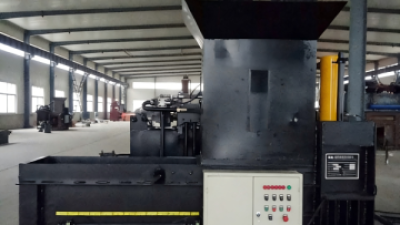
Choosing the best hydraulic baling machine supplier in China isn't just about scoping out who’s got the lowest price online. Honestly, you want a partner who really gets your needs—things like your materials, bale sizes, how much you need to produce, and the workspace you're working with. Different materials, whether it’s cardboard, textiles, plastics, or light metals, all behave differently inside that compression chamber. So, the right machine should offer steady pressure, produce uniformly shaped bales, and be easy enough to operate. Plus, it’s gotta match your power supply and fit your available floor space. Experience counts here; a supplier who’s supported similar recycling setups will often spot potential issues before you even get the machine installed.
Don’t just fall for slick marketing—ask for solid technical info. Things like cylinder specs, chamber dimensions, motor power, cycle times, and maintenance schedules. See if they can show you videos of the machines in action, provide inspection reports, and give references from real customers you can verify. A good manufacturer will openly explain how they test welds, hydraulic seals, electrical parts, and safety features. And don’t underestimate the importance of communication—if their answers are slow or vague, it can lead to costly delays down the road. No one’s perfect, but accountability definitely makes a difference.
A trustworthy supplier will give you detailed drawings, manuals, guidance on spare parts, and quick after-sales support. Getting training on setup is a big plus—it can save you headaches later, like uneven pressure or early wear and tear on the machine. And make sure you carefully read and compare warranty terms. Some offer comprehensive coverage, while others might leave out key components—that’s a detail you don’t want to overlook. Honestly, the cheapest quote might not be the best choice; it’s about finding that balance of engineering expertise, transparent info, reliable manufacturing, and realistic service commitments. Before sealing the deal, it’s smart to test out some representative materials and review the final setup with an experienced tech. Sometimes, a tiny overlooked detail can cause years of trouble. Bottom line: do your homework and pick the right partner, not just the cheapest deal.
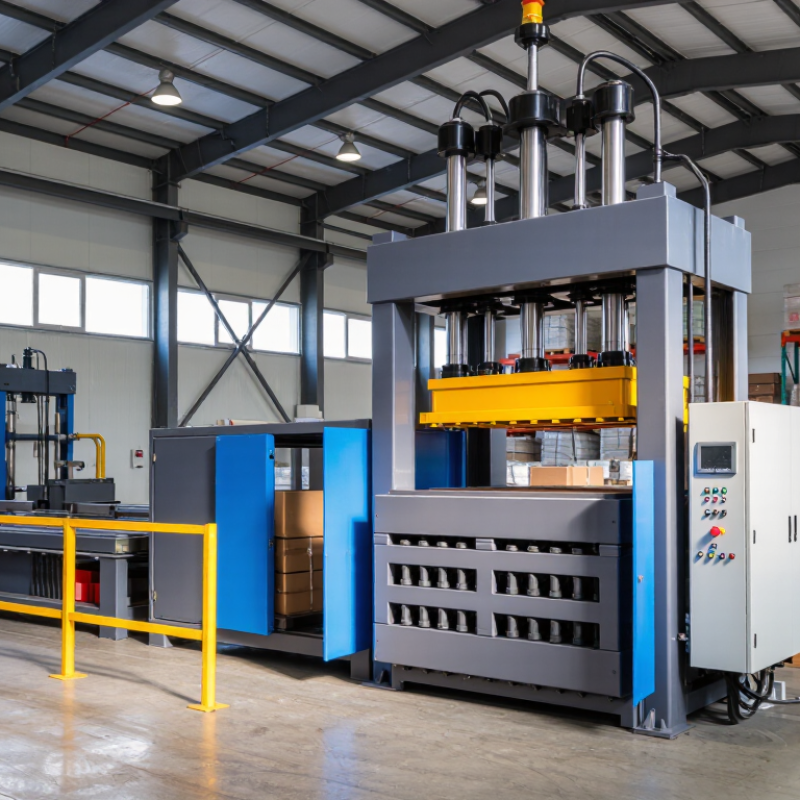
A hydraulic baling machine uses hydraulic pressure to compress loose materials into dense, manageable bales. A motor powers a pump, which sends fluid into a hydraulic cylinder. The cylinder pushes a steel plate through the chamber. Pressure builds steadily, rather than through a sudden mechanical impact. Simple in principle.
Operators may process cardboard, paper, plastic film, textile fibers, or agricultural materials. After compression, the bale is tied or wrapped for storage and transport. This reduces volume and keeps work areas more orderly. Bale density depends on material moisture, feed size, chamber design, and operating pressure. Wet material can behave unpredictably.
In practical use, correct loading matters as much as machine power. Uneven feeding may produce loose corners or jammed doors. A trained operator should inspect hoses, seals, gauges, and emergency stops before each shift. Regular oil checks also help prevent avoidable downtime. Safety guards must remain in place during operation.
Choosing equipment requires more than comparing pressure ratings. Buyers should review chamber dimensions, cycle time, bale weight, power requirements, and available floor space. Supplier support is important for installation, spare parts, and operator training. A machine can look efficient on paper but perform poorly with unsuitable material. That detail is easy to overlook. Reliable results come from matching the machine to daily material conditions, not from selecting the largest model.
China Best Hydraulic Baling Machine Supplier?
A Hydraulic Baling Press turns loose material into dense, manageable bales through controlled hydraulic force. The process begins when an electric motor drives a hydraulic pump. Oil then enters a cylinder and moves the pressing ram. The ram compresses paper, cardboard, textiles, or approved recyclable materials inside a reinforced chamber.
Pressure rises gradually. A relief valve helps prevent overload when the chamber becomes full. After compression, the operator opens the chamber and secures the bale with suitable strapping or wire. The finished bale is smaller, heavier, and easier to store or transport. It is not complicated, but every stage matters.
A reliable machine should produce even bale density, steady ram movement, and clean hydraulic connections. Operators should check oil levels, hoses, seals, and pressure readings regularly. Small leaks can become expensive failures. A practical supplier should provide test records, operating guidance, spare-part support, and clear safety instructions. Noise, uneven compression, or slow movement may indicate worn seals, contaminated oil, or poor loading. Many buyers focus only on maximum pressure. That is a mistake. Chamber size, cycle time, material type, and daily workload often matter more. The best choice may not be the most powerful model.
China Best Hydraulic Baling Machine Supplier?
China-made hydraulic baling machines are widely used for paper, plastic, textiles, and metal recycling. The need is growing. The Global E-waste Monitor 2024 reported 62 million tonnes of electronic waste in 2022. It expects this figure to reach 82 million tonnes by 2030. Efficient volume reduction will matter more in crowded recycling facilities.
Key features include a welded steel frame, adjustable compression pressure, and programmable control systems. A reliable machine should provide stable bale density across changing material moisture and feed sizes. Automatic wire or strap systems can reduce handling time, but manual inspection remains necessary. Safety interlocks, emergency stops, guarded chambers, and pressure-release protection are essential design details. They should not be treated as optional accessories.
Energy consumption also deserves attention. The World Bank’s What a Waste 2.0 estimated global municipal waste could rise from 2.01 billion tonnes in 2016 to 3.40 billion tonnes by 2050. Higher throughput is useful, yet excessive hydraulic power can increase operating costs. A 60-ton machine is not automatically better. That assumption deserves checking. Buyers should compare pump efficiency, cycle time, oil temperature control, and spare-parts availability. Factory testing with real feedstock is more convincing than a polished specification sheet. Ask for bale-weight records, noise readings, and maintenance intervals. Some published figures may look precise, but actual results change with operators and materials.
Typical technical ranges and selection factors for hydraulic baling machines manufactured in China
| Evaluation Dimension | Typical Specification or Range | Key Features of China-Made Machines | Practical Buying Considerations |
|---|---|---|---|
| Application Materials | Cardboard, paper, plastic film, PET bottles, textile waste, aluminum cans, and light metal scrap | Different chamber designs, feeding openings, and compression settings are available for dry recyclables and selected scrap materials. | Confirm the material type, moisture level, bulk density, and whether the feedstock contains oversized or abrasive items. |
| Nominal Press Force | Approximately 30–1,000 tonnes | Small vertical balers commonly use lower press forces, while horizontal and heavy-duty scrap balers use substantially higher forces. | Press force should be selected according to material density and required bale weight rather than force alone. |
| Machine Configuration | Vertical, semi-automatic horizontal, fully automatic horizontal, and metal scrap shear-baler configurations | Manufacturers commonly offer modular layouts for manual loading, conveyor feeding, automatic tying, and continuous production. | Compare available floor space, labor requirements, conveyor integration, and expected operating hours. |
| Bale Weight | Approximately 20–1,200 kg, depending on material and chamber size | Adjustable bale density and chamber dimensions support different recycling and transport requirements. | Ask for verified bale samples using the actual material, because bale weight varies with moisture, feed preparation, and compression time. |
| Bale Dimensions | Common bale sections range from about 300 × 300 mm to 1,100 × 1,100 mm | Standard and customized chamber sizes are widely available for storage, truck loading, and downstream recycling systems. | Match bale dimensions with warehouse racks, transport containers, tying equipment, and the buyer’s recycling mill requirements. |
| Hydraulic System | Hydraulic power packs with electric motors, pumps, cylinders, valves, and oil tanks | Many models use centralized hydraulic layouts to simplify maintenance and allow configurable pressure and cycle controls. | Check hydraulic component specifications, oil filtration, leak protection, replacement-part availability, and service documentation. |
| Installed Motor Power | Approximately 5.5–160 kW, depending on press force and automation level | Motor options can be configured for different regional power supplies and production capacities. | Verify voltage, frequency, phase configuration, starting current, and compatibility with the site’s electrical infrastructure. |
| Operating Cycle | Typically about 20–120 seconds per cycle for compact and medium-duty models | Cycle time depends on cylinder stroke, material loading, compression pressure, bale ejection, and operator workflow. | Request a complete cycle-time test under realistic loading conditions instead of comparing an unloaded hydraulic cycle only. |
| Tying Method | Manual wire or strap tying, semi-automatic tying, or automatic steel-wire tying | Equipment can be configured for different bale materials and labor arrangements, from manual stations to integrated tying systems. | Evaluate tying speed, consumable cost, wire or strap compatibility, operator safety, and ease of replacing tying supplies. |
| Control System | Push-button control, relay control, PLC control, or touchscreen interface | Higher-capacity machines may include programmable cycles, pressure monitoring, fault alarms, and automatic bale ejection. | Confirm language options, control-panel protection rating, emergency-stop placement, and availability of electrical drawings. |
| Safety Equipment | Emergency-stop buttons, guarded moving parts, door interlocks, pressure protection, and overload protection | Safety configurations can be adapted to the machine layout and the intended operating environment. | Request a documented risk assessment and verify that guarding, interlocks, and electrical protection meet the destination market’s requirements. |
| Structural Construction | Welded steel frame, reinforced compression chamber, hydraulic cylinder supports, and wear-resistant contact surfaces | Heavy welded structures are commonly used to withstand repeated compression loads and continuous industrial operation. | Review steel thickness, weld quality, chamber reinforcement, surface treatment, and inspection records before purchase. |
| Energy Efficiency | Efficiency depends on motor size, hydraulic circuit design, cycle time, and duty cycle | Optional features may include optimized pump selection, automatic standby modes, and variable-frequency motor control. | Compare measured energy consumption per tonne of finished bales rather than motor power alone. |
| Customization Options | Chamber size, feeding height, bale dimensions, conveyor layout, voltage, color, tying system, and control language | Factory-direct configurations are often available for different materials, plant layouts, and production targets. | Provide a complete technical specification, site drawing, material samples, and desired output before requesting a quotation. |
| Quality Verification | Factory inspection, load testing, hydraulic pressure testing, electrical testing, and trial baling | Pre-shipment testing can verify the machine’s operation before export and help identify installation requirements. | Request test videos, inspection checklists, nameplate data, spare-parts lists, and a written acceptance standard. |
| Export Documentation | Operating manual, electrical diagram, packing list, commercial invoice, and installation instructions | Export-oriented suppliers can prepare documentation for installation, customs clearance, and operator training. | Confirm the required documents, packaging method, shipping dimensions, gross weight, and destination-country compliance needs. |
| After-Sales Support | Remote commissioning, operating guidance, troubleshooting, spare parts, and optional on-site service | Remote support can reduce installation time, while critical spare-parts packages help limit production interruptions. | Compare response times, warranty terms, technical support channels, spare-parts lead times, and service coverage. |
| Supplier Selection Criteria | Verified production capability, technical transparency, quality control, service capacity, and total ownership cost | A capable supplier should provide clear specifications, realistic performance data, sample testing, and traceable communication. | Assess the complete offer, including machine price, freight, installation, consumables, energy use, maintenance, and warranty support. |
Important: The specifications above are typical industry ranges rather than a single machine specification. Actual performance depends on the material, moisture content, bale density, chamber size, hydraulic settings, automation level, and operating conditions. Always confirm final values through a technical quotation and material trial.
When evaluating a Chinese baling machine supplier, begin with production evidence, not polished catalog images. Ask for factory videos, machine records, and recent export references. A credible supplier should explain steel grades, hydraulic components, welding procedures, and pressure testing clearly. Request a live demonstration. Watch the chamber close, the ram return, and the finished bale leave the machine. Small delays may reveal larger design or maintenance concerns.
For a Hydraulic Scrap Baling Press, compare bale density, cycle time, motor power, and feed-opening dimensions. Ask whether test material matches your scrap type and moisture level. Request measured results, not estimates. Inspect electrical cabinets, hose routing, guards, emergency stops, and oil-leak protection. Technical documents should include drawings, manuals, spare-parts lists, and inspection reports. Independent certification can help, but verify its scope and issuing body.
After-sales support often separates a dependable supplier from a cheap purchase. Confirm response times, remote troubleshooting, installation guidance, warranty limits, and replacement-part availability. Ask who trains operators and how faults are documented. No supplier is perfect. A serious one admits known limitations and records corrective actions. I would also request a reference call with a similar recycling facility. One unanswered question should pause the order, especially when delivery, customs, or local safety requirements remain unclear.
Choosing the best Hydraulic Press Machine supplier in China requires more than checking a low quotation. Quality appears in the frame, cylinder, welds, and control system. Ask for material certificates, pressure-test records, and clear load specifications. A reliable supplier should explain how the machine handles daily cycles, uneven material, and emergency stops. Small details matter, such as protected hoses and readable gauges.
Price deserves careful comparison. A cheaper offer may exclude molds, installation, training, spare seals, or shipping protection. Request an itemized quotation with warranty terms and expected maintenance costs. Compare machines with the same pressure, chamber size, cycle time, and automation level. Otherwise, the cheapest option may only look cheaper. I have seen buyers focus on purchase price and later regret weak after-sales support.
Service can decide production stability. Check response times, technician availability, spare-parts stock, and remote troubleshooting methods. Ask for a video factory inspection and recent customer references without accepting vague promises. Good communication is practical: drawings should be accurate, manuals should be usable, and messages should receive direct answers. Still, no supplier is perfect. A careful buyer should record open questions, test assumptions, and leave room for unexpected delays. A live trial is valuable. Watch the machine compress material, release pressure, and complete several cycles. That evidence often reveals more than polished sales language.
A Hydraulic Baler serves recycling plants, paper mills, warehouses, textile facilities, and farms. It compresses cardboard, paper, plastics, textiles, cans, and selected agricultural fibers into dense, stackable bales. This saves floor space and reduces handling time. In a busy warehouse, loose cartons quickly fill aisles. A baler turns that clutter into uniform blocks for storage and transport.
The need is measurable. Eurostat reported 188.7 kilograms of packaging waste per person in the European Union during 2021. Its recycling rate reached 64.0%. The Global E-waste Monitor 2024 recorded 62 million tonnes of electronic waste generated worldwide in 2022. These figures show why controlled material separation matters. Recycling operators often choose hydraulic systems for their steady pressure and adjustable compression cycles. However, machine selection should match material type, moisture, bale density, and daily volume. Bigger is not always better.
Tips: Measure your material stream for seven days before purchasing. Check bale dimensions against truck and storage limits. Confirm safety guarding, emergency stops, maintenance access, and energy requirements. Operators should receive practical training. I have seen production slow when a machine was powerful but poorly matched to wet cardboard. That mistake deserves review. Consistent feeding usually matters more than impressive specifications.
China Best Hydraulic Baling Machine Supplier?
How to Choose the Best Supplier for Your Needs
Choosing a hydraulic baling machine supplier requires more than comparing prices. Start with your material, daily volume, bale size, and available power supply. A supplier should recommend suitable pressure and chamber dimensions. Avoid sellers offering one standard machine for every application. That approach often creates operating problems.
During factory evaluations, inspect the welding, hydraulic cylinder, electrical cabinet, and safety guards. Ask for production videos, testing records, and clear technical drawings. Test it loaded. Empty demonstrations can hide slow cycles or unstable pressure. Confirm the machine’s actual output with similar materials. Ask for proof. Reliable suppliers explain pressure limits without exaggerated promises.
Check the supplier’s engineering experience and export documentation. Request customer references from comparable industries, not unrelated buyers. A useful warranty should cover specific parts, response times, and service methods. Spare seals, filters, valves, and electrical components should remain available for years. Remote troubleshooting is helpful, but local service support may still be necessary. I have seen buyers focus heavily on the purchase price and overlook installation costs. That decision can become expensive. A lower quote is not always better. Compare energy use, maintenance access, delivery terms, operator training, and after-sales support. Ask who performs final testing and what happens if the machine fails acceptance checks. Some suppliers answer slowly before payment, then become even slower afterward. That is a warning worth considering.
The chart presents a practical evaluation framework for comparing hydraulic baling machine suppliers. Product quality, machine capacity, after-sales support, total cost, delivery reliability, customization, and safety compliance are weighted according to their typical importance in industrial purchasing decisions. Use these percentages as a starting point and adjust them to match your operating requirements.
Agricultural statistics and market insights increasingly highlight the need for efficient straw management as farms seek to reduce field waste, improve storage, and create value from crop residues. The NKB240 wheat straw baler is designed to compress loose straw into dense, manageable bales, helping simplify collection, transportation, and storage after harvest. Its mechanical operation supports consistent baling performance while reducing the space required for unprocessed material.
Beyond wheat straw, this type of baling equipment can also be adapted for selected woody residues, including wood chips, sawdust, and wood dust, when configured for suitable material conditions. Compressing these by-products can improve handling efficiency in wood-processing environments and help maintain cleaner, more organized work areas. By turning low-density residues into compact bundles, the baler can support practical biomass management, reduce repeated handling, and improve the utilization of agricultural and industrial by-products.
It compresses loose materials into dense, manageable bales. A motor drives a pump, and hydraulic fluid moves a cylinder. The cylinder pushes a steel plate through the chamber. Simple in principle.
Common materials include cardboard, paper, plastic film, textile fibers, and agricultural materials. Material moisture affects bale quality. Wet material may compress unevenly or behave unpredictably.
Feed material evenly across the chamber. Uneven loading can create loose corners or jammed doors. Do not force oversized pieces inside. Correct loading matters as much as machine power.
Inspect hoses, seals, gauges, and emergency stops before each shift. Keep safety guards installed during operation. Check hydraulic oil levels regularly. Small checks prevent larger interruptions.
Compare pressure, chamber size, cycle time, bale weight, power needs, and automation level. Floor space also matters. Two machines may share pressure ratings but produce different results.
Request an itemized quotation. It should identify installation, training, spare seals, shipping protection, warranty coverage, and maintenance costs. A low price may hide missing services.
Inspect the frame, welds, cylinder, electrical cabinet, hoses, and safety guards. Ask for material certificates, pressure-test records, drawings, and production videos. Test loaded material, not only an empty chamber.
Ask about technician response times, spare-parts stock, remote troubleshooting, and local support. Confirm who performs final testing. Good manuals help, but they cannot repair everything.
No. A large model may waste energy, floor space, and money. Match the machine to daily material, bale size, and available power. Bigger is not automatically better.
Focusing only on purchase price is a common mistake. Installation costs, maintenance access, training, and delivery delays can change the real cost. I would leave time for surprises. Assumptions sometimes fail.
A Hydraulic Baling Machine is an industrial system that uses hydraulic pressure to compress recyclable or reusable materials into compact, manageable bales. Its working process typically includes feeding, pressing, forming, tying or securing, and bale ejection. China-made hydraulic baling machines often feature strong steel structures, efficient hydraulic systems, adjustable pressure, automatic or semi-automatic controls, and flexible chamber sizes. These features can support stable operation, reduced storage needs, and improved handling efficiency.
When evaluating a Chinese supplier, buyers should consider manufacturing experience, product quality, safety design, technical specifications, customization options, inspection procedures, delivery capability, and after-sales service. Suppliers should be compared not only by price, but also by durability, energy efficiency, maintenance requirements, spare-parts availability, and warranty support. Hydraulic balers are widely used in recycling centers, agricultural processing, textile production, packaging operations, and waste-management facilities. The best supplier is one that matches the required material, bale size, production volume, budget, and long-term service expectations.