Leave Your Message
0%

Picking the best Bale Compactor for 2026 isn’t just about shiny specs or big numbers — it really depends on what you’re actually handling day to day. For example, cardboard, paper, and plastic all compress differently, so a machine perfect for a small retail backroom might totally fall flat on a busy distribution site. That stuff really matters when you’re making a choice.

Before you start comparing models, get clear on your daily volume, how much space you have, the size of the bales you need, and how often your staff can load the machine. If you can, try to see a demo in action — watch how the door opens, where the controls sit, and if operators can easily get those finished bales out. Sometimes, these little details make a world of difference in everyday use more than just the specs listed on paper. While bale weight and cycle time are important, keep in mind that those numbers often depend on what material you’re compressing, how you load the machine, and the conditions you’re working in. Don’t hesitate to ask suppliers how they came up with those numbers.

This guide walks you through the key features to compare and explains how different types of compactors fit into various workplaces. It also covers energy consumption, how easy it is to get to maintenance points, safety features, installation needs, and support after you buy. Honestly, there’s no one-size-fits-all answer here. A cheaper machine might end up costing you more in the long run if it’s not reliable, and a bigger machine might waste space if your volume is actually pretty modest. Also, be cautious about broad claims of productivity — what works in one place might not in another because of the materials you handle or your work habits.

My advice? Compare the current specs closely, ask for a site assessment if you can, and double-check that support and service are available in your area before making the leap. Ultimately, the right choice is the one that can handle your actual workload reliably, fits your facility well, and can be operated safely. And let’s be honest — you won’t truly know until you see how the machine handles your specific material in real life. That’s a little uncertainty worth accepting when making such an important decision.
What Is the Best Bale Compactor for 2026?

What a Bale Compactor Does: Turning Loose Recyclables into Dense Bales

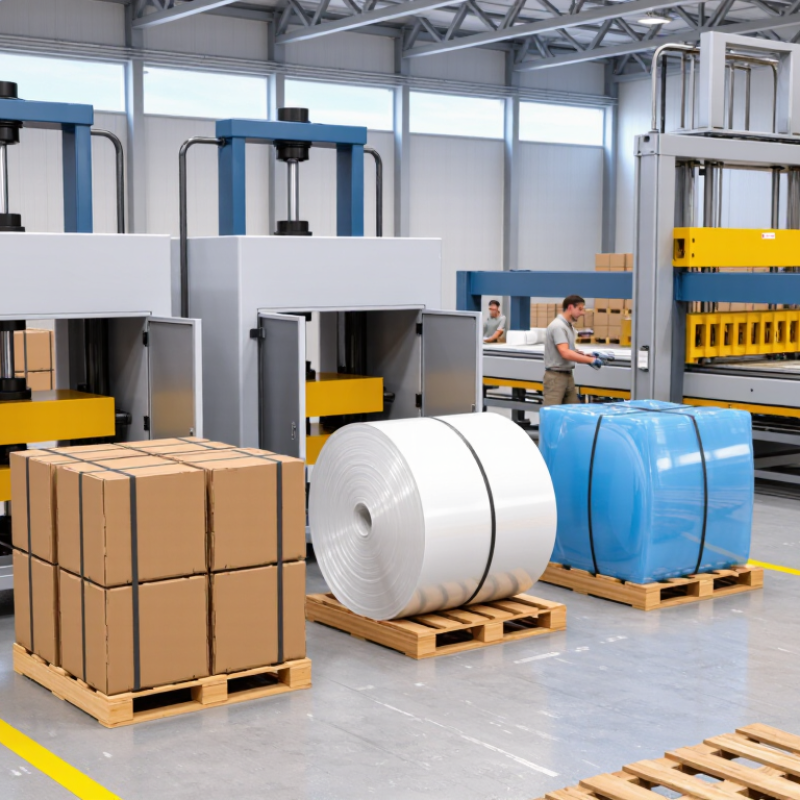
A bale compactor takes loose paper, cardboard, or plastic and compresses it into manageable blocks. Workers feed sorted material into a chamber, close the door, and apply hydraulic pressure. The resulting bale is tied with wire or strapping, then moved by forklift. Less air, less scatter, and more predictable storage. That is the practical change.

The U.S. EPA’s Advancing Sustainable Materials Management: Facts and Figures 2018 reported that 69.1 million tons of municipal solid waste were recycled or composted, a 32.1% recovery rate. That volume helps explain why efficient handling matters. Yet a compactor cannot fix contaminated loads. Food residue, mixed grades, or damp cardboard can weaken bales and reduce their value. A neat-looking bale may still conceal poor sorting.

Choosing equipment means matching chamber size, pressure, and loading method to the material and daily volume. Cardboard springs back; thin film can wrap around moving parts. Even a Wool Bale Press handles fibrous material differently from a paper compactor, so material-specific design matters. Watch a full shift before choosing: note how often staff load the chamber, where forklifts turn, and whether finished bales fit through the exit. Small details matter. And the first estimate may be wrong.

Vertical vs. Horizontal Balers: Comparing Common Designs and Applications

What Is the Best Bale Compactor for 2026?

Vertical and horizontal balers solve different workflow problems. A vertical baler uses less floor space and often suits shops, warehouses, and smaller recycling rooms. Staff load material through a front door, compress it, then tie the bale. Cardboard is common, while some machines can handle suitable plastics. Check the model’s material limits before use. Space matters.

A horizontal baler usually fits operations producing larger, steady volumes. A conveyor or feed opening can reduce repeated manual loading, but the machine needs more room and careful installation planning. Its larger bales may suit facilities with regular collection and enough storage space. Higher capacity is not automatically better; feeding, tying, and removing bales still take time.

The practical choice depends on daily material volume, available labor, bale handling, and service access. Measure doorways and ceiling clearance, not just the machine footprint. Ask operators how often they can safely feed and clear the equipment. A vertical unit may become a bottleneck during busy shifts, while a horizontal unit may sit underused when supply is inconsistent. The trade-off is not always tidy. Compare the full workflow, including collection schedules and the effort needed to move finished bales.

How Bale Size, Feed Opening, and Cycle Time Affect Throughput

A Bale Press Machine should be matched to the material and the pace of the site, not selected by rated output alone. Bale size affects storage, transport, and how often operators must handle finished bundles. Larger bales can reduce handling, but only if forklifts, doors, and loading areas can accommodate them. Measure the actual material first; estimated dimensions can be misleading.

The feed opening matters just as much. If cardboard sheets regularly catch at the edges, workers may need to trim or fold them before loading. That adds time. A wider opening can accept bulky material more easily, but it does not guarantee faster production if the chamber is too small or feeding is irregular. Check the largest typical load, not just a neat sample prepared for a demonstration.

Cycle time is only one part of throughput. Loading, tying, ejecting, and clearing jams all take minutes. A short press cycle may look impressive on paper, yet a slow bale-change routine can erase the gain during a busy shift. Track complete bale-to-bale time with your own material. I would repeat the test across several loads, because one smooth run proves very little. Real work is messier. Dust, uneven scraps, and operator breaks change the rhythm, so allow some margin rather than planning around perfect conditions.

Why Vertical-Baler Press Forces Commonly Range from 4 to 40 Tons

What Is the Best Bale Compactor for 2026?

Vertical baler press forces commonly range from 4 to 40 tons, but the largest rating is not automatically the best choice. A small shop handling cardboard boxes may get consistent results with a lower-force machine. A busy warehouse compressing dense, bulky loads may need more pressing force and a larger chamber. Match the rating to the material, daily volume, and space available. That matters. Force describes pressure applied by the ram, not how much material the machine can process in an hour. Bale size, loading time, and how easily finished bales can be removed also affect real-world output.

Check what the rating means on the machine’s specification sheet, and compare it with the materials you actually handle. Loose cardboard behaves differently from tightly packed paper or plastic film. Ask how the machine performs with your typical load, not just an ideal demonstration bale. More force can raise equipment and energy costs without solving slow loading or poor material preparation. It is easy to focus on one impressive number. I would treat the 4-to-40-ton range as a starting point, then check operating controls, access for maintenance, and the room needed to move bales safely. The right fit may be less powerful than expected.

How to Match Bale Compactor Capacity to Material and Daily Volume

The best bale compactor for 2026 is not necessarily the largest one. Match its rated capacity to the material’s density, bale size, and your real daily volume. Loose cardboard behaves differently from damp textiles or plastic film. If the feedstock varies, ask for performance figures under conditions similar to yours, not just an ideal test setup.

Estimate how many hours the machine will run, then allow time for loading, tying, and clearing jams. A unit that handles the average volume may struggle on busy days. Watch a trial cycle if possible. Note bale dimensions, cycle time, and how easily staff can load the chamber. The first estimate is often wrong, so revisit it after tracking a week of actual material.

A Silage Bale Wrapper serves a different purpose: it wraps forage bales, while a compactor reduces loose material into denser bundles. Don’t compare their capacities as if they were interchangeable.

A little spare capacity helps, but oversizing can waste floor space and energy.

Which Safety Requirements Apply: OSHA 1910.147 and 1910.212

For a bale compactor, safety depends on more than pressing force and bale size. OSHA 1910.212 requires guarding against hazards such as the ram’s point of operation, pinch points, and moving parts. The feed opening should prevent workers from reaching into the compression chamber during operation. Hands must stay clear. Guard design should suit the actual material and work process, not just look adequate on a drawing.

OSHA 1910.147 applies to controlling hazardous energy during servicing and certain jam-clearing tasks. Workers may need to isolate electrical and hydraulic power, release stored pressure, and verify the machine cannot start before work begins. An emergency stop is not a substitute for lockout/tagout. That distinction matters. When comparing compactors, check that energy-isolating devices are accessible and that the supplier provides clear instructions for safe maintenance. Procedures should identify who is authorized to apply locks and how zero energy is verified. A checklist can miss awkward access or a stubborn jam; observe the equipment in its working setting and review the procedure with employees who use it.

How to Compare 2026 Models by Cost, Service, and Site Requirements

What Is the Best Bale Compactor for 2026?

Compare each 2026 model against your actual materials, shift pattern, and available floor space—not just its purchase price. The United Nations Environment Programme’s 2024 Global Waste Management Outlook estimates that global municipal solid waste reached 2.1 billion tonnes in 2023. That scale makes efficient handling important, but it does not tell you which machine fits your site. A Press Compactor should match the material’s density and moisture, the bale size your transporter accepts, and the volume you produce on your busiest day.

Price the full service life. Request itemized costs for installation, power, scheduled maintenance, wear parts, and call-out service. Ask for documented cycle times under comparable loads; brochure figures may assume ideal conditions. Check local technician availability and typical response times. A low quote can become expensive when a jammed machine sits idle beside a loading bay. Small detail, big consequence. Confirm the floor’s load capacity, doorway clearance, electrical supply, and room to remove finished bales. The U.S. EPA’s Advancing Sustainable Materials Management report estimated 292.4 million tons of municipal solid waste in 2018, with 23.6% recycled or composted. Use such figures as context, not a forecast for your facility. Better still, weigh a week of your own material and test a sample bale before choosing. Weighing takes effort. Even so, estimates can miss seasonal peaks and awkward loads.

What Is the Best Bale Compactor for 2026?

A practical comparison framework for weighing cost, service, and site requirements.

These sample weights total 100% and are a starting point for comparing models, not market-survey results. Adjust them to reflect your operation, then compare supplier quotes, service coverage, throughput needs, and available floor space.

How the China NKY81-4000 Metal Baler Makes Scrap Management More Efficient

Bulky steel offcuts, discarded vehicle bodies and aluminum scrap are difficult to store and costly to move when left loose. A large metal baler compresses this material into dense, manageable bales, helping recycling facilities use yard space more effectively and load transport vehicles efficiently. The World Steel Association reports that recycling one tonne of steel can save about 1.5 tonnes of CO₂ emissions, 1.4 tonnes of iron ore and 0.74 tonnes of coal compared with producing steel from raw materials. Efficient scrap preparation can therefore support both smoother material handling and greater use of recycled metal.

Designed for large-volume processing, this baler offers a stated capacity range of 1–10 tonnes per hour and baling forces across ten grades from 100 to 400 tonnes. This range allows operators to select a configuration suited to their material mix and throughput requirements. By reducing scrap volume before storage or shipment, the machine can help lower handling demands and make transportation more economical. Its robust construction is intended for regular industrial use, while the choice of force grades accommodates different scrap sizes and compression needs.

FAQS

What does a bale compactor do?

It presses loose paper, cardboard, or plastic into dense bundles. Workers tie each bale before moving it. Less scatter.

Can a compactor fix contaminated material?

No. Food residue, mixed grades, or damp cardboard can weaken bales. A tidy bale can still hide poor sorting.

How should I choose the right capacity?

Match capacity to material type, bale size, and actual daily volume. Allow time for loading, tying, and clearing jams. My first estimate might be wrong.

Why does the feed opening matter?

Large cardboard sheets can catch at narrow edges. Check the biggest typical load, not a neatly prepared sample.

Does a short cycle time guarantee higher output?

Not by itself. Loading, tying, bale removal, and jams also take time. Track complete bale-to-bale time.

What should I check during a trial?

Record bale dimensions and cycle time. Watch staff load the chamber and move finished bales. One smooth run proves little.

Can one machine handle every material equally well?

No. Cardboard can spring back, while thin plastic film may wrap around moving parts. Material-specific design matters.

What site details should I measure?

Check door widths, forklift turns, and the route out of the work area. A large bale is useless if it cannot pass through.

Should I buy extra capacity?

Some spare capacity helps on busy days. Too much can waste floor space and energy. Small details matter.

Conclusion

Choosing the best Bale Compactor for 2026 starts with understanding how it turns loose recyclables into compact, manageable bales. Vertical balers are often suited to lower-volume operations with limited floor space, while horizontal balers can support higher throughput and continuous processing. The right choice depends on the materials being handled, daily volume, available labor, and site layout. Bale dimensions, feed-opening size, and cycle time all influence how efficiently material can be processed, so these specifications should match the operation’s actual needs.

Press force is another key consideration: vertical-baler models commonly range from 4 to 40 tons, but more force is not automatically better. Compare capacity alongside material type, bale weight, operating costs, service availability, and installation requirements. Before selecting equipment, also review applicable safety requirements, including OSHA 1910.147 and 1910.212, and ensure the planned setup supports safe operation and maintenance.
Sophia

Sophia

Sophia is a skilled marketing professional with a deep-seated expertise in the field of advanced hydraulic balers and environmental protection machinery. With a strong background in the industry, she plays a pivotal role in communicating the innovative solutions offered by her company, which has......
Previous 2026 Top Wood Board Baler Types for Global Buyers