Choosing the right metal baler isn’t just about picking the fanciest-looking machine – it’s a practical decision that matters for recyclers, manufacturers, and scrap processors everywhere. The key thing is making sure the machine you pick fits your material type, daily volume, workspace, and labor setup. For example, a baler designed for light aluminum cans isn’t going to work well with heavy steel sections. Little details like these really add up.
Getting started on a smart choice means gathering real-world operating info. Think about how much metal you process daily, the size of pieces you handle, how much moisture is involved, and the size you need for the bales. Take a close look at the motor size, compression strength, chamber dimensions, cycle speed, feeding setup, and how easy it is to do maintenance. If your shop doesn’t have much overhead clearance, you’ll need a different setup compared to a big automated recycling plant. And don’t forget to check safety features—things like guards, emergency stops, noise levels, and what kind of training your team will need. These little safety bits keep everyone protected and help things run smoothly.
There’s no one-size-fits-all answer here. Forgetting that is totally common.
If you’re experienced, you’ll want to look beyond just glossy catalogs and shiny specs—you should dig into actual performance data. Ask your suppliers for test results, maintenance history, spare parts availability, and even references from similar operations. Big names like Harris, Sierra International Machinery, and Advance Hydraulics can give you some good benchmarks, but don’t rely on brand reputation alone; you’ve gotta do your homework. Things like local electrical standards, shipping, installation support, and safety rules are also super important. Sometimes a machine that looks cheap upfront could end up costing a ton in repairs if seals, hoses, or control parts are a nightmare to replace. Even the most seasoned teams tend to underestimate how much maintenance is needed over time.
In the end, choosing the right metal baler is about balancing productivity, durability, safety, cost-of-ownership, and your recycling goals. The best machine for you is the one that performs reliably in your actual daily operations — not just the one that looks good on paper.
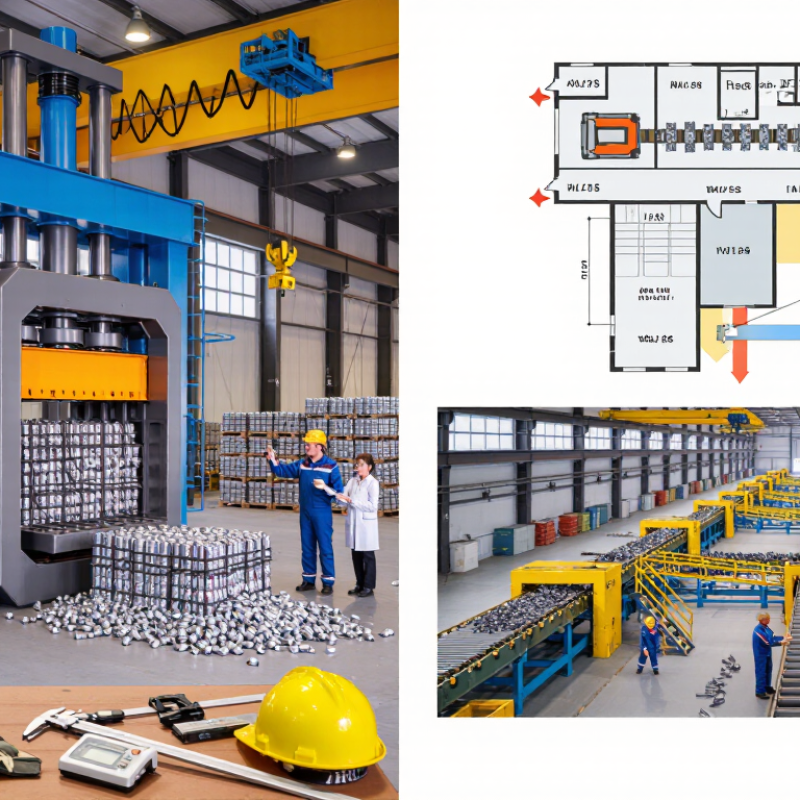
A Metal Waste Baler compresses loose steel, aluminum, and other recyclable metals into dense, manageable bales. It uses hydraulic cylinders, a compression chamber, and a controlled tying or ejecting system. The process is straightforward. Operators load prepared scrap into the chamber. A hydraulic ram then applies force from several directions, reducing volume and forming a stable block.
In an active recycling yard, the material rarely arrives clean. Wires, plates, cans, and oily fragments may appear together. Therefore, buyers should examine chamber size, ram pressure, cycle time, and safety controls. World Steel Association data reports that more than 650 million tonnes of steel are recycled globally each year. This scale increases demand for reliable baling equipment. A suitable Metal Waste Baler can lower storage space and transport costs, but only when its design matches the feedstock.
Bales must remain dense during handling. That requires consistent pressure and accurate binding. The U.S. Environmental Protection Agency’s Sustainable Materials Management reports emphasize the value of improving material recovery and reducing waste sent to disposal. Yet catalogue capacity can mislead. Real sites are messier than brochures. Wet scrap, oversized pieces, and irregular loading can slow production. Buyers should request performance tests using their own materials, not sample metal alone. Noise, maintenance access, power consumption, and operator training also deserve practical inspection. A perfect cycle rate is rarely achieved. That is worth remembering.
Choosing a metal baler starts with the material, not the machine’s advertised capacity. Steel, aluminum, copper, and mixed scrap behave differently under pressure. Steel needs strong compression and durable wear parts. Aluminum usually requires careful control to prevent excessive deformation. Copper may need cleaner handling to protect its resale value.
Measure your daily volume in actual operating conditions. Record the busiest shift, not just the weekly average. A small recycling yard may need a compact horizontal baler with flexible loading. A large processor may require automatic feeding and continuous cycles.
Bale size also matters. Dense steel bales save storage space, while lighter aluminum bales may need different pressure settings. Moisture, paint, insulation, and attached plastics can change the result.
Watch the finished bale closely. It should hold its shape during lifting and transport. Loose edges often indicate poor material preparation or unsuitable compression force. Experienced operators check noise, vibration, cycle time, and hydraulic temperature every day. Small changes can reveal wear before a costly stoppage.
Some buyers focus too much on motor power. That is an easy mistake. Service access, operator training, spare parts, and local technical support may matter more.
I would also test representative scrap before ordering. Clean samples can make a machine look better than it performs. Real yard material is rarely so cooperative.
How to Choose the Best Metal Baler for Global Buyers?
Capacity should follow real production volume, not the largest number on a specification sheet. If your facility handles 3 tonnes daily across eight hours, the average load is 375 kilograms per hour. A practical selection may require 450–500 kilograms per hour. This reserve covers loading gaps, material changes, tying, and routine cleaning. The Institute of Scrap Recycling Industries reports that U.S. recyclers process about 130 million metric tonnes of recyclable material each year. Such scale shows why measured throughput matters more than marketing claims.
Bale size must match transport, storage, and downstream furnace requirements. A 600 × 800 millimeter bale may fit common handling systems, while a taller bale can reduce container efficiency. Density also changes with feedstock. Loose turnings, punched steel, and mixed offcuts behave differently. For a Metal Shaving Baler, confirm chamber volume, briquette density, and oil separation performance through a material trial. Small details matter.
One weak assumption is trusting rated capacity alone. Actual output can fall by 20% or more when operators feed uneven pieces. The World Steel Association reports roughly 680 million tonnes of steel recycled annually, but global facilities rarely share identical conditions. Measure hourly input, bale weight, cycle time, and rejection rates for several shifts. Leave space for growth, but avoid buying excessive capacity. Bigger is not always better. A trial may expose the mistake.
How to Choose the Best Metal Baler for Global Buyers?
Which Technical Features Affect Performance and Energy Efficiency?
A metal baler’s motor and hydraulic system directly affect output, electricity use, and operating stability. Choose a variable-displacement pump when possible. It supplies pressure according to demand, reducing wasted power during idle cycles. A properly sized motor also prevents overheating and unnecessary energy consumption. Bigger is not always better.
The chamber design controls bale density and feeding speed. A reinforced chamber handles heavy scrap with less deformation over time. Adjustable compression settings help operators process different metal types safely. Shorter cycle times can improve productivity, but extreme speed may increase wear. Check the full cycle, not only the advertised pressing time. Reliable sensors, overload protection, and a clear control panel support safer operation and fewer interruptions. Remote monitoring can help, although poor network access may limit its value.
Tips: Ask for measured power consumption during typical production, not only peak ratings. Compare bale density, cycle time, noise levels, and maintenance intervals. Confirm voltage compatibility, safety certification, spare-parts access, and technical support in your region. Inspect weld quality and hydraulic seals carefully. Small weaknesses become expensive under daily pressure. A trial with your actual metal feedstock is useful, yet results may change with moisture, shape, and operator habits. Keep those variables documented before making a final decision.
| Technical Feature | Typical Specification or Range | Effect on Baling Performance | Effect on Energy Efficiency and Operating Cost | What Global Buyers Should Check |
|---|---|---|---|---|
| Baler Configuration | Vertical, horizontal, two-ram, or shear-baler configuration | Vertical units suit lower-volume operations, while horizontal and two-ram systems support continuous, higher-volume processing. Shear balers can process bulky and heavier scrap. | Selecting a machine matched to material volume prevents oversized equipment from consuming unnecessary standby and operating power. | Match the configuration to daily scrap volume, material size, available floor space, and loading method. |
| Hydraulic Press Force | Approximately 30–2,000 tonnes, depending on machine type and application | Higher force generally allows denser bales and better processing of thick, rigid, or mixed metal scrap. | Excessive press force can increase installed power and hydraulic losses without improving results for light-gauge scrap. | Choose force according to the maximum material thickness and target bale density, not force alone. |
| Chamber or Box Size | Common chamber volumes range from roughly 0.5 m³ to more than 10 m³ | A correctly sized chamber improves filling efficiency, bale consistency, and throughput. An undersized chamber may require more loading cycles. | Efficient chamber utilization reduces idle hydraulic cycles and handling time per tonne of finished bales. | Check chamber dimensions against the largest scrap pieces and the loading equipment used on site. |
| Bale Dimensions | Common finished bale sizes range from approximately 200 × 200 mm to 1,200 × 1,200 mm | Bale size affects density, stacking stability, transport efficiency, and compatibility with downstream melting or feeding systems. | Optimized bale dimensions can increase truck or container utilization and reduce transport energy per tonne. | Confirm size requirements with recyclers, steel mills, container operators, and local transport regulations. |
| Throughput Capacity | Approximately 1–60 tonnes per hour, depending on material, loading, bale size, and cycle time | Higher throughput reduces queues and labor pressure, but actual output is limited by feeding, sorting, tying, and discharge operations. | The most efficient machine is normally one operating near its designed working range rather than at constant overload or low utilization. | Request tested throughput for the buyer's actual material mix instead of relying only on the maximum rated value. |
| Main Motor Power | Approximately 15–400 kW, depending on press force, cycle time, and machine configuration | Motor power influences hydraulic flow, cycle speed, recovery time, and the ability to maintain pressure under load. | A properly sized motor avoids low-load inefficiency and reduces demand peaks. Motor power alone does not determine energy consumption. | Compare motor power with tonnes per hour, cycle time, and measured energy use per tonne. |
| Hydraulic System Design | Single or multi-pump hydraulic circuits with pressure relief, filtration, and oil cooling | Multi-pump systems can provide fast approach movement and high pressing force when required, improving cycle productivity. | Load-sensing pumps, variable-displacement pumps, and efficient valve control can reduce throttling losses and heat generation. | Check pump type, operating pressure, filtration grade, cooling method, and availability of replacement components. |
| Drive and Motor Control | Direct-on-line starting or variable-frequency drive control; soft-start systems are also used | Controlled starting and adjustable speed can improve cycle control, reduce mechanical shock, and support smoother operation. | Variable-frequency drives can reduce starting current and adjust motor speed to demand, particularly during partial-load operation. | Verify compatibility with local voltage, frequency, electrical standards, and available service expertise. |
| Cycle Time | Approximately 20–120 seconds per pressing cycle, depending on design and material | Shorter cycles can increase output, provided the feeding and discharge systems can keep pace. | A shorter cycle is not automatically more efficient; unnecessary rapid movement may increase peak power and hydraulic losses. | Compare complete cycle time, including loading, compression, tying, opening, and bale discharge. |
| Bale Density | Often approximately 300–1,500 kg/m³, depending on scrap type and compaction method | Higher density improves storage and transport efficiency but may require greater force and more robust chamber construction. | Higher density can reduce transport energy per tonne, although excessive compaction may increase machine energy use and wear. | Set the target density according to scrap type, downstream processor requirements, and transport economics. |
| Material Compatibility | Light-gauge steel, aluminum, copper, tinplate, mixed non-ferrous scrap, and prepared heavy scrap | Material hardness, shape, moisture, and contamination directly affect loading, compression, wear, and bale quality. | Processing material outside the recommended range can cause jams, repeated cycles, higher wear, and avoidable energy consumption. | Provide representative samples or a documented material profile before final machine selection. |
| Automatic Feeding and Ejection | Manual loading, conveyor feeding, grab loading, automatic door operation, and automatic bale ejection | Automation can increase utilization, reduce interruptions, and improve consistent chamber filling. | Consistent feeding minimizes idle time and incomplete cycles, reducing energy consumed per finished tonne. | Evaluate integration with conveyors, magnets, shredders, cranes, forklifts, and existing control systems. |
| Control and Monitoring | PLC control, touch-screen HMI, cycle counters, pressure monitoring, alarm records, and remote diagnostics | Real-time monitoring helps maintain repeatable bale quality and enables faster identification of abnormal conditions. | Data on cycle time, pressure, downtime, and energy use supports preventive adjustments and performance optimization. | Confirm language options, data export, remote-support requirements, and cybersecurity procedures. |
| Energy Consumption | Commonly evaluated in kWh per tonne; actual values vary significantly by material, density, and utilization | Energy data provides a more useful comparison than motor rating alone because it reflects real operating conditions. | Lower kWh per tonne generally indicates better system matching, but test conditions must be identical for a fair comparison. | Request measured kWh per tonne under a defined material type, bale density, throughput, and duty cycle. |
| Structural Strength and Wear Protection | Reinforced chamber, replaceable wear plates, abrasion-resistant liners, and protected hydraulic components | Robust construction maintains chamber alignment and bale consistency when processing abrasive or irregular scrap. | Durable wear parts reduce unplanned downtime, leakage, rework, and energy wasted during repeated or interrupted cycles. | Check wear-plate thickness, material grade, replacement procedure, and expected service intervals. |
| Safety Systems | Emergency stops, guarded access points, door interlocks, pressure protection, and safety-rated control circuits | Reliable safety systems support stable operation and reduce stoppages caused by unsafe access or uncontrolled movement. | Preventing accidents and equipment damage avoids costly downtime and inefficient restart cycles. | Verify conformity with applicable regional machinery, electrical, and occupational safety requirements. |
| Maintenance Accessibility | Accessible filters, lubrication points, inspection covers, hydraulic connections, and diagnostic interfaces | Fast routine maintenance helps keep cycle time, pressure stability, and bale quality within the intended range. | Clean filters, correct oil temperature, and proper lubrication reduce hydraulic and mechanical losses. | Review maintenance intervals, recommended consumables, service access, and spare-parts lead times. |
| Power Supply and Installation | Three-phase industrial power; voltage and frequency must be configured for the destination market | Correct electrical sizing prevents nuisance trips, voltage drops, unstable motor performance, and commissioning delays. | Correctly sized cables, transformers, and power-factor equipment help minimize electrical losses. | Confirm local voltage, frequency, short-circuit capacity, grounding rules, transformer needs, and customs documentation. |
| Total Cost of Ownership | Purchase price plus installation, labor, electricity, hydraulic oil, wear parts, maintenance, and logistics | A lower initial price may be offset by lower throughput, more downtime, or limited support. | Total cost per tonne is a stronger buying metric than equipment price or motor power alone. | Compare lifetime cost using expected annual tonnes, electricity price, labor cost, maintenance, and resale or disposal value. |
When evaluating a Big Size Metal Baler, safety should be observed, not merely listed in a brochure. Check fixed guards, interlocked doors, emergency stops, and clear access around the compression chamber. Ask operators to demonstrate a normal loading cycle. Their hand position often reveals risks that specifications miss. Watch the machine during start-up. Excessive vibration, sharp hydraulic noise, or unstable feeding deserves investigation. A safety assessment should also consider training, lockout procedures, lighting, and floor strength at the installation site.
Maintenance affects both uptime and worker confidence. Inspect whether filters, hoses, sensors, and cutting components are reachable without awkward climbing. Request a written service schedule with lubrication points, inspection intervals, and recommended replacement parts. Ask how quickly common components can be supplied to your destination. A cheap machine becomes expensive when one damaged hose stops production for weeks. Keep daily records of cycle counts, oil temperature, leaks, and unusual sounds. These small notes can expose gradual failures early.
For long-term operating costs, calculate more than purchase price. Compare electricity per cycle, labor requirements, consumable use, planned downtime, and expected repair frequency. Use your actual material mix and daily volume, not an ideal factory sample. Ask for test data, but verify it under controlled conditions. I would also budget for mistakes. Operators may overload the chamber, and maintenance may be delayed during busy periods. That is not perfect planning, but it reflects real production. Review local electrical requirements and applicable workplace rules before installation.
Choosing a metal baler for international use starts with the supplier, not the machine’s paint. Ask for verifiable factory records, engineering qualifications, and recent export references. A reliable supplier should explain chamber size, bale density, cycle time, motor rating, and maintenance access clearly. Request test videos using scrap similar to yours, including steel, aluminum, or coated sheet. Better still, witness a factory trial before payment. Details matter.
For a Vertical Metal Baler, confirm that guards, emergency stops, electrical cabinets, and hydraulic components meet the destination’s required standards. Ask for conformity documents, risk assessments, wiring diagrams, and manuals in a usable language. Certificates alone are not enough. Document numbers should match the exact model. Check whether the supplier can provide spare seals, filters, and trained service support. Attractive paperwork can still hide unclear responsibilities. Check twice.
Delivery terms should state packaging, loading photos, insurance responsibility, port handling, and procedures for damaged parts. Confirm voltage and frequency before production, not after arrival. A written schedule should include factory testing, dispatch, customs documents, and expected transit time. Ask who responds when a sensor fails on a weekend. Remote commissioning may reduce delays, but weak internet or language gaps can complicate training. Leave room for inspection. Optimistic dates sometimes become expensive lessons.
What should global buyers check in suppliers, compliance, and delivery?
This suggested procurement framework allocates the buyer’s review effort across the most important purchasing factors: machine performance, safety and regulatory compliance, delivery reliability, after-sales support, and total cost. Buyers should verify technical documents, applicable market requirements, production capacity, spare-parts availability, warranty terms, and landed cost before placing an order.
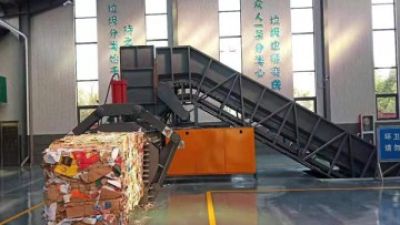
The NKW60Q small horizontal fully automatic baler is designed for factories in China that need reliable waste recycling performance without sacrificing valuable floor space. Its compact horizontal structure supports organized material handling, while automatic feeding, compression, tying, and bale discharge can reduce manual intervention and improve workflow consistency. This is increasingly important as waste volumes continue to rise: the World Bank’s *What a Waste 2.0* report estimates that global municipal solid waste generation could increase from approximately 2.01 billion tonnes in 2016 to 3.40 billion tonnes by 2050.
With a strong processing capacity and durable construction, the NKW60Q is suitable for recyclable materials such as cardboard, paper, plastic film, and other compliant industrial packaging waste. Consistent compression helps create uniform bales that are easier to store, transport, and handle, allowing facilities to use warehouse space more efficiently. The United Nations Environment Programme’s *Global Waste Management Outlook 2024* reports that municipal solid waste generation reached about 2.1 billion tonnes annually and could approach 3.8 billion tonnes by 2050 without improved prevention, collection, and recycling systems. In this context, a fully automatic baler can support more dependable waste-processing routines, reduce operational interruptions, and help factories maintain stable bale quality during extended production cycles.
Start with the material, not advertised capacity. Steel needs strong compression and durable wear parts. Aluminum needs controlled pressure. Copper requires careful handling to protect resale value. Mixed scrap may need adjustable settings. Test real yard material before ordering.
Measure actual hourly production during the busiest shift. For three tonnes over eight hours, average input is 375 kilograms hourly. A practical target may reach 450–500 kilograms hourly. This reserve covers loading gaps, tying, cleaning, and material changes. Do not trust the largest specification number alone.
Bale dimensions affect storage, transport, lifting, and downstream furnace use. A 600 × 800 millimeter bale may fit common handling systems. Taller bales can reduce container efficiency. Dense steel bales save space. Lighter aluminum bales may require different pressure settings.
Use representative scrap, including moisture, paint, insulation, and attached plastics. Check bale weight, density, shape, cycle time, and rejection rates. Observe loose edges after lifting. Clean samples can produce misleading results. Real scrap is less cooperative.
The bale should hold its shape during lifting and transport. Loose edges may indicate poor preparation or unsuitable compression force. Check whether pieces remain securely contained. Lift several bales, not just one. One successful bale proves very little.
Check fixed guards, interlocked doors, emergency stops, and clear chamber access. Watch operators perform a normal loading cycle. Their hand positions may reveal hidden risks. Inspect lighting, floor strength, and installation space. Safety features are useless when workers bypass them.
Filters, hoses, sensors, and cutting parts should be easy to reach. Request lubrication points and inspection intervals in writing. Keep daily records of oil temperature, leaks, vibration, and unusual sounds. Small changes can signal wear early. Maintenance records are boring but valuable.
Compare electricity, labor, consumables, downtime, and repair frequency. Use your actual material mix and production volume. Ask how quickly replacement parts can reach your facility. A low purchase price may hide expensive delays. Budget for mistakes too.
Confirm local electrical requirements before delivery. Check workplace rules and available technical support. Measure the floor’s strength and machine access route. Confirm operator training and lockout procedures. The plan may still fail if site conditions are guessed.
Choosing the best Metal Baler requires a clear understanding of your recycling materials, operating conditions, and production goals. A metal baler compresses loose scrap into compact bales, making storage, handling, and transportation more efficient. Buyers should first consider the types of metal being processed, including their size, thickness, shape, and contamination level. Capacity, chamber dimensions, bale size, and production volume must be matched carefully to avoid underuse, bottlenecks, or excessive energy consumption. Features such as hydraulic power, automation, control systems, cycle speed, and energy efficiency can significantly influence daily performance and operating costs.
Long-term value also depends on safety design, ease of maintenance, spare-parts availability, and reliable technical support. Global buyers should assess supplier experience, equipment quality, documentation, warranty terms, installation assistance, and delivery capabilities. It is equally important to confirm that the machine meets applicable safety, electrical, environmental, and import requirements in the destination market. By evaluating performance, total ownership cost, compliance, and after-sales support together, buyers can select a baler that remains productive, safe, and dependable over time.