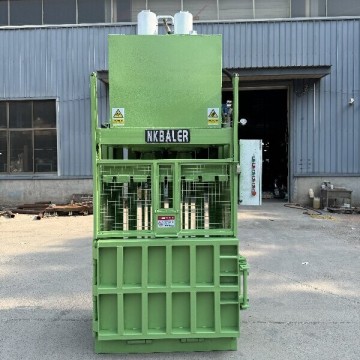
 NK1070T60 Medium Double-cylinder Vertical Baler
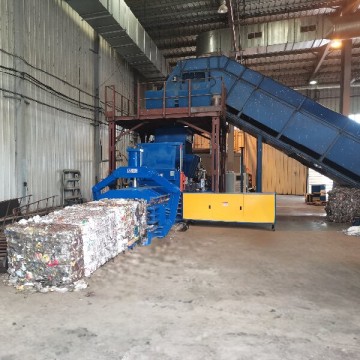 NKW125QT Horizontal Automatic Tie Baler with Lifting Door
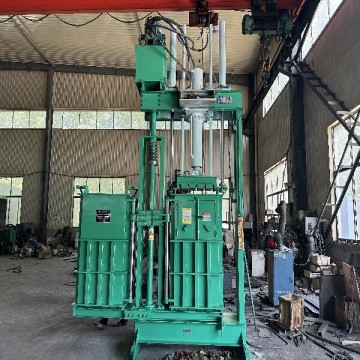 NK-T60L Two Chambers Clothes Baler
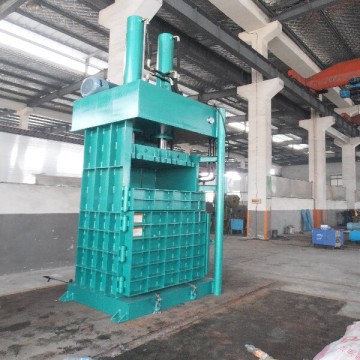 NK070T100 Medium Double-cylinder Vertical Baler
Industrial Cardboard Balers and Construction Site Waste: Market Landscape and Trends
Construction sites generate enormous volumes of various types of waste including cardboard packaging from materials, pallets, boxes, and other corrugated materials used during construction phases. Efficient waste management onsite is critical for reducing disposal costs, enhancing sustainability, and ensuring compliance with environmental regulations.
Industrial cardboard balers have become pivotal in construction waste management by compressing large amounts of cardboard into dense, manageable bales. This process dramatically reduces the volume of landfill waste, lowers transportation expenses, and promotes recycling initiatives. With urban development and infrastructure projects expanding worldwide, the demand for durable, high-capacity balers tailored for construction environments is steadily increasing.
Recent industry developments indicate smart automation and IoT integration as future directions. Modern balers now come equipped with sensors and remote monitoring capabilities, optimizing operation efficiency and predictive maintenance, reducing downtime, and lowering labor costs. These advances contribute to making construction waste management more sustainable and economically viable.
Deeper Applications of Industrial Cardboard Balers in Construction
Beyond simply compacting cardboard, many construction sites use balers that handle mixed recyclable waste like plastics, metals, textiles, and wood straws to streamline sorting processes. These multi-material balers help integrate waste management into the overall construction workflow, improving onsite cleanliness and safety.
Large vertical double-cylinder balers, such as the NK1070T60, provide robust performance in tight spaces typical on construction sites. Their high compression force ensures dense bales that meet transportation and recycling facility requirements, accelerating recycling throughput. Some models feature lifters and conveyor integration, enabling semi- or fully-automated waste handling approaches.
Additionally, innovative solutions in baler design optimize energy usage and hydraulic system efficiency, addressing sustainability goals commonplace in modern green building certifications. This positions industrial cardboard balers as an essential element in the circular economy within construction, minimizing resource waste and maximizing material reuse.
Commercial and Industrial Insights
Companies specializing in construction waste recycling solutions increasingly partner with baler manufacturers like NICKBALER to customize machines that fit project-specific waste volumes and types. Offering flexible bale sizes and automated tie systems, these balers reduce manual labor while improving consistency and throughput.
With government regulations tightening around construction waste disposal and landfill caps, the economic benefits of balers have become more tangible. Besides reducing waste disposal tariffs, efficient baling can help projects qualify for tax credits and incentives related to environmental responsibility.
The global baler market size for construction waste is projected to grow at a compound annual growth rate (CAGR) exceeding 7% in the next five years, driven by infrastructure investments especially in Asia-Pacific and North America. Increasing awareness among construction companies about sustainability also boosts industry adoption.


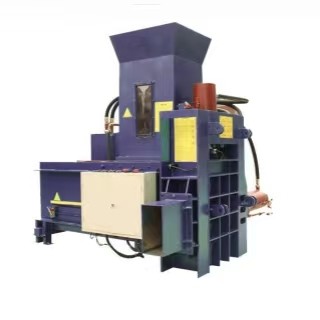 NKB180 Wheat Straw Baler Machine
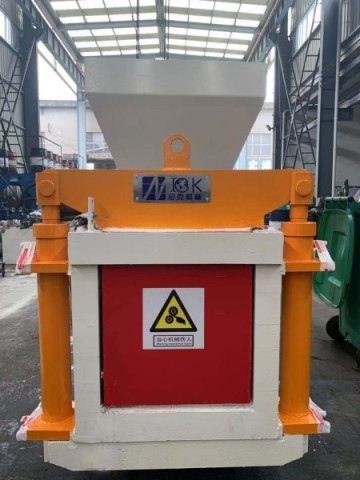 NKB250 Sawdust Baler Machine
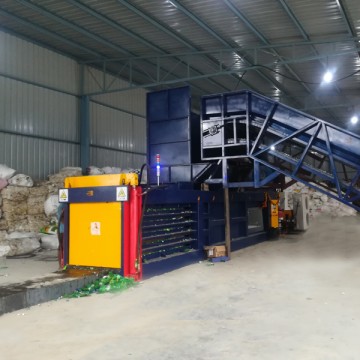 NKW180BD Large Size Horizontal Semi-Automatic Baler
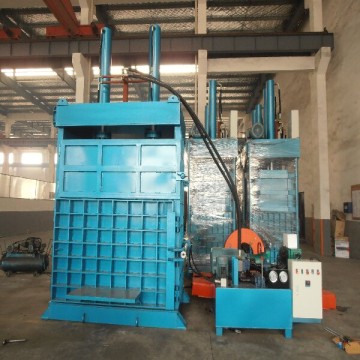 NKOT150 OTR Tire Baler Machine