
Leave Your Message
Purpose-built baling machines designed to handle PCB offcuts, cable scrap, metal housings, and mixed electronic waste with maximum compression efficiency.
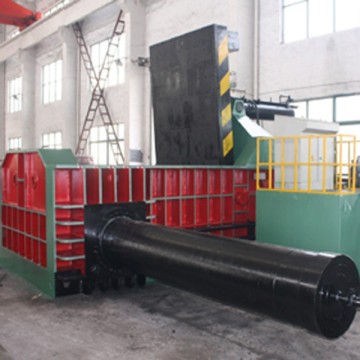
NKY81-1000 Small Size Scrap Metal Baler — Electronics Scrap Aluminum & Housing Compression
View Details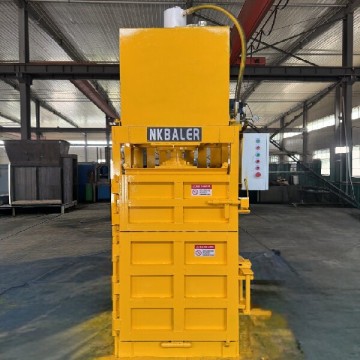
NK8060T30 Small-Sized Vertical Hydraulic Baling Machine — Efficient Electronics Waste Recycling
View Details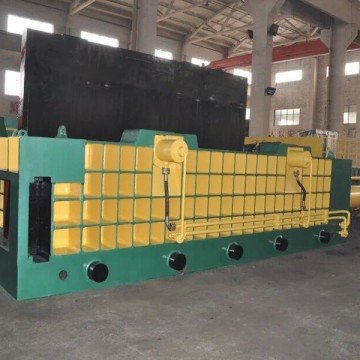
NKY81-1350 Small Size Scrap Metal Baler — Electronics PCB & Metal Frame Baling Solution
View Details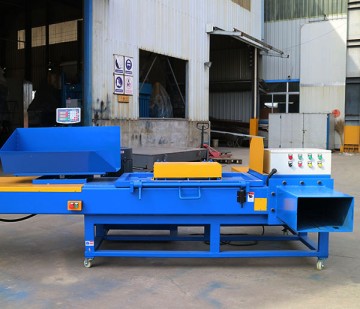
NKB15 Baler Machine — Electronics Packaging Fabric & Foam Compression and Bagging Solution
View DetailsThe global electronics manufacturing sector generates millions of tonnes of industrial waste annually — from metal chassis and PCB offcuts to plastic packaging, cable insulation, and chemical-laced materials. As production volumes surge with the proliferation of smartphones, EVs, IoT devices, and consumer electronics, the pressure on factories to manage waste responsibly has never been greater.
Regulatory frameworks such as the EU's WEEE Directive, China's Circular Economy Promotion Law, and EPA guidelines in the United States mandate that electronics manufacturers implement structured waste reduction and recycling programs. Hydraulic balers have emerged as a cornerstone technology in meeting these obligations — compressing loose scrap into dense, transport-ready bales that reduce logistics costs and maximize material recovery value.
The intersection of Industry 4.0, green manufacturing mandates, and circular economy principles is reshaping how hydraulic balers are designed, deployed, and integrated within electronics factories worldwide.
Next-generation hydraulic balers are integrating AI-powered sensors and conveyor sorting systems that automatically identify and segregate ferrous metals, aluminum, copper, and plastics before baling. This reduces contamination, increases bale purity, and maximizes downstream recycler payout — critical in electronics factories where material streams are highly mixed.
Major electronics OEMs including Foxconn, Samsung, and Apple have committed to net-zero manufacturing by 2030–2050. Hydraulic balers play a direct role by diverting waste from landfill, reducing transport emissions through volume compression, and enabling closed-loop material flows. Energy-efficient variable-frequency drive (VFD) motors are now standard in premium baler designs.
Modern balers are equipped with IoT modules that transmit real-time operational data — cycle counts, pressure readings, hydraulic oil temperature, and motor load — to cloud dashboards. Factory managers receive predictive maintenance alerts before failures occur, minimizing unplanned downtime in high-throughput electronics production environments.
Electronics scrap contains recoverable gold, silver, palladium, and rare earth elements. High-pressure hydraulic balers (200–600 tonnes) are being deployed specifically to create ultra-dense bales from PCB assemblies and connector strips, making smelting and hydrometallurgical recovery processes more economical and reducing material handling costs.
Electronics factories vary enormously in scale — from SME contract manufacturers to mega-factories employing 100,000+ workers. The trend toward modular baler configurations allows facilities to start with a single vertical baler and scale to fully automated horizontal baling lines with conveyors, shredders, and auto-tie systems as waste volumes grow.
Extended Producer Responsibility (EPR) regulations are expanding globally, requiring electronics brands to fund and document end-of-life material flows. This is creating a new wave of procurement for certified baling equipment that generates verifiable waste-processing records, driving demand for balers with integrated data logging and compliance reporting capabilities.
From SMT assembly floors to large-scale EV battery manufacturing, hydraulic balers are deployed across every tier of the electronics supply chain. Here's how specific waste streams are being addressed.
Unlike single-material industries, electronics manufacturing produces a complex mix of metals, plastics, films, foams, cables, and chemical packaging — each requiring tailored baling or compression approaches. A well-configured hydraulic baler system can consolidate up to 90% of these streams into recoverable bales.
CNC machining and stamping operations in electronics factories generate large volumes of aluminum, steel, and copper offcuts. Vertical and horizontal metal balers compress these loose scraps into uniform bales of 30–500 kg, dramatically reducing storage footprint and enabling direct sale to metal recyclers at premium per-tonne rates.
Defective PCBs, solder dross, and rejected electronic assemblies contain recoverable precious metals. Hydraulic balers with adjustable pressure settings gently compress these fragile materials into dense bales without pulverizing them, preserving material integrity for downstream smelters and precious metal recovery specialists.
Electronics components arrive in vast quantities of corrugated cardboard, EPE foam inserts, and stretch-wrapped pallets. High-throughput horizontal balers with auto-tie systems process these lightweight but voluminous materials at rates of 2–8 tonnes per hour, converting packaging waste into marketable bales that generate revenue rather than disposal costs.
Wire harness assembly lines and cable manufacturing departments generate significant trim waste — copper-core cables, insulation sleeves, and connector housings. Specialized balers with pre-shredder attachments first reduce cable bundles then compress them into compact bales, increasing copper recovery efficiency by up to 35% compared to loose collection.
The explosive growth of electric vehicle production has created new baling challenges: electrode foil scrap, separator films, electrolyte-contaminated packaging, and aluminum battery casing offcuts. Purpose-configured hydraulic balers with sealed chambers and chemical-resistant linings safely handle these materials, ensuring compliance with hazardous waste regulations.
Injection molding departments in electronics factories produce runners, sprues, and rejected plastic housings in ABS, PC, and PP. PET bottle balers and plastic-specific hydraulic presses compress these materials into dense bales that can be directly fed back to plastics recyclers, supporting closed-loop manufacturing and reducing virgin material procurement costs.
Semiconductor and display panel manufacturing facilities use specialized anti-static bags, clean room wipes, and protective films in enormous quantities. Dedicated baling stations installed at clean room exit points compact this low-density waste before it enters general waste streams, reducing clean room contamination risk and cutting waste disposal costs significantly.
Electronics manufacturers operating take-back programs or refurbishment lines generate mixed material streams from disassembled products. Integrated baling systems with conveyor feeds and automatic material segregation allow these facilities to simultaneously process metal, plastic, and glass components — maximizing recovery value from end-of-life electronics at scale.
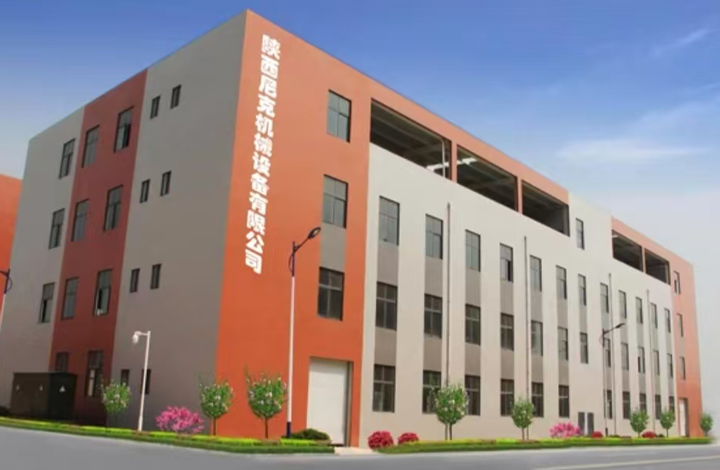

NICKBALER is a leading manufacturer and distributor of advanced hydraulic balers and environmental protection machinery. Established in 2006, the company specializes in designing, developing, producing, and selling packaging and baling equipment tailored to industries worldwide. With over 80–90% of its products exported to more than 60 countries, including North America, Europe, Asia, and the Middle East, NICKBALER has become a trusted name in waste recycling and baling solutions.
Welcome To Learn About Our Company
Our product line includes horizontal and vertical balers, hydraulic baling presses, PET bottle balers, metal compressors, shredders, and various auxiliary equipment, making us a one-stop solution for industries like agriculture, recycling, manufacturing, packaging, and waste management. Our machinery is inspired by German, European, and American technology, ensuring high quality and innovation in every product.

NICKBALER prides itself on a strict quality management system and a dedicated team of over 50 skilled employees, including 10 technical experts. We provide integrated services that span pre-sales consultation, customized design, production, and exceptional after-sales support. With established after-sales service centers in India, Dubai, Australia, and the United States, we ensure our global clients receive fast and reliable support wherever they are.

The company is committed to "maximizing customer benefits" through efficient, safe, and cost-effective solutions for handling waste paper, plastic, metal, textiles, agricultural waste, and more. Our advanced technology, coupled with rich R&D experience, allows us to provide customized solutions for diverse industries such as food, pharmaceuticals, packaging, chemicals, electronics, and waste treatment.
At NICKBALER, we believe in creating sustainable, environmentally friendly solutions that drive innovation and efficiency for businesses worldwide. Let us help you streamline your waste management and recycling operations with our high-quality baling machines and systems.
Contact Us Now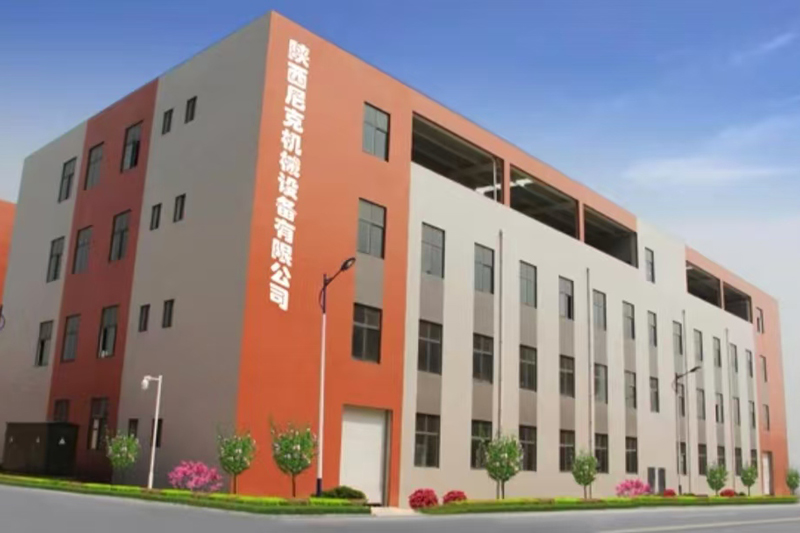
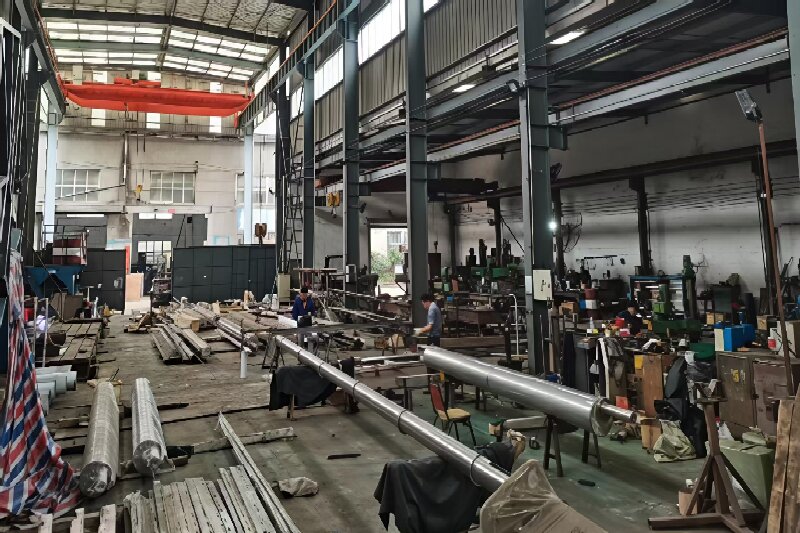
Explore our comprehensive range of hydraulic balers and waste compaction systems — each engineered to meet the specific demands of electronics manufacturing environments.
NKY81-1000 Small Size Scrap Metal Baler — Electronics Aluminum Scrap Compression
View DetailsChina NK8060T30 Small-Sized Vertical Hydraulic Baling Machine — Electronics Waste Recycling
View DetailsNKY81-1350 Small Size Scrap Metal Baler — Electronics PCB & Metal Frame Baling
View DetailsChina NKB15 Baler Machine — Electronics Packaging Fabric Compression and Bagging Solutions
View Details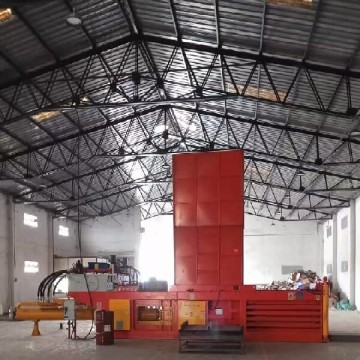
NKW160BD Large Size Horizontal Semi-Automatic Baler — Electronics Cardboard & Packaging Line
View Details
NKW160QT Horizontal Automatic Tie Baler with Lifting Door — High-Volume Electronics Waste
View Details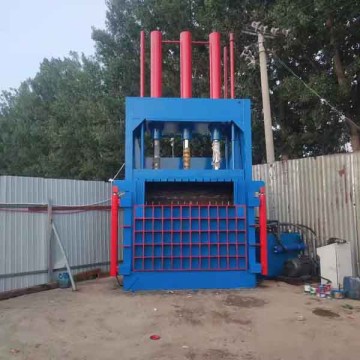
Vertical Scrap Metal Baler NK1580T300 — Electronics Metal Recycling Solutions
View Details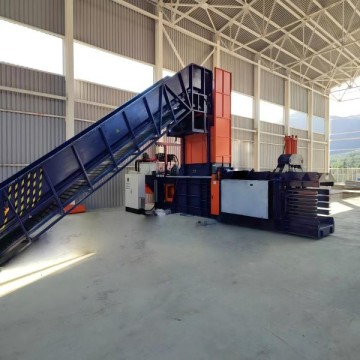
China NKW200Q Large Horizontal Fully Automatic Baler — Industrial Electronics Recycling Solutions
View Details