Picking reliable Plastic Balers from China isn’t just about flipping through prices or drooling over shiny product photos. Honestly, smart buyers need to dig a bit deeper—looking at the machine’s structure, how well it compresses, electrical safety, after-sales support, and what it might cost to run long-term. Just because a price is super low doesn’t mean the hydraulic parts aren’t weak or that support for spare parts will be enough when you really need it.
In this guide, I’ve put together a list of ten Chinese suppliers who serve recycling plants, warehouses, manufacturers, and waste management teams. I focused on the stuff that truly matters—like how experienced their factories are, whether they have solid specs documented, their export track record, their ability to customize, and how well they communicate. Don't forget—each supplier should be checked against what you actually plan to recycle, whether it's cardboard, PET bottles, film, textiles, or mixed packaging. And things like bale size and moisture content? They’re pretty important too.
Veteran buyers often ask to see videos of the machines in action, detailed info on motors, hydraulic system specs, and even sample bale sizes. They also double-check if the supplier can guide them through installation, what the warranty covers, how fast they respond, and whether spare parts are easy to get. A good supplier will be upfront about any limitations—no fake promises of 'it works perfectly for everything' needed. That honesty? It’s priceless.
And here’s the thing—nothing is set in stone. A supplier that looks great today might change after a new boss takes over, they expand their factory, or they switch out parts. Just a fancy website doesn’t prove they’re solid at what they do. It’s always smart to look for independent references and have a real technical chat before you jump in. Also, double-check your target market’s rules and standards before placing an order. Think of this overview as a helpful starting point—definitely not the end of your homework. Use it to compare options, come up with better questions, and avoid surprises when it’s time to sign that deal.
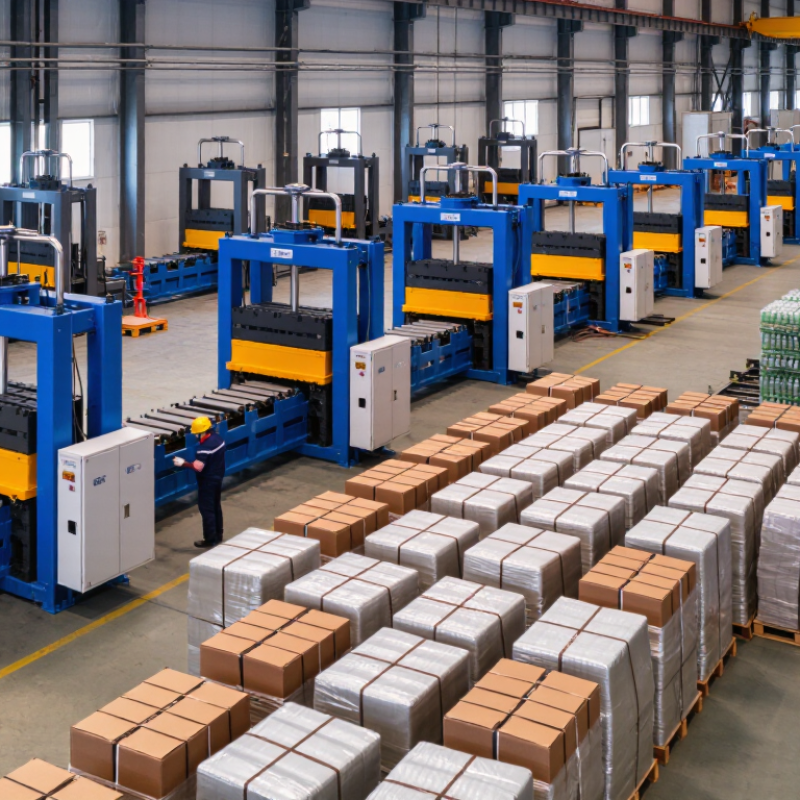
What Are Plastic Balers and How Do They Support Global Recycling?
China Top 10 Plastic Balers Suppliers for Global Buyers
Plastic balers compress loose plastic waste into dense, manageable bales. Hydraulic pressure reduces the volume of bottles, films, containers, and rigid plastics before storage or transport. This simple step can make recycling logistics more efficient. Fewer truckloads may be needed, while warehouse floors become safer and easier to organize.
In practical recycling operations, baler performance depends on material preparation. Clean, sorted plastic forms stronger bales and reduces handling problems. Operators should check chamber size, pressing force, cycle time, electrical requirements, and bale weight. A suitable machine also needs accessible maintenance points and reliable safety controls. No baler fixes poor sorting. That lesson is easy to overlook. Some buyers focus only on output speed, then face blockages because film, moisture, and rigid plastics enter together.
Tips: Ask suppliers for tested bale dimensions, energy data, spare-parts support, and operator training. Inspect the tying system carefully. Loose straps can create unstable bales during loading. Match the machine with your daily material volume, available floor space, and labor skills. A smaller baler may be more practical for variable input, even if its rated capacity looks less impressive. Review actual operating conditions, not just catalog figures.
Why Choose Chinese Plastic Baler Suppliers for International Procurement?
China’s top 10 plastic baler suppliers attract global buyers through practical engineering, flexible production, and competitive pricing. The opportunity is significant. The OECD’s Global Plastics Outlook reports that the world generated 353 million tonnes of plastic waste in 2019, while only 9% was recycled. Efficient baling can reduce storage volume, handling costs, and transport emissions.
Chinese manufacturers often support different feedstock types, including bottles, film, and rigid packaging. Many can adjust chamber size, pressure, wiring, and safety features for overseas facilities. In procurement practice, this flexibility matters more than a low quotation. A cheaper baler may require costly modifications after arrival. Request test videos, material samples, electrical specifications, and verified production references. The Plastics Industry Association also identifies growing demand for equipment that improves recycling efficiency and material recovery.
Tips: Compare total ownership cost, not only purchase price. Check energy use, spare-part availability, warranty terms, and remote technical support. Confirm conformity with the destination market’s machinery and electrical requirements. Ask for documented factory inspections and a clear acceptance test. One overlooked detail can delay installation.
Chinese sourcing is not automatically risk-free. Communication gaps, inconsistent drawings, or vague service promises can still occur. A structured supplier audit helps. Buyers should examine weld quality, hydraulic leakage protection, emergency stops, and control-panel labeling. According to the International Energy Agency, recycling and material efficiency must expand sharply to reduce plastic-related emissions. Reliable baling equipment is only one part, but it can make collection systems more workable.
How the Top 10 Chinese Plastic Baler Suppliers Compare
Comparing the Top 10 Chinese Plastic Baler Suppliers requires more than checking advertised prices. OECD’s Global Plastics Outlook reports that only 9% of global plastic waste was recycled in 2019. That figure makes dependable equipment important. Buyers should compare verified throughput, bale density, power consumption, and maintenance access.
The ten leading Chinese suppliers differ mainly in engineering depth. Some focus on compact vertical machines for warehouses. Others build continuous horizontal systems for film, bottles, and distribution centers.
A Plastic Film Baler should manage slippery, low-density material without frequent bridge formation. Buyers should request test-bale videos, motor specifications, chamber dimensions, and measured cycle times. Paper capacity claims can look impressive.
Safety matters too.
The most reliable comparison includes documented factory testing, electrical certifications, spare-parts availability, and remote troubleshooting. Industry research from Grand View Research identifies rising demand for automated plastic recycling equipment, but automation does not guarantee stable output. A weak sensor can stop a line during a busy shift. Service response should therefore be judged alongside purchase cost. Freight, installation, training, and local voltage requirements can change the real price significantly. Some supplier information remains incomplete, so independent verification is still necessary.
What Products and Technologies Do These Suppliers Offer?
China’s leading plastic baler suppliers offer vertical and horizontal machines for cardboard, PET bottles, woven bags, and Plastic Film Baling. Their product ranges often include compact models for small warehouses and high-throughput systems for recycling plants. Hydraulic presses can produce dense bales, reducing storage space and transport frequency. Some machines support automatic bale tying, while simpler units require manual wire or strap placement. This difference affects labor needs and operating costs.
Current technologies include programmable controls, pressure sensors, overload protection, and adjustable bale sizes. Touchscreen panels can display cycle counts, fault alerts, and hydraulic temperature. Remote diagnostics are available on selected systems, but network stability deserves careful checking. In practical purchasing work, buyers should inspect weld quality, cylinder alignment, and access to replacement seals. A polished brochure is not enough. Small design details matter. One weak point is that some specifications may change after customization, so written confirmation remains essential.
Tips: Match the baler to your material’s moisture, film thickness, and daily volume. Request a sample-bale test before ordering. Check whether the chamber accepts your largest load. Ask for noise data and safety documentation. Leave space around the machine for cleaning and maintenance; cramped installation often creates avoidable delays.
How to Evaluate Supplier Quality, Capacity, and Export Experience
China Top 10 Plastic Balers Suppliers for Global Buyers
For global buyers, supplier quality starts with measurable production details. A Waste Plastic Compactor should have stable pressure, reliable controls, and protected hydraulic components. Ask for material certificates, weld inspection records, and factory acceptance test results. Look at close-up machine photos, not only polished showroom images. Even weld beads matter. Request a live trial using plastic similar to your own waste. Observe bale density, cycle time, noise, and oil leakage. A supplier that avoids these checks may create costly uncertainty.
Capacity claims need physical evidence. Ask how many machines leave the factory each month and which models are available now. Confirm motor ratings, chamber dimensions, working pressure, and expected daily output. A short video of the assembly line can reveal storage space, testing areas, and actual staffing. Small details matter. Review spare-parts availability, technician response times, and maintenance instructions. Some suppliers promise customized designs too quickly. That deserves careful questioning, because engineering changes can delay production.
Export experience involves more than shipping a machine overseas. Request redacted shipping documents, packing photographs, installation records, and references from similar markets. Check whether the supplier understands container loading, moisture protection, manuals, and destination-voltage requirements. Ask who prepares commercial invoices, packing lists, and technical files. In practical sourcing, a strong factory can still provide weak export support. I have seen that gap cause avoidable delays. A video call with the engineering and logistics teams often reveals more than a sales presentation.
China Top 10 Plastic Balers Suppliers for Global Buyers - How to Evaluate Supplier Quality, Capacity, and Export Experience
Anonymous supplier comparison based on practical purchasing criteria for plastic recycling and waste-management projects
| Rank |
Supplier Profile |
Main Production Region |
Typical Baler Types |
Bale Force Range |
Typical Plastic Throughput |
Quality Documentation to Request |
Export Readiness |
Estimated Lead Time |
Evaluation Score |
| 1 |
Supplier Profile 01 |
Jiangsu |
HorizontalAutomatic
|
80–160 tonnes |
8–18 tonnes/hour |
CE file, hydraulic test record, electrical drawings, factory acceptance checklist |
Strong: export packing, multilingual manuals, container-loading experience |
45–60 days |
9.1 |
| 2 |
Supplier Profile 02 |
Zhejiang |
HorizontalSemi-Automatic
|
60–125 tonnes |
5–14 tonnes/hour |
Material certificates, motor data sheet, welding inspection record, test video |
Strong: regular overseas shipments and standard export documentation |
40–55 days |
8.8 |
| 3 |
Supplier Profile 03 |
Shandong |
VerticalHorizontal
|
40–120 tonnes |
3–12 tonnes/hour |
Load test report, component list, maintenance schedule, spare-parts quotation |
Good: established freight-forwarding workflow and export packaging |
35–50 days |
8.5 |
| 4 |
Supplier Profile 04 |
Guangdong |
AutomaticPET Baler
|
100–180 tonnes |
10–22 tonnes/hour |
PLC program backup, hydraulic schematic, safety assessment, commissioning report |
Strong: suitable for high-volume recycling facilities |
50–70 days |
8.9 |
| 5 |
Supplier Profile 05 |
Henan |
VerticalManual Feed
|
20–80 tonnes |
0.8–5 tonnes/hour |
Operating manual, pressure test record, electrical safety checklist, warranty terms |
Good: appropriate for small and medium material-recovery operations |
25–45 days |
8.2 |
| 6 |
Supplier Profile 06 |
Fujian |
HorizontalWire-Tie
|
80–140 tonnes |
6–16 tonnes/hour |
Wire-tying cycle test, hydraulic oil specification, spare-parts inventory, inspection photos |
Good: practical experience with mixed-plastic and film applications |
45–65 days |
8.4 |
| 7 |
Supplier Profile 07 |
Hebei |
VerticalFilm Baler
|
30–100 tonnes |
2–9 tonnes/hour |
Chamber-dimension drawing, bale-density test, motor efficiency data, service contact details |
Moderate to good: export capability should be confirmed per destination |
30–50 days |
7.9 |
| 8 |
Supplier Profile 08 |
Hubei |
AutomaticPET Bottle
|
100–160 tonnes |
8–20 tonnes/hour |
Factory test report, PLC and sensor list, safety-guard inspection, installation plan |
Good: suitable for integrated sorting and baling lines |
50–75 days |
8.3 |
| 9 |
Supplier Profile 09 |
Jiangxi |
HorizontalSemi-Automatic
|
50–110 tonnes |
4–11 tonnes/hour |
Welding-quality record, hydraulic-cylinder specification, packaging list, video acceptance test |
Moderate: verify previous shipments and local technical support |
35–55 days |
7.8 |
| 10 |
Supplier Profile 10 |
Liaoning |
VerticalCompact Baler
|
20–70 tonnes |
0.6–4 tonnes/hour |
Product specification, pressure gauge calibration, spare-parts list, operator training plan |
Moderate: better suited to standard and lower-capacity projects |
25–45 days |
7.6 |
Buyer verification note: Capacity, throughput, delivery time, certifications, and export experience should be confirmed through current factory records, machine testing, third-party inspection, customer references, and destination-country compliance checks before purchase.
What Certifications and Compliance Standards Should Global Buyers Check?
For global buyers, a plastic baler should pass more than a factory inspection.
Check the supplier’s risk assessment against ISO 12100, guarding requirements, and emergency-stop performance. ISO 13849-1 is relevant for safety-related control systems, while IEC 60204-1 covers electrical equipment. Ask for test records, not only printed logos. A genuine Declaration of Conformity should identify the machine model, applicable standards, and responsible manufacturer.
European shipments currently follow Machinery Directive 2006/42/EC, but Regulation (EU) 2023/1230 will apply from January 20, 2027. CE marking is a legal declaration, not an independent quality certificate. For North American installations, buyers should review applicable OSHA requirements and recognized electrical standards. Local certification may also depend on the site, voltage, and insurance rules. Requirements vary.
Capacity claims deserve careful checking. The OECD Global Plastics Outlook reported 353 million tonnes of plastic waste in 2019, with only 9% recycled. This increases demand for compacting equipment, but “30 tonnes per hour” can be misleading. Request verified throughput using your actual film, bottles, moisture level, and bale density. ISO 9001 supports production control, while ISO 14001 indicates environmental management. These standards help, but they cannot replace machine-specific testing. I would also inspect hydraulic hoses, interlocks, noise data, and spare-parts traceability. A clean certificate folder does not prove safe daily operation.
How to Select the Right Chinese Plastic Baler Supplier for Your Needs
Selecting a Chinese plastic baler supplier requires more than comparing online prices. Start with material type, bale density, throughput, and available floor space. A supplier should ask about moisture levels, bale dimensions, and daily volume. If they recommend one machine immediately, be cautious. That shortcut may hide poor fitting. Request a live video test using material similar to yours. Watch the feeding chamber, compression cycle, wire channels, and finished bale shape. Practical evidence matters more than polished photographs.
For a Scrap Plastic Baler Press, inspect the hydraulic system, steel thickness, electrical cabinet, and safety interlocks. Ask for documented test results, operating instructions, spare-parts lists, and remote troubleshooting procedures. Confirm that technicians can communicate clearly and provide drawings with exact dimensions. A reliable factory should explain maintenance intervals, oil requirements, and expected wear on cutting edges. Ask how delays, rejected units, or damaged components are handled. Purchase documents should define inspection, packaging, delivery terms, and response times without vague promises.
Visit the production line when possible, or hire an independent inspector before shipment. Check weld quality, cylinder alignment, painted surfaces, and nameplates against approved specifications. Speak with existing users about uptime, not only purchase experience. Low prices can attract attention, but unstable pressure or sensor faults may cost more monthly. I would leave room for uncertainty. Test samples may not represent winter moisture or mixed plastics. A small pilot order is safer than a rushed container.
How to Select the Right Chinese Plastic Baler Supplier
This 100-point evaluation framework focuses on the practical factors global buyers should compare when reviewing plastic baler suppliers. Machine performance, safety, energy use, after-sales support, customization, documentation, delivery capability, and total cost should all be assessed before placing an order. The weighting is a neutral purchasing guideline and does not represent any specific company or brand.
China NKB20 Used Rag Baler Machine: Market Insights from UNEP’s 2024 Global Waste Management Outlook
The 2024 *Global Waste Management Outlook* reports that the world generated approximately 2.1 billion tonnes of municipal solid waste in 2023, with this figure projected to reach 3.8 billion tonnes by 2050 under a business-as-usual pathway. Although industrial used rags and wiping cloths are a specialized waste stream, they reflect the same growing pressure on collection, storage, transport, and material recovery systems. For Chinese factories, textile recyclers, and suppliers handling loose rag waste, efficient volume reduction is becoming an important part of responsible waste management.
The China NKB20 Used Rag Baler Machine is a high-capacity hydraulic solution designed to compress large quantities of used rags into dense, uniform bales. By reducing the volume of industrial cleaning cloths and recycled wiping materials, it can help lower warehouse requirements, improve vehicle-loading efficiency, and reduce transportation frequency. These operational benefits are particularly relevant as the report estimates that global waste-management costs could rise substantially by 2050 without stronger prevention, reuse, and recycling measures. Built for demanding factory environments, the NKB20 supports more organized handling of rag waste while helping suppliers improve productivity, workplace order, and resource efficiency.
FAQS
Compare verified throughput, bale density, power use, and maintenance access. Advertised prices rarely show the complete cost. Freight, installation, training, and voltage requirements can change the final amount.
Common materials include plastic film, PET bottles, woven bags, and mixed recyclable packaging. Match the machine with your material thickness, moisture, and daily volume. Slippery film needs careful feeding design.
Vertical machines suit smaller warehouses and limited floor space. Horizontal systems often support higher volumes and continuous operation. The better choice depends on available labor, material flow, and bale size.
Request a sample-bale test using your actual material. Ask for measured cycle times, bale weights, chamber dimensions, and motor details. A test video helps, but direct verification is stronger.
Useful features include programmable controls, pressure sensors, overload protection, and adjustable bale sizes. Touchscreens may show cycle counts, fault alerts, and hydraulic temperature. Automation helps, but it is not magic.
Check electrical certifications, guarding, emergency stops, and clear operating instructions. Inspect weld quality, cylinder alignment, and access to seals. Leave working space around the machine for cleaning and repairs.
Automatic tying can reduce manual labor and improve bale consistency. Simpler machines may require manual wire or strap placement. Compare labor savings with purchase price and maintenance needs.
Service response matters when a sensor stops production during a busy shift. Confirm spare-parts availability, remote troubleshooting, and technician response times. These details are sometimes unclear, so written confirmation is essential.
Confirm local voltage, floor space, noise levels, and access for loading. Check whether the chamber accepts your largest practical load. A cramped area creates delays, even with a capable machine.
Conclusion
Plastic Balers are essential recycling machines that compress loose plastic waste into dense, manageable bales, helping reduce storage space, transportation costs, and handling difficulties. This article introduces the top 10 Chinese suppliers serving global buyers and explains why China is a competitive sourcing destination, including manufacturing capacity, product variety, customization options, cost efficiency, and export support. It also compares supplier strengths in equipment design, automation, processing capacity, energy efficiency, and after-sales service.
For international procurement, buyers should evaluate construction quality, production capabilities, quality-control procedures, delivery reliability, technical support, and export experience. The guide also highlights important certifications, safety requirements, electrical standards, environmental considerations, and documentation that should be verified before purchase. Finally, it offers a practical framework for selecting the right supplier according to material type, bale size, operating volume, available space, budget, maintenance needs, and local compliance requirements. This approach helps buyers identify dependable equipment and establish a more efficient, sustainable plastic recycling operation.