Leave Your Message
Explore our top-rated hydraulic baler machines designed to compress and bundle scrap plastic, packaging film, and mixed construction site waste with maximum efficiency.
Construction and demolition sites are among the largest generators of scrap plastic waste globally. From polyethylene sheeting and PVC piping to polystyrene insulation boards and HDPE packaging, the volume of plastic discarded on active building sites has reached critical levels. According to industry estimates, construction activities account for over 13% of all solid waste produced worldwide, with plastic materials comprising a significant and growing fraction of that total.
Historically, much of this waste was simply landfilled or incinerated — practices that are increasingly restricted by environmental regulations across the European Union, North America, and Asia-Pacific markets. Today, contractors and waste management firms face mounting pressure to adopt responsible, cost-effective waste reduction strategies. The scrap plastic baler press has emerged as an indispensable solution at the heart of this transformation.
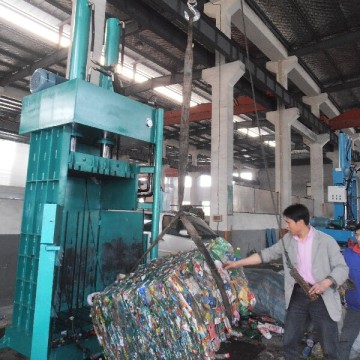
By mechanically compressing loose plastic waste into dense, uniform bales, these machines dramatically reduce storage footprint on-site, lower transportation costs, and prepare materials for efficient downstream recycling. The result is a measurable improvement in both environmental performance and operational profitability for construction enterprises of all sizes.

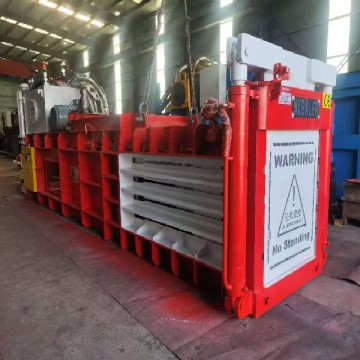
NICKBALER's scrap plastic baler presses utilize advanced hydraulic cylinder technology to deliver compression forces ranging from 40 to 280 tonnes, capable of processing thick HDPE sheets, tangled PE films, rigid PVC offcuts, and bulky EPS foam into compact, wire-tied bales ready for transport.
Both fully automatic and semi-automatic configurations are available to match the operational scale of any construction project — from small residential renovations to large commercial developments. Automatic tie-off systems minimize manual labor requirements and maximize throughput on busy sites.
Engineered with heavy-duty steel frames, sealed hydraulic systems, and dust-resistant electrical enclosures, NICKBALER machines are designed to operate reliably in the harsh, dusty, and variable-temperature environments typical of active construction sites.
Consistent bale dimensions and density ensure compatibility with standard recycling logistics, enabling construction firms to negotiate better rates with plastic recyclers and scrap dealers. Bale weights typically range from 200 kg to over 1,000 kg depending on the machine model and material type.
Modern variable-frequency drive (VFD) technology and energy-saving hydraulic circuits reduce power consumption by up to 30% compared to conventional baler designs, lowering the operational cost per bale and contributing to the overall sustainability profile of the construction project.
Emerging Industry 4.0 features — including PLC-based control panels, real-time production data logging, and optional remote diagnostics — allow site managers to monitor baler performance, schedule maintenance, and optimize throughput without requiring on-site specialist technicians.
From residential builds to mega infrastructure projects, scrap plastic baler presses serve a diverse range of construction waste streams and operational contexts.
Large commercial developments generate enormous quantities of stretch wrap, bubble wrap, and rigid plastic packaging from delivered materials. On-site balers allow contractors to manage this waste in real time, reducing skip hire frequency and disposal costs significantly.
Smaller horizontal and vertical baler models are ideal for residential housing developments, compressing window frame wrapping, pipe offcuts, and insulation film into neat bales that can be collected by recycling partners on a scheduled basis.
Road, bridge, and tunnel construction projects produce large volumes of geotextile plastics, drainage pipe waste, and protective sheeting. Heavy-duty twin-ram balers handle these mixed and contaminated plastic streams with ease.
Demolition contractors encounter PVC flooring, plastic conduit, acrylic panels, and polystyrene ceiling tiles. Baling these materials on-site transforms what was previously a disposal liability into a recoverable commodity with measurable scrap value.
Centralized waste transfer facilities serving multiple construction sites use large-format automatic balers to process incoming plastic waste at high throughput rates, preparing sorted bales for direct shipment to plastic recycling mills.
Projects targeting LEED, BREEAM, or equivalent green building certifications require documented diversion of construction waste from landfill. Baled plastic with verified weight records provides the audit trail needed to meet certification criteria.
The global market for construction waste processing equipment is expanding rapidly, driven by regulatory, economic, and technological forces reshaping how the industry manages plastic waste.
Governments worldwide are implementing Extended Producer Responsibility (EPR) frameworks and construction waste diversion mandates that require contractors to document and recycle a minimum percentage of site-generated plastic. Baler presses are now a compliance necessity rather than a convenience.
The value of clean, baled HDPE, LDPE, and PVC scrap has increased substantially as global demand for recycled plastic feedstock grows. Construction firms that invest in on-site baling infrastructure can generate direct revenue from materials previously treated as waste costs.
Next-generation baler systems are incorporating AI-assisted material recognition, automated feed conveyors, and IoT-connected monitoring platforms. These innovations are making it feasible to deploy fully automated plastic baling lines even on mid-scale construction sites with limited labor availability.
The European Green Deal, China's "Dual Carbon" targets, and similar policy frameworks are accelerating investment in circular economy infrastructure. Construction plastic balers sit at a critical node in this circular flow — converting site waste into secondary raw material that re-enters manufacturing supply chains.
The rapid expansion of modular and prefabricated construction methods generates highly consistent, single-material plastic waste streams that are ideally suited to automated baling. This trend is creating new demand for dedicated, high-throughput plastic baler installations at prefab manufacturing facilities.
Massive infrastructure investment programs across Southeast Asia, the Middle East, and Africa are generating unprecedented volumes of construction plastic waste. These markets are now adopting baling technology at scale for the first time, representing a major growth frontier for equipment manufacturers like NICKBALER.

NICKBALER is a leading manufacturer and distributor of advanced hydraulic balers and environmental protection machinery. Established in 2006, the company specializes in designing, developing, producing, and selling packaging and baling equipment tailored to industries worldwide. With over 80–90% of its products exported to more than 60 countries, including North America, Europe, Asia, and the Middle East, NICKBALER has become a trusted name in waste recycling and baling solutions.
Welcome To Learn About Our Company
Our product line includes horizontal and vertical balers, hydraulic baling presses, PET bottle balers, metal compressors, shredders, and various auxiliary equipment, making us a one-stop solution for industries like agriculture, recycling, manufacturing, packaging, and waste management. Our machinery is inspired by German, European, and American technology, ensuring high quality and innovation in every product.

NICKBALER prides itself on a strict quality management system and a dedicated team of over 50 skilled employees, including 10 technical experts. We provide integrated services that span pre-sales consultation, customized design, production, and exceptional after-sales support. With established after-sales service centers in India, Dubai, Australia, and the United States, we ensure our global clients receive fast and reliable support wherever they are.
The company is committed to "maximizing customer benefits" through efficient, safe, and cost-effective solutions for handling waste paper, plastic, metal, textiles, agricultural waste, and more. Our advanced technology, coupled with rich R&D experience, allows us to provide customized solutions for diverse industries such as food, pharmaceuticals, packaging, chemicals, electronics, and waste treatment.
With after-sales service centers strategically located across four continents, NICKBALER guarantees rapid response times for maintenance, spare parts supply, and technical troubleshooting — minimizing costly downtime for construction project operators worldwide.
Every NICKBALER machine is engineered with reference to German, European, and American manufacturing standards. This commitment to precision engineering ensures that each scrap plastic baler press delivers consistent performance, extended service life, and superior bale quality across demanding construction site conditions.
At NICKBALER, we believe in creating sustainable, environmentally friendly solutions that drive innovation and efficiency for businesses worldwide. Let us help you streamline your waste management and recycling operations with our high-quality baling machines and systems.


Browse our complete range of hydraulic baling machines — from compact vertical units for small sites to large twin-ram presses for high-volume construction waste processing operations.