Leave Your Message
Tailored machinery optimized for modern electronics manufacturing and industrial recycling facilities.
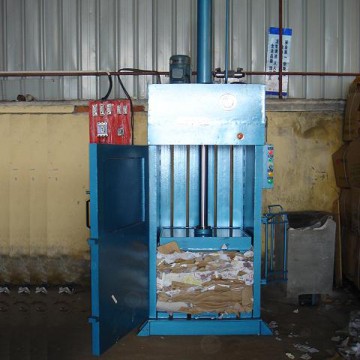
The global electronics manufacturing sector is undergoing an unprecedented expansion, driven by the relentless demand for consumer electronics, semiconductor technologies, automotive microelectronics, and IoT hardware. However, this production boom is accompanied by a massive surge in manufacturing waste. From protective packaging components like expanded polystyrene (EPS) and poly-ethylene films to heavy-duty cardboards, copper wire scraps, and chemical drums, managing solid waste efficiently has become a critical operational challenge. This is where the integration of a specialized press compactor for electronics manufacturing becomes indispensable.
In high-tech manufacturing facilities, space is premium. Cleanrooms, PCB assembly lines, and testing bays require meticulous space optimization. Storing loose, high-volume waste materials not only poses severe safety and fire hazards but also compromises the strict cleanliness protocols required in microelectronics production. Industrial press compactors and hydraulic baling presses resolve these issues by compressing voluminous waste materials into high-density, manageable bales. This process reduces the physical footprint of waste by up to 90%, streamlining internal logistics and significantly lowering disposal costs.
Modern electronics manufacturers operate under strict global regulations, including the WEEE (Waste Electrical and Electronic Equipment) directive and ISO 14001 environmental standards. Implementing robust waste compaction systems directly supports corporate ESG (Environmental, Social, and Governance) targets by optimizing recycling workflows and minimizing carbon footprints associated with waste transport.


Welcome To Learn About Our Company
How hydraulic press compactors optimize specific waste streams across the production floor.
Electronics assembly plants receive millions of micro-components daily, packed inside protective cardboard boxes. Vertical and horizontal press compactors compress these voluminous fiberboard boxes into tight, stackable bales, reducing storage space requirements and preparing materials for direct recycling loops.
Electrostatic discharge (ESD) protective bags, bubble wraps, and stretch films are vital for protecting sensitive silicon wafers and electronic assemblies. However, their lightweight and high-volume nature makes them difficult to store. Specialized compactors compress these plastics, preventing them from scattering and creating safety hazards.
Semiconductor fabrication facilities utilize various solvents, photoresists, and cleaning chemicals stored in steel or plastic drums. Once emptied, these drums pose storage challenges. Heavy-duty drum press compactors, like the NK-T30, crush these containers into flat discs, optimizing space and hazardous waste transport safety.
The trimming of PCB leads, wire harness manufacturing, and chassis stamping generate significant amounts of copper, aluminum, and steel offcuts. High-pressure briquetting and baling machines consolidate these valuable metal scraps into dense blocks, maximizing their resale value to scrap metal processors.
Engineered for Reliability and High Efficiency


NICKBALER prides itself on a strict quality management system and a dedicated team of over 50 skilled employees, including 10 technical experts. We provide integrated services that span pre-sales consultation, customized design, production, and exceptional after-sales support. With established after-sales service centers in India, Dubai, Australia, and the United States, we ensure our global clients receive fast and reliable support wherever they are.

The company is committed to "maximizing customer benefits" through efficient, safe, and cost-effective solutions for handling waste paper, plastic, metal, textiles, agricultural waste, and more. Our advanced technology, coupled with rich R&D experience, allows us to provide customized solutions for diverse industries such as food, pharmaceuticals, packaging, chemicals, electronics, and waste treatment.
As electronics manufacturing transitions towards Industry 4.0, waste management systems are keeping pace. Modern press compactors are no longer simple mechanical presses; they are increasingly integrated with digital technology to enhance operational efficiency. IoT-enabled compactors feature real-time telemetry, allowing plant managers to monitor bale capacity, hydraulic pressure, and cycle counts remotely. This data helps schedule pickups precisely when the compactor is full, reducing unnecessary transportation costs and energy usage.
Another major trend is the development of cleanroom-compatible waste compactors. In semiconductor fabrication facilities, even microscopic dust particles can ruin silicon wafers. Advanced compactors designed for these environments incorporate HEPA filtration systems, dust collectors, and sealed hydraulic lines to ensure that the compaction process does not release airborne particulates. Furthermore, energy-efficient servo-driven hydraulic systems are replacing traditional constant-speed motors, reducing power consumption during idle times—a critical factor for electronics giants striving to achieve net-zero carbon operations.
By compressing packaging materials at the source, manufacturers can load up to three times more material onto a single transport truck. This directly translates to a 66% reduction in transportation logistics costs, fewer truck movements on-site, and a substantial decrease in greenhouse gas emissions from waste management operations.
Explore our state-of-the-art production facilities and advanced engineering departments.


At NICKBALER, we believe in creating sustainable, environmentally friendly solutions that drive innovation and efficiency for businesses worldwide. Let us help you streamline your waste management and recycling operations with our high-quality baling machines and systems.
Contact Us TodayExplore our diverse catalog of industrial press compactors designed to meet rigorous manufacturing standards.