
Leave Your Message
The global electronics manufacturing industry is experiencing unprecedented growth, driven by the continuous demand for consumer electronics, industrial IoT devices, and advanced computing hardware. However, this massive production scale brings an equally massive challenge: the management of industrial plastic waste. Plastic balers for electronics manufacturing have transitioned from being optional waste management tools to indispensable assets within modern production facilities. Electronic components, from delicate microchips to robust server casings, require extensive plastic packaging for protection against electrostatic discharge (ESD), moisture, and physical impact during transit.
Furthermore, the manufacturing process itself generates substantial plastic scrap. Injection molding of device casings, sprues, runners, and defective polycarbonate or ABS parts create a continuous stream of bulky, low-density plastic waste. Without efficient volume reduction, this loose plastic rapidly consumes valuable factory floor space, creates safety hazards, and exponentially increases logistics and disposal costs. Advanced plastic balers engineered specifically for this sector provide high-density compression, transforming mountains of loose electronic packaging and scrap into neat, manageable, and highly recyclable bales.
Currently, the commercial landscape of electronics manufacturing is heavily regulated by stringent environmental policies, such as the WEEE (Waste Electrical and Electronic Equipment) directive and global ISO 14001 environmental management standards. Companies are under immense pressure to minimize their carbon footprint and achieve "zero waste to landfill" targets. Plastic balers are at the forefront of this industrial shift. By compacting ESD trays, shrink wrap, bubble wrap, and structural plastic scraps, manufacturers can reduce waste volume by up to 90%. This not only cuts down transportation emissions associated with waste hauling but also turns a disposal expense into a revenue stream, as high-density, uncontaminated plastic bales are highly sought after by recycling facilities.
In semiconductor and precision electronics assembly, environments must be kept impeccably clean. Traditional waste handling methods generate dust and particulates, which are strictly prohibited in cleanrooms. Modern plastic balers designed for these specific scenarios feature enclosed hydraulic systems, dust-extraction ports, and operate with minimal vibration. They are strategically placed at the periphery of assembly lines to immediately compress incoming packaging materials—such as antistatic bags, PET blister packs, and protective films—before they can accumulate and pose a contamination risk.
The production of laptop shells, smartphone bodies, and TV bezels relies heavily on precision injection molding. This process inevitably produces scrap in the form of runners, sprues, and out-of-spec parts made from tough engineering plastics like PC/ABS blends. Heavy-duty vertical and horizontal balers are utilized to crush and compact these rigid plastics. The extreme hydraulic force required to bale such rigid materials demands specialized equipment with reinforced chambers and high-shear cutting blades to prevent material memory (spring-back) after compression.
Beyond the primary manufacturing floor, plastic balers play a crucial role in E-waste recycling centers. When electronic devices reach the end of their lifecycle, they are shredded and separated. The plastic fraction—often a complex mix of brominated flame retardant (BFR) plastics and standard polymers—must be baled for secondary processing. Balers in these environments are equipped with advanced filtration and safety systems to handle potentially hazardous dust, ensuring safe, high-throughput processing of shredded e-plastics for global commodity trading.
The future of plastic balers in electronics manufacturing is intrinsically linked to Industry 4.0. The integration of Artificial Intelligence (AI) and the Internet of Things (IoT) is revolutionizing how these machines operate. Traditional balers relied on manual operation and visual inspection to determine when a bale was full. Today, smart balers utilize AI-driven sensors to monitor material density, hydraulic pressure, and chamber capacity in real-time. This ensures optimal bale weight and uniformity, maximizing container payloads for shipping.
Furthermore, predictive maintenance powered by IoT telematics allows facility managers to monitor the health of the baler remotely. Sensors detect minute changes in hydraulic fluid temperature or motor vibration, alerting technicians to potential failures before they cause costly production downtime. Energy efficiency is another major trend; modern balers incorporate Variable Frequency Drives (VFD) that adjust motor speed based on the load, significantly reducing electricity consumption compared to continuous-run motors. As automation increases, we are also seeing balers integrated directly with Automated Guided Vehicles (AGVs) that automatically transport finished bales to storage areas without human intervention.
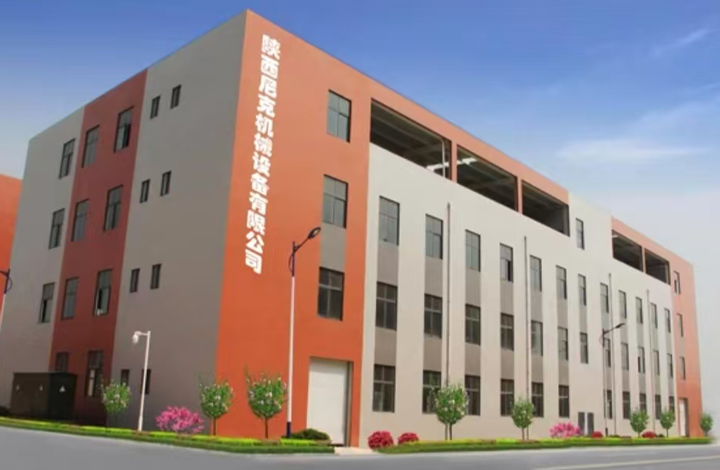


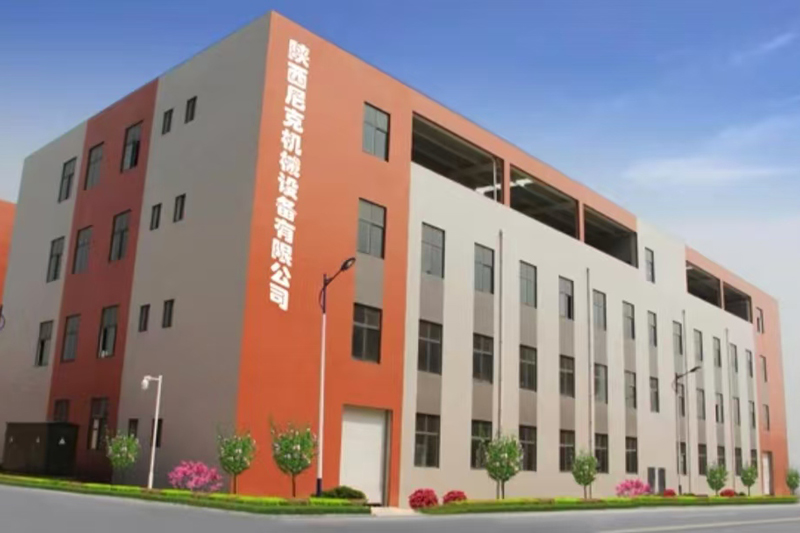
NICKBALER, is a leading manufacturer and distributor of advanced hydraulic balers and environmental protection machinery. Established in 2006, the company specializes in designing, developing, producing, and selling packaging and baling equipment tailored to industries worldwide. With over 80-90% of its products exported to more than 60 countries, including North America, Europe, Asia, and the Middle East, NICKBALER has become a trusted name in waste recycling and baling solutions.
Our product line includes horizontal and vertical balers, hydraulic baling presses, PET bottle balers, metal compressors, shredders, and various auxiliary equipment, making us a one-stop solution for industries like agriculture, recycling, manufacturing, packaging, and waste management. Our machinery is inspired by German, European, and American technology, ensuring high quality and innovation in every product.

NICKBALER prides itself on a strict quality management system and a dedicated team of over 50 skilled employees, including 10 technical experts. We provide integrated services that span pre-sales consultation, customized design, production, and exceptional after-sales support. With established after-sales service centers in India, Dubai, Australia, and the United States, we ensure our global clients receive fast and reliable support wherever they are.

The company is committed to "maximizing customer benefits" through efficient, safe, and cost-effective solutions for handling waste paper, plastic, metal, textiles, agricultural waste, and more. Our advanced technology, coupled with rich R&D experience, allows us to provide customized solutions for diverse industries such as food, pharmaceuticals, packaging, chemicals, electronics, and waste treatment.
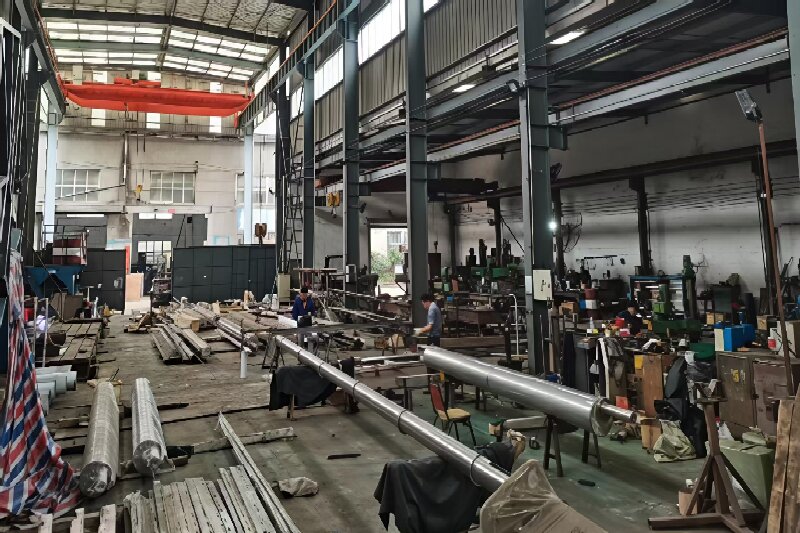
At NICKBALER, we believe in creating sustainable, environmentally friendly solutions that drive innovation and efficiency for businesses worldwide. Let us help you streamline your waste management and recycling operations with our high-quality baling machines and systems.