Leave Your Message
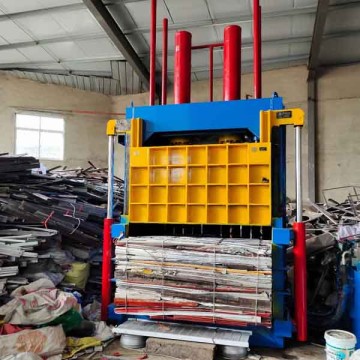
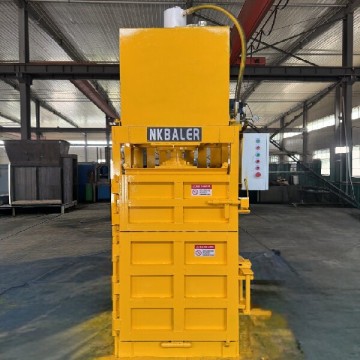
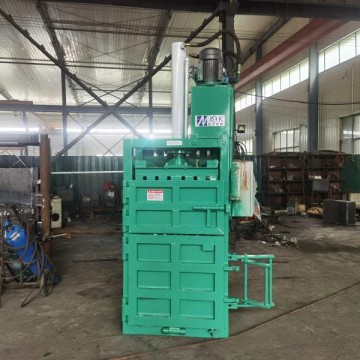
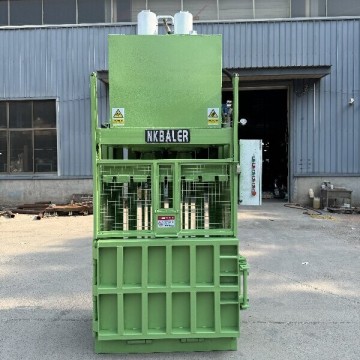
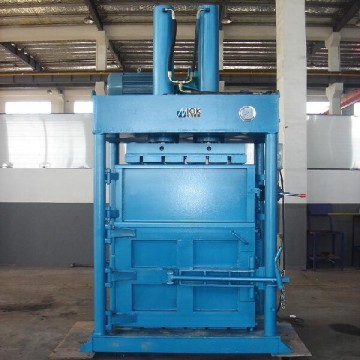
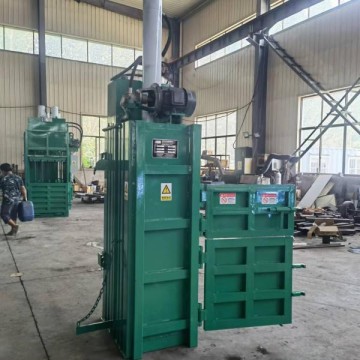
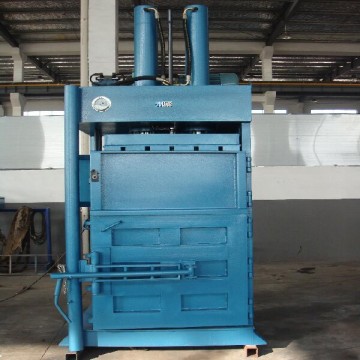
In the contemporary industrial landscape, the management of plastic waste, particularly Polyethylene Terephthalate (PET) bottles, has transitioned from a basic environmental obligation to a core operational strategy. As global consumption of bottled beverages continues to rise, recycling facilities, packaging plants, and retail centers face the logistical challenge of handling massive volumes of lightweight, high-volume plastic waste. This is where PET Bottle Vertical Balers for Compact Scrap Processing become indispensable.
The global recycling market is undergoing a structural shift driven by stringent environmental regulations, carbon neutrality mandates, and consumer demand for circular economies. Industries are no longer viewing scrap processing as a cost center but rather as an opportunity to reclaim value. Uncompressed PET bottles occupy immense physical space while offering minimal weight, making long-distance transport highly inefficient and expensive. By utilizing advanced vertical hydraulic baling machines, companies can compress thousands of loose bottles into dense, uniform, and stackable bales. This dramatically lowers freight costs, minimizes warehouse footprints, and increases the market value of the scrap material, as recycling facilities pay premium rates for high-density, mill-ready bales.
According to global logistics studies, transporting unbaled PET bottles operates at less than 15% of a shipping container's weight capacity. Implementing a vertical hydraulic baler increases container weight utilization to over 85%, directly cutting transport emissions and fuel costs.
While horizontal balers are suitable for continuous, ultra-high-volume municipal operations, vertical balers are the preferred choice for facilities prioritizing space efficiency and versatility. Their vertical configuration occupies a fraction of the floor space required by horizontal counterparts, making them ideal for urban recycling centers, grocery store backrooms, hotel basements, and manufacturing plants with limited square footage. Modern vertical balers deliver high press forces—ranging from 15 to over 200 tons—within a compact footprint, proving that space constraints do not require a compromise on power or throughput.
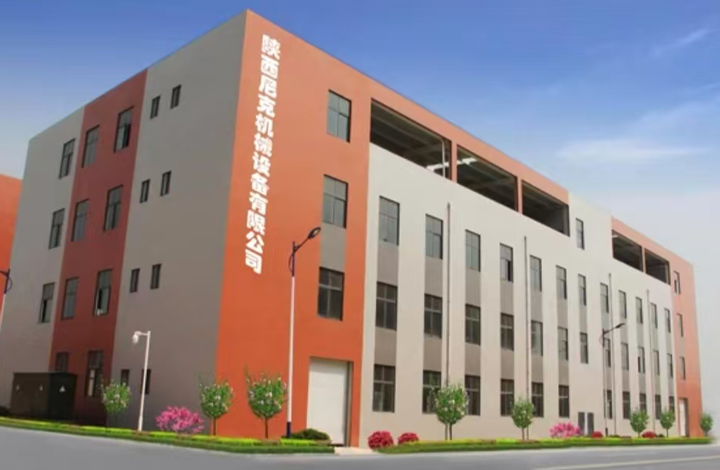


Welcome To Learn About Our Company
The applicability of vertical compaction systems extends far beyond traditional municipal scrap yards. Various sectors have integrated these machines to solve unique operational bottlenecks:
During the manufacturing and filling processes, a percentage of PET bottles inevitably fail quality control due to structural defects, mislabeling, or contamination. Accumulating these rejected, air-filled containers on the production floor creates safety hazards and logistical bottlenecks. On-site vertical balers allow production lines to immediately crush and bundle scrap bottles, reclaiming clean floor space and maintaining strict hygiene standards required in food-grade environments.
Supermarket chains, department stores, and e-commerce fulfillment hubs process massive quantities of consumer packaging. With reverse vending systems and circular economy initiatives, many retailers collect post-consumer PET bottles from customers. Utilizing a compact vertical baler at the back-of-store enables staff to manage this incoming waste flow efficiently without disrupting core retail operations, turning a potential waste management headache into a streamlined recycling channel.
Hotels, resorts, and cruise liners generate substantial plastic waste in highly restricted spaces. On cruise ships, storing uncompressed plastic bottles is impossible due to strict maritime space limitations. Compact vertical balers, such as the NK8060T15 or NK8060T20, are engineered specifically to fit through standard doorways and operate in tight utility rooms, allowing onboard crews to safely package plastic waste until the ship docks at port facilities.
PET bottles possess high elasticity and memory, meaning they naturally resist compression and attempt to expand back to their original shape. NICKBALER's vertical hydraulic systems feature specialized retaining claws and dual-cylinder stabilization to counteract this elasticity, ensuring tight, non-rebounding bale outputs.
The recycling machinery industry is undergoing rapid technological evolution. As automation and digitization reshape manufacturing, vertical baling presses are incorporating smart features to optimize efficiency and safety:
The integration of the Internet of Things (IoT) allows modern balers to communicate real-time data to operators and fleet managers. Sensors monitor hydraulic fluid levels, system pressure, cylinder wear, and electrical consumption. Advanced models can detect the material density being loaded and automatically adjust the ram force and cycle duration. For instance, when compressing highly elastic PET bottles, the system can apply a longer dwell time at the bottom of the stroke to maximize air expulsion and ensure structural integrity of the bale.
Aligning with global sustainability goals, modern hydraulic systems utilize variable speed drives (VSD) and high-efficiency motors. Traditional balers run pumps continuously, wasting energy during idle loading cycles. Modern systems activate the hydraulic pump only during active compression strokes, reducing energy consumption by up to 40% and significantly lowering operational noise, which is critical for indoor and urban operations.
Operational safety is paramount. Leading-edge vertical balers incorporate dual-channel safety interlock switches, automatic shut-off gates, and explosion-proof valves. The loading gate is designed to prevent operator contact with the chamber during cycle execution, conforming to strict CE, ANSI, and OSHA standards.

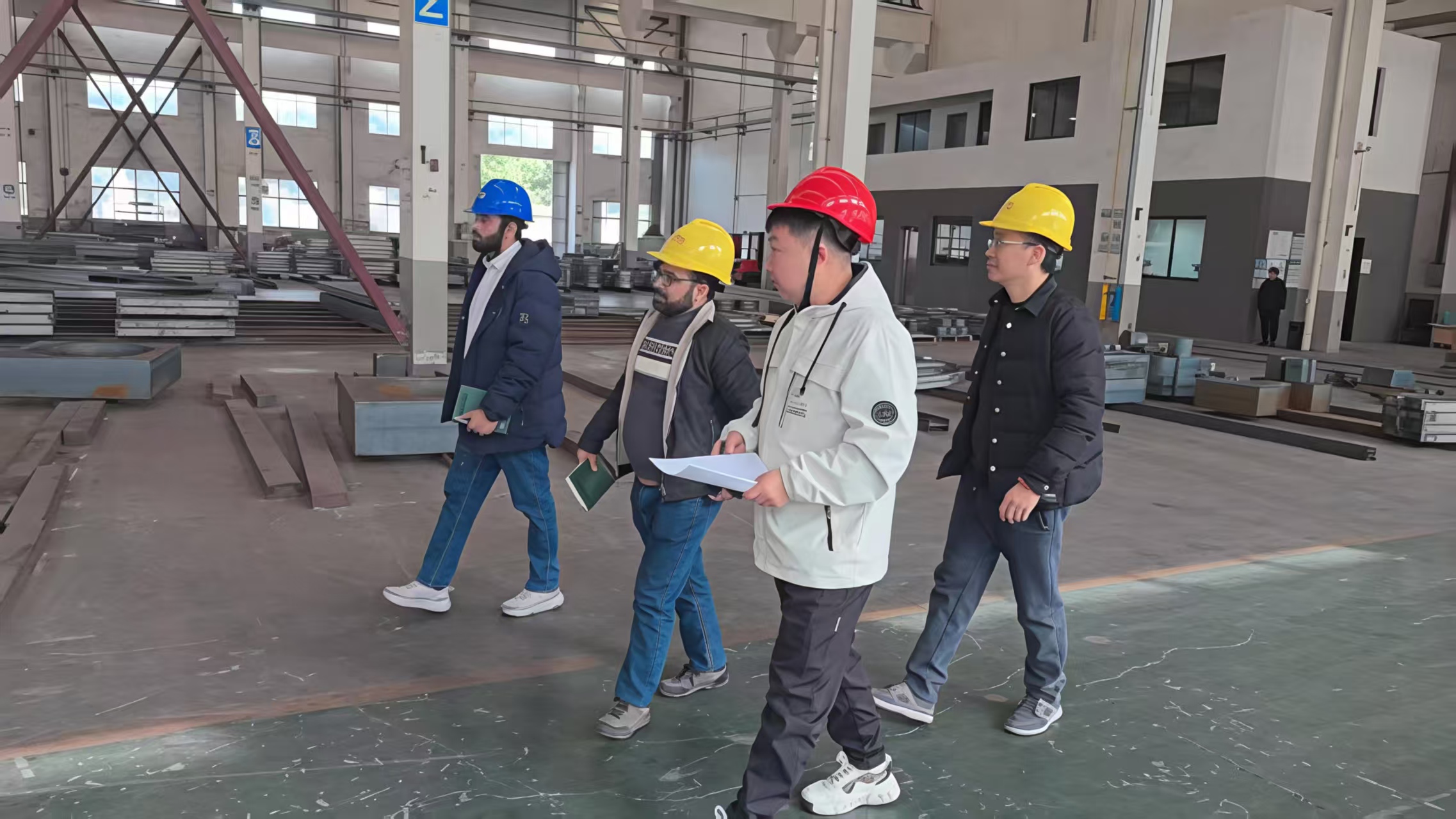
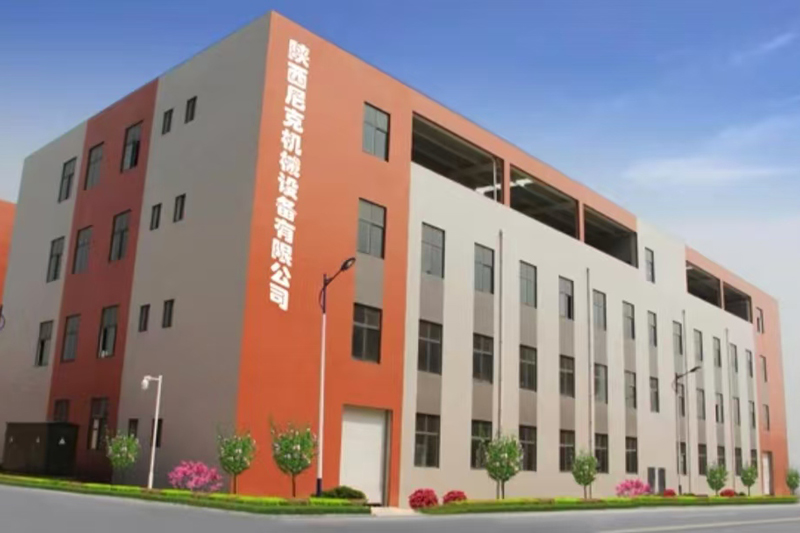
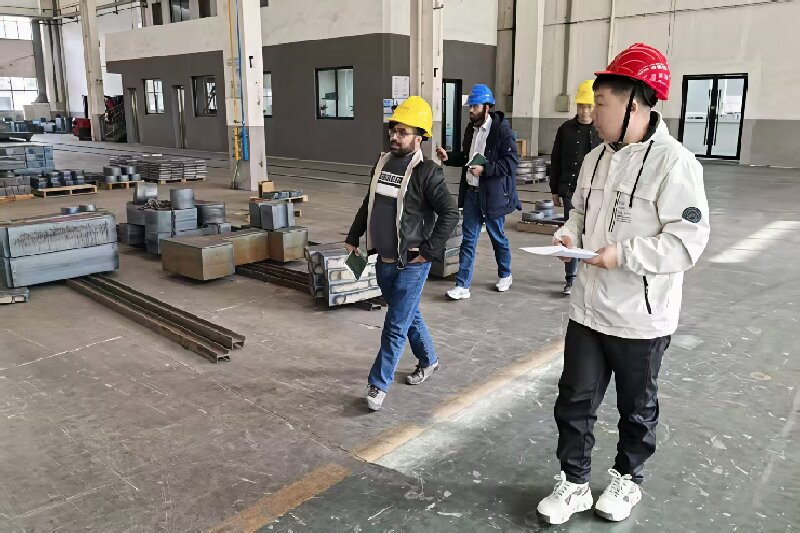
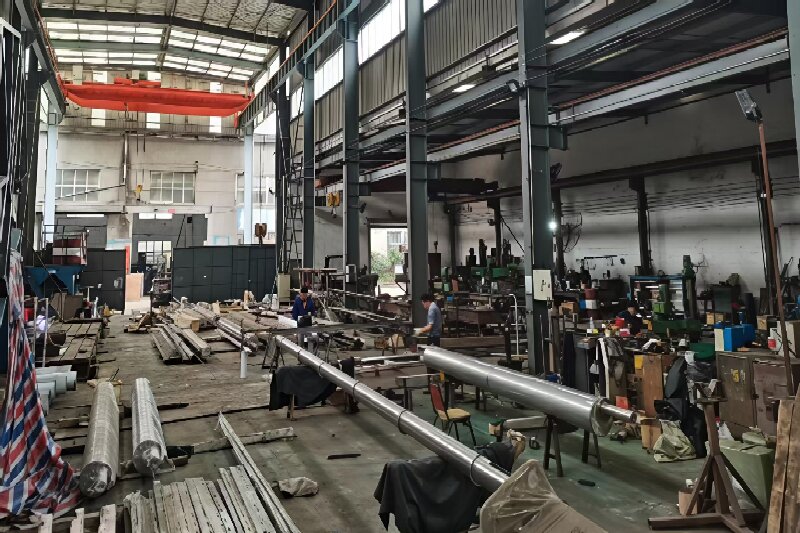
NICKBALER prides itself on a strict quality management system and a dedicated team of over 50 skilled employees, including 10 technical experts. We provide integrated services that span pre-sales consultation, customized design, production, and exceptional after-sales support. With established after-sales service centers in India, Dubai, Australia, and the United States, we ensure our global clients receive fast and reliable support wherever they are.

The company is committed to "maximizing customer benefits" through efficient, safe, and cost-effective solutions for handling waste paper, plastic, metal, textiles, agricultural waste, and more. Our advanced technology, coupled with rich R&D experience, allows us to provide customized solutions for diverse industries such as food, pharmaceuticals, packaging, chemicals, electronics, and waste treatment.
Selecting the optimal vertical baler requires analyzing several operational parameters to ensure a high return on investment (ROI):
By partnering with an experienced manufacturer like NICKBALER, businesses receive tailored consulting, ensuring the selected machinery perfectly aligns with their specific waste profiles and space availability, maximizing operational efficiency and sustainability targets.
At NICKBALER, we believe in creating sustainable, environmentally friendly solutions that drive innovation and efficiency for businesses worldwide. Let us help you streamline your waste management and recycling operations with our high-quality baling machines and systems.
contact us