Leave Your Message


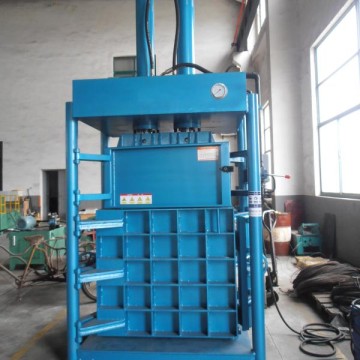
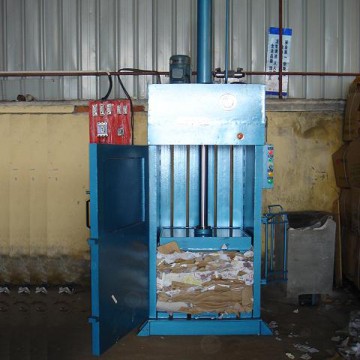
In the modern recycling landscape, efficiency and versatility are the cornerstones of profitable waste management operations. As municipalities and private enterprises strive to meet strict environmental targets, the demand for adaptable recycling machinery has skyrocketed. Among these innovations, Pet Bottle Vertical Balers have emerged as a highly effective, dual-purpose solution, demonstrating exceptional performance when adapted for Aluminum Can Recycling. While originally engineered to compress bulky, springy polyethylene terephthalate (PET) bottles, the robust hydraulic systems and structural designs of these vertical balers make them uniquely suited to handle the dense compaction requirements of aluminum beverage cans.
Aluminum is one of the most sustainable materials in the global economy, capable of being recycled infinitely without losing its structural properties. However, the logistics of aluminum scrap present a significant challenge. Empty aluminum cans are highly voluminous yet lightweight, leading to high transportation costs and inefficient storage. Pet Bottle Vertical Balers address this bottleneck directly. By applying high hydraulic pressure within a compact vertical footprint, these machines compress loose cans into dense, stackable, and easily transportable bales, dramatically lowering overhead costs and increasing the commercial viability of recycling programs.
The global aluminum recycling market is experiencing rapid expansion, driven by corporate sustainability pledges, rising raw material costs, and consumer demand for eco-friendly packaging. Aluminum can recycling is not just an environmental imperative; it is a highly lucrative industrial sector. Producing aluminum from recycled scrap consumes up to 95% less energy than refining it from virgin bauxite ore. This massive energy savings translates directly into cost reductions for manufacturers and a significantly lower carbon footprint.
For recycling centers, scrap yards, and retail facilities, the primary goal is to process incoming waste as quickly and densely as possible. Traditionally, facilities maintained separate baling systems for plastics and metals. However, modern commercial pressures have forced a shift toward multi-material processing. Pet Bottle Vertical Balers offer a cost-effective compromise. Their heavy-duty construction, designed to withstand the high rebound force of PET plastic, translates perfectly to the rigid deformation required to crush aluminum cans. This versatility allows small to medium-sized recycling facilities to process multiple high-value waste streams using a single investment, maximizing equipment utilization rates and accelerating return on investment (ROI).
By utilizing a single vertical hydraulic press for both PET bottles and aluminum cans, facilities can reduce capital expenditure (CAPEX) by up to 40%, optimize floor space, and simplify operator training and maintenance schedules.
How exactly does a vertical baler transition from PET to aluminum? The answer lies in the machine's structural engineering. Aluminum cans require a high initial force to buckle their cylindrical structure, but once deformed, they do not exhibit the same "memory" or spring-back effect as PET bottles. A high-quality PET bottle vertical baler features heavy-duty guide structures, robust hydraulic cylinders, and high-tensile steel chambers that easily accommodate the physical demands of metal compaction.
Let's explore the primary application scenarios where these machines excel:
The recycling machinery industry is undergoing a digital transformation. Modern vertical balers are no longer simple mechanical presses; they are increasingly integrated with smart technologies. One of the most significant trends is the inclusion of programmable logic controllers (PLCs) with pre-set programs for different materials. With the touch of a button, an operator can switch the machine from "PET Mode" (which might feature longer pressure hold times to prevent plastic expansion) to "Aluminum Mode" (optimized for rapid compaction cycles and specific bale densities).
Furthermore, IoT integration allows fleet managers to monitor baler performance remotely. Sensors track hydraulic oil temperature, cycle counts, energy consumption, and bale weight. This data enables predictive maintenance, reducing unexpected downtime and ensuring the machine operates at peak efficiency. In larger facilities, automated bale-tying systems and smart weight sensors ensure that every bale meets the strict quality and density standards required by aluminum smelters, preventing price deductions or rejected loads.
The adoption of efficient baling technology is a critical catalyst for the circular economy. By densifying aluminum cans at the source, businesses reduce the number of truck trips required to transport waste, directly lowering transportation emissions. A fully loaded flatbed truck carrying loose cans is highly inefficient; the same truck carrying dense, baled aluminum can transport up to ten times the weight, maximizing transport efficiency and reducing road congestion.
Moreover, keeping aluminum and PET clean and compacted prevents contamination. Smelters and plastic reclaimers require high-purity raw materials. The controlled compaction chamber of a vertical baler minimizes the risk of foreign objects entering the bale, ensuring that the processed material can be successfully melted down and reintegrated into new consumer products, closing the loop on waste.

NICKBALER is a leading manufacturer and distributor of advanced hydraulic balers and environmental protection machinery. Established in 2006, the company specializes in designing, developing, producing, and selling packaging and baling equipment tailored to industries worldwide. With over 80-90% of its products exported to more than 60 countries, including North America, Europe, Asia, and the Middle East, NICKBALER has become a trusted name in waste recycling and baling solutions.


Our product line includes horizontal and vertical balers, hydraulic baling presses, PET bottle balers, metal compressors, shredders, and various auxiliary equipment, making us a one-stop solution for industries like agriculture, recycling, manufacturing, packaging, and waste management. Our machinery is inspired by German, European, and American technology, ensuring high quality and innovation in every product.

NICKBALER prides itself on a strict quality management system and a dedicated team of over 50 skilled employees, including 10 technical experts. We provide integrated services that span pre-sales consultation, customized design, production, and exceptional after-sales support. With established after-sales service centers in India, Dubai, Australia, and the United States, we ensure our global clients receive fast and reliable support wherever they are.

The company is committed to "maximizing customer benefits" through efficient, safe, and cost-effective solutions for handling waste paper, plastic, metal, textiles, agricultural waste, and more. Our advanced technology, coupled with rich R&D experience, allows us to provide customized solutions for diverse industries such as food, pharmaceuticals, packaging, chemicals, electronics, and waste treatment.


At NICKBALER, we believe in creating sustainable, environmentally friendly solutions that drive innovation and efficiency for businesses worldwide. Let us help you streamline your waste management and recycling operations with our high-quality baling machines and systems.
Contact Us