Leave Your Message
Discover our most trusted baling machines powering corporate sustainability programs across 60+ countries.
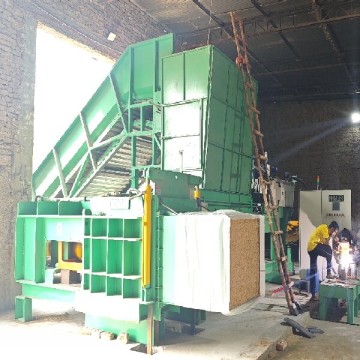
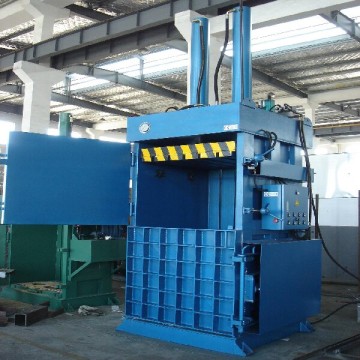
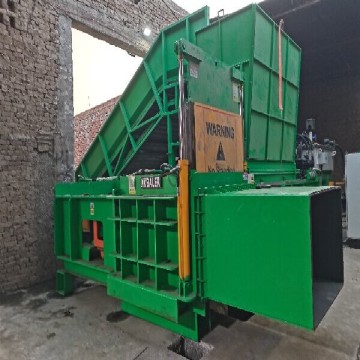
As global corporations accelerate their Environmental, Social, and Governance (ESG) commitments, PET bottle baling machines have emerged as a cornerstone technology in enterprise-level sustainability programs. Every year, the world generates over 500 billion PET plastic bottles — and less than 30% are effectively recycled. For corporations in retail, food & beverage, manufacturing, hospitality, and logistics, managing this waste stream responsibly is no longer optional — it is a regulatory and reputational imperative.
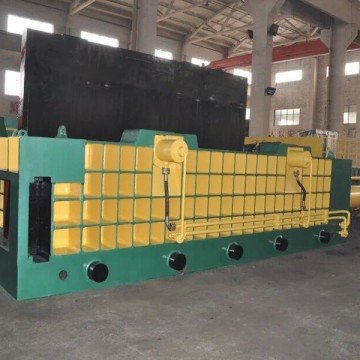
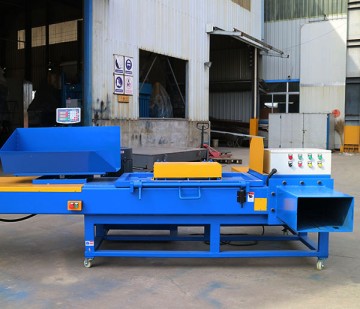
A high-performance PET bottle baling machine compresses loose plastic bottles into dense, uniform bales that can be efficiently transported, stored, and sold to recycling processors. This directly reduces landfill dependency, cuts carbon emissions from waste transport, and generates a recoverable material asset that offsets operational costs. For multinational corporations operating large facilities, the ROI on baling equipment is typically achieved within 12–24 months.
Beyond cost savings, integrating baling technology into corporate waste management systems supports compliance with international environmental standards including ISO 14001, the EU Packaging and Packaging Waste Directive, and Extended Producer Responsibility (EPR) legislation expanding across North America, Europe, and Asia-Pacific.
Understanding the macro forces reshaping how corporations invest in baling and recycling infrastructure.
With over 90% of S&P 500 companies now publishing ESG reports, measurable waste reduction metrics — including baled material volumes and diversion rates — have become key performance indicators. Institutional investors and sustainability rating agencies scrutinize plastic waste management practices, making baling equipment a boardroom-level investment decision.
The UN Global Plastics Treaty, the EU Single-Use Plastics Directive, and national EPR schemes are forcing corporations to demonstrate active plastic recovery. PET bottle baling machines enable businesses to document and quantify their plastic recovery volumes, providing verifiable compliance data for regulatory reporting and third-party audits.
Forward-thinking corporations are transitioning from linear "take-make-dispose" models to circular approaches where post-consumer PET is treated as a feedstock. Baled PET bottles command premium prices from rPET manufacturers supplying the textile, packaging, and automotive sectors — transforming waste streams into revenue-generating circular supply chains.
Modern PET baling machines are increasingly integrated with IoT sensors, PLC control systems, and real-time monitoring dashboards. Smart balers can report throughput data, maintenance alerts, and bale weight metrics directly to corporate sustainability management platforms, enabling data-driven decision-making and remote fleet management across multi-site operations.
Rapid urbanization across Southeast Asia, Sub-Saharan Africa, and Latin America is driving massive investment in waste management infrastructure. Corporations establishing manufacturing or retail operations in these regions are deploying baling equipment as part of their market-entry sustainability commitments, often supported by development finance institutions and green bonds.
Global demand for recycled PET (rPET) has surged, driven by brand owners committing to 25–50% recycled content in packaging by 2025–2030. The value of clean, well-baled PET flake has increased significantly, making high-density baling a commercially attractive proposition for corporations that can capture and sell their own plastic waste streams.
From retail chains to industrial parks — explore how leading organizations deploy PET baling machines across diverse operational contexts.
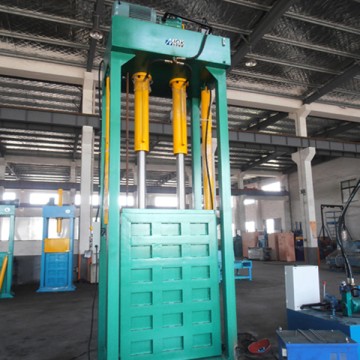
Large-format retailers and supermarket chains generate enormous volumes of PET bottle waste from in-store consumption, back-of-house operations, and customer return programs. Compact vertical or horizontal PET balers installed in store receiving areas enable staff to process bottles on-site, dramatically reducing waste collection frequency and associated costs. Chains with 100+ locations can achieve six-figure annual savings while simultaneously meeting corporate sustainability targets.
Beverage manufacturers and food processing facilities produce significant quantities of rejected, off-specification, or post-fill PET bottles. High-throughput industrial PET balers integrated directly into production lines allow continuous baling without interrupting manufacturing workflows. The resulting bales are sold back to PET resin producers, creating a closed-loop material flow that supports Scope 3 emissions reduction goals.
International hotel groups and resort operators face increasing guest and investor pressure to demonstrate tangible sustainability credentials. On-property PET baling machines enable hospitality businesses to segregate, compact, and recycle guest-generated plastic waste efficiently. This supports Green Key, LEED, and BREEAM certification requirements, enhancing brand positioning and attracting environmentally conscious travelers and corporate clients.
Industrial estates and free trade zones hosting multiple tenant companies benefit from centralized PET baling facilities that serve all occupants. A shared baling infrastructure model reduces per-tenant capital costs while achieving economies of scale in bale volume and material quality. Zone operators can monetize baled PET as a revenue stream, partially offsetting facility management costs and demonstrating collective environmental accountability to zone authorities.
Higher education institutions and large public organizations with significant on-campus food service operations generate substantial PET waste. Campus-wide PET baling programs, often student-operated, serve dual purposes: practical waste reduction and environmental education. Universities increasingly report baled material volumes in their annual sustainability reports, supporting rankings in global green university indices.
Logistics and distribution operations generate mixed plastic waste streams including significant PET content from packaging and consumables. On-site baling at ports and distribution centers reduces waste handling costs, minimizes storage footprint, and ensures compliance with port environmental management standards. For international shipping operations, baled PET also represents a tradeable commodity that can be exported to markets with strong rPET demand.
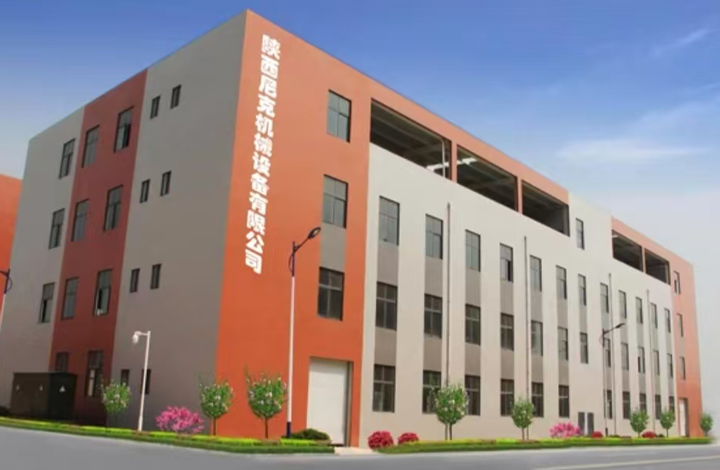


NICKBALER is a leading manufacturer and distributor of advanced hydraulic balers and environmental protection machinery. Established in 2006, the company specializes in designing, developing, producing, and selling packaging and baling equipment tailored to industries worldwide. With over 80–90% of its products exported to more than 60 countries, including North America, Europe, Asia, and the Middle East, NICKBALER has become a trusted name in waste recycling and baling solutions.
Welcome To Learn About Our Company — where innovation meets sustainability, and every bale represents a step toward a cleaner planet.
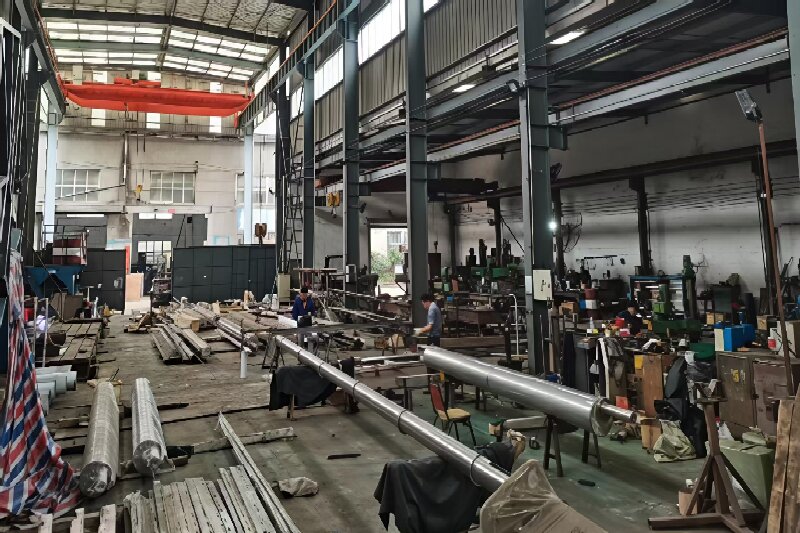
Our product line includes horizontal and vertical balers, hydraulic baling presses, PET bottle balers, metal compressors, shredders, and various auxiliary equipment, making us a one-stop solution for industries like agriculture, recycling, manufacturing, packaging, and waste management. Our machinery is inspired by German, European, and American technology, ensuring high quality and innovation in every product.
Whether you are a multinational corporation implementing a global plastic reduction strategy or a regional enterprise seeking to optimize waste handling costs, NICKBALER offers scalable baling solutions engineered to meet your specific throughput, space, and automation requirements.
Built on two decades of engineering excellence and global service expertise.

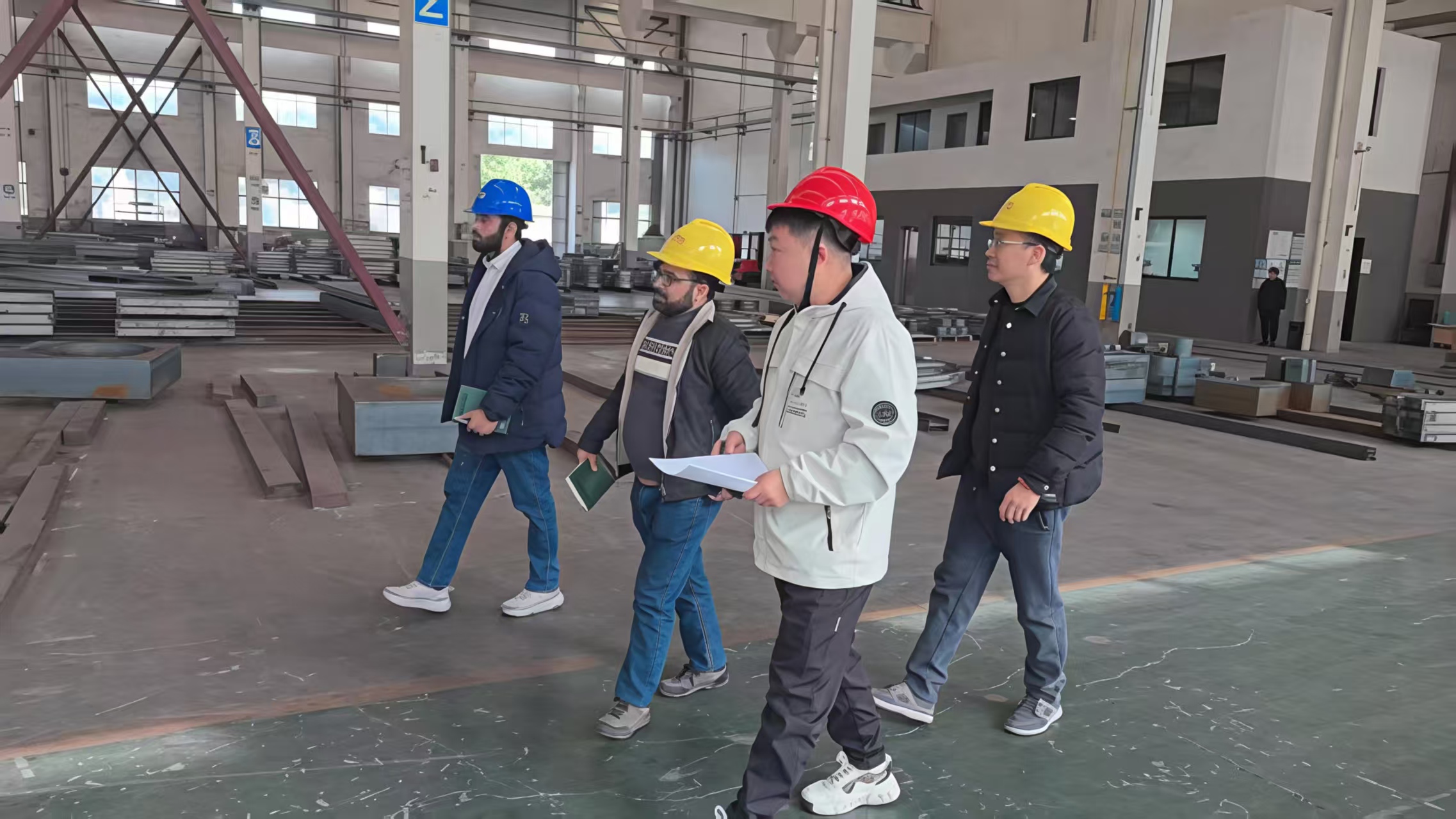
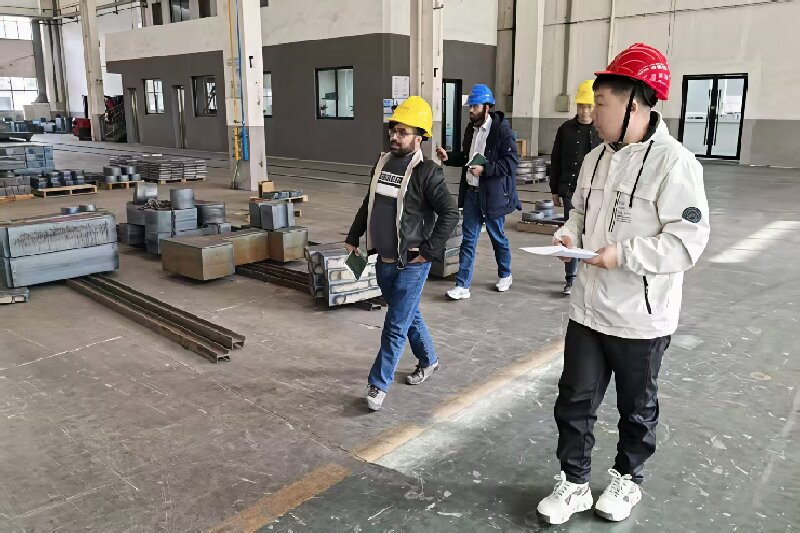
NICKBALER prides itself on a strict quality management system and a dedicated team of over 50 skilled employees, including 10 technical experts. We provide integrated services that span pre-sales consultation, customized design, production, and exceptional after-sales support. With established after-sales service centers in India, Dubai, Australia, and the United States, we ensure our global clients receive fast and reliable support wherever they are.

The company is committed to "maximizing customer benefits" through efficient, safe, and cost-effective solutions for handling waste paper, plastic, metal, textiles, agricultural waste, and more. Our advanced technology, coupled with rich R&D experience, allows us to provide customized solutions for diverse industries such as food, pharmaceuticals, packaging, chemicals, electronics, and waste treatment.
At NICKBALER, we believe in creating sustainable, environmentally friendly solutions that drive innovation and efficiency for businesses worldwide. Let us help you streamline your waste management and recycling operations with our high-quality baling machines and systems.
Contact Us Today
Explore our full range of baling machines engineered to support every aspect of your corporate green initiative.