
How to Increase Bale Density & Avoid Low Purchase Price from Scrap Merchants?
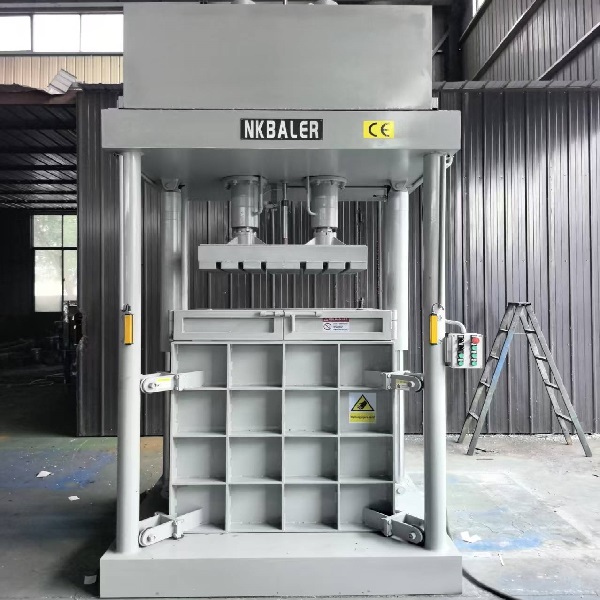
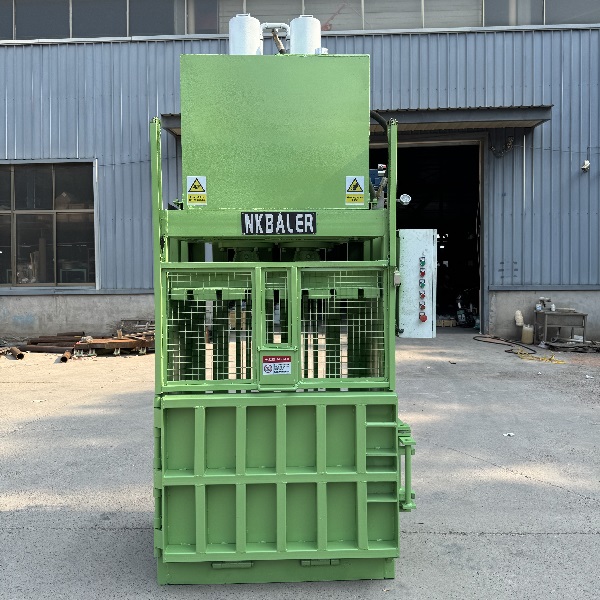
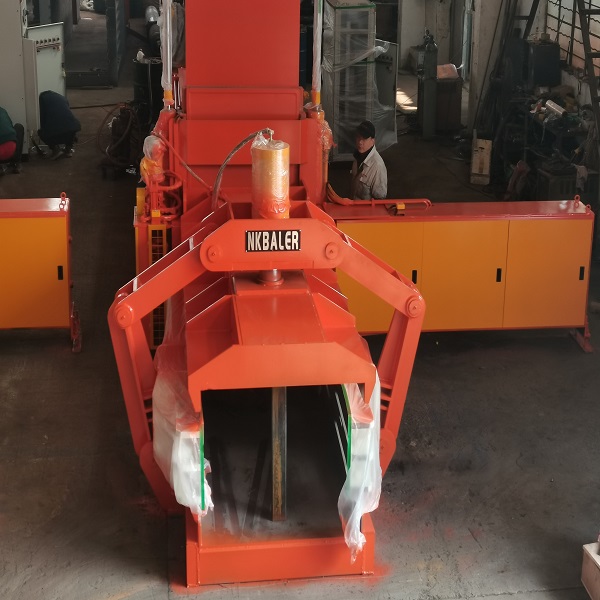
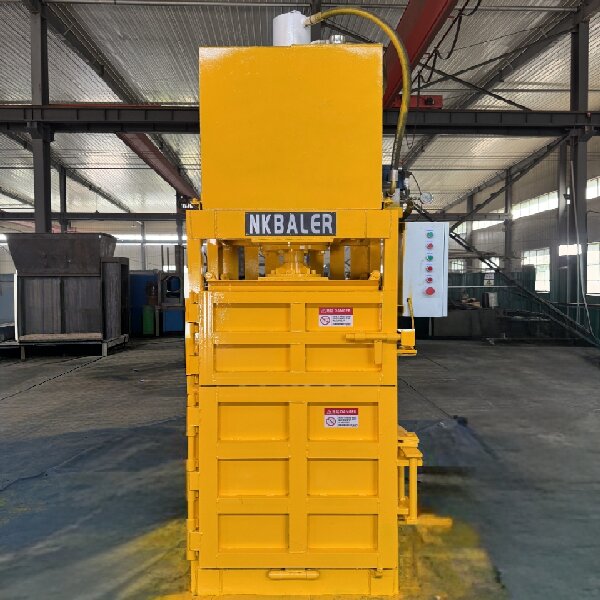
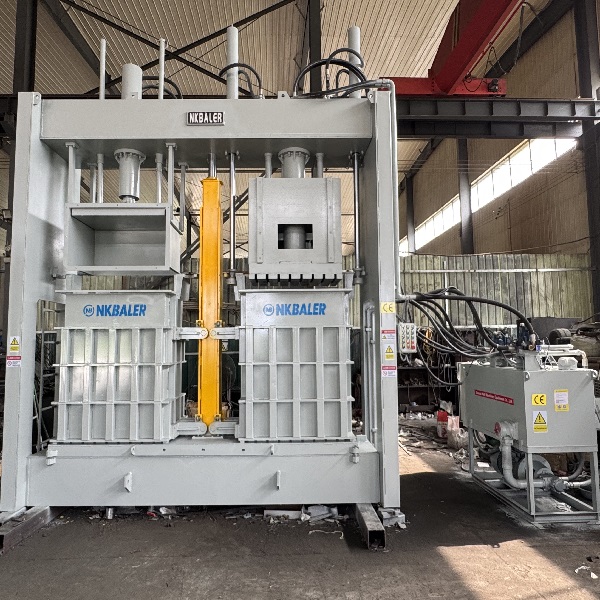
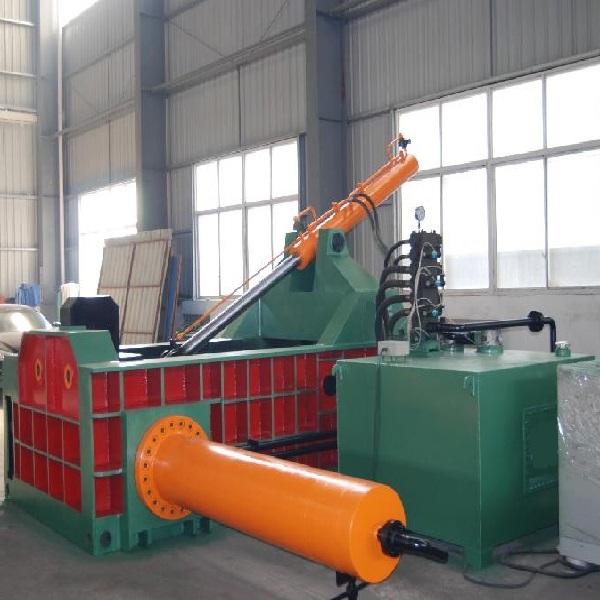
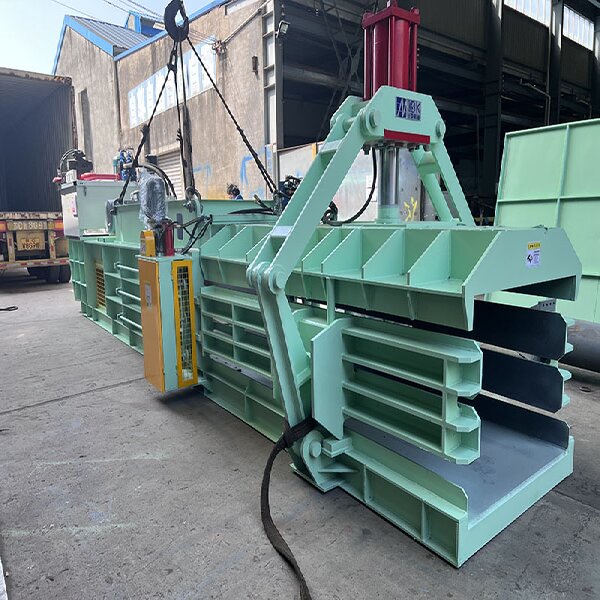
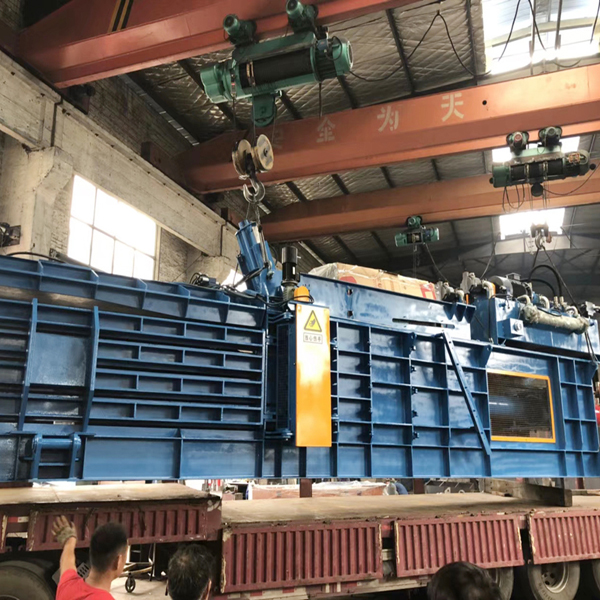
Loose bales are a common problem in the waste recycling industry, which easily leads to substandard material grades during inspection. Improving bale density through professional equipment adjustment is the key to solving loose bales and optimizing recycling quality. Stable bale density is the core standard for measuring waste baling quality and helps enterprises standardize material storage and transportation.
To effectively improve bale density, the first step is to optimize the hydraulic pressure parameters. Match appropriate hydraulic output pressure according to different waste materials such as plastic, cardboard and metal scraps. Insufficient pressure will cause incomplete compression, while excessive pressure will damage equipment parts. Secondly, adjust the feeding and compaction rhythm. Uniform layered feeding avoids excessive local gaps and significantly improves overall bale density.
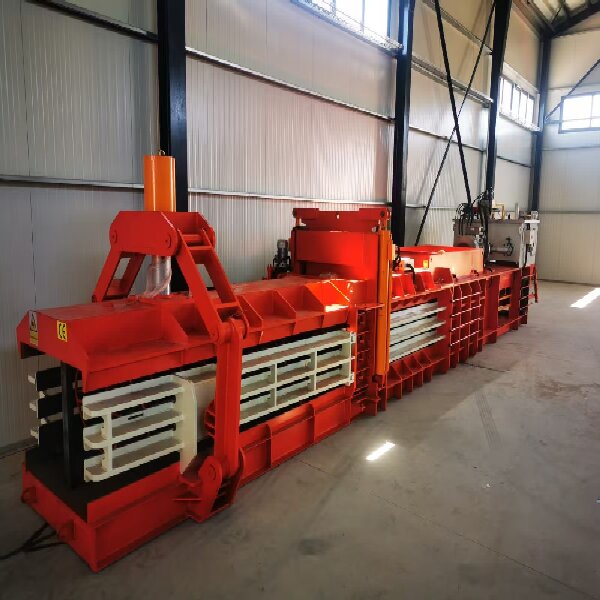
Daily equipment maintenance also affects bale density. Regularly clean residual sundries in the compression chamber and check the wear of seals and push plates to ensure good airtightness and reduce material rebound during compression. Adjust bale length and strapping spacing according to material characteristics to lock the compressed shape and prevent loose deformation. Standardized adjustment can steadily improve bale density and standardize waste recycling quality.
Nick Brand Hydraulic Baler belongs to a specialized enterprise integrating the development, production, sales and service of hydraulic machinery and packaging machinery. We pursue professionalism through dedication, build reputation with integrity, and drive sales via quality service. We are your optimal choice.
https://www.nickbaler.com
Email:Sales@nkbaler.com
WhatsApp:+86 15021631102