
Leave Your Message
In the modern era of globalized trade and rapid e-commerce expansion, logistics and supply chain management face an unprecedented challenge: the cost of shipping air. As freight carriers across maritime, air, and ground transportation increasingly adopt Dimensional Weight (DIM) pricing models, the physical volume of a shipment has become just as critical—if not more so—than its actual gross weight. This paradigm shift has propelled the Manual Baler Machine for Shipping Space Optimization from a simple waste management tool into a strategic asset for industrial profitability and environmental sustainability.
Currently, industrial sectors ranging from retail distribution to agricultural processing are experiencing skyrocketing freight rates. When uncompressed materials—such as corrugated cardboard, loose textiles, agricultural fibers, or plastic packaging—are loaded into standard 20-foot or 40-foot shipping containers, up to 60% of the interior volume can consist of empty space. This inefficiency leads to a higher number of shipments, increased fuel consumption, elevated Scope 3 carbon emissions, and severely diminished profit margins. The introduction of high-density baling technology addresses this bottleneck directly by converting loose, voluminous materials into standardized, dense geometric blocks that perfectly tessellate within cargo holds.
While fully automated, multi-million-dollar baling systems dominate mega-recycling facilities, the commercial reality for mid-sized enterprises, regional fulfillment centers, and specialized export factories dictates a different approach. Manual and semi-automatic baler machines offer the perfect equilibrium between capital expenditure (CAPEX) and operational efficiency. They require significantly lower initial investment, possess smaller physical footprints, and offer the flexibility to handle varied material streams without complex reprogramming. In emerging markets and decentralized supply chains, the reliability, ease of maintenance, and robust mechanical design of these manual machines make them indispensable for everyday shipping space optimization.
Increase standard TEU container payload efficiency by up to 300% through high-density material compaction.
Mitigate the financial impact of Dimensional Weight (DIM) pricing by drastically reducing shipment volume.
Fewer transport vehicles on the road and sea directly translates to significantly lower greenhouse gas emissions.
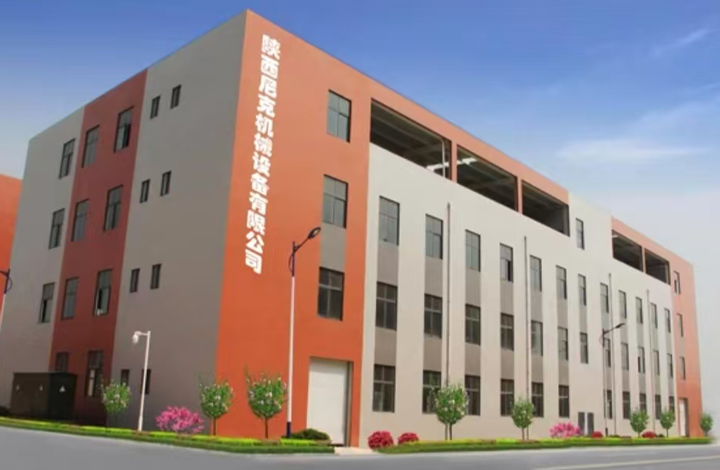
NICKBALER is a leading manufacturer and distributor of advanced hydraulic balers and environmental protection machinery. Established in 2006, the company specializes in designing, developing, producing, and selling packaging and baling equipment tailored to industries worldwide. With over 80-90% of its products exported to more than 60 countries, including North America, Europe, Asia, and the Middle East, NICKBALER has become a trusted name in waste recycling and shipping space optimization solutions.
Our product line includes horizontal and vertical balers, hydraulic baling presses, PET bottle balers, metal compressors, shredders, and various auxiliary equipment, making us a one-stop solution for industries like agriculture, recycling, manufacturing, packaging, and waste management. Our machinery is inspired by German, European, and American technology, ensuring high quality and innovation in every product.
Years Industry Experience
Exported Countries
Skilled Employees
Technical Experts
The application of a Manual Baler Machine for Shipping Space Optimization extends far beyond basic cardboard recycling. Modern industries have discovered that strategic compaction at the point of origin fundamentally alters the logistics equation. Let us explore the deep-dive scenarios where these machines are reshaping industry standards.
In the e-commerce sector, fulfillment centers generate mountains of packaging waste daily. Furthermore, reverse logistics (handling returns) often involves processing damaged boxes and void-fill materials. Instead of paying waste management companies to haul away dumpsters filled mostly with air, facilities utilize vertical manual balers to compress corrugated cardboard (OCC) and plastic films. These dense bales are not only cheaper to transport but can actually be sold to paper mills as a revenue stream, turning a logistical liability into a profitable asset.
The global second-hand clothing trade and textile recycling industries rely heavily on maritime shipping. Loose clothing is incredibly voluminous. By utilizing specialized lifting chamber balers (such as the NK30LT and NK60LT models), facilities can compress textiles into tight, moisture-resistant bales. This process removes the trapped air between fabric layers, allowing exporters to pack up to 25-28 tons of textiles into a single 40-foot High Cube container. Without this compaction, the same container might only hold 10-12 tons, doubling the per-unit freight cost.
Agricultural byproducts like coco peat, sawdust, and alfalfa hay are highly sought after globally for animal bedding, horticulture, and biomass energy. However, their loose, granular, or fibrous nature makes them economically unviable to ship over long distances. Specialized manual and semi-automatic balers (like the NKB200) compress these materials into solid blocks. For example, coco peat is often compressed at a 5:1 ratio. When water is added at the destination, it expands back to its original volume. This compression technique is the sole reason international trade in these agricultural substrates is financially possible.
At major port logistics hubs, consolidation centers use heavy-duty horizontal balers to process mixed commercial waste and recyclable packaging before it is loaded onto cargo ships. By maximizing the density of the bales to match the maximum weight limit of the shipping container, logistics companies ensure they are not paying for "dead space." The geometric uniformity of the bales allows for precise stacking, optimizing the center of gravity within the container and enhancing safety during rough sea transits.

NICKBALER prides itself on a strict quality management system and a dedicated team of skilled employees and technical experts. We provide integrated services that span pre-sales consultation, customized design, production, and exceptional after-sales support. With established after-sales service centers in India, Dubai, Australia, and the United States, we ensure our global clients receive fast and reliable support wherever they are.

The company is committed to "maximizing customer benefits" through efficient, safe, and cost-effective solutions for handling waste paper, plastic, metal, textiles, agricultural waste, and more. Our advanced technology, coupled with rich R&D experience, allows us to provide customized solutions for diverse industries such as food, pharmaceuticals, packaging, chemicals, electronics, and waste treatment.
The landscape of the Manual Baler Machine for Shipping Space Optimization is not static. As industries evolve toward Industry 4.0 standards, even manually operated and semi-automatic compaction equipment is undergoing a technological renaissance. The intersection of mechanical brute force and digital intelligence is creating a new generation of "smart" balers.
While the loading and tying processes may remain manual to keep costs down, the internal monitoring systems are becoming highly advanced. Modern balers are increasingly equipped with IoT (Internet of Things) sensors that monitor hydraulic fluid levels, cylinder pressure, and operating temperatures. AI-driven predictive maintenance algorithms analyze this data to alert operators before a mechanical failure occurs, drastically reducing downtime in fast-paced shipping environments. Furthermore, integrated load cells can weigh the bale in real-time, ensuring that each block meets the precise weight requirements for optimal container loading without exceeding legal transport limits.
Historically, manual balers required significant physical exertion. The current trend prioritizes operator ergonomics and safety. Innovations include automatic bale ejection systems, precision-guided lifting doors, and dual-hand operation consoles that ensure the operator's hands are clear of the compaction chamber. Advanced photoelectric sensors and safety interlocks immediately halt the hydraulic press if any foreign object or personnel enters the danger zone. This focus on safety not only protects workers but also lowers insurance premiums for logistics companies.
The boundary between manual and automatic is blurring. We are seeing a rise in hybrid systems where the compaction cycle is fully automated via programmable logic controllers (PLCs), while the feeding and wire-tying remain manual. This provides the high-density compaction required for shipping space optimization without the massive footprint and expense of an auto-tie system. These hybrid machines represent the sweet spot for growing export businesses looking to scale their operations sustainably.
Take a glimpse into our state-of-the-art manufacturing facilities where innovation meets heavy-duty engineering.
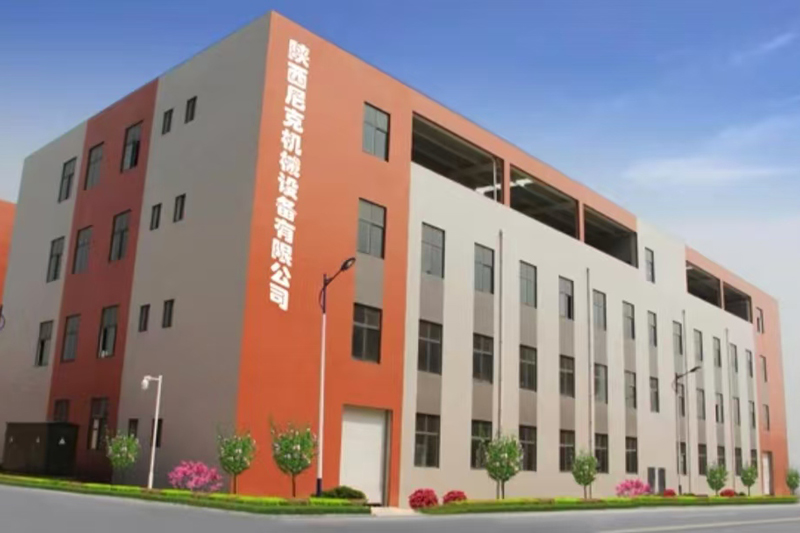
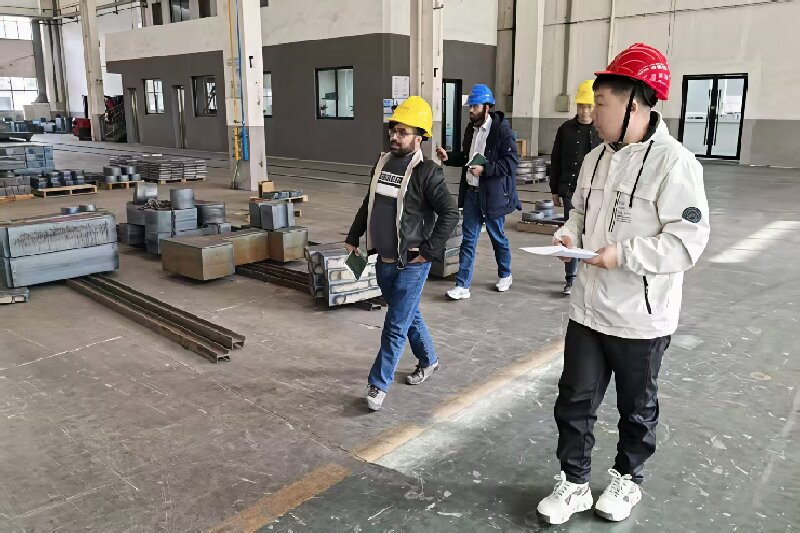
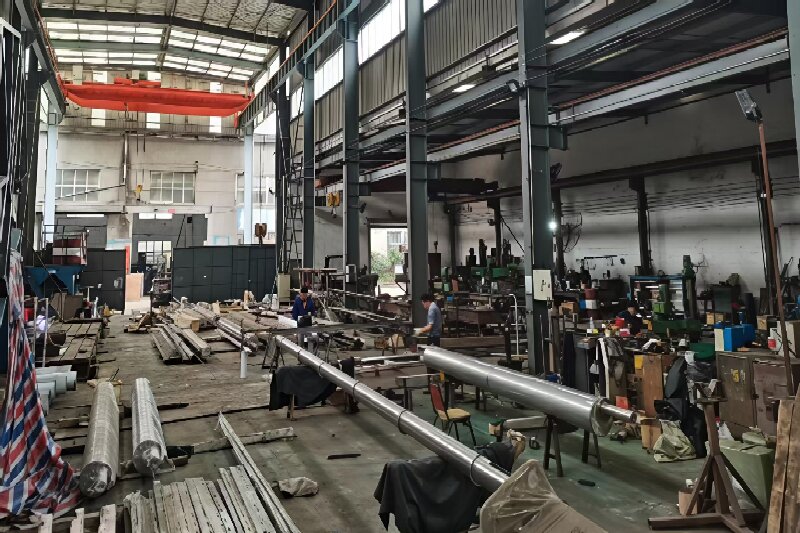
At NICKBALER, we believe in creating sustainable, environmentally friendly solutions that drive innovation and efficiency for businesses worldwide. Let us help you streamline your waste management and shipping space optimization operations with our high-quality baling machines and systems.
Explore our full catalog of manual, semi-automatic, and horizontal balers designed to minimize volume and maximize shipping efficiency.
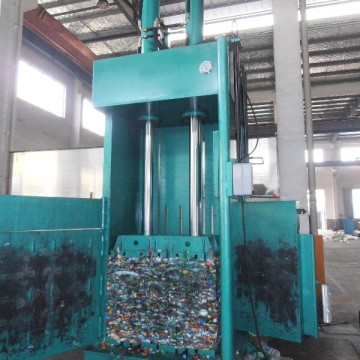 NK070T100 Space-Optimized Double-cylinder Vertical Baler
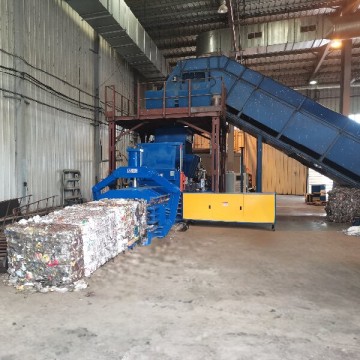 NKW125QT High-Density Horizontal Baler
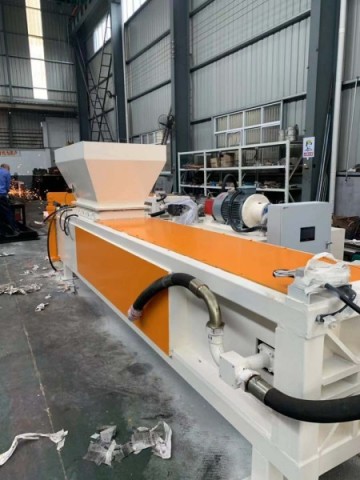 NKB200 Sawdust & Coco Peat Freight Baler
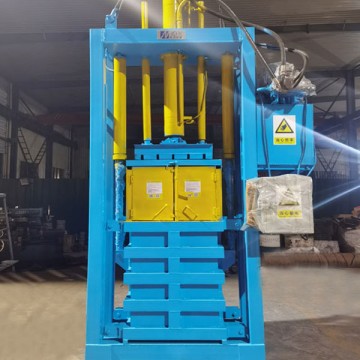 NK30LT Textile Export Space Optimizer
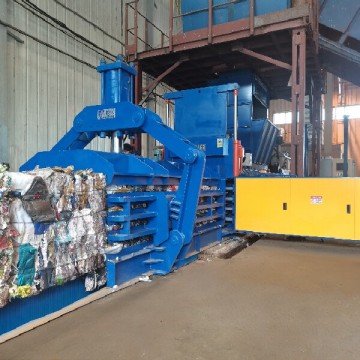 NKW100QT Logistics-Grade Horizontal Baler
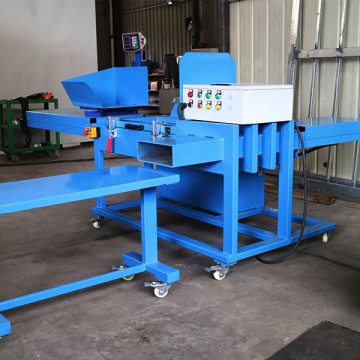 NKB20 High-Capacity Rag Baler
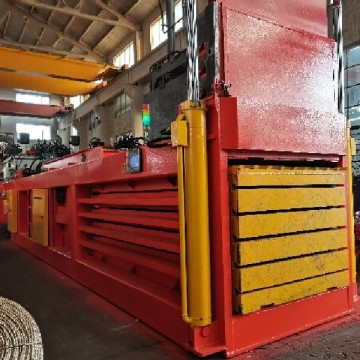 NKW80BD Warehouse Space Maximization Baler
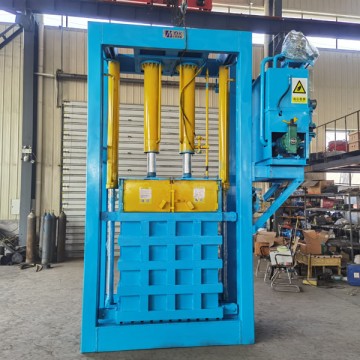 NK60LT Heavy-Duty Shipping Logistics Baler