
Leave Your Message
Explore our top-tier hydraulic baling machines configured for multi-material recycling workflows.

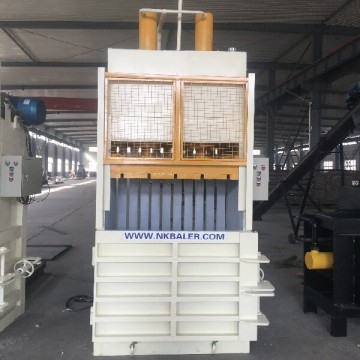


In modern waste management and resource recovery facilities, efficiency is paramount. Traditionally, industrial balers were designed with specific materials in mind—cardboard balers for paper products and metal scrap balers for aluminum cans. However, the modern recycling landscape demands versatile, multi-material compaction solutions. The use of a heavy-duty industrial cardboard baler for aluminum can recycling represents a significant leap forward in operational flexibility and cost-efficiency for small to medium scale recycling facilities, distribution centers, and manufacturing plants.
By adjusting hydraulic pressures, cycle times, and utilizing custom ejection configurations, high-quality horizontal and vertical balers can seamlessly transition between compressing bulky OCC (Old Corrugated Containers) and lightweight non-ferrous metals like aluminum beverage cans. This cross-material capability minimizes the capital expenditure required for purchasing multiple dedicated machines, optimizes floor space, and streamlines the sorting-to-baling workflow.
Retail giants, manufacturing plants, and municipal recovery facilities face a common logistical challenge: they generate massive volumes of both corrugated cardboard packaging and aluminum packaging waste daily. Investing in separate machinery is often cost-prohibitive. Modern heavy-duty hydraulic baling presses are now engineered with programmable logic controllers (PLCs) that allow operators to switch material profiles with the touch of a button, adjusting the system parameters to safely bale either material.
The global recycling industry is undergoing a massive transformation driven by strict environmental regulations, corporate ESG (Environmental, Social, and Governance) mandates, and the rising economic value of secondary raw materials. Aluminum, in particular, is one of the most sustainable materials available because it can be recycled infinitely without losing its material properties. Recycling aluminum saves up to 95% of the energy required to produce primary aluminum from bauxite ore.
Simultaneously, the boom in e-commerce has led to unprecedented levels of cardboard waste. Consequently, recycling facilities must process mixed streams of waste efficiently. Industrial cardboard balers equipped with high-pressure hydraulic cylinders and wear-resistant liners are increasingly being adopted to double as aluminum can compactors. By utilizing a single footprint to process both materials, businesses can drastically reduce their overhead costs while maximizing the market value of their baled recyclables.
Can an industrial cardboard baler safely compress aluminum cans? The answer lies in the engineering specifications of the machine. While cardboard requires deep penetration and consistent holding pressure to overcome the material's natural elasticity, aluminum cans require high initial force to crush the rigid cylindrical structures, followed by containment to prevent the crushed cans from spilling out of the bale chamber.
To successfully compress aluminum cans in a baler primarily designed for cardboard, the machine must feature a robust hydraulic system. The cylinder must deliver sufficient pressure (often exceeding 40 to 100 tons of force depending on the model) to deform the aluminum. Advanced PLCs allow the operator to select the "Metal/Can" mode, which alters the ram's stroke depth and dwell time to ensure maximum compaction density.
Aluminum is more abrasive than cardboard. Therefore, balers utilized for dual purposes should be fitted with replaceable wear-resistant plates (such as Hardox steel liners) inside the compaction chamber. This prevents premature wear of the structural steel framework. Furthermore, a closed-end chamber design or a lifting gate system (such as the one found in the NKW100QT) is highly recommended to contain the loose cans during the initial compression cycles before they are bound together.
Cardboard bales are held together easily by standard wire ties because the expanded fibers apply outward pressure against the wires. Aluminum cans, however, have no natural expansion or interlocking fibers. They rely entirely on tight, multi-line wire strapping to remain intact. Horizontal automatic tie balers solve this by applying precise tension to the steel wires, ensuring the aluminum bale remains solid during transport and storage.
Fulfillment centers handle thousands of incoming shipments daily, resulting in massive amounts of cardboard packaging. At the same time, employee breakrooms and facility operations generate significant volumes of aluminum beverage cans. By placing a medium-to-large horizontal semi-automatic baler (like the NKW200BD) at the central waste disposal dock, the facility can process cardboard throughout the shift, and dedicate the final hour of operations to baling collected aluminum cans. This dual-use strategy maximizes the ROI of the waste management equipment.
In MRFs, municipal solid waste is sorted using optical sorters, magnets, and eddy current separators. Once sorted, the cardboard and aluminum cans are directed to their respective holding bins. A heavy-duty fully automatic horizontal baler (such as the NKW160Q) positioned at the end of the sorting lines can be fed continuously. The system's PLC is integrated with the sorting line's control software, automatically adjusting the compaction settings based on the material currently being routed to the hopper.
Beverage packaging plants generate scrap aluminum from defective cans and massive volumes of cardboard from packaging defects and raw material shipments. A vertical double-cylinder baler (like the NK1070T40) provides a compact, high-pressure footprint directly on the production floor, allowing operators to immediately bale waste materials as they are produced, keeping the production area clean and compliant with safety standards.
The future of industrial waste management lies in intelligent automation. Next-generation industrial balers are being equipped with IoT (Internet of Things) sensors that monitor hydraulic oil temperature, pressure levels, motor efficiency, and bale weight in real-time. AI algorithms can predict when a component is likely to fail, scheduling preventive maintenance before downtime occurs. Additionally, smart balers can automatically detect the density and moisture content of the incoming material, adjusting the compression cycle dynamically to achieve the perfect bale density every time, whether it is cardboard, plastic, or aluminum cans.


Welcome To Learn About Our Company
NICKBALER is a leading manufacturer and distributor of advanced hydraulic balers and environmental protection machinery. Established in 2006, the company specializes in designing, developing, producing, and selling packaging and baling equipment tailored to industries worldwide. With over 80-90% of its products exported to more than 60 countries, including North America, Europe, Asia, and the Middle East, NICKBALER has become a trusted name in waste recycling and baling solutions.
Our product line includes horizontal and vertical balers, hydraulic baling presses, PET bottle balers, metal compressors, shredders, and various auxiliary equipment, making us a one-stop solution for industries like agriculture, recycling, manufacturing, packaging, and waste management. Our machinery is inspired by German, European, and American technology, ensuring high quality and innovation in every product.

Discover the pillars of engineering excellence and customer service that set NICKBALER apart.

NICKBALER prides itself on a strict quality management system and a dedicated team of over 50 skilled employees, including 10 technical experts. We provide integrated services that span pre-sales consultation, customized design, production, and exceptional after-sales support. With established after-sales service centers in India, Dubai, Australia, and the United States, we ensure our global clients receive fast and reliable support wherever they are.

The company is committed to "maximizing customer benefits" through efficient, safe, and cost-effective solutions for handling waste paper, plastic, metal, textiles, agricultural waste, and more. Our advanced technology, coupled with rich R&D experience, allows us to provide customized solutions for diverse industries such as food, pharmaceuticals, packaging, chemicals, electronics, and waste treatment.
Take a virtual tour through our state-of-the-art manufacturing facility and R&D centers.


At NICKBALER, we believe in creating sustainable, environmentally friendly solutions that drive innovation and efficiency for businesses worldwide. Let us help you streamline your waste management and recycling operations with our high-quality baling machines and systems.
Contact UsFrom vertical compactors to large automated horizontal systems, find the perfect fit for your facility.


