Leave Your Message
Explore our top-rated hydraulic press machines engineered for maximum compression efficiency in aluminum can and metal recycling applications.
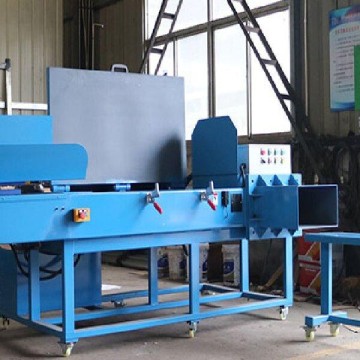
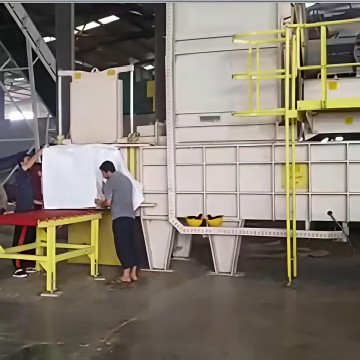
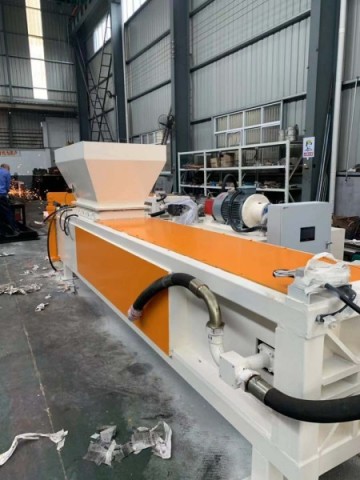
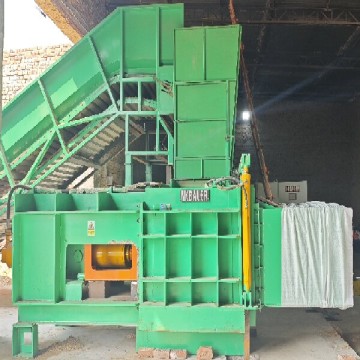
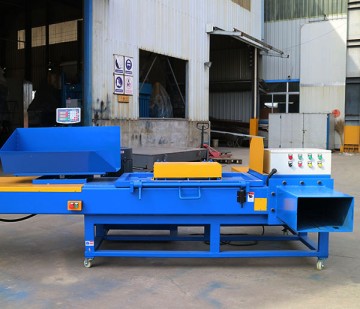
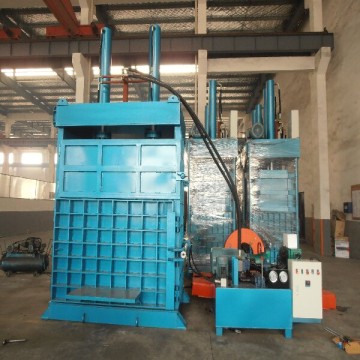
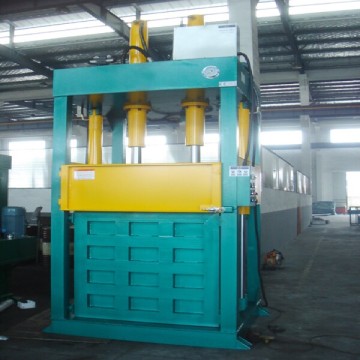
A hydraulic press machine for aluminum can recycling is a heavy-duty industrial compactor that uses high-pressure hydraulic cylinders to crush, compress, and bale large volumes of used aluminum cans into compact, uniform blocks. These dense bales are easier to transport, store, and sell to smelters and secondary aluminum producers.
Unlike simple manual crushers, industrial hydraulic balers can process hundreds to thousands of cans per cycle, generating bale densities exceeding 600 kg/m³. This dramatically reduces logistics costs and increases the value of recovered aluminum material.
Modern hydraulic press machines feature programmable PLC controls, auto-tie wire systems, and variable pressure settings — making them indispensable assets in municipal recycling centers, beverage plants, scrap yards, and aluminum smelting facilities worldwide.
Hydraulic presses achieve compression ratios up to 10:1, reducing aluminum can volume dramatically and maximizing transport efficiency and revenue per load.
Advanced variable-frequency drive (VFD) motors and intelligent hydraulic circuits reduce energy consumption by up to 30% compared to traditional fixed-speed systems.
Programmable logic controllers (PLC) enable one-button operation, automatic cycle management, fault detection, and remote monitoring for minimal downtime.
Reinforced welded steel frames, wear-resistant liners, and hardened hydraulic cylinders ensure decades of reliable operation even under continuous industrial workloads.
By compacting aluminum cans for efficient recycling, hydraulic balers help divert millions of tons of waste from landfills annually, supporting circular economy goals.
Adjustable chamber dimensions and pressure settings allow operators to produce bales tailored to smelter specifications, optimizing downstream processing efficiency.
The global aluminum recycling industry is one of the fastest-growing segments in the waste management sector, driven by surging demand for sustainable materials and stringent environmental regulations.
Aluminum is one of the most valuable recyclable materials in the world. Recycling aluminum requires only 5% of the energy needed to produce primary aluminum from bauxite ore — making it both economically and environmentally compelling. The global aluminum recycling market was valued at over USD 65 billion in 2023 and is projected to exceed USD 100 billion by 2030.
Beverage cans account for a significant share of recycled aluminum. In the United States alone, approximately 100 billion aluminum cans are sold annually, with recycling rates approaching 50%. In Europe and Japan, recycling rates exceed 90%, largely due to mandatory deposit systems and advanced sorting infrastructure.
For recycling facilities, hydraulic press machines are the critical link in the value chain — converting loose, low-density aluminum scrap into high-density bales that command premium prices from smelters. A single horizontal hydraulic baler can process 5–30 tons of aluminum cans per hour, generating bales worth significantly more per ton than uncompressed scrap.
The hydraulic baling machine industry is undergoing rapid technological transformation, driven by automation, digitalization, and sustainability imperatives.
Next-generation hydraulic balers integrate IoT sensors and AI algorithms to monitor hydraulic pressure, oil temperature, and cylinder wear in real time — predicting failures before they occur and reducing unplanned downtime by up to 40%.
Modern recycling facilities are deploying fully automated baling lines where conveyors, shredders, magnetic separators, and hydraulic balers operate in synchronized sequences with minimal human intervention, achieving throughputs of 20+ tons per hour.
Twin-ram hydraulic balers are increasingly adopted for aluminum can recycling because they deliver superior bale density and uniformity. Multi-stage compression technology allows operators to pre-compress material before final baling, maximizing bale weight and transport efficiency.
Solar-powered and regenerative hydraulic systems are emerging in large-scale recycling parks, where excess hydraulic energy is recovered during the ram retraction phase and fed back into the power grid, reducing net energy consumption by 15–25%.
Cloud-connected hydraulic balers allow plant managers to monitor production KPIs, bale counts, energy consumption, and machine health from any device globally — enabling data-driven decisions that optimize throughput and profitability.
Manufacturers are shifting toward modular baler architectures that allow facilities to start with a basic unit and add automated feeding, auto-tie, and ejection modules as business scales — reducing initial capital expenditure while future-proofing operations.
Material Recovery Facilities process thousands of tons of mixed recyclables daily. Hydraulic balers are deployed at the end of sorting lines to compress segregated aluminum cans into market-ready bales, enabling municipalities to generate revenue from recycled materials while reducing landfill costs.
Large-scale beverage manufacturers generate significant volumes of aluminum can trim, defective cans, and production scrap. On-site hydraulic balers allow these facilities to compact waste immediately, reducing storage space requirements and enabling direct sale of baled aluminum to smelters at premium prices.
Scrap metal dealers use hydraulic can balers to process incoming aluminum can volumes from residential, commercial, and industrial sources. By producing dense, uniform bales, dealers can command higher prices from aluminum smelters and secondary producers, significantly improving profit margins per ton.
High-volume beverage consumption venues generate enormous quantities of aluminum cans. Compact vertical hydraulic balers installed on-site allow these venues to manage aluminum waste in-house, reducing waste hauling frequency and costs while participating in corporate sustainability programs.
Secondary aluminum smelters require consistently dense, contamination-free bales for efficient furnace charging. Hydraulic press machines with adjustable pressure settings and integrated magnetic separation ensure that bales meet smelter specifications, reducing processing costs and improving melt yields.
In developing markets across Southeast Asia, Africa, and South America, aluminum can bales are a major export commodity. Hydraulic balers enable local recyclers to produce internationally standardized bales that meet the quality requirements of global aluminum traders and smelters in China, South Korea, and Europe.

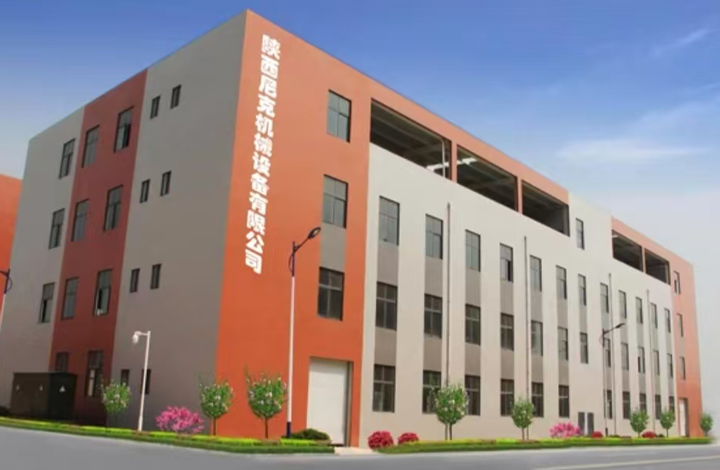
NICKBALER is a leading manufacturer and distributor of advanced hydraulic balers and environmental protection machinery. Established in 2006, the company specializes in designing, developing, producing, and selling packaging and baling equipment tailored to industries worldwide.
With over 80–90% of its products exported to more than 60 countries, including North America, Europe, Asia, and the Middle East, NICKBALER has become a trusted name in waste recycling and baling solutions. Our hydraulic press machines for aluminum can recycling are designed to deliver maximum compression performance, energy efficiency, and long-term reliability.
Our product line includes horizontal and vertical balers, hydraulic baling presses, PET bottle balers, metal compressors, shredders, and various auxiliary equipment, making us a one-stop solution for industries like agriculture, recycling, manufacturing, packaging, and waste management.
Our machinery is inspired by German, European, and American technology, ensuring high quality and innovation in every product. Whether you need a compact vertical baler for a small recycling depot or a fully automated horizontal baling line for a large MRF, NICKBALER has the right solution for your aluminum can recycling operation.
NICKBALER prides itself on a strict quality management system and a dedicated team of over 50 skilled employees, including 10 technical experts. We provide integrated services that span pre-sales consultation, customized design, production, and exceptional after-sales support. With established after-sales service centers in India, Dubai, Australia, and the United States, we ensure our global clients receive fast and reliable support wherever they are.
The company is committed to "maximizing customer benefits" through efficient, safe, and cost-effective solutions for handling waste paper, plastic, metal, textiles, agricultural waste, and more. Our advanced technology, coupled with rich R&D experience, allows us to provide customized solutions for diverse industries such as food, pharmaceuticals, packaging, chemicals, electronics, and waste treatment.
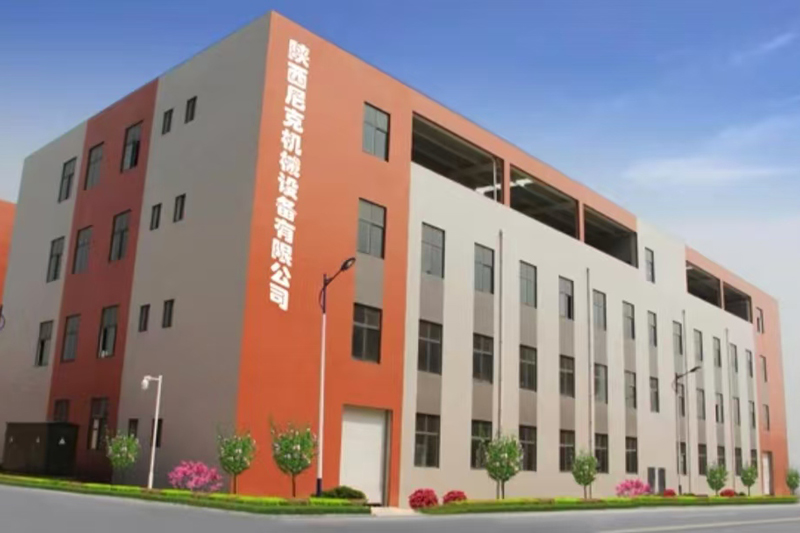
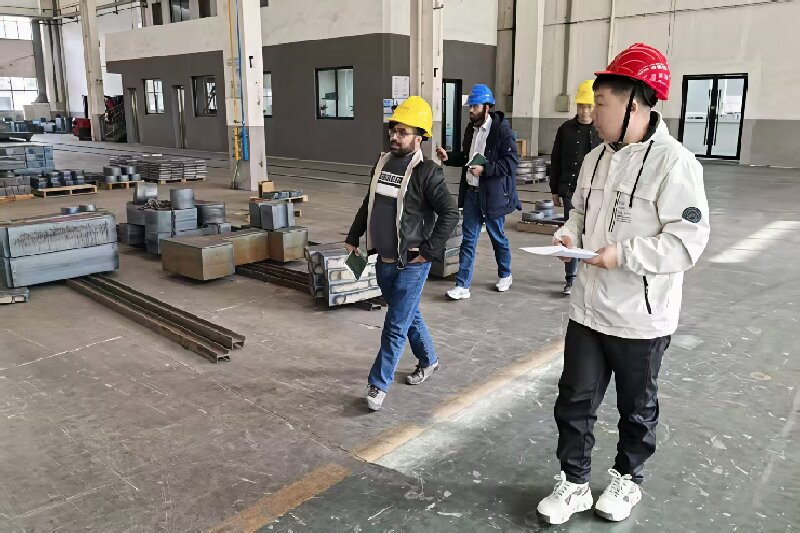
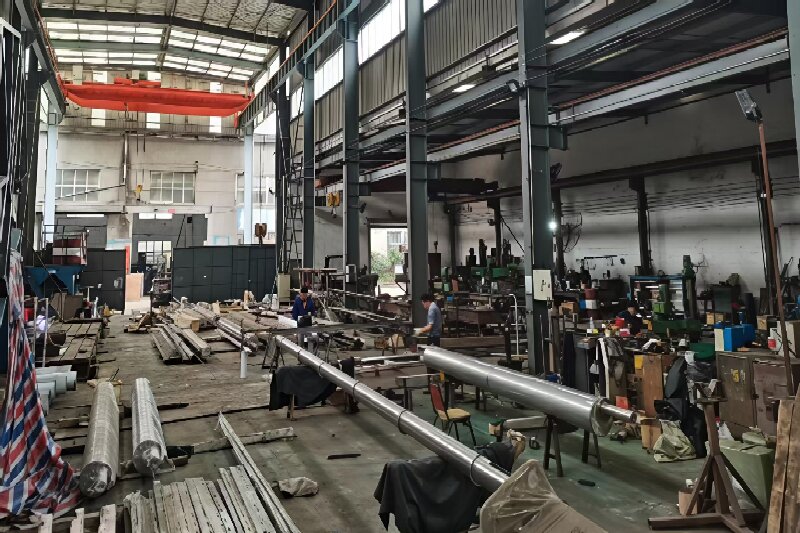
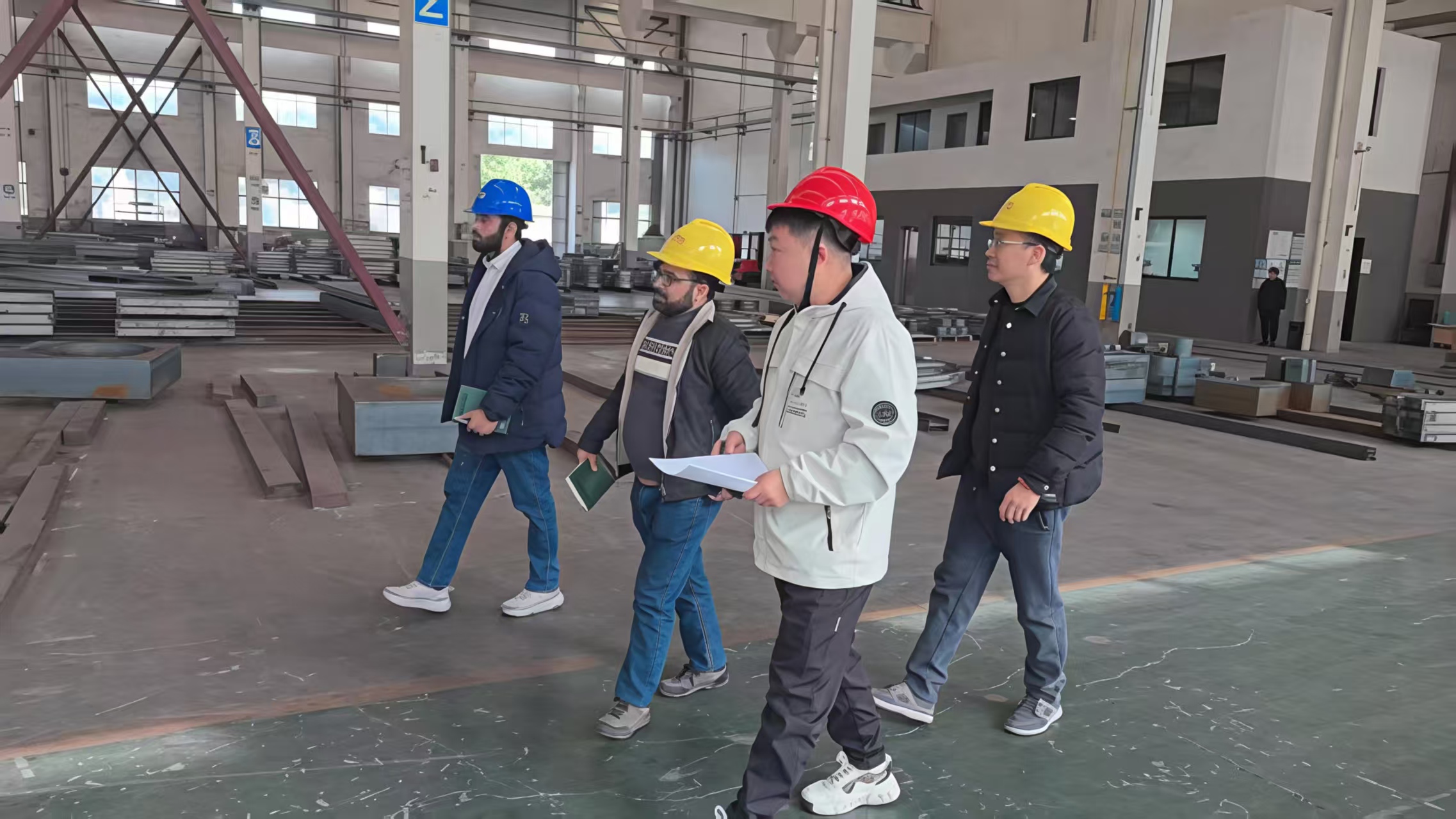
At NICKBALER, we believe in creating sustainable, environmentally friendly solutions that drive innovation and efficiency for businesses worldwide. Let us help you streamline your aluminum can recycling operations with our high-quality hydraulic baling machines and systems.
✉ Contact Us NowDiscover our full range of industrial baling and compression equipment for aluminum, metal, textile, tire, and biomass recycling applications.