Leave Your Message
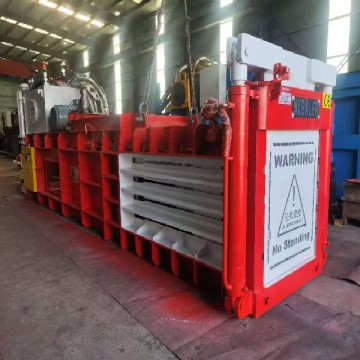
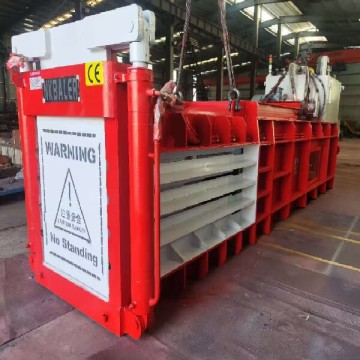
High-performance hydraulic baling presses optimized for aluminum can recycling and scrap metal processing.
How hydraulic compaction drives profitability and sustainability in the global scrap metal market.
The global transition toward a circular economy has positioned aluminum recycling as one of the most lucrative and environmentally vital sectors in waste management. Aluminum, specifically in the form of Used Beverage Cans (UBC), is infinitely recyclable. Unlike plastics or paper, which degrade in quality during recycling cycles, aluminum retains its structural integrity and physical properties indefinitely. Recycling aluminum saves up to 95% of the energy required to produce primary aluminum from raw bauxite ore. This massive energy differential translates directly into reduced carbon emissions and significant cost savings for manufacturers, making aluminum can recycling a cornerstone of global industrial sustainability.
Despite the high market value of scrap aluminum, recycling facilities face a major logistical bottleneck: volume. Loose aluminum cans are extremely lightweight but occupy immense physical space. Transporting uncompressed cans is highly inefficient, essentially resulting in shipping air. This inefficiency inflates transport costs, increases carbon footprint, and demands vast warehouse storage space. Additionally, loose cans pose safety hazards and attract pests in municipal sorting centers.
A high-performance hydraulic baling press solves these logistical challenges by applying massive mechanical force to compress thousands of loose cans into dense, uniform, and easily stackable blocks (bales). This structural transformation yields several key commercial advantages:


NICKBALER is a leading manufacturer and distributor of advanced hydraulic balers and environmental protection machinery. Established in 2006, the company specializes in designing, developing, producing, and selling packaging and baling equipment tailored to industries worldwide. With over 80-90% of its products exported to more than 60 countries, including North America, Europe, Asia, and the Middle East, NICKBALER has become a trusted name in waste recycling and baling solutions.
Exploring the integration of IoT, advanced hydraulics, and automated systems in modern metal balers.
The machinery behind aluminum can recycling is undergoing a major technological transformation. Modern industrial baling presses are no longer simple mechanical rams; they have evolved into highly intelligent, sensor-driven systems designed to optimize energy usage, throughput, and safety.
Historically, hydraulic presses consumed vast amounts of electricity due to constant-speed motors running continuously. Today's state-of-the-art balers utilize variable displacement pumps and servo-driven hydraulic systems. These systems automatically adjust the oil flow and pressure based on the resistance encountered during the compression cycle. During the initial compression phase, high speed and low pressure are applied; as the bale becomes denser, the system transitions to high pressure and low speed. This dynamic adjustment reduces energy consumption by up to 40% while minimizing heat generation in the hydraulic fluid, thereby extending the lifespan of seals and valves.
With the rise of Industry 4.0, smart balers are equipped with Internet of Things (IoT) gateways and an array of digital sensors. These sensors monitor critical operating metrics in real-time, including:
• Hydraulic oil temperature and quality
• Compaction chamber pressure profiles
• Cycle time consistency
• Bale length and density
This data is streamed to cloud-based dashboards, allowing facility managers to track production efficiency remotely. More importantly, predictive maintenance algorithms analyze this telemetry to detect anomalies—such as a gradual drop in pressure or micro-vibrations in the pump—before they lead to catastrophic component failure, reducing unscheduled downtime significantly.
Aluminum cans, though soft individually, carry dirt, moisture, and abrasive contaminants into the compaction chamber. The constant friction of compressed metal sliding against the chamber walls causes rapid wear. To address this, high-end hydraulic baling presses feature replaceable wear-resistant liner plates made from premium steel alloys (such as Hardox). These liners protect the main structural frame, ensuring the machine remains operational for decades with minimal maintenance overhead.
Our product line includes horizontal and vertical balers, hydraulic baling presses, PET bottle balers, metal compressors, shredders, and various auxiliary equipment, making us a one-stop solution for industries like agriculture, recycling, manufacturing, packaging, and waste management. Our machinery is inspired by German, European, and American technology, ensuring high quality and innovation in every product.

From local distribution centers to heavy-duty smelting plants, analyze how hydraulic balers fit distinct operations.
The requirements for aluminum can recycling vary widely depending on the scale of operation, location, and end-use of the baled material. A tailored approach to selecting a hydraulic baling press ensures optimal ROI and operational efficiency.
In municipal recycling plants, aluminum cans arrive mixed with plastics, paper, and glass. After automated sorting (often using eddy current separators), the loose cans must be baled immediately to prevent accumulation. For these facilities, medium-to-large horizontal semi-automatic or fully automatic balers are ideal. They offer continuous feeding capabilities, allowing conveyor belts to drop sorted cans directly into the hopper. The integrated shear blades cut off any overhanging cans, ensuring clean cycle completions and consistent bale sizes.
During the filling and packaging process, a small percentage of aluminum cans are rejected due to printing errors, structural defects, or filling failures. To reclaim the metal value and maintain a clean production floor, bottling plants integrate compact vertical or horizontal hydraulic balers directly into their waste streams. These machines compress the reject cans on-site, allowing the manufacturer to sell high-density scrap directly back to aluminum producers, closing the production loop efficiently.
Scrap yards deal with massive volumes of diverse metals, demanding high versatility and crushing force. Here, heavy-duty metal balers (such as triple-compression metal scrap balers) are utilized. These machines can process not only aluminum cans but also thicker aluminum extrusions, sheet scrap, and copper wire. The extreme compaction force creates highly dense "briquettes" or heavy bales that meet international shipping standards for export containers, ensuring maximum weight density for maritime transit.
Why global recycling operations choose NICKBALER as their trusted machinery partner.

NICKBALER prides itself on a strict quality management system and a dedicated team of over 50 skilled employees, including 10 technical experts. We provide integrated services that span pre-sales consultation, customized design, production, and exceptional after-sales support. With established after-sales service centers in India, Dubai, Australia, and the United States, we ensure our global clients receive fast and reliable support wherever they are.

The company is committed to "maximizing customer benefits" through efficient, safe, and cost-effective solutions for handling waste paper, plastic, metal, textiles, agricultural waste, and more. Our advanced technology, coupled with rich R&D experience, allows us to provide customized solutions for diverse industries such as food, pharmaceuticals, packaging, chemicals, electronics, and waste treatment.
Maximizing machine uptime and ensuring safe, long-term performance of your hydraulic press.
To achieve the lowest total cost of ownership (TCO) and ensure operator safety, recycling facilities must adhere to strict maintenance protocols and operational best practices when running hydraulic baling machinery.
Hydraulic fluid is the lifeblood of the baling press. Over 70% of hydraulic system failures are caused by fluid contamination. Operators must regularly monitor oil levels, perform oil filtration, and replace hydraulic fluid according to the manufacturer's schedule. Running the machine with contaminated or overheated oil damages the precision pistons, valves, and pumps, leading to costly repairs and downtime.
For horizontal balers equipped with shear blades, maintaining a sharp cutting edge is critical. Dull blades tear rather than cut through excess aluminum cans, increasing the mechanical stress on the hydraulic cylinders and frame. Regular inspection, sharpening, and adjustment of the blade clearance prevent jamming and ensure clean, energy-efficient cuts.
Hydraulic balers operate under immense pressures, often exceeding 100 tons of force. Ensuring safety involves installing physical interlocks, emergency stop buttons, and light curtains that halt machine operation if an operator enters the danger zone. Regular safety drills and strict adherence to Lockout-Tagout (LOTO) procedures during maintenance are mandatory to prevent workplace accidents.
Explore our state-of-the-art manufacturing facilities, equipment, and R&D centers.


At NICKBALER, we believe in creating sustainable, environmentally friendly solutions that drive innovation and efficiency for businesses worldwide. Let us help you streamline your waste management and recycling operations with our high-quality baling machines and systems.
Contact Us NowExplore our full line of vertical and horizontal hydraulic baling presses designed for various materials.