Leave Your Message
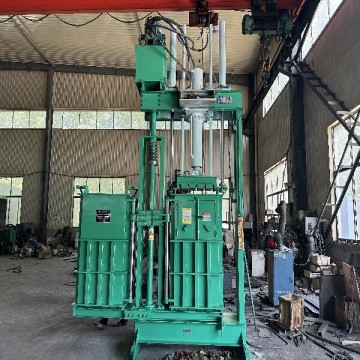
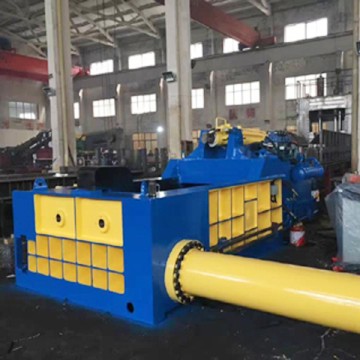
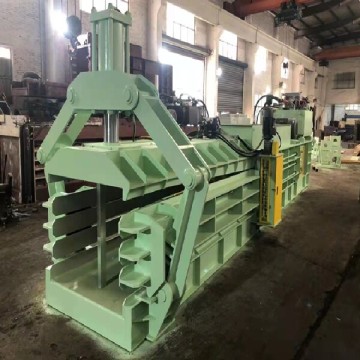
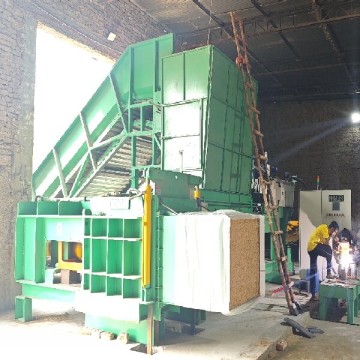
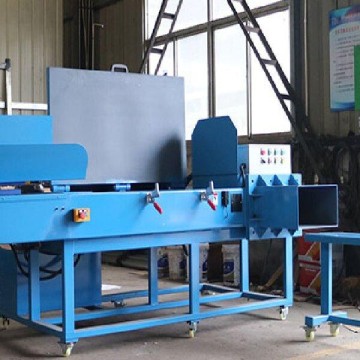
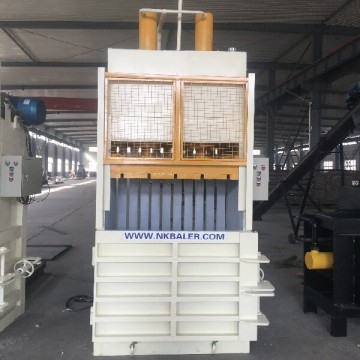
In the modern industrial recycling landscape, the demand for efficient waste management machinery has skyrocketed. Among the most crucial processes is the recycling of non-ferrous metals, specifically aluminum Used Beverage Cans (UBC). Concurrently, packaging materials like corrugated cardboard dominate the waste streams of logistics hubs, manufacturing facilities, and supermarkets. To address these overlapping streams, the utilization of a Horizontal Cardboard Baler for Aluminum Can Recycling has emerged as a groundbreaking, dual-purpose industrial solution. By leveraging high-tonnage hydraulic compression, modern horizontal balers are capable of transitioning from high-volume paper waste to dense scrap metal compaction with minimal mechanical adjustments.
Aluminum is one of the most sustainable materials on the planet; it can be recycled infinitely without losing its structural integrity. Recycling aluminum cans saves roughly 95% of the energy required to produce virgin aluminum from bauxite ore. This massive energy saving translates directly into economic incentives for recycling facilities worldwide. However, the primary challenge in aluminum recycling is logistics. Loose cans are bulky, lightweight, and incredibly expensive to transport. This is where horizontal balers step in. By compressing loose cans into ultra-dense, stackable blocks, facilities can maximize container loading weights, minimize transportation overheads, and streamline processing times at smelting plants.
Advanced hydraulic systems reduce power consumption by up to 30% while maintaining maximum compaction tonnage.
Equipped with Hardox liner plates to withstand the abrasive nature of crushed aluminum and metal scraps.
Automated cycles dynamically adjust compression force depending on the density of the incoming material.
While historically designed for cardboard, paper, and plastic films, modern heavy-duty horizontal balers are engineered with structural reinforcements that make them highly capable of processing aluminum cans. The conversion of a standard cardboard baler for metal scrap applications involves several critical engineering considerations:
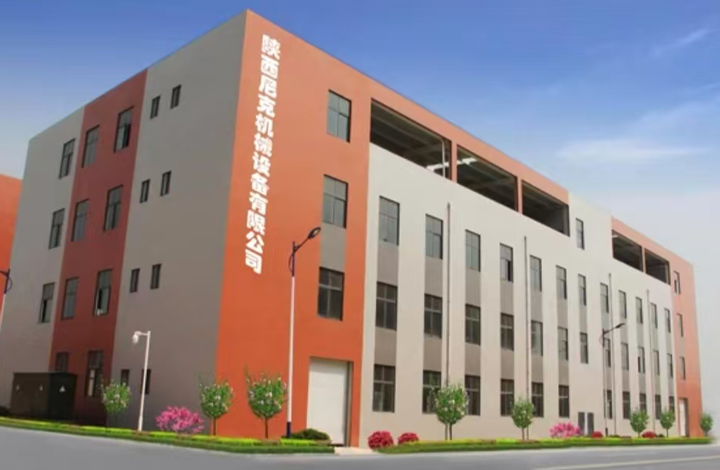


NICKBALER is a leading manufacturer and distributor of advanced hydraulic balers and environmental protection machinery. Established in 2006, the company specializes in designing, developing, producing, and selling packaging and baling equipment tailored to industries worldwide. With over 80-90% of its products exported to more than 60 countries, including North America, Europe, Asia, and the Middle East, NICKBALER has become a trusted name in waste recycling and baling solutions.
Our product line includes horizontal and vertical balers, hydraulic baling presses, PET bottle balers, metal compressors, shredders, and various auxiliary equipment, making us a one-stop solution for industries like agriculture, recycling, manufacturing, packaging, and waste management. Our machinery is inspired by German, European, and American technology, ensuring high quality and innovation in every product.
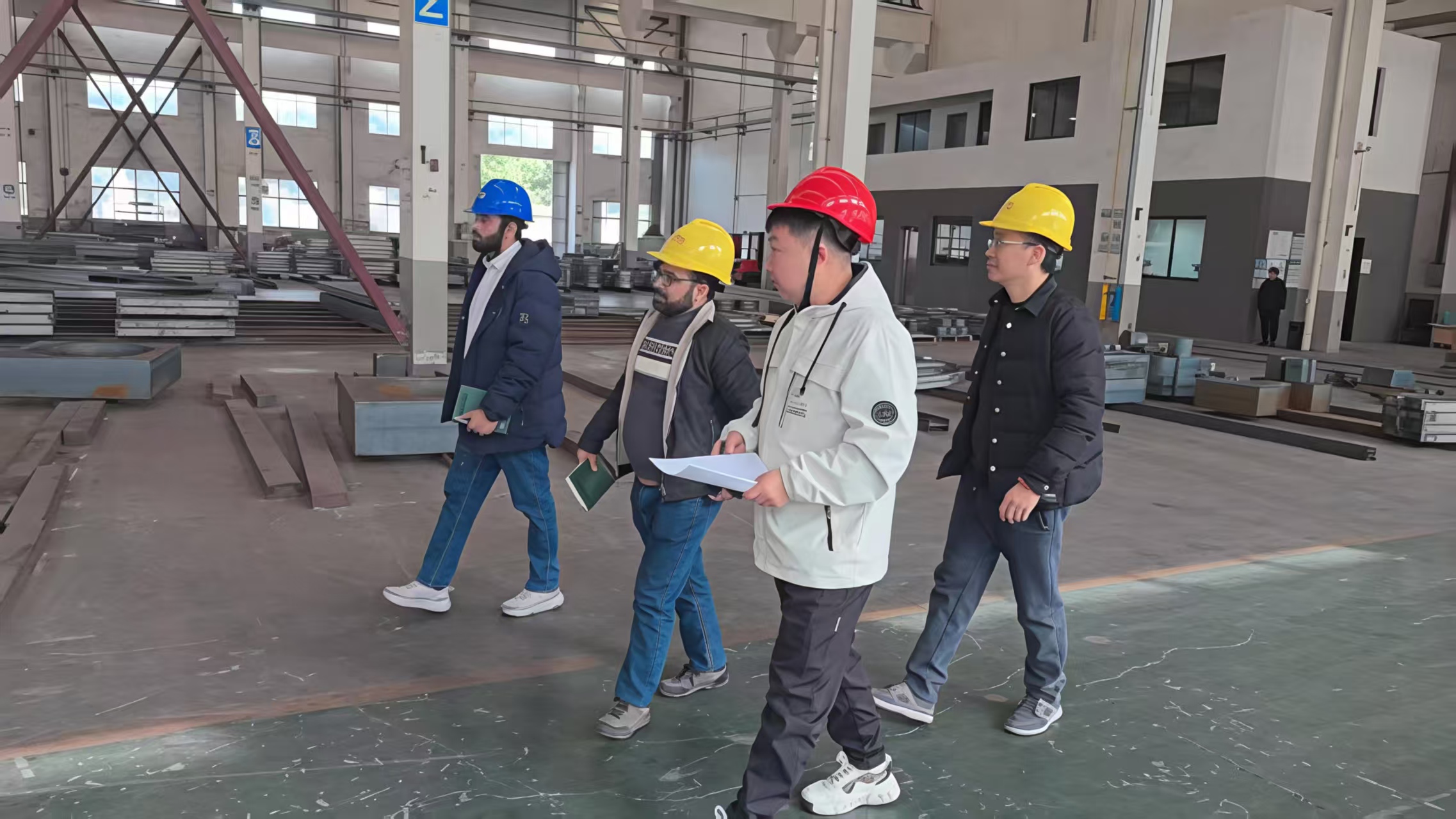

NICKBALER prides itself on a strict quality management system and a dedicated team of over 50 skilled employees, including 10 technical experts. We provide integrated services that span pre-sales consultation, customized design, production, and exceptional after-sales support. With established after-sales service centers in India, Dubai, Australia, and the United States, we ensure our global clients receive fast and reliable support wherever they are.

The company is committed to "maximizing customer benefits" through efficient, safe, and cost-effective solutions for handling waste paper, plastic, metal, textiles, agricultural waste, and more. Our advanced technology, coupled with rich R&D experience, allows us to provide customized solutions for diverse industries such as food, pharmaceuticals, packaging, chemicals, electronics, and waste treatment.
The operational versatility of a horizontal cardboard baler adapted for aluminum recycling makes it highly sought after across several key market segments. Below are the primary application scenarios analyzed in detail:
Municipal MRFs are tasked with sorting and processing vast quantities of co-mingled recyclables. In these facilities, space and capital expenditure are critical constraints. Installing separate, dedicated balers for cardboard and aluminum cans is often economically unfeasible. A high-tonnage horizontal baler with programmable recipe settings allows operators to switch from cardboard baling in the morning to aluminum can baling in the afternoon. With the press of a button on the PLC touch screen, the system adjusts its hydraulic pressure settings, cycle times, and strapping parameters to accommodate the physical properties of the new feed material.
Beverage distributors and bottling plants generate massive volumes of waste, consisting primarily of cardboard packaging boxes and rejected or damaged beverage cans. A dual-purpose horizontal baler installed at the waste generation point allows these companies to process all their waste streams through a single machine. The high-volume throughput capacity of horizontal systems ensures that the packaging line remains clear, preventing bottlenecks in the main production facility. Furthermore, the liquid recovery system collects spilled liquids, which can then be disposed of or recycled responsibly, maintaining strict hygiene standards.
During the fabrication of aluminum parts, substantial amounts of skeletal scrap, turnings, and stampings are generated. While a heavy scrap metal shear baler is ideal for thick structural steel, a horizontal baler modified for aluminum provides a far more cost-effective solution for thin-gauge aluminum scraps. The resulting high-density bales are easily handled by forklifts, fit perfectly into standard shipping containers, and command top prices from secondary aluminum smelters due to their uniform shape and density.
As the recycling industry transitions towards Automation and Industry 4.0, baling technology is evolving rapidly. Key trends shaping the future of horizontal balers include:
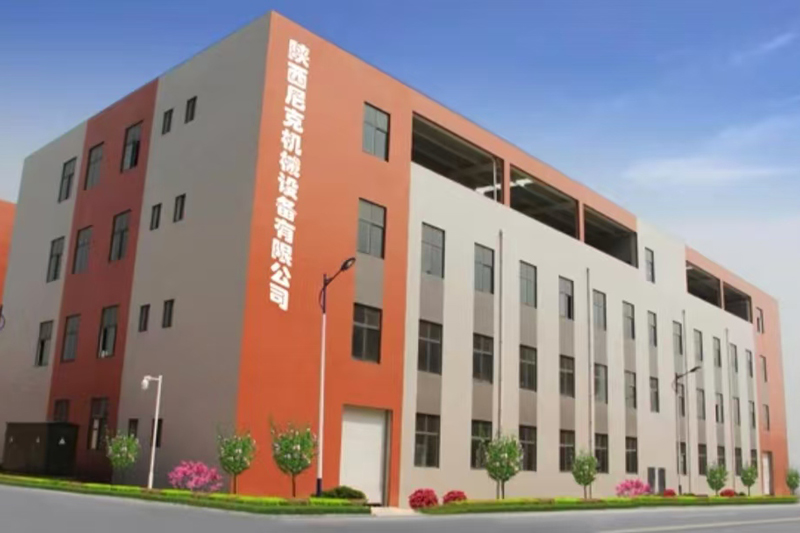
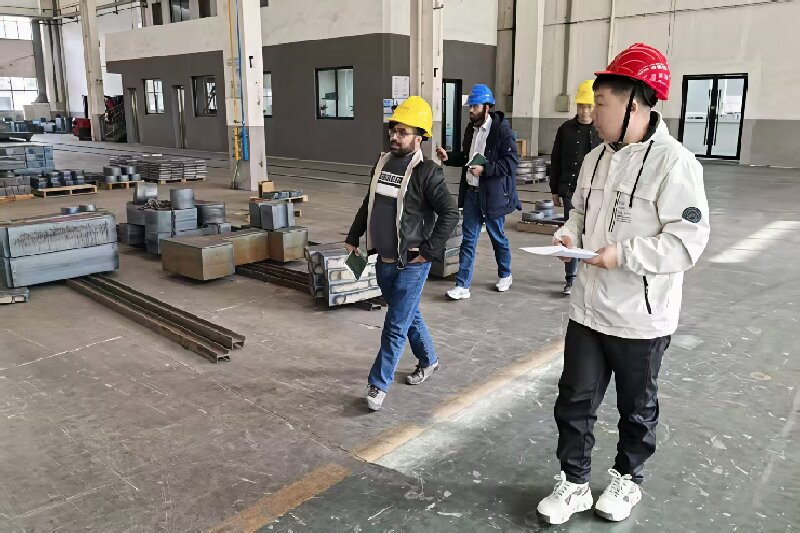
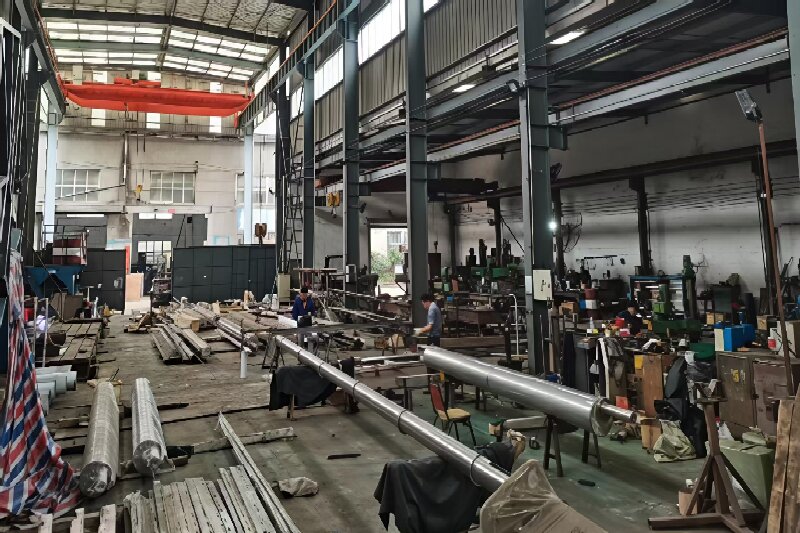
At NICKBALER, we believe in creating sustainable, environmentally friendly solutions that drive innovation and efficiency for businesses worldwide. Let us help you streamline your waste management and recycling operations with our high-quality baling machines and systems.
Contact Us