Leave Your Message
In the contemporary landscape of industrial waste management, the handling of post-consumer packaging materials presents unique logistical and mechanical challenges. The modern recycling sector is experiencing a significant convergence in the processing technologies used for flexible materials, such as agricultural and packaging films, and lightweight rigid materials, such as aluminum beverage cans. Utilizing high-performance films baling machines for aluminum can recycling has emerged as a highly efficient operational strategy for Material Recovery Facilities (MRFs), scrap yards, and large-scale manufacturing plants.
Global environmental regulations and the aggressive push toward a circular economy have forced industries to optimize their waste streams. Aluminum is one of the most infinitely recyclable materials available, but its transport is highly inefficient due to its low bulk density in loose form. Similarly, plastic packaging films, while lightweight, occupy massive volumes of storage space and pose severe handling hazards. By deploying versatile hydraulic baling presses, operators can alternate between processing soft plastic films and rigid aluminum cans, maximizing machinery utilization rates and drastically reducing logistics costs.
Today's recycling facilities demand multi-material processing capabilities. A single, heavy-duty hydraulic baler configured with adjustable pressure profiles can seamlessly transition from compressing high-rebound LDPE films to crushing high-memory aluminum beverage cans. This flexibility reduces capital expenditure (CAPEX) for recycling startups and municipal facilities, allowing them to process diverse waste streams with a single footprint.
From a commercial standpoint, the profitability of recycling operations is directly tied to bale density. Freight costs are calculated by volume and weight; thus, under-loaded containers due to loose, voluminous waste directly erode profit margins. Our advanced vertical and horizontal balers apply massive hydraulic forces to compress loose cans and films into dense, stackable blocks. This optimization allows facilities to achieve maximum payload limits for shipping containers and flatbed trucks, transforming waste management from a cost center into a high-yield revenue stream.
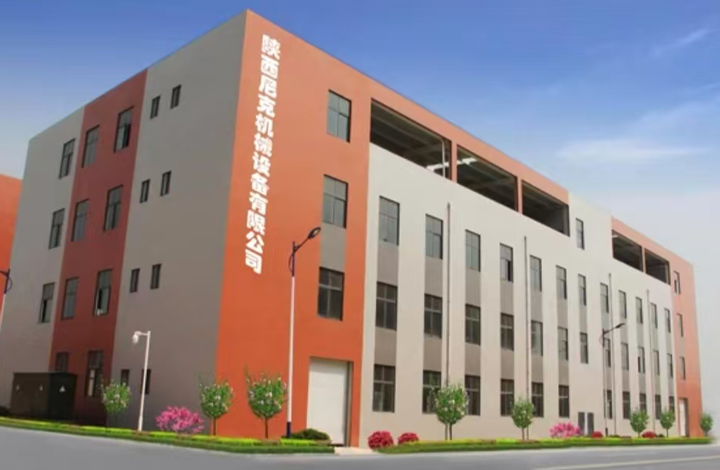

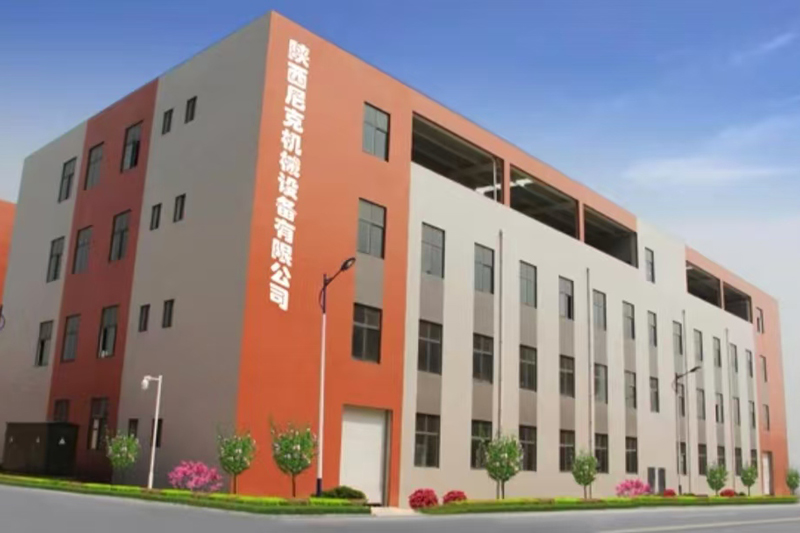
NICKBALER is a leading manufacturer and distributor of advanced hydraulic balers and environmental protection machinery. Established in 2006, the company specializes in designing, developing, producing, and selling packaging and baling equipment tailored to industries worldwide. With over 80-90% of its products exported to more than 60 countries, including North America, Europe, Asia, and the Middle East, NICKBALER has become a trusted name in waste recycling and baling solutions.
Our machinery is inspired by German, European, and American technology, ensuring high quality and innovation in every product. We provide customized solutions for diverse industries such as food, pharmaceuticals, packaging, chemicals, electronics, and waste treatment.
The engineering requirements for baling plastic films versus aluminum cans are fundamentally different, yet they intersect in the design of modern multi-material baling presses. Understanding these mechanical dynamics is essential for choosing the right equipment for your facility.
Plastic films (such as LDPE stretch wrap or HDPE liners) possess high elasticity. When compressed, they tend to expand or "spring back" once the hydraulic ram retracts. To combat this, films baling machines feature specialized retaining claws (or dogs) inside the chamber to keep the material compressed while the next load is introduced. On the other hand, aluminum cans have structural memory and high resistance to initial deformation, but once crushed, they remain compacted. The baler must exert sufficient initial pressure to overcome the structural integrity of the cans, requiring robust hydraulic cylinders and a high-tonnage press force.
When processing plastic films, clean shearing is critical to prevent material from jamming between the ram and the chamber walls. Our balers are equipped with high-carbon steel shear blades that cut excess film cleanly. Conversely, when baling aluminum cans, abrasive metal-on-metal wear is a major concern. The compaction chamber must be lined with replaceable Hardox wear plates or specialized abrasion-resistant liners to ensure long-term durability and prevent structural degradation of the machine frame.
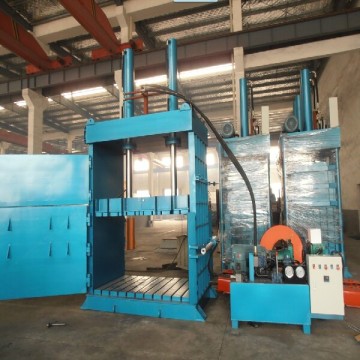
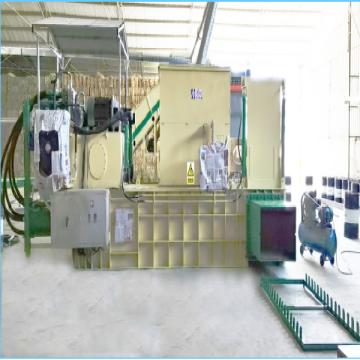
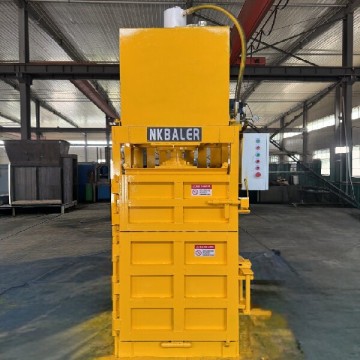
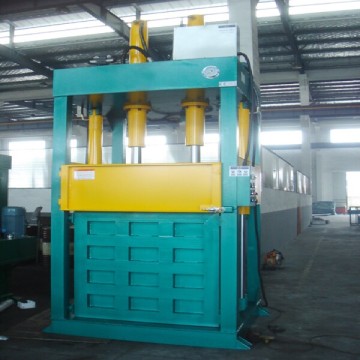
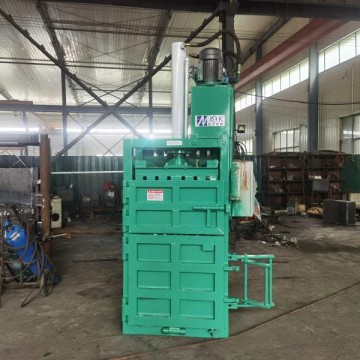
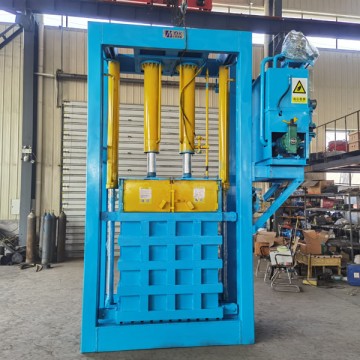
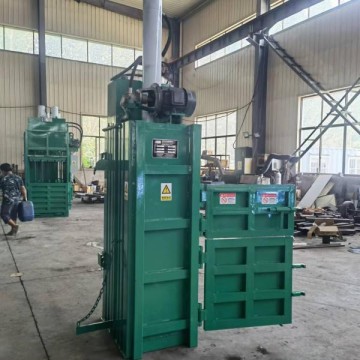
For high-throughput industrial operations, a twin-ram hydraulic baler is often the preferred choice. The primary ram compresses the material against a solid steel wall, while the secondary ejector ram pushes the finished bale out of the side chamber. This design is highly effective for both aluminum cans and plastic films because it allows for high-density compaction without the need for manual tying. Single-ram vertical balers, while more compact and cost-effective, require manual wire or strap tying, making them ideal for small-to-medium retail outlets, hotels, and localized recycling depots.
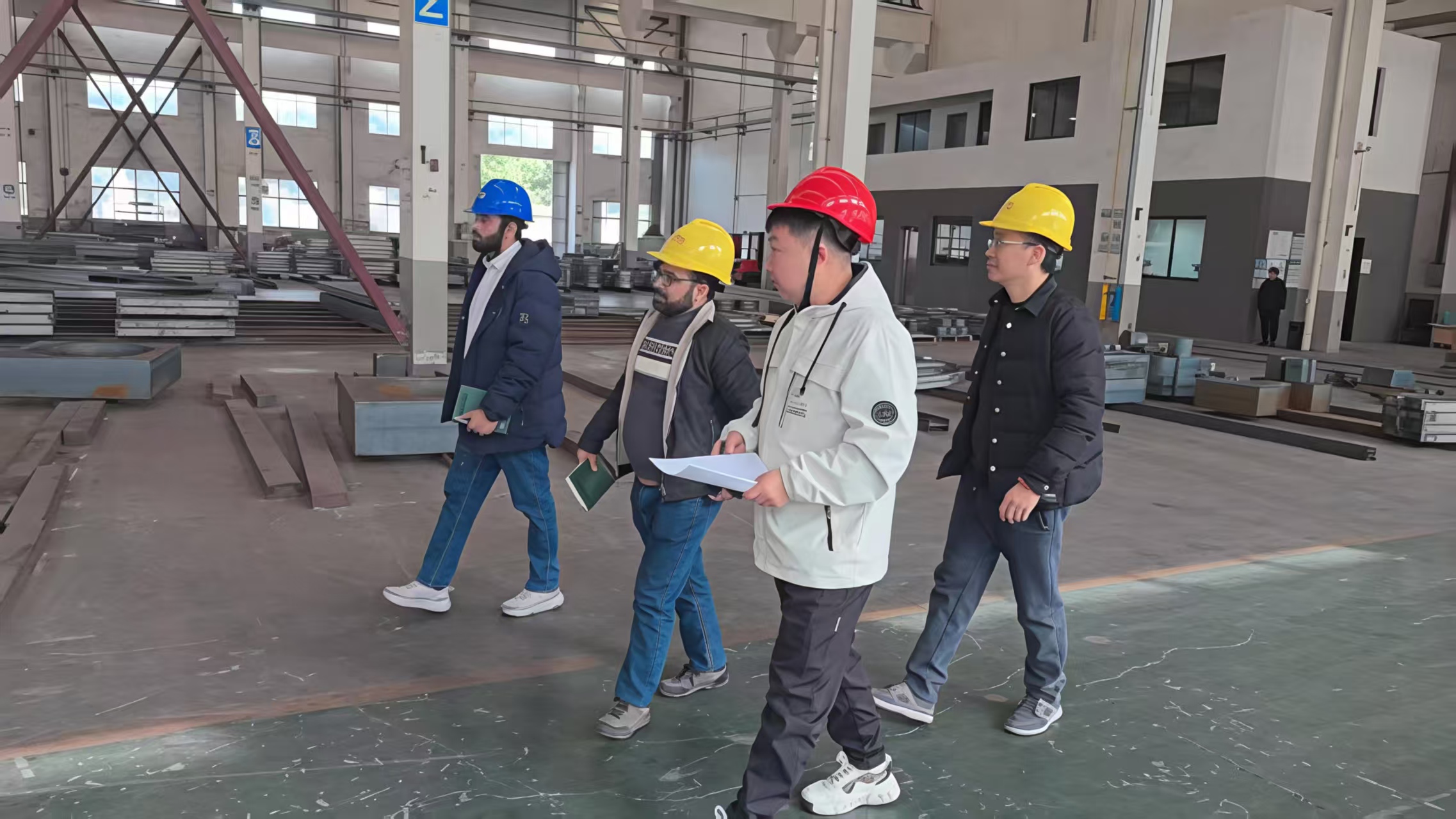
Our product line includes horizontal and vertical balers, hydraulic baling presses, PET bottle balers, metal compressors, shredders, and various auxiliary equipment, making us a one-stop solution for industries like agriculture, recycling, manufacturing, packaging, and waste management. Our machinery is inspired by German, European, and American technology, ensuring high quality and innovation in every product.

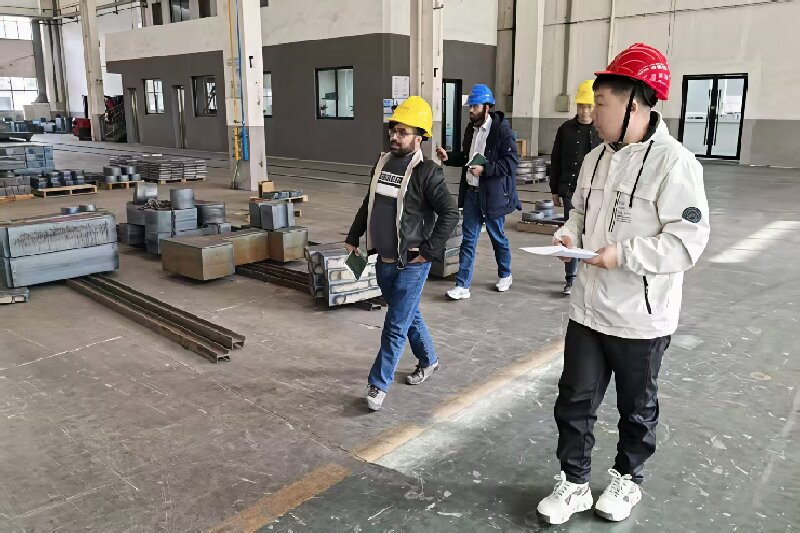
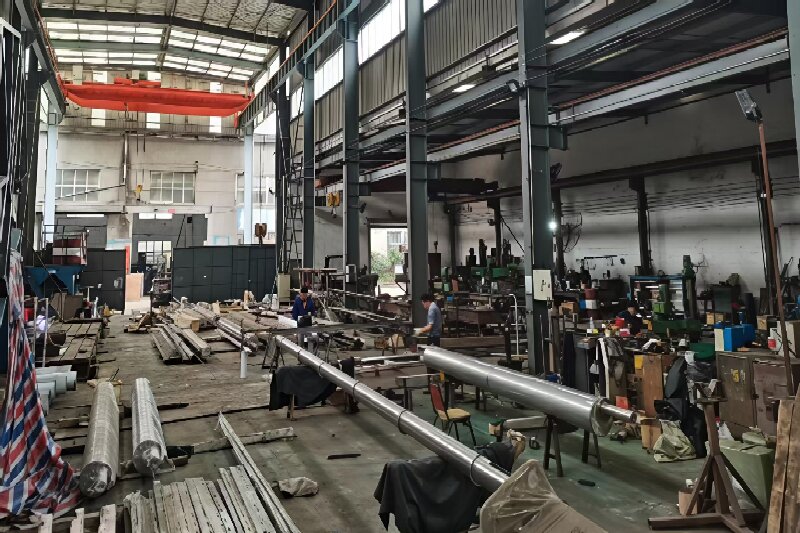
NICKBALER prides itself on a strict quality management system and a dedicated team of over 50 skilled employees, including 10 technical experts. We provide integrated services that span pre-sales consultation, customized design, production, and exceptional after-sales support. With established after-sales service centers in India, Dubai, Australia, and the United States, we ensure our global clients receive fast and reliable support wherever they are.

The company is committed to "maximizing customer benefits" through efficient, safe, and cost-effective solutions for handling waste paper, plastic, metal, textiles, agricultural waste, and more. Our advanced technology, coupled with rich R&D experience, allows us to provide customized solutions for diverse industries such as food, pharmaceuticals, packaging, chemicals, electronics, and waste treatment.
As the recycling sector moves toward hyper-efficiency, the integration of smart technologies into hydraulic baling systems is no longer a luxury—it is a necessity. Modern films baling machines and aluminum can recycling plants are rapidly adopting IoT (Internet of Things) and AI-driven systems to optimize processing workflows.
Traditional balers operate on fixed pressure cycles, which can lead to inefficiencies when switching between materials of different densities. Next-generation baling presses utilize real-time sensor arrays to detect the resistance of the material in the chamber. When processing lightweight plastic films, the system automatically adjusts the cycle speed and pressure to prevent material shearing. When the system detects rigid aluminum cans, it shifts to maximum force settings to ensure structural collapse and high-density compaction. This adaptive control reduces energy consumption by up to 30% and minimizes wear on hydraulic pumps.
Minimizing downtime is critical for high-volume recycling facilities. With integrated telemetry, our balers communicate operational data—such as oil temperature, hydraulic pressure fluctuations, valve response times, and component wear indicators—directly to our centralized support servers. This allows technical experts at NICKBALER to diagnose potential issues remotely and schedule preventive maintenance before an unexpected breakdown occurs. This level of connectivity ensures that our service centers in the US, Australia, Dubai, and India can dispatch parts and technicians proactively.
Deploying efficient baling machinery directly supports corporate Environmental, Social, and Governance (ESG) targets. By transforming loose aluminum cans and packaging films into highly dense, uniform bales, companies significantly reduce their carbon footprint associated with waste transport. Fewer truck trips mean lower greenhouse gas emissions, aligning corporate operations with global net-zero goals and enhancing brand reputation in an increasingly eco-conscious market.
At NICKBALER, we believe in creating sustainable, environmentally friendly solutions that drive innovation and efficiency for businesses worldwide. Let us help you streamline your waste management and recycling operations with our high-quality baling machines and systems.
Contact Us Today