
0102030405
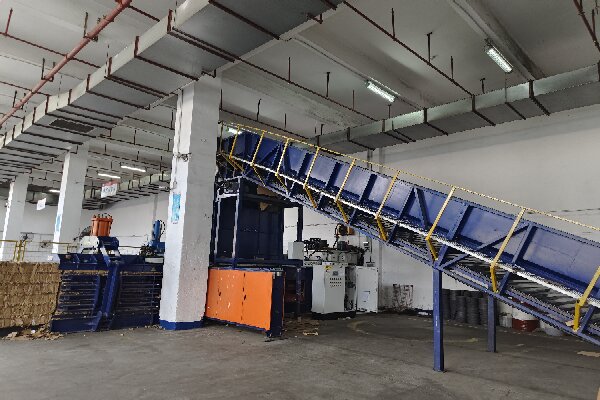
China NKW160Q Large Horizontal Fully Automatic Baler – Top Suppliers from Reliable Factory for High-Volume Recycling
Product Description
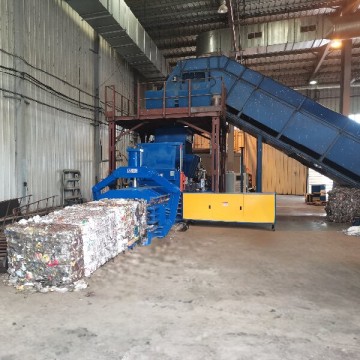
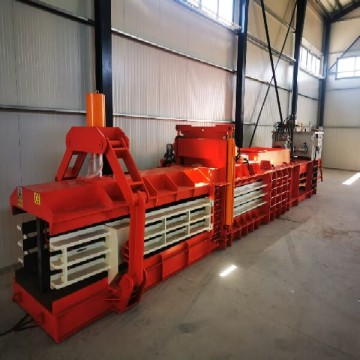
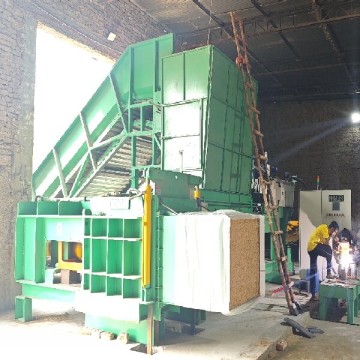
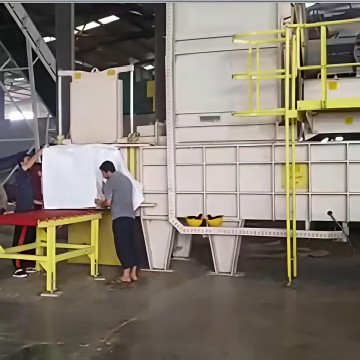
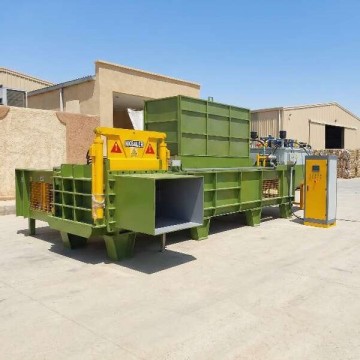
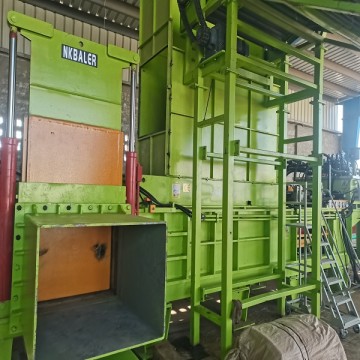
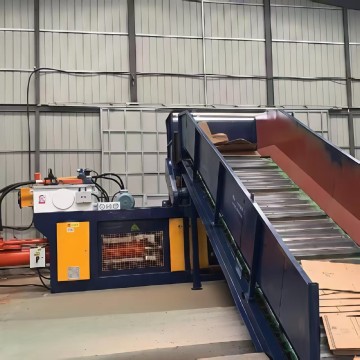
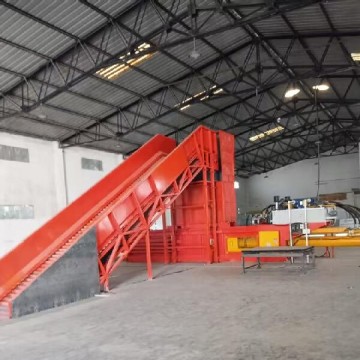
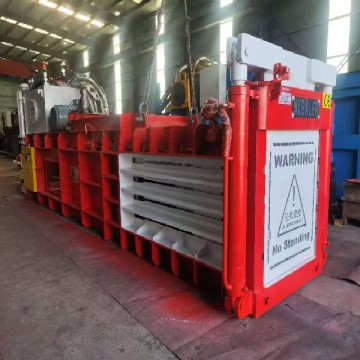
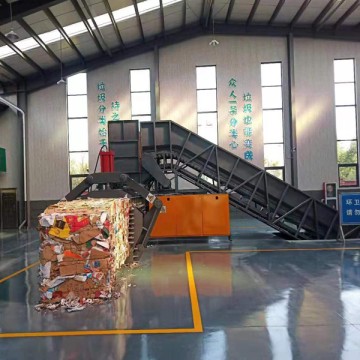
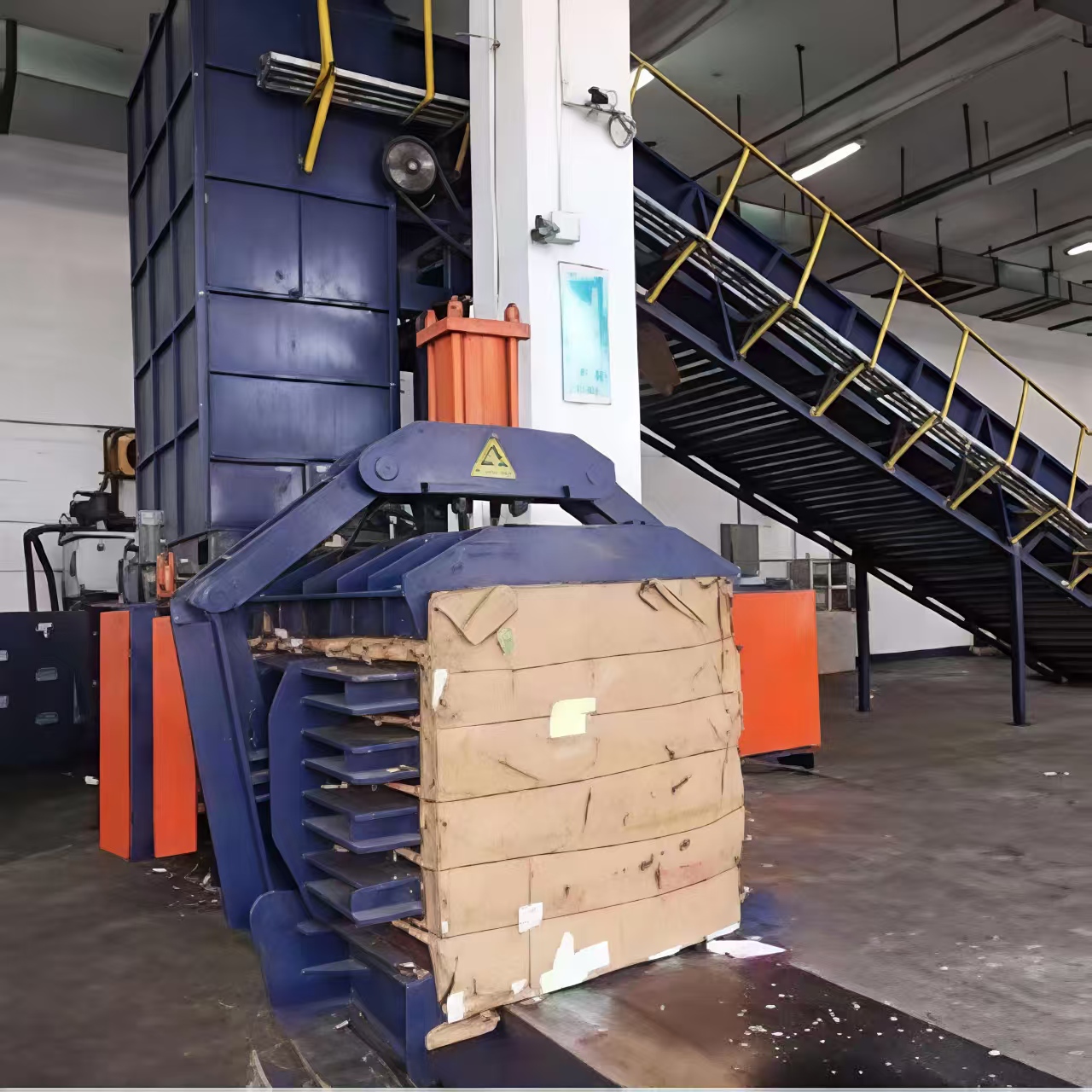
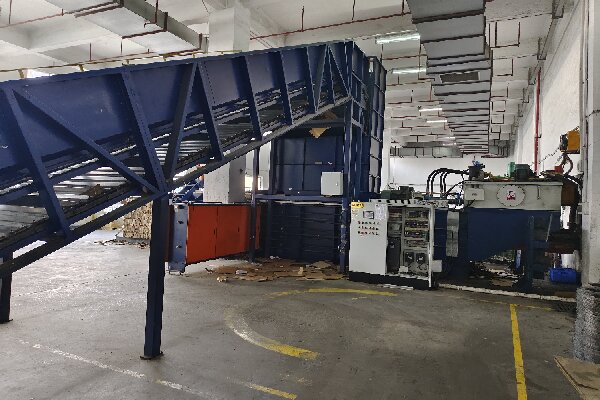
NKW160Q is a fully automatic horizontal baler made for large recycling facilities and industrial sites with high material volumes. It combines automated feeding, compression, strapping and bale ejection into a non-stop workflow, cutting labor needs a lot and boosting productivity.
Continuous, non-stop automated feeding, strapping, and ejection workflow
Extra-heavy-duty frame built specifically for high-capacity industrial demands
With an extra-heavy-duty frame and a high-power hydraulic system, it provides strong, steady compression force. It makes uniform, high-density bales even during long work cycles, and its tough build ensures long use and reliable performance in tough industrial environments.
Video
Frequently Asked Questions (FAQ)
What types of materials can the NKW160Q horizontal baler handle?
The NKW160Q is designed to process large volumes of recyclable materials, including OCC (cardboard), paper, plastics, film, PET bottles, and other non-metallic waste typically found in large recycling facilities and distribution centers.
How does the automated workflow save labor costs?
By seamlessly integrating automatic conveying, compressing, wire-tying/strapping, and bale ejection into a continuous cycle, the machine requires minimal manual intervention, allowing facilities to reassign workforce to other operations.
Can the NKW160Q baler withstand continuous, 24/7 industrial duty?
Yes. It is engineered with an extra-heavy-duty structural frame and a high-efficiency hydraulic power unit that ensures steady, non-stop operation and consistent bale density even during extended work shifts.
What ensures uniform bale size and density?
The high-power hydraulic system applies a balanced and consistent compression force across the stroke, while the precision wire-tying system tightly binds the bale to guarantee standardized dimensions ideal for shipping and container transport.
What maintenance is required for optimal performance?
Routine maintenance includes monitoring hydraulic oil levels and quality, lubricating moving mechanical parts, checking wire-tying components, and keeping the optical sensors clean to ensure uninterrupted automatic cycles.