
Leave Your Message
Computer Numerical Control (CNC) and machine shops operate in highly structured, high-precision environments where space optimization, cleanliness, and safety are critical. While management focus is typically directed toward metal chips, cutting fluids, and tool wear, a silent operational challenge frequently disrupts productivity: packaging waste. Tooling inserts, raw metal bar stock, precision components, and machine parts arrive continuously, packed in heavy-duty, double-walled corrugated cardboard boxes. Without a dedicated cardboard box compactor, these boxes rapidly accumulate in shipping bays, tool cribs, and production lanes, creating severe bottlenecks.
Modern machine shops cannot afford to waste valuable square footage on loose, uncompacted cardboard. Piles of empty boxes represent a significant fire hazard in facilities that deal with hot metal chips, welding sparks, and flammable cutting oils. Furthermore, manually cutting down boxes consumes valuable labor hours that could otherwise be allocated to machine setup, QA inspection, and part programming. Introducing an industrial cardboard box compactor directly addresses these inefficiencies, turning a bulky waste stream into dense, manageable bales.
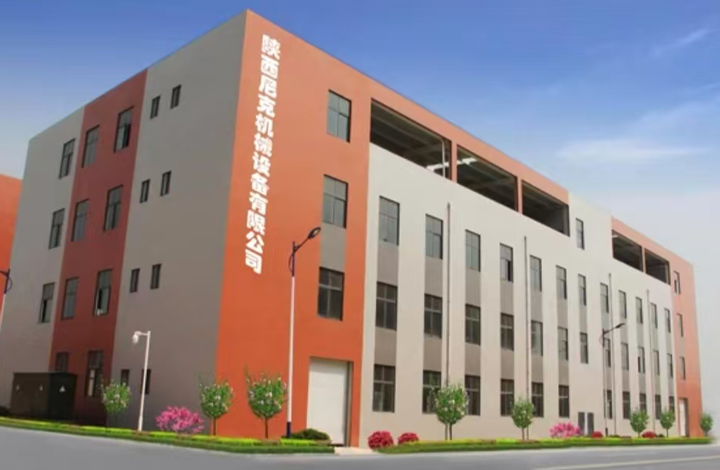

NICKBALER, is a leading manufacturer and distributor of advanced hydraulic balers and environmental protection machinery. Established in 2006, the company specializes in designing, developing, producing, and selling packaging and baling equipment tailored to industries worldwide. With over 80-90% of its products exported to more than 60 countries, including North America, Europe, Asia, and the Middle East, NICKBALER has become a trusted name in waste recycling and baling solutions.
By aligning our engineering standards with global manufacturing demands, NICKBALER designs systems that integrate seamlessly into the high-demand environments of CNC and machine shops. Our equipment is built to withstand continuous operation, providing heavy-duty compaction force that reduces volume by up to 90%, making waste handling effortless and cost-effective.
The global manufacturing landscape is undergoing a massive shift toward sustainable operations, driven by both strict environmental regulations and corporate ESG (Environmental, Social, and Governance) targets. In the past, waste management was viewed purely as an overhead cost. Today, smart factory managers view waste as a resource stream. Cardboard, when compacted into high-density bales, transitions from a costly waste disposal liability to a valuable commodity that recycling companies will purchase. This economic incentive, combined with the rising cost of traditional waste hauling, has accelerated the adoption of cardboard box compactors across CNC and machine shops worldwide.
Reducing waste volume at the source minimizes the frequency of dump truck visits, lowers carbon emissions associated with transport, and keeps the manufacturing floor 100% compliant with local safety and environmental codes. It is a critical component of modern lean manufacturing strategies.
Furthermore, space constraint is a growing issue in industrial zones. As machine shops purchase more advanced multi-axis CNC machines to meet production demands, floor space becomes premium real estate. Storing loose cardboard boxes in a corner is no longer a viable option. Compact vertical balers, which occupy a footprint of less than 1.5 square meters, allow shops to reclaim valuable production space, directly contributing to the plant's overall efficiency and layout flexibility.
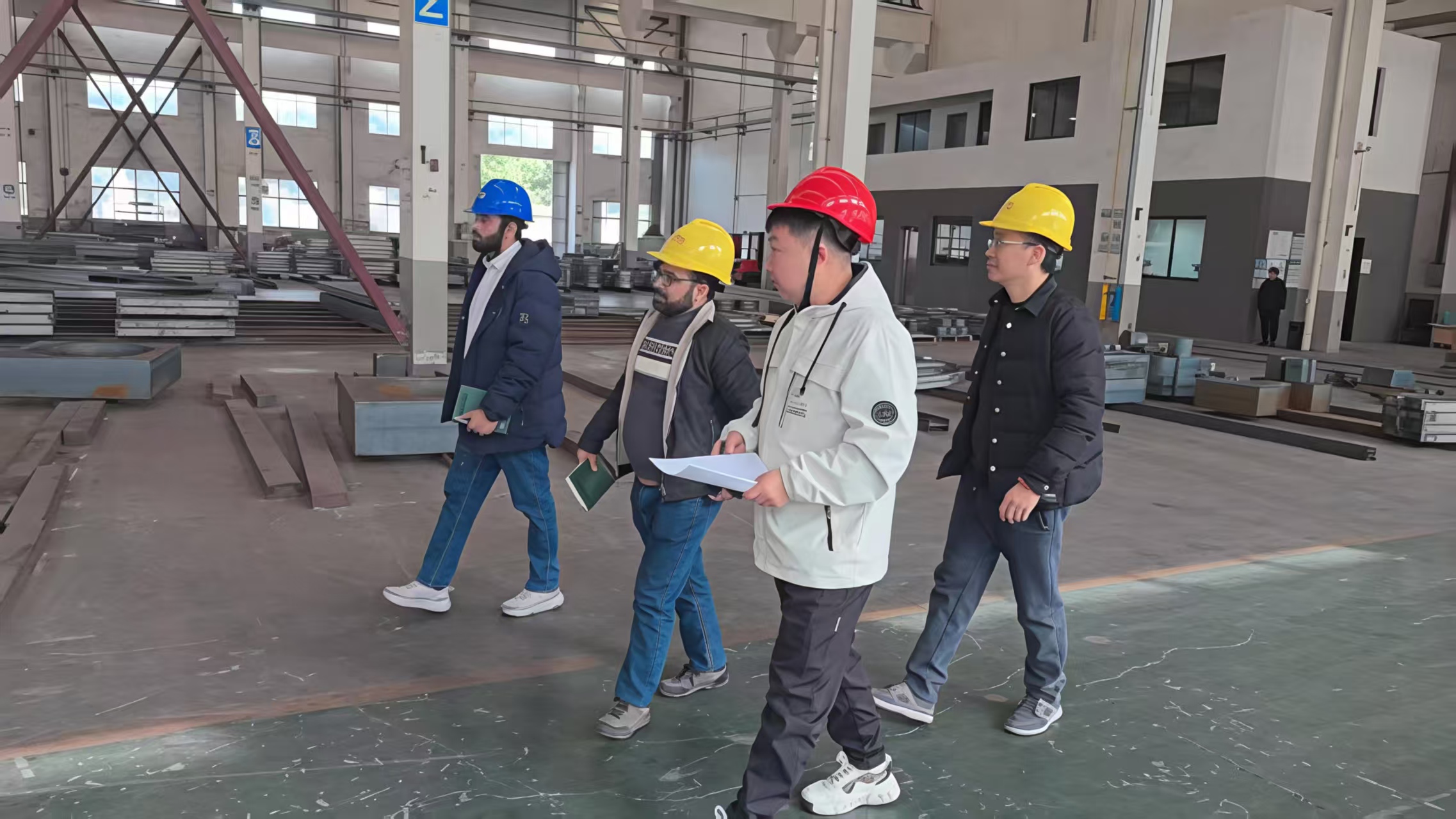
Our product line includes horizontal and vertical balers, hydraulic baling presses, PET bottle balers, metal compressors, shredders, and various auxiliary equipment, making us a one-stop solution for industries like agriculture, recycling, manufacturing, packaging, and waste management. Our machinery is inspired by German, European, and American technology, ensuring high quality and innovation in every product.
By focusing on robust hydraulic cylinders, high-efficiency motors, and heavy-duty steel frames, NICKBALER products deliver maximum compaction force with minimal energy consumption. Whether handling thick, multi-layered cardboard packaging or scrap metal turnings from machining lines, our equipment offers reliable, long-term performance under the most demanding industrial conditions.
To fully appreciate the value of a cardboard box compactor in a CNC environment, we must analyze the specific areas where cardboard packaging waste is generated and how a structured baling process improves the workflow:
CNC shops consume high volumes of carbide inserts, end mills, drills, and tool holders. These precision tools are shipped in protective plastic boxes, which are then packed inside heavy cardboard boxes filled with paper or foam packaging. The tool crib or receiving dock generates a steady stream of cardboard. Placing a compact vertical baler near the receiving area allows operators to immediately dump empty shipping boxes into the chamber, keeping the tooling storage clean and organized.
Raw metal bars, sheets, and custom castings are delivered on pallets, often wrapped in thick protective cardboard layers to prevent surface scratching during transit. This heavy-duty packaging material is difficult to fold manually. A high-force hydraulic compactor easily crushes this thick cardboard, along with the heavy straps, eliminating the physical strain on workers and preventing the clutter of large, rigid sheets on the shop floor.
Before finished CNC machined parts are shipped to clients, they are packaged in custom-sized boxes. During this packing process, cardboard off-cuts, damaged boxes, and excess packaging materials are generated. Having a compactor stationed at the end of the packaging line ensures that all scrap material is processed instantly, maintaining an assembly-line flow and keeping the shipping area clear for forklift traffic.
CNC shops generate two primary waste streams: metal chips/swarf and packaging cardboard. NICKBALER's dual expertise in metal balers (such as the NKY81-4000 series) and cardboard compactors allows shops to establish a unified recycling hub. By co-locating these systems, a shop can compress both scrap metal turnings and packaging materials, optimizing the logistics of recycling pickups and maximizing rebate revenues from recycling partners.

NICKBALER prides itself on a strict quality management system and a dedicated team of over 50 skilled employees, including 10 technical experts. We provide integrated services that span pre-sales consultation, customized design, production, and exceptional after-sales support. With established after-sales service centers in India, Dubai, Australia, and the United States, we ensure our global clients receive fast and reliable support wherever they are.

The company is committed to "maximizing customer benefits" through efficient, safe, and cost-effective solutions for handling waste paper, plastic, metal, textiles, agricultural waste, and more. Our advanced technology, coupled with rich R&D experience, allows us to provide customized solutions for diverse industries such as food, pharmaceuticals, packaging, chemicals, electronics, and waste treatment.
Implementing a cardboard box compactor in a CNC machine shop is not just an environmental decision; it is a highly profitable operational investment. The Return on Investment (ROI) is realized through three main channels: labor savings, reduced waste hauling costs, and floor space reclamation.
In many traditional shops, workers spend up to 30 minutes per shift manually flattening cardboard boxes, breaking down tape, and carrying them to outdoor dumpsters. In a shop with 20 employees, this translates to 10 hours of wasted labor per day. With an industrial compactor, workers simply toss whole boxes into the chamber, press a button, and return to their high-value technical tasks. The cycle time of a NICKBALER compactor is under a minute, drastically reducing labor costs.
Furthermore, uncompacted cardboard fills dumpsters with "air," leading to frequent and expensive waste collection fees. Compacting cardboard reduces the volume by a ratio of up to 10:1, meaning a dumpster that previously required emptying three times a week may now only need service once every two or three weeks. These savings directly impact the shop's operating margin, allowing the machinery to pay for itself within a short period.
From a **5S Lean Manufacturing** perspective, a cardboard compactor is a foundational tool:
Our production floor is equipped with state-of-the-art heavy machining equipment, robotic welding stations, and precision hydraulic test benches. This ensures that every cardboard compactor and scrap metal baler we manufacture meets strict international quality standards before shipment.
NICKBALER's R&D department consists of 10 technical experts dedicated to improving hydraulic efficiency, structural durability, and smart control integration. Our designs are continuously updated to incorporate German-inspired hydraulic valves, PLC touchscreens, and IoT-enabled bale-full indicators.
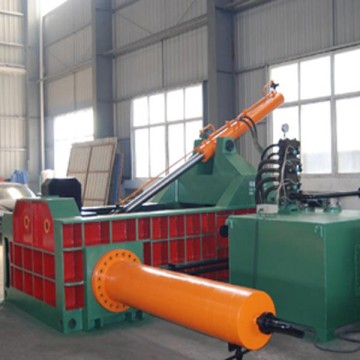

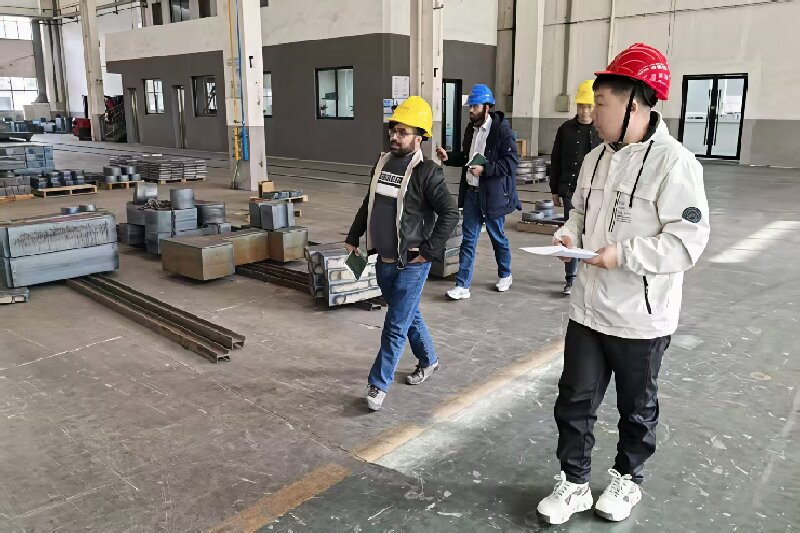
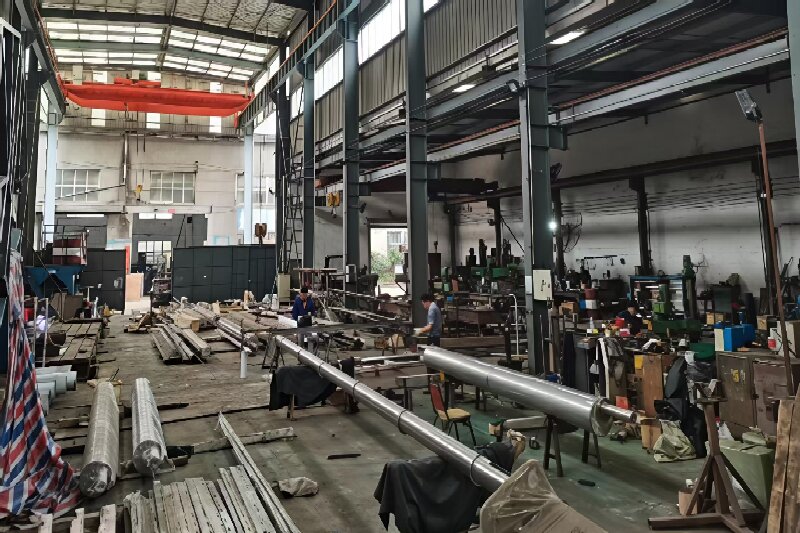
At NICKBALER, we believe in creating sustainable, environmentally friendly solutions that drive innovation and efficiency for businesses worldwide. Let us help you streamline your waste management and recycling operations with our high-quality baling machines and systems.
contact us