
Leave Your Message


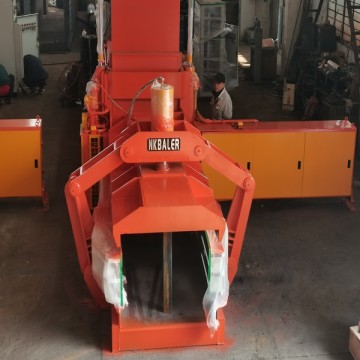
The global circular economy is undergoing an aggressive transformation driven by stricter environmental regulations, rising logistical transport costs, and an urgent push toward zero-waste landfill operations. In modern recycling operations, Material Recovery Facilities (MRFs), beverage bottling facilities, and large-scale distribution hubs, cardboard packaging (Old Corrugated Containers or OCC) and Used Beverage Cans (UBC aluminum cans) constitute two of the most voluminous and financially valuable waste streams. While traditional facilities historically operated separate hydraulic presses for paper goods and lightweight non-ferrous metals, cutting-edge baling engineering now facilitates cross-material versatility. Implementing a heavy-duty, reinforced cardboard box baler for aluminum can recycling yields unprecedented operational agility, minimizing capital expenditure while maximizing floor space and logistics efficiency.
Cardboard and aluminum possess vastly divergent physical properties: corrugated fiberboard exhibits high memory elasticity, demanding progressive compression cycles and effective retainers to prevent rebound expansion, whereas lightweight aluminum cans behave plastically under load, crushing easily but generating extreme point-stress abrasion and residual fluid extrusion. Bridging this technical divide requires hydraulic systems equipped with variable pressure regulation, wear-resistant steel liners (such as Hardox 450/500), and specialized liquid-containment gutters. This technological synergy allows a single multi-stream baling press to alternate smoothly between baling retail cardboard packaging boxes and crushing thousands of aluminum beverage cans into mill-ready, high-density rectangular bales.
Eliminate the requirement of purchasing separate dedicated balers. A reinforced dual-purpose horizontal press manages both loose corrugated cartons and aluminum containers seamlessly.
Compacts low-density UBC aluminum cans from an uncompressed 25 kg/m³ to over 450–600 kg/m³, achieving full 40-foot ocean shipping container load capacities up to 26 metric tons.
Integrated PLC automation toggles between dual-mode pressure cycles: high-speed linear stroke for paper cardboard and high-tonnage end-stroke compaction for aluminum crushing.
Adapting an industrial cardboard baler for consistent aluminum can recycling mandates an understanding of structural mechanical forces. When baling corrugated cardboard boxes, the machine relies heavily on spring-loaded retaining dogs to prevent the compressed fibers from pushing back out of the chamber. In contrast, aluminum cans do not push back after primary deformation; instead, they lock together mechanically while exerting intense lateral sliding friction against the baler walls. Below is a detailed technical matrix comparing operational parameters between standard OCC cardboard baling and heavy-duty aluminum can compaction.
| Operating Parameter | Standard OCC Cardboard Baling | Aluminum Beverage Can (UBC) Baling | Hybrid Multi-Material Baler Solution |
|---|---|---|---|
| Hydraulic Tonnage Required | 15 to 45 Metric Tons | 50 to 120+ Metric Tons | 60–125 Tons with Intelligent Proportional Valves |
| Chamber Wear Resistance | Standard Q235 / Mild Steel Liners | High Abrasion Hardox 450/500 Steel Plates | Replaceable High-Tensile Hardox Wear-Plate Liners |
| Material Retention Mechanism | Spring Retaining Claws & Dog Teeth | Smooth Wall Friction & Dense Interlocking | Retractable Hydraulic Retaining Teeth + Smooth Floor |
| Liquid Drainage Management | Not required (Dry material handling) | Critical (Residual beverage drip tray needed) | Integrated Stainless Steel Sump & Sloped Drainage Trough |
| Strapping & Tying Strategy | Plastic Poly-Strapping or Mild Wire Ties | High-Tensile Galvanized Steel Wire (4-5 lines) | Multi-Channel Auto-Tie with Adjustable Wire Tensioners |
| Average Bale Density | 350 – 480 kg/m³ | 420 – 650 kg/m³ | Optimized 500+ kg/m³ for both commodity streams |
Modern recycling hubs rarely handle a single monolithic waste type. Implementing high-tonnage versatile baling machinery creates transformative commercial workflows across multiple sector tiers:
Municipal sorting lines receive fluctuating volumes of paper cartons, OCC retail packaging, tinplate, and aluminum soda cans. Rather than maintaining idling specialized machines during off-peak seasons, plant superintendents utilize adaptable horizontal continuous balers. By selecting pre-programmed recipes on the Siemens touch-screen HMI, operators switch between cardboard and aluminum modes in seconds, maintaining continuous plant flow and eliminating bottlenecks.
Large-scale beverage canning factories produce two major rejected waste streams: defective printed corrugated shipping cartons and damaged, misprinted, or unsealed aluminum cans. Utilizing a cardboard box baler equipped with corrosion-resistant liquid evacuation gutters allows bottling plants to bale bulk secondary cardboard packaging in the morning, followed by crushed scrap aluminum can runs in the afternoon—recovering high-grade 3004/3104 alloy scrap for direct re-melting at regional aluminum mills.
Retail distribution centers generate massive quantities of broken-down cardboard boxes alongside significant beverage redemption volumes. Multi-material balers enable centralized reverse logistics: delivery trucks return both cardboard and flattened aluminum cans to the central hub, where unified baling creates mill-ready cubes that generate high scrap rebates and offset outbound freight expenses.
Investing in an industrial baler engineered for dual cardboard and aluminum can operations delivers accelerated return on investment (ROI). Aluminum scrap commands significantly higher market prices per metric ton than corrugated cardboard. However, due to its low bulk density in loose form, unbaled aluminum creates severe transportation inefficiencies, frequently costing more in freight than the metal's realized scrap value. By compacting aluminum cans into high-density cubes alongside standard cardboard processing, recyclers achieve profound cost savings:
The next generation of baling equipment incorporates Industry 4.0 IoT telemetry and artificial intelligence. Smart load-sensing pumps dynamically modulate hydraulic pressure based on instantaneous chamber resistance—delivering fast approach speeds when compacting fluffy cardboard boxes, and seamlessly downshifting to maximum hydraulic tonnage when compressing dense aluminum can stacks. Cloud-connected diagnostic gateways track hydraulic oil viscosity, valve switching response times, cylinder seal wear, and total cycle counts, notifying plant maintenance crews before unplanned downtime occurs.

NICKBALER is a leading manufacturer and distributor of advanced hydraulic balers and environmental protection machinery. Established in 2006, the company specializes in designing, developing, producing, and selling packaging and baling equipment tailored to industries worldwide. With over 80-90% of its products exported to more than 60 countries, including North America, Europe, Asia, and the Middle East, NICKBALER has become a trusted name in waste recycling and baling solutions.
Our product line includes horizontal and vertical balers, hydraulic baling presses, PET bottle balers, metal compressors, shredders, and various auxiliary equipment, making us a one-stop solution for industries like agriculture, recycling, manufacturing, packaging, and waste management. Our machinery is inspired by German, European, and American technology, ensuring high quality and innovation in every product.


NICKBALER prides itself on a strict quality management system and a dedicated team of over 50 skilled employees, including 10 technical experts. We provide integrated services that span pre-sales consultation, customized design, production, and exceptional after-sales support. With established after-sales service centers in India, Dubai, Australia, and the United States, we ensure our global clients receive fast and reliable support wherever they are.

The company is committed to "maximizing customer benefits" through efficient, safe, and cost-effective solutions for handling waste paper, plastic, metal, textiles, agricultural waste, and more. Our advanced technology, coupled with rich R&D experience, allows us to provide customized solutions for diverse industries such as food, pharmaceuticals, packaging, chemicals, electronics, and waste treatment.
Standard vertical balers can crush small quantities of aluminum cans if equipped with a can-crushing insert or high-tonnage cylinder. However, for industrial volume, an upgraded baler with wear plates, fluid drain reservoirs, and heavier hydraulic cylinders (minimum 30–50 tons) is necessary to prevent chamber deformation and motor overload.
Our dual-purpose balers feature stainless steel drip trays, tilted chamber bases, and high-capacity drainage ports with built-in filtration screens. Liquids are collected and channeled away before entering sensitive hydraulic and electrical components.
Cardboard bales can use standard soft annealed wire or polyester strap. For aluminum can bales, high-tensile galvanized wire (minimum 10-12 gauge) is required to ensure the compressed aluminum cube does not snap the ties during ejection and transport.
Daily inspection includes clearing crushed can shards from behind the press ram, cleaning hydraulic oil filters, checking wear liner bolts, greasing mechanical guides, and verifying fluid drainage channels remain unobstructed.


At NICKBALER, we believe in creating sustainable, environmentally friendly solutions that drive innovation and efficiency for businesses worldwide. Let us help you streamline your waste management and recycling operations with our high-quality baling machines and systems.
Contact Us Today


