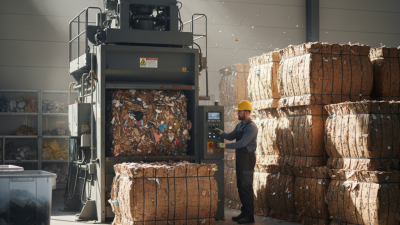
So, why should you consider getting a bale press machine? Well, here's the thing—waste just keeps piling up, but the space you have for it and the budget for hauling it? Those aren't growing. The World Bank's 'What a Waste 2.0' report highlighted that back in 2016, we were dealing with around 2.01 billion tonnes of municipal solid waste. And guess what? They're projecting that number to jump to 3.40 billion tonnes by 2050. That's a whole lot of junk, right? Which is exactly why having a way to compact and measure your materials is becoming more and more crucial. It's about making things manageable.
So, a bale press machine basically takes stuff like cardboard, paper, plastics, textiles, and even some crop leftovers, and squishes them into nice, compact bales. This not only cuts down on the loose mess but also makes warehouses safer and means you don't have to haul stuff away as often. The EPA said back in 2018, we generated about 292.4 million tons of municipal solid waste. But guess what? Only around 23.6% of that actually got recycled or composted. So there's a huge opportunity out there, but here's the thing – just having the equipment isn't enough if people don't sort their trash properly.
David Steiner, who used to run Waste Management, once said something that stuck with me: “Recycling isn’t the fix for our trash problem—it’s just one piece of the puzzle.” And honestly, that’s a pretty grounded way to look at baling machines. You can’t just buy a press and expect magic to happen; it really shines when it’s woven into a solid recycling workflow. You’ve got to think about things like what kind of material you’re feeding it, moisture levels, how dense the bales are, energy consumption, and whether you can actually get in there to maintain it. The little stuff counts. Like, wet cardboard? That’s a whole different beast compared to clean packaging. You know, when you rush a spec, things tend to go sideways—broken wire, bales that fall apart, or downtime you really can't afford. That's a weak spot nobody should ignore. So picking a baler isn't just about grabbing the biggest one on the market. You've got to dig into real-world experience, verified numbers, and whether the supplier's got your back. Don't just trust the fancy brochure—ask about tested throughput, not theoretical claims. Honestly, the right choice is the one that churns out solid, sellable bales day after day, keeps your crew safe, and doesn't throw off your whole workflow. That's what actually matters in the end.
What Is a Bale Press? EPA’s 32.1% U.S. MSW Recycling Rate Explained
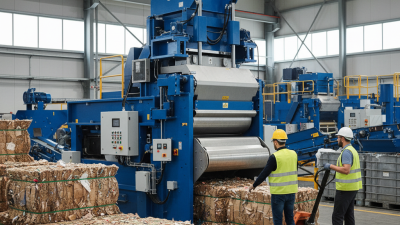
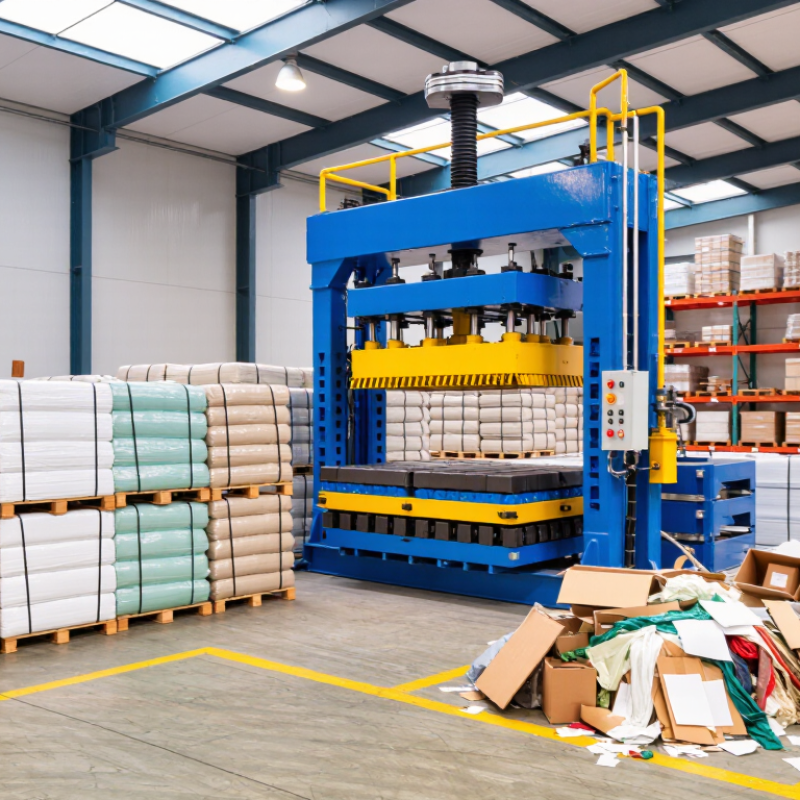
A bale press compacts loose recyclable materials into dense, stackable packages. It uses pressure to reduce volume, improve storage, and simplify transport. For warehouses, this means fewer scattered cartons, cleaner floors, and more predictable loading.
The U.S. Environmental Protection Agency reported a 32.1% municipal solid waste recycling and composting rate in 2018. That year, Americans generated about 292.4 million tons of municipal solid waste, while recycling and composting handled approximately 93.9 million tons. These figures show the scale of the challenge. A press cannot create recycling markets, but it can make collected materials easier to store and move.
The World Bank’s What a Waste 2.0 report estimates global waste could reach 3.4 billion tonnes annually by 2050. Space matters. A properly adjusted
Wool Bale Press
can compress clean wool fibers into stable units, supporting safer handling and more efficient warehouse use. Similar equipment can process cardboard, plastics, textiles, and other suitable materials, depending on its chamber design and pressure rating.
In daily operation, moisture control is critical. Wet fiber behaves differently. Operators should inspect tie strength, bale density, and equipment guards before each cycle. Small mistakes become expensive quickly. EPA data also deserves careful reading, because national recycling rates can hide differences between cities, materials, and collection systems. The 32.1% figure is useful, but it is not a perfect measure of every facility’s performance.
How Bale Presses Deliver 20–60 Tons of Force for Material Compaction
Why Choose a Bale Press Machine?
How Bale Presses Deliver 20–60 Tons of Force for Material Compaction
A bale press machine uses controlled pressure to compress loose materials into stable, manageable bundles. Many industrial models deliver between 20 and 60 tons of force. That range suits cardboard, paper, textiles, plastic film, and similar recyclable materials. The actual result depends on material type, moisture, feed volume, and chamber design.
In daily operation, hydraulic cylinders push a platen through the loaded chamber. Pressure builds gradually, reducing trapped air and improving bale density. A 30-ton press may handle lighter packaging waste, while a 60-ton system can manage tougher or heavier loads. Operators should check pressure gauges, tie points, and bale dimensions during each cycle. Small adjustments often prevent loose edges and uneven shapes.
Force is not everything. A higher rating does not automatically create better bales. Wet cardboard may resist compression, while overfilled chambers can strain components and reduce stability. I have found that consistent loading usually matters more than chasing maximum pressure. Still, operators may misjudge material behavior during busy shifts. Clear procedures, regular maintenance, and measured testing make the process safer and more reliable. The best choice balances force, throughput, energy use, and available floor space.
Why Choose a Bale Press Machine?
Bale presses are commonly specified by their nominal pressing force. The chart shows representative force classes from 20 to 60 metric tons, covering a broad range of material-compaction requirements. Actual bale density and throughput depend on material type, moisture, bale dimensions, and operating settings.
A higher force rating can support stronger compaction of bulky or resilient materials, while the appropriate press size should be selected according to the material and target bale specifications.
How to Match Bale Size, Density, and Throughput to Your Materials
Why Choose a Bale Press Machine?
How to Match Bale Size, Density, and Throughput to Your Materials
A Bale Compactor should match the material, not merely the available floor space. Cardboard usually needs a larger bale with moderate compression. Loose film needs stronger restraint and careful feeding. Wet materials require caution because moisture can reduce bale stability. The World Bank’s What a Waste 2.0 report estimates that global municipal waste could reach 3.40 billion tonnes annually by 2050. Better compaction can reduce storage pressure and transport frequency.
Start with bale density. Dense cardboard bales save warehouse space, but excessive pressure may damage fibers and slow loading. The United States Environmental Protection Agency reported a 68.2% recycling rate for paper and paperboard in 2018. That figure shows why clean, well-shaped bales matter to recycling streams. A practical test is simple: inspect the bale edges, tie tension, and recovery after handling.
Throughput must fit the real workday. A machine rated for maximum capacity may struggle during mixed-material peaks. Measure daily volume, hourly surges, feeding time, and operator breaks. Then compare those figures with chamber size and cycle time. A 60-second cycle sounds efficient. It may not be.
I would leave safety margin for seasonal volume and inconsistent sorting. Perfect specifications rarely survive a busy loading dock. Their hands-on trial should decide the final setting.
Why Baling Can Reduce Waste Volume by Up to 90% in Operations
Why Choose a Bale Press Machine?
Why Baling Can Reduce Waste Volume by Up to 90% in Operations
A bale press machine compresses loose materials into dense, manageable blocks. In daily operations, this can transform overflowing bins into stable stacks. Cardboard, paper, plastic film, textiles, and agricultural residues often occupy far less space after pressing. A reduction of up to 90% is possible when materials are light, dry, and properly sorted. The result is fewer collection trips, clearer work areas, and better use of storage space.
The figure is not automatic. Material moisture, fiber structure, bale density, and operator settings all affect performance. From a practical viewpoint, weighing materials before and after pressing gives more reliable results than trusting estimates. A dense bale also reduces loose debris around loading zones. That matters when forklifts, workers, and walking routes share limited floor space. Keep it measurable.
In agricultural work, compacted forage can support cleaner handling before feeding or transport. A Silage Bale Wrapper may then help protect suitable silage bales from air and moisture exposure, when used correctly. However, poor wrapping can lead to spoilage, so inspection remains essential. Pressing also requires routine checks: inspect ties, guards, hydraulic lines, and bale stability. Small maintenance delays can become expensive problems. I would not treat the 90% claim as a guarantee; testing one material stream first is the more dependable approach.
Why Choose a Bale Press Machine? - Why Baling Can Reduce Waste Volume by Up to 90% in Operations
| Waste Material |
Typical Loose Bulk Density |
Typical Baled Bulk Density |
Approximate Volume Reduction |
Operational Benefits |
| Corrugated Cardboard |
30–90 kg/m³ |
150–250 kg/m³ |
60–85% |
Fewer collection cycles, improved storage efficiency, and cleaner recycling preparation. |
| PET Bottles |
15–35 kg/m³ |
200–350 kg/m³ |
80–90% |
Significantly reduces the space occupied by empty containers and simplifies transport handling. |
| LDPE Plastic Film |
20–60 kg/m³ |
200–400 kg/m³ |
70–90% |
Controls lightweight, bulky waste and reduces windblown material around storage areas. |
| Aluminum Cans |
30–80 kg/m³ |
250–450 kg/m³ |
70–90% |
Creates stable, stackable units and increases the load weight per transport vehicle. |
| Textiles |
50–120 kg/m³ |
200–350 kg/m³ |
50–75% |
Improves storage density and makes sorting, weighing, and downstream handling easier. |
| Mixed Paper |
40–100 kg/m³ |
150–300 kg/m³ |
60–80% |
Reduces loose material accumulation and supports more efficient recycling logistics. |
Interpretation: A 90% volume reduction means that 10 m³ of loose material may occupy approximately 1 m³ after baling. Actual results vary with moisture content, material composition, bale dimensions, press pressure, and operator practices. The density ranges shown are practical planning benchmarks rather than guaranteed machine specifications.
How ISO 12100 Guides Bale Press Risk Assessment and Machine Safety
Why Choose a Bale Press Machine?
A bale press machine can reduce loose scrap volume and make handling more controlled. Its value depends on safe design, not pressing force alone. ISO 12100 provides a practical method for assessing risks throughout the machine’s life cycle. The process begins with intended use, operator tasks, cleaning, maintenance, and reasonably foreseeable misuse. A
Scrap Press Machine
may look simple, but its ram, chamber, doors, and ejection area create serious crushing and shearing hazards.
Risk assessment should identify each hazard before selecting protective measures. Engineers typically consider fixed guards, interlocked access doors, presence-sensing devices, emergency stops, and safe control systems. These measures should follow the hierarchy of risk reduction.
Design out the hazard where possible. Guard what cannot be removed. Provide clear instructions for remaining risks. A warning label cannot replace a properly designed guard. It is not enough.
Practical inspection also matters.
During a review, check whether an operator can reach the chamber through a gap. Test whether the ram stops when an access door opens. Confirm that stored hydraulic or electrical energy cannot cause unexpected movement during servicing. ISO 12100 encourages documentation of these decisions, including risk estimation and validation.
Still, paperwork can hide weak assumptions. Operators may improvise when production pressure rises. Their feedback should challenge the assessment, especially around jam removal and routine cleaning. Good safety depends on both technical controls and honest observation.
How OSHA 1910.212 and 1910.147 Govern Guards and Lockout Procedures
Why Choose a Bale Press Machine?
A bale press machine can reduce loose material volume and improve workplace handling. Its compact design, however, introduces serious points of operation. OSHA 1910.212 requires effective guarding around moving parts, including the ram, feed opening, chains, and hydraulic pinch points. A guard should prevent hands from reaching danger zones without creating another hazard.
The feed area deserves careful attention. A narrow opening may still allow an operator’s hand to reach the compression chamber. Fixed barriers, properly positioned gates, or suitable interlocks can reduce that risk. Guards must remain secure during normal use. A loose panel is not protection. During a practical inspection, check for damaged mesh, bypassed switches, and gaps near the ram. Small gaps can become serious failures.
OSHA 1910.147 governs lockout and tagout during servicing or maintenance. A written procedure should identify electrical power, hydraulic pressure, gravity, and stored mechanical energy. Authorized employees must shut down the press, isolate every energy source, apply locks or tags, and release stored pressure. Verification matters. Try the controls, confirm zero movement, and inspect the pressure gauge before work begins. After maintenance, account for tools and people before restoring power. Procedures can look complete on paper yet miss residual pressure. Review them after incidents, equipment changes, or worker feedback.
China NKB280-1 Biomass Briquette Press Machine: A Guide to High-Density Solid Fuel Production
The NKB280-1 biomass briquette press machine is designed for producing high-density solid fuel from agricultural and forestry residues. Using powerful hydraulic compression, it transforms materials such as rice husks, wood chips, peanut shells, and sawdust into uniform cylindrical briquettes. Compared with conventional baling equipment, which often produces large and loosely packed bundles, this machine creates compact fuel with consistent dimensions, improved hardness, and easier handling.
Its stable pressing performance makes the NKB280-1 suitable for biomass processing facilities, agricultural operations, and renewable energy projects. The dense briquettes can be stored and transported efficiently while providing a more consistent fuel supply for suitable heating and energy-generation systems. By converting low-value organic residues into practical solid fuel, the machine helps reduce material waste and supports more efficient use of locally available resources. Its industrial structure and straightforward operating process also contribute to reliable production in demanding working environments.
FAQS
Match the press to the material, not only the available floor space. Cardboard often needs larger bales with moderate compression. Loose film needs stronger restraint and controlled feeding. Wet materials need extra caution because moisture can weaken bale stability.
Higher density saves warehouse space and can reduce transport frequency. Excessive pressure may damage cardboard fibers and slow loading. Inspect bale edges, tie tension, and shape after handling. A dense bale is not always a better bale.
Measure daily material volume, hourly peaks, feeding time, and operator breaks. Then compare those figures with chamber size and cycle time. A short rated cycle may not reflect real work. Busy shifts expose weak estimates.
Yes, leave safety margin for seasonal volume and inconsistent sorting. Mixed materials can slow feeding and reduce practical output. A machine running constantly near its limit may create delays. Real loading-dock trials are more useful than perfect specifications.
The ram, chamber, doors, feed opening, chains, and hydraulic points can crush or shear. Guards should prevent hands from reaching moving parts. Access doors may need suitable interlocks or presence-sensing protection. Warning labels alone are not enough.
Check whether a hand can reach the compression chamber through any gap. Inspect damaged mesh, loose panels, and bypassed switches. A small opening can still create serious danger. Test it honestly.
It should cover operation, cleaning, maintenance, jams, and foreseeable misuse. Review the machine throughout its working life. Document identified hazards, protective measures, and validation results. Paperwork can hide weak assumptions.
Shut down the press and isolate electrical, hydraulic, mechanical, and gravity energy. Apply locks or tags to every identified energy source. Release stored hydraulic pressure before entering danger areas. Try the controls and confirm zero movement. Do not trust silence.
Operators notice practical problems during jam removal, cleaning, and busy periods. Their observations can reveal bypassed guards or awkward controls. Review procedures after incidents, equipment changes, or repeated complaints. Production pressure changes behavior.
Conclusion
A Bale Press Machine is a practical solution for compacting recyclable and general waste materials into manageable, transportable bales. This article explains how bale presses support higher recycling efficiency while addressing the challenges behind the U.S. municipal solid waste recycling rate of 32.1%. By applying approximately 20–60 tons of force, these machines can significantly reduce the volume of materials such as cardboard, paper, plastics, textiles, and light packaging. Selecting the correct bale size, density, and processing capacity is essential for matching the equipment to the material type and daily throughput.
Proper baling can reduce waste volume by up to 90%, helping operations save storage space, improve handling, and lower transportation frequency. However, productivity must always be balanced with safety. The article introduces how ISO 12100 supports structured risk assessment and explains how OSHA 1910.212 and OSHA 1910.147 relate to machine guarding, hazardous energy control, and lockout procedures. Together, these principles help organizations operate bale presses more efficiently while maintaining a safer working environment.