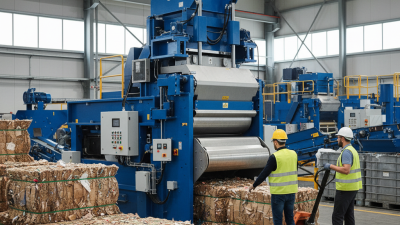
You know, finding really good options for waste management isn’t just a good idea anymore — it’s pretty much essential these days. One thing that’s been gaining a lot of attention is the Recycling Baler. If you haven't heard of it, it’s basically a machine that compresses recyclable stuff, making it way easier and cheaper to handle and ship out. Companies all over the world are on the lookout for better ways to streamline their recycling processes.
Looking ahead to 2026, there’s a ton of choices out there when it comes to Recycling Balers. They come in different sizes, capacities, and tech levels. Some are all about maximum efficiency, while others focus on being budget-friendly. It really depends on what your specific needs are, and of course, who’s behind the machine — not all brands are created equal. It’s a good idea to read reviews and keep an eye on market trends before pulling the trigger.
As environmental concerns grow and evolve, staying updated on these options is more important than ever. Picking the right Recycling Baler can make a real difference for a company’s sustainability efforts. But don’t forget, not every option will hit the mark — it’s all about understanding each one’s pros and cons. Doing your homework will help you make smarter, more confident choices when it’s time to buy.
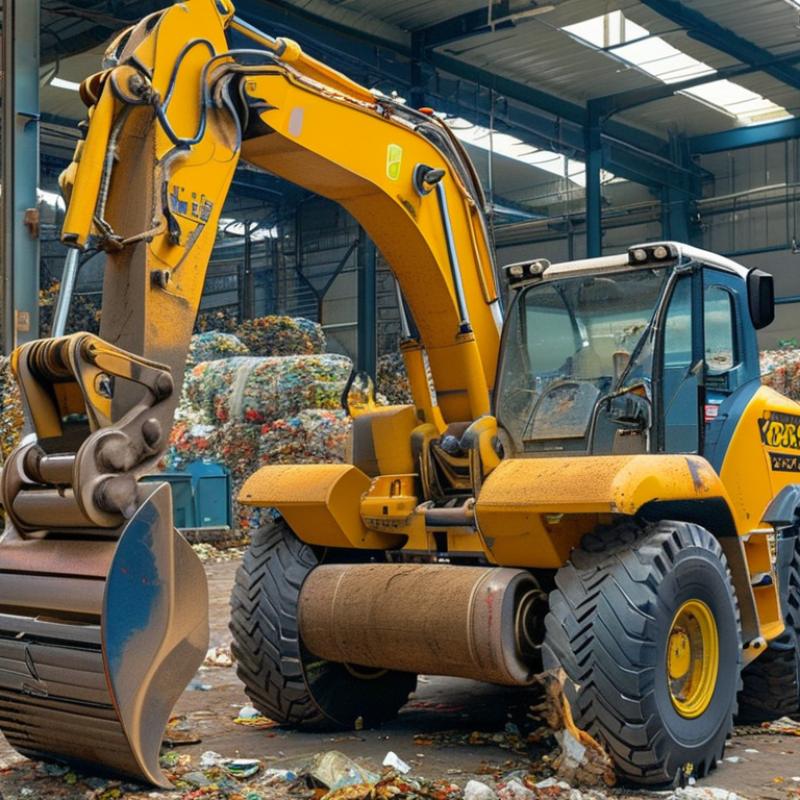
Top Factors to Consider When Choosing a Recycling Baler
Choosing the right recycling baler is vital for effective waste management. Buyers must assess several critical factors.
Capacity is crucial; balers come in different sizes, affecting how much material they can process at once. A higher capacity can streamline operations, but it may also require more floor space and power consumption. Understanding the volume of waste generated helps in making an informed choice.
Efficiency is another consideration. According to industry reports, modern balers can reduce the volume of recyclables by up to 90%.
This statistic highlights the potential savings in storage space and transportation costs. However, efficiency can vary significantly between models, making it essential to evaluate performance metrics. Some balers may have lower operational costs but could lag in throughput.
Maintenance requirements should not be overlooked. Regular maintenance is necessary to keep equipment running smoothly. Some balers feature user-friendly designs that simplify upkeep. Yet, ignoring maintenance schedules can lead to costly downtimes and repairs. Balers without proper support might leave operators wondering if they made the right choice. Ultimately, careful consideration of these factors can lead to smarter purchasing decisions.
Overview of Different Types of Recycling Balers Available in 2026
As the recycling industry evolves, the demand for efficient balers grows. In 2026, various types of recycling balers cater to the increasing need for waste management. Horizontal balers, vertical balers, and movie balers each serve distinct purposes. Horizontal balers are known for handling large volumes. They streamline the process, maximizing productivity.
Data from industry reports indicate that the vertical baler market is projected to rise significantly. These machines are ideal for smaller operations. They occupy less space and offer cost-effective solutions for businesses. The anticipated market growth is roughly 9% annually, driven by the surge in recycling initiatives globally.
However, choosing the right baler isn't straightforward. Operators must evaluate their specific needs. Factors like space, volume, and type of materials play a crucial role. There’s no one-size-fits-all solution. Buyers often grapple with balancing efficiency and cost. This complexity requires a thoughtful approach to ensure long-term sustainability in recycling practices.
Key Manufacturers and Brands Leading the Recycling Baler Market
The recycling baler market is experiencing significant growth, driven by the rising demand for sustainable waste management solutions. According to a recent industry report, the global recycling baler market is expected to reach $2.5 billion by 2026. Key manufacturers are focusing on innovative designs and efficiency. Features like automation and energy-efficient operations are becoming critical in selecting equipment.
Major players in the market emphasize reliability and performance. These brands are known for their advanced technology, which helps increase processing capacity. Moreover, they provide essential support services that enhance user experience. Reports indicate that over 40% of buyers prioritize maintenance ease when choosing a baler, directly impacting operational downtime.
However, there are challenges in the market. Some manufacturers face difficulties in balancing cost with advanced features. Not all balers meet the required standards, leading to potential inefficiencies. Buyers must carefully evaluate their options to ensure they invest in durable and effective Bailer Recycling systems that contribute positively to their sustainability goals. This careful consideration will influence the overall effectiveness of recycling programs globally.
2026 Global Recycling Baler Market Overview
Innovative Features and Technologies in Modern Recycling Balers
Modern recycling balers are essential for optimizing waste management and enhancing recycling rates. Key features include advanced automation, which improves operational efficiency by streamlining the baling process. Reports indicate that automation can reduce labor costs by up to 30% while also minimizing human error. The integration of real-time monitoring systems enables facilities to track performance metrics, enhancing responsiveness to operational needs.
Another significant innovation is the development of compact balers. Compact balers save space and energy, making them ideal for facilities with limited room. In fact, studies show that these machines can reduce energy consumption by 40%. Additionally, modern balers are often equipped with pre-compression technology, which maximizes material density. This means more effective transportation and lower shipping costs, crucial for maintaining profitability in recycling operations.
The introduction of intelligent baling systems also deserves mention. Systems with AI capabilities can analyze material types and adjust compression accordingly. This adaptability ensures optimal bale quality for various materials, from plastics to cardboard. However, there are challenges in implementing these technologies. Upfront costs can be high, and training staff to use complex systems requires significant time and resources. As the industry evolves, continuous improvement will be vital to overcome these barriers and fully leverage the advantages of modern balers, such as the innovative Pet Baler.
Comparative Analysis of Pricing and Cost Efficiency for Buyers
When selecting a recycling baler, cost efficiency plays a pivotal role. Many buyers seek options that provide value without compromising quality. It’s essential to evaluate not just the initial purchase price but also long-term operational costs. For instance, some balers may have lower upfront costs but higher energy consumption, impacting overall efficiency.
Buyers should analyze maintenance expenses too. A baler requiring frequent repairs can lead to unexpected costs. Understanding the lifecycle of the equipment helps in making informed decisions. It also allows buyers to predict future savings through energy-efficient models.
Another factor worth considering is the space requirements of each machine. A larger baler may seem appealing for high-volume processing, but it might incur higher installation and utility costs. Conducting thorough research can lead to better insights. This comparative analysis should guide buyers toward options that balance cost efficiency and functionality effectively.
Sustainability Impact: Why Recycling Balers Matter in 2026
In 2026, the role of recycling balers in sustainability efforts continues to grow. These machines play a vital role in the waste management industry. They compress recyclable materials, making transportation easier. Efficient baling helps increase recycling rates, but it's not without challenges. For example, proper maintenance is crucial to ensure machines operate effectively.
Sourcing the right baler, like the Msw Baler, is essential for businesses aiming for sustainability. Different models cater to various materials, from plastic to metal. However, many users may not fully understand their baler's capabilities. Training staff on effective usage can maximize output and reduce waste.
Despite advancements, many facilities still struggle with balancing efficiency and environmental impact. It's important to explore options that not only meet production needs but also align with sustainability goals. Regular audits can help identify improvement areas. Embracing innovation and sharing best practices will strengthen our collective commitment to a sustainable future.
Future Trends in Recycling Baler Design and Functionality
The recycling industry is evolving rapidly. Design and functionality of recycling balers are key to this transformation. The 2026 landscape shows a clear trend towards automation and enhanced processing efficiency. More advanced sensors are being integrated into machines. These high-tech features allow for more accurate sorting and reduce contamination rates.
Another important trend is sustainability in design. Manufacturers are focusing on eco-friendly materials. This means using recyclable components for the Box Baler itself. It’s not just about efficiency; it’s about creating a product that’s kind to the planet. Innovations in energy efficiency are also noteworthy. New balers consume less energy, aligning cost savings with environmental responsibility.
There's an ongoing conversation around these advancements. Some industry players express concerns over reliability. As technology advances, the risk of technical failures may rise. It’s crucial to balance innovation with proven, dependable functionality. Thoughtful reflection on these points can guide future purchases and investments in recycling technology. Ultimately, the goal is to enhance recycling processes while addressing real-world challenges.
Maximize Efficiency and Sustainability with the China NK080T120 Medium Double-Cylinder Vertical Baler: A Comprehensive Guide
The NK080T120 Medium Double-Cylinder Vertical Baler is designed to address the growing demands of recycling heavy-duty materials efficiently and sustainably. Its robust structure and advanced hydraulic system provide exceptional stability, allowing for powerful compression of a variety of rigid materials, such as aluminum, PET bottles, and plastic containers. This baler is ideal for large-scale operations in plastic and metal recycling facilities, helping businesses manage waste effectively while contributing to a more sustainable environment.
With a focus on operational efficiency, the NK080T120 features a double-cylinder compression system that significantly enhances performance while minimizing downtime. The machine's high-load structural integrity ensures it can withstand the rigorous demands of industrial waste processing, making it a reliable choice for recycling plants looking to maximize their productivity. Additionally, safety features have been meticulously integrated into the design, prioritizing the well-being of operators and the surrounding environment. Leveraging this baler can lead to streamlined processes and ultimately increase the throughput of recyclable materials, reinforcing a commitment to sustainability in operations.
FAQS
: Consider capacity, efficiency, and maintenance requirements. These factors affect processing volume and operational costs.
Higher capacity can streamline operations but may require more space. Assess your waste volume to make the right choice.
Modern balers may reduce waste volume by up to 90%. This can lead to significant savings in storage space.
Regular maintenance keeps equipment running smoothly. Neglecting it can lead to costly downtimes and repairs.
Features like automation and real-time monitoring improve efficiency. These can significantly reduce labor costs and human error.
Compact balers save space and energy, reducing energy consumption by up to 40%. They are ideal for small facilities.
Yes, high upfront costs and training requirements can pose challenges. Balancing these with long-term benefits is crucial.
Trends include automation, eco-friendly materials, and energy-efficient designs. These innovations aim to enhance processing capabilities.
Some worry about the reliability of advanced technologies. It's essential to weigh innovation against proven functionality.
Reflect on the factors mentioned. Consider your needs, budget, and potential future challenges before making a decision.
Conclusion
The article "2026 Top Recycling Baler Options for Global Buyers" provides a comprehensive overview of essential considerations for selecting a recycling baler. It emphasizes the top factors that impact decision-making, including the various types of balers available, alongside the innovative features and technologies that have emerged in recent models. The analysis of key manufacturers indicates a competitive market landscape, essential for buyers aiming for efficiency and cost-effectiveness.
Additionally, the article highlights the sustainability impact of recycling balers, underscoring their importance in promoting environmental responsibility in 2026. Future trends point towards continued advancements in design and functionality, ensuring that recycling balers remain at the forefront of waste management solutions. Overall, this article serves as a valuable resource for global buyers looking to make informed decisions in the evolving recycling industry.