Leave Your Message
0%

Looking for a reliable Box Baler Machine manufacturer in China? It takes a lot more than comparing prices on a product page. The real story shows up in daily work—loading, compression, tying, and bale discharge. In this guide, we’ll look at some established suppliers, like SINOBALER, Jiangsu Wanshida Hydraulic Machinery, and Zhengzhou Yuxi Machinery Equipment. Their ranges can serve recycling centers, warehouses, packaging plants, and paper mills. That said, each factory tends to focus on different materials, output levels, and automation needs.

So what should you actually evaluate? Measurable stuff. Chamber dimensions, hydraulic pressure, motor power, cycle time, bale weight, wire or strap systems, and control-panel design. Factory experience matters too. A good supplier should be able to explain how its machine handles flattened cartons, mixed cardboard, moisture, and irregular box sizes. Clear drawings, test videos, spare-parts lists, and installation guidance often tell you more than polished marketing copy. And yes—ask for recent customer references.

Small details can quietly drive up operating costs. If the chamber is poorly matched, you may end up with empty spaces inside each bale. Weak tying systems can make loads unstable during storage or transport. Service response matters as well, especially when a hydraulic seal fails during a busy shift. No manufacturer is perfect, and published specs may not reflect every working condition. That’s worth keeping in mind. Buyers should ask for sample baling tests and compare actual results with the promised capacity. The overview below introduces leading Chinese manufacturers and explains where each may fit—while acknowledging practical limitations instead of crowning a simple winner.
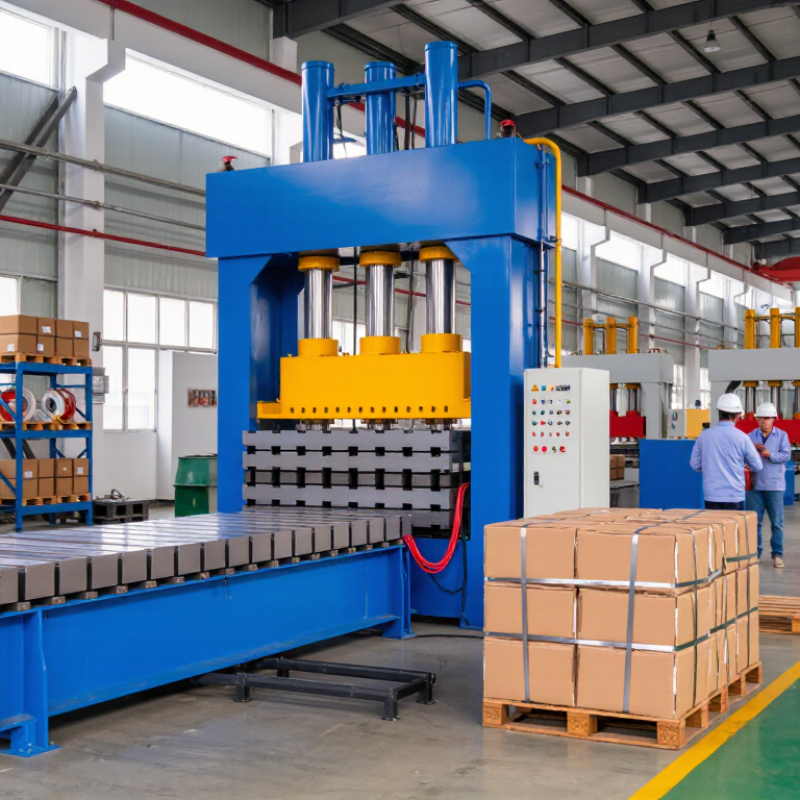
What Are the Top Box Baler Machine Manufacturers in China?

What Is a Box Baler Machine and How Does It Work?

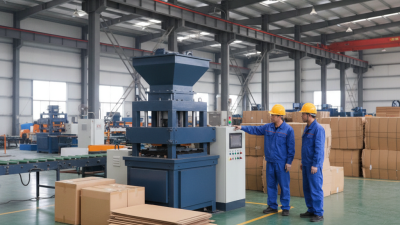
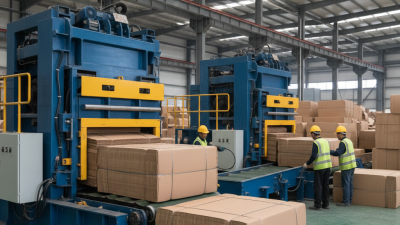
A Box Baler is an industrial machine that compresses used cartons into dense, manageable bales. It usually includes a feeding chamber, hydraulic system, compression plate, control panel, and tying mechanism. Operators load flattened boxes into the chamber. The hydraulic ram then pushes downward with controlled force. Pressure sensors help maintain consistent bale density.

Once the chamber is full, the machine holds the material under pressure. Workers secure the bale with wire or approved plastic straps. The finished block is easier to store, weigh, transport, and process. During equipment checks, I look closely at ram alignment, chamber welds, emergency stops, and oil leakage. Small defects can become expensive maintenance problems.

When comparing Chinese manufacturers, buyers should examine engineering records, factory testing, spare-parts support, and operator training. A reliable supplier should explain capacity using real carton types, not only ideal laboratory figures. Moisture, mixed paper grades, and uneven loading can change performance. This matters.

A perfect-looking bale may still have weak internal compression. That detail deserves reflection. Choose a machine with adjustable pressure, clear safety controls, and service documentation. Practical trials with your own boxes remain more trustworthy than impressive specifications.

Which Features Define a High-Quality Box Baler Machine?

What Are the Top Box Baler Machine Manufacturers in China?

Which Features Define a High-Quality Box Baler Machine?

A high-quality box baler machine starts with consistent compression, not impressive maximum force. The China Paper Association reported 129.65 million tonnes of paper and paperboard production in 2023. This volume creates demanding conditions for recycling facilities and warehouse operators. A reliable baler should produce uniform bales, even when cardboard arrives damp, crushed, or mixed with lightweight cartons. Strong hydraulic components, a rigid chamber, and controlled pressure reduce loose edges and repeated tying. Bale density must remain stable.

Safety is equally important. Look for guarded feeding openings, emergency-stop switches, door interlocks, and clear fault alarms. A PLC control system can record cycle times and pressure changes. These details support preventive maintenance. The U.S. Environmental Protection Agency notes that recycling systems depend on material quality and effective processing controls. That principle applies directly to baling operations. Energy use also deserves attention. A smaller motor is not automatically better; slow cycles may increase labor costs. Real performance matters.

Tips: Ask for test bales using your own boxes. Measure bale weight, dimensions, cycle time, and wire stability. Request maintenance records and hydraulic leakage tests. Do not trust catalog figures alone. A machine can look excellent on paper and still struggle with dusty, uneven feedstock. Operator feedback is often overlooked, but it may reveal the most practical weakness.

What Are the Top Box Baler Machine Manufacturers in China? - Which Features Define a High-Quality Box Baler Machine?

Evaluation Dimension High-Quality Requirement Practical Data or Verification Point Why It Matters
Baling Material Designed for corrugated cardboard, cartons, paperboard, and comparable recyclable fiber materials. The technical specification should identify supported materials, moisture limits, and prohibited items. Correct material compatibility reduces blockages, contamination, and premature wear.
Pressing Force Hydraulic force should match the required bale size, material type, and target bale density. Request the rated pressing force in kN or tonnes, together with the tested bale weight and dimensions. Adequate force creates stable bales without unnecessarily increasing energy use.
Bale Consistency The machine should maintain consistent bale dimensions, compression, and tying quality during repeated cycles. Check sample bales from a continuous production test rather than relying only on a single demonstration bale. Uniform bales improve storage, transport, weighing, and downstream recycling efficiency.
Throughput Capacity should be stated according to the material condition, loading method, and operating cycle. Compare cycles per hour or tonnes per hour using the same feedstock and bale specifications. Comparable test conditions prevent misleading capacity claims.
Hydraulic System Uses correctly sized pumps, cylinders, hoses, valves, filters, and pressure protection components. Verify operating pressure, oil capacity, filtration arrangement, leak testing, and availability of replacement seals. A well-matched hydraulic system supports stable pressure, safer operation, and longer service life.
Binding or Tying The tying method should provide secure retention and suit the buyer’s preferred wire, strap, or twine. Confirm the number of ties per bale, consumable specifications, tying time, and manual or automatic operation. Reliable tying prevents bale expansion and reduces handling risks.
Safety Protection Includes emergency-stop controls, guarded moving parts, interlocks where applicable, and clear operating instructions. Review the risk assessment, safety circuit design, emergency-stop test, warning labels, and user manual. Safety features help protect operators during loading, pressing, tying, and maintenance.
Electrical Controls Controls should provide clear status information and prevent unsafe or unintended operating sequences. Check voltage, frequency, motor rating, control-panel functions, fault indications, and compatibility with the installation site. Suitable controls improve reliability, troubleshooting, and operator training.
Structural Construction The frame, chamber, platen, and loading area should be engineered for the rated force and duty cycle. Request material specifications, weld-quality records, dimensional drawings, and the rated daily operating schedule. A robust structure helps maintain alignment and reduces deformation under repeated loading.
Energy Efficiency The motor and hydraulic system should provide the required output without excessive idle running or heat generation. Compare motor power, standby behavior, measured electricity consumption, and operating hours per day. Lower energy consumption can reduce operating costs over the machine’s service life.
Maintenance Access Routine inspection points, filters, lubrication areas, and wear components should be accessible. Ask for a maintenance schedule, recommended lubricants, spare-parts list, and estimated service intervals. Accessible maintenance reduces downtime and simplifies preventive servicing.
Quality Control The manufacturer should use documented inspection and testing procedures before shipment. Request factory acceptance-test records covering pressure, electrical safety, operating cycles, and bale performance. Documented testing provides objective evidence that the machine meets its specification.
Documentation and Compliance Technical documents should clearly state operating limits, installation requirements, and applicable conformity information. Verify the manual, electrical drawings, spare-parts catalogue, packing list, test records, and destination-market requirements. Complete documentation supports installation, customs processing, training, and safe operation.
After-Sales Support The supplier should provide installation guidance, operator training, troubleshooting support, and replacement parts. Confirm response channels, warranty terms, spare-parts lead times, remote-support capability, and service coverage. Responsive support reduces the operational impact of faults and commissioning problems.

Note: Performance figures should be compared only when bale size, material composition, moisture content, loading method, and operating conditions are equivalent.

How to Evaluate Chinese Box Baler Machine Manufacturers

Choosing a Chinese Cardboard Box Baler manufacturer requires more than comparing online prices. Start by checking factory experience with your material, bale size, and daily workload. Ask for test-baling videos using similar cardboard, not clean sample sheets. The results should show stable bale shape, consistent compression, and easy wire or strap handling. A serious supplier can explain pressure, cycle time, motor power, and maintenance intervals without vague promises.

Request a live video inspection of the workshop. Look closely at hydraulic pipes, weld quality, safety guards, and electrical cabinets. Ask whether key parts are traceable and whether replacement components remain available after installation. Technical drawings, user manuals, and operator training also reveal professional ability. Certificates can help, but they should match the actual machine model and current safety requirements.

Contact at least two existing users with similar production volumes. Ask about downtime, response speed, and unexpected repair costs. I once focused too heavily on the lowest quotation; the missing installation support became expensive later. That mistake still matters. A written warranty should define coverage, excluded parts, delivery terms, and remote support hours. It is also useful to request a pre-shipment inspection with load testing and final photographs. A manufacturer that accepts detailed questions usually inspires more confidence than one offering only polished brochures.

What Are the Leading Box Baler Machine Manufacturers in China?

Leading box baler machine manufacturers in China are increasingly judged by engineering results, not catalog photos. They design systems for corrugated cartons, woven bags, and mixed paper waste. A reliable Cardboard Box Compactor should deliver stable bale density, low downtime, and simple maintenance. In my experience, small details matter. A blocked sensor can stop an entire packing line.

China’s express delivery volume exceeded 132 billion parcels in 2023, according to data from the State Post Bureau of China. That scale creates continuous demand for carton recycling equipment. Industry forecasts from Smithers also identify e-commerce and automated packaging recovery as major growth drivers. Leading Chinese manufacturers typically offer hydraulic systems, automatic wire tying, remote diagnostics, and customized feeding chambers. However, performance claims need verification. A high pressure rating does not always mean better daily output.

Tips: Request a 24-hour production test using your actual cartons. Check bale weight, cycle time, noise, and power consumption. Ask for maintenance records and spare-part response times. Confirm CE or equivalent certification for your destination market. Factory videos can mislead. Visit the production floor when possible. A cheaper machine may become expensive after repeated hydraulic repairs. Evaluate the full operating cost, not only the purchase price.

How Do Chinese Box Baler Manufacturers Compare by Product Type?

Chinese box baler manufacturers differ sharply by product type, not only by price. A vertical baler suits small warehouses with limited floor space. Operators load cartons through a top chamber, tie the bale, and move it with a pallet truck. It is simple, but manual feeding can reduce hourly output.

A horizontal baler fits recycling centers and large distribution facilities. It handles continuous carton feeding and produces denser, more uniform bales. Automatic models add conveyors, sensors, and programmable controls. These features reduce labor, yet they demand better maintenance skills. A Carton Box Baling Press with hydraulic compression may reach higher bale density, especially when cartons contain mixed moisture levels. Still, pressure ratings alone do not prove performance.

When comparing Chinese suppliers, examine steel thickness, cylinder sealing, motor protection, and spare-part availability. Ask for test results using cartons similar to your own. A machine rated for 60-kilogram bales may perform differently with loose, dusty material. I would not treat a polished catalog as proof. Factory inspection, video testing, and clear warranty terms matter more. The lowest quotation can become expensive after installation. Some suppliers also offer custom chamber sizes, but customization may complicate future repairs. That trade-off deserves careful review.

How Chinese Box Baler Manufacturers Compare by Product Type

Typical bale-weight ranges by commonly offered Chinese box baler categories. Higher-capacity designs generally target automated recycling lines and larger material volumes.

Data represents indicative ranges compiled from commonly published equipment specifications. Actual performance depends on material density, feeding method, pressure, bale size and automation level.

What Should Buyers Check Before Choosing a Chinese Manufacturer?

When evaluating Chinese box baler machine manufacturers, buyers should inspect performance beyond catalogue figures. The World Bank’s What a Waste 2.0 estimates 2.01 billion tonnes of municipal waste annually. UNEP’s Global Waste Management Outlook 2024 projects nearly 3.88 billion tonnes by 2050. These figures suggest strong demand for reliable recycling equipment.

Ask for measured data from comparable cardboard grades. Check bale weight, chamber size, cycle time, power consumption, and continuous-duty performance. A claimed output can change sharply with moisture, mixed materials, and operator skill. Request a factory acceptance test using your own box samples. Record bale density and wire or strap consumption. Photos are not enough.

Audit the manufacturer’s quality process, not only its showroom. Review hydraulic component traceability, welding inspection, electrical testing, and calibration records. Confirm destination-specific compliance documents, manuals, spare-parts availability, and remote service response times. ISO 9001 certification can support process control, but it does not prove machine reliability. Ask for shipment references and contact two operating customers.

A low quote may hide weak pumps or expensive consumables. It may not.

Buyers should also compare warranty exclusions carefully. Some contracts cover the motor but exclude seals, sensors, or transport damage. I would request a signed production schedule and a video test before payment. Still, even a careful checklist cannot remove every risk. Supplier communication during one difficult technical question often reveals more than polished marketing material.

China NKB220 Wheat Straw Baler Machine: Efficient Suppliers and Factory for Compact Baling Solutions

The NKB220 Wheat Straw Baler Machine is designed to provide an efficient solution for compressing and bundling loose wheat straw and other lightweight agricultural materials. By converting scattered material into compact, uniform bales, it helps improve storage efficiency, simplify transportation, and maintain a cleaner working area. Its practical design makes it suitable for farms, agricultural processing facilities, recycling centers, and other industrial environments where reliable material handling is essential.

Manufactured in China, the NKB220 is produced by experienced suppliers and factories with a focus on stable performance, durable construction, and convenient operation. The machine supports streamlined baling processes by reducing the volume of loose straw and improving the consistency of each bundle. This can help operators make better use of warehouse space while reducing the labor and time required for manual handling. Its adaptable structure also allows it to work with different material management workflows, supporting efficient recycling and resource utilization.

For businesses seeking compact baling solutions, the NKB220 offers a balanced combination of productivity, space optimization, and dependable operation. Suppliers can provide equipment configurations and technical support according to specific processing requirements, helping users integrate the baler into modern agricultural or recycling operations.

FAQS

What is a box baler machine?

It compresses used cartons into dense, rectangular bales. Operators load flattened boxes into a feeding chamber. A hydraulic ram applies controlled downward pressure. Small defects matter.

How does a box baler produce a bale?

The chamber holds the cartons while the compression plate moves downward. Pressure sensors help maintain consistent density. After compression, workers secure the bale with wire or approved plastic straps. The finished block is easier to store and transport.

What materials can a box baler handle?

Most machines process corrugated cartons, mixed paper, and similar packaging materials. Moisture and uneven loading can reduce performance. Woven bags may require a suitable chamber design. Test your own materials.

What should buyers check when comparing Chinese manufacturers?

Review engineering records, factory testing, spare-parts support, and operator training. Ask for production evidence using real carton types. Catalog photographs are not enough. A factory visit can reveal practical details.

Which performance figures should buyers verify?

Request a trial lasting about 24 hours. Measure bale weight, cycle time, noise, and power consumption. Check output with your actual cartons. Laboratory figures may look better than daily results.

How can operators inspect a box baler before purchase?

Examine ram alignment, chamber welds, emergency stops, and hydraulic oil lines. Check for leakage around seals and fittings. Confirm that controls are clear and accessible. Ignore nothing.

Does a higher pressure rating guarantee better performance?

No. Higher pressure does not always produce greater daily output. Feeding speed, carton moisture, bale size, and downtime also matter. A dense-looking bale may still have weak internal compression.

What safety and service features are important?

Choose adjustable pressure, visible emergency controls, and complete service documentation. Confirm certification accepted in the destination market. Ask about spare-part response times and maintenance training. Service delays can become expensive.

How should buyers estimate the real operating cost?

Include electricity, labor, straps, maintenance, spare parts, and possible hydraulic repairs. A cheaper machine may cost more over time. I would compare total operating expenses, not only purchase prices. That judgment deserves review.

Conclusion

A Box Baler Machine is designed to compress and bundle discarded cardboard, cartons, and similar materials into compact, manageable bales. Its working process typically includes feeding, pressing, binding, and bale discharge. A high-quality model should provide strong compression, stable operation, reliable safety protection, durable construction, convenient controls, and efficient energy use. Buyers should also consider capacity, bale dimensions, automation level, maintenance requirements, and compatibility with their recycling workflow.

When evaluating Chinese manufacturers, buyers should review production experience, technical capabilities, quality-control procedures, certifications, customization services, delivery performance, and after-sales support. Different suppliers may specialize in vertical, horizontal, semi-automatic, or fully automatic equipment, so product selection should match material volume, available space, labor conditions, and budget. Before placing an order, it is important to confirm specifications, test performance, inspect key components, clarify warranty terms, and request complete operating and maintenance documentation. A careful comparison can help buyers choose a dependable Box Baler Machine that delivers consistent productivity and long-term value.
Charlotte

Charlotte

Charlotte is a dedicated marketing professional at a leading manufacturer of advanced hydraulic balers and environmental protection machinery. With extensive knowledge of the company's product line, she excels in effectively communicating the benefits and features of the packaging and baling......
Previous Why Choose Waste Paper Balers for Global Recycling?