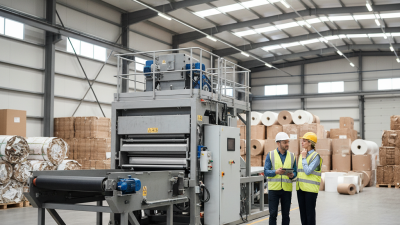
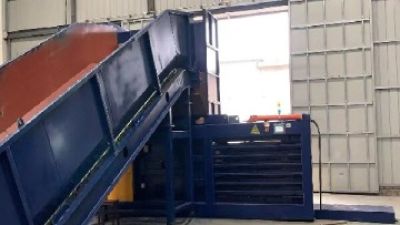
You know, as more folks start looking for eco-friendly solutions, the Aluminium Baler market is really picking up steam. Companies all over the world are finally waking up to how important it is to recycle aluminium efficiently. These baling machines aren’t just some tech gadgets—they actually stand for a bigger commitment to taking care of the planet. Big names like MRF Recycling and Harris Equipment are stepping up with some pretty innovative options, each suited for different needs.
Looking ahead to 2026, the industry’s facing some pretty unique challenges but also a bunch of exciting opportunities. When you're shopping for a baler, things like durability, how smoothly it runs, and safety features are pretty much must-haves. Of course, investing in this equipment isn’t cheap—it's a big commitment. But, honestly, the potential returns can be quite rewarding. That said, a lot of companies find it tricky to pick the right aluminium baler that fits their specific needs without breaking the bank. It's really about finding that balance between cost and quality.
Nowadays, customers want transparency more than ever from manufacturers. They need to trust that the equipment will do what it promises. So, doing some serious digging into different brands and their reputations is a smart move. Sometimes, what companies boast about doesn’t quite match up with actual performance, which can be frustrating. Staying up-to-date on the latest industry trends definitely helps in making smarter decisions. Ultimately, moving towards sustainable aluminium recycling with the latest baling tech isn’t just a simple buy—it’s a careful process that deserves some real thought and research.
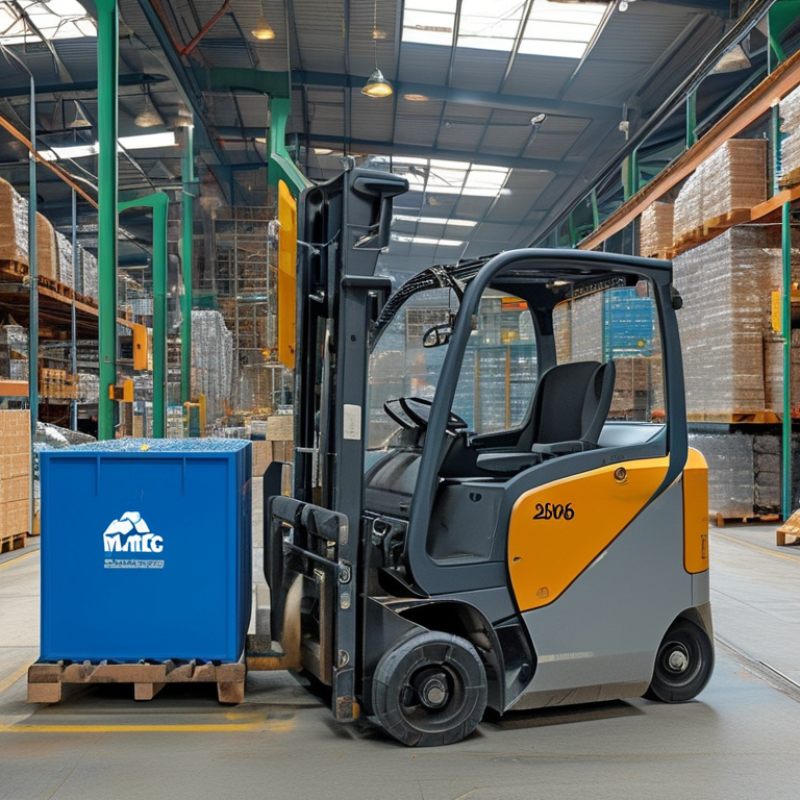
Overview of Aluminium Baler Machines in 2026
Aluminium baler machines play a crucial role in recycling and waste management industries in 2026. These machines compact aluminium waste into manageable bales. This process significantly reduces storage space and ensures easier transportation. Additionally, efficient machines improve the overall recycling rate of aluminium, benefiting the environment.
As the demand for recycling grows, buyers need to consider various factors. Machine size, energy efficiency, and ease of operation are essential. Emerging technologies enhance these features, making operations smoother. However, buyers must also be cautious. Not every model on the market meets quality standards. Research is key in selecting the right baler.
User feedback highlights the importance of maintenance and reliability. Many operators face challenges in keeping machines running optimally. Upgrading components can prevent frequent breakdowns. Understanding these nuances can empower buyers. Balancing cost and performance is often a tricky decision. Overall, the landscape for aluminium baler machines is evolving rapidly, reflecting broader industry trends.
Top Aluminium Baler Machines for Global Buyers in 2026
Key Features and Technologies in Modern Aluminium Balers
Modern aluminium baler machines are evolving rapidly. They are designed to handle a variety of aluminium scrap efficiently. Key features include automatic strapping systems and high throughputs. These innovations enhance productivity and ensure safety during operation.
The integration of smart technology is another important trend. Many balers now come equipped with advanced sensors. These sensors monitor the machine's performance in real-time. This improves maintenance and helps prevent breakdowns. However, not all systems are foolproof.
Some users report difficulties adapting to new technology, which can be frustrating.
Energy efficiency is a critical aspect of modern balers. Manufacturers are focusing on reducing energy consumption. This not only lowers operational costs but is also environmentally friendly. Still, realizing these benefits requires a commitment to change. Some facilities may struggle with the transition, pointing to the need for training and adaptation. Balers must align with evolving industry standards while meeting user expectations.
Top Brands Leading the Aluminium Baler Market
The aluminium baler market is rapidly evolving, driven by a focus on efficiency and sustainability. Companies are keen to adopt machines that not only compress aluminium scrap but also cater to various recycling needs. This drive has led many to explore advanced options that promote less waste and better recycling rates.
Among the top brands, choices range from compact models to high-capacity balers. These innovations focus on user-friendliness and minimal maintenance. Despite advancements, some users still face challenges with machine integration into existing processes. Industry experts often emphasize the importance of understanding each machine's specifications. Buyers should assess not just the features but also the long-term value they bring.
The Pet Baler category within this sector shows potential, particularly as recycling rates rise. However, standardisation remains an ongoing issue. Not every model meets the same performance benchmarks. Buyers must be discerning and conduct thorough research to ensure their investments yield practical results.
Comparative Analysis of Performance and Efficiency
In the quest for efficient waste management,
Msw Baler
machines have gained significant attention. As global recycling demands increase, understanding
performance metrics becomes essential. A recent industry report indicates that
top-performing baler machines can achieve up to
95% compaction rates.
This metric directly impacts
transportation costs, showcasing the efficiency of well-designed balers.
Moreover, energy consumption is another crucial factor.
State-of-the-art Msw Balers reportedly consume
30% less energy
compared to models from five years ago. This advancement not only supports
sustainability efforts
but also reduces operational costs for businesses. However, operators must consider the initial investment,
which may be prohibitive for smaller enterprises.
A comparative analysis reveals that while some balers excel in
speed, others focus on
durability. Machines designed for continuous operation tend to have
longer lifespans. However, this durability comes at the cost of
flexibility in handling various waste types. For buyers in
2026, these trade-offs must be carefully evaluated, ensuring that the selected
Msw Baler aligns with specific processing needs.
Cost Considerations for Aluminium Baler Machines
Cost considerations play a crucial role when selecting aluminium baler machines. These machines vary significantly in their pricing due to several factors. The initial cost is often determined by the machine's capacity and technological features. For instance, high-capacity models with advanced automation tend to be more expensive.
Operational expenses should also be evaluated. Maintenance costs can accumulate over time. Frequent repairs due to poor-quality components can lead to an unexpected financial burden. It's important to consider how efficiency enhancements can reduce energy consumption and operational costs.
Include the budget for installation and training. These are essential for maximizing the machine's potential. Additionally, unexpected challenges may arise during operations. Investing in reliable machines can mitigate future issues. Understanding these financial elements can guide buyers in making informed decisions.
Global Market Trends and Demand for Aluminium Balers
As the global demand for aluminium continues to rise, the market for aluminium baler machines is evolving rapidly. These machines, specifically designed to process aluminium scrap, play a crucial role in the recycling industry. They enhance efficiency in material handling and reduce waste. This efficiency leads to lower operational costs for businesses.
With increasing environmental regulations, the need for efficient recycling solutions becomes more critical. A focus on sustainability pushes market players to innovate. Integrating advanced technology in machines, including the compact Box Baler, helps in achieving higher bales per hour. The pursuit of greater productivity drives manufacturers to reflect on their designs and capabilities. Some machines still fall short in user-friendliness, which can complicate training for operators.
Despite the advancements, challenges remain in the aluminium baler market. Many companies struggle with sourcing quality materials. There could be inconsistencies in aluminium grades, which affects the baling process. Addressing these issues is crucial for future growth. The landscape calls for a deeper understanding of recyclable materials and their characteristics. This understanding will lead to better decision-making in machinery selection.
Top Aluminium Baler Machines for Global Buyers in 2026 - Global Market Trends and Demand for Aluminium Balers
| Machine Model |
Processing Capacity (tons/hour) |
Bale Weight (kg) |
Dimensions (L x W x H) (mm) |
Power Consumption (kW) |
Market Demand (units/year) |
| Model A |
5 |
400 |
2500 x 1500 x 2200 |
30 |
1200 |
| Model B |
10 |
600 |
3000 x 1800 x 2400 |
50 |
950 |
| Model C |
8 |
500 |
2800 x 1700 x 2300 |
40 |
1100 |
| Model D |
7 |
450 |
2400 x 1600 x 2100 |
35 |
800 |
| Model E |
6 |
550 |
2700 x 1750 x 2250 |
45 |
900 |
Future Innovations in Aluminium Baler Technology
The future of aluminium baler technology looks promising. Innovations are emerging that can enhance efficiency and sustainability. Manufacturers are incorporating advanced automation features. These help streamline operations and reduce manual intervention. New designs focus on increasing capacity while minimizing energy consumption. This shift is crucial as the world moves towards greener solutions.
In this landscape, the role of materials like hemp is noteworthy. Hemp Balers are becoming an important part of the recycling process. Their adaptability allows for improved processing of various materials. This inclusivity could make aluminum recycling more effective. However, some industry experts highlight challenges. Adapting newer technologies requires investment and training. Also, balancing innovation with cost-effectiveness is a constant struggle.
The integration of data analytics into aluminium balers is another key development. This technology helps monitor performance and predict maintenance needs. There are still hurdles in data security and system interoperability. Continuous attention is needed to address these issues. Embracing change in machinery could redefine how industries handle aluminium waste. The future beckons with opportunities for those willing to innovate.
Efficient Waste Management: The Heavy-Duty Horizontal Baler NKW250BD - A Reliable Solution for Sustainable Compaction
The NKW250BD heavy-duty horizontal baler is engineered to meet the rigorous demands of intensive recycling operations. Its robust construction allows it to efficiently compact a wide range of bulky materials, including waste paper, cartons, plastic films, PET bottles, and industrial packaging. Designed for high-volume applications, this baler plays a crucial role in optimizing waste management processes in various environments, such as large recycling centers and industrial waste facilities.
Equipped with a high-performance hydraulic system, the NKW250BD delivers consistent pressing power, ensuring dependable output even during extended periods of operation. The machine’s durable structure is built to withstand the challenges of continuous use, making it a reliable partner for any recycling operation. By incorporating this advanced baler into your facility, you can enhance operational efficiency while contributing to sustainable waste management practices. Experience the difference that a high-quality baler can make in maximizing productivity and ensuring responsible recycling efforts.
FAQS
: They compact aluminium waste into bales, reducing storage space and easing transportation.
It reduces operational costs and minimizes environmental impact, benefiting the facility and the planet.
Regular maintenance and upgrading components help keep machines running optimally and prevent breakdowns.
Factors include machine size, energy efficiency, ease of operation, and quality standards of the models.
Yes, many include sensors that monitor performance, aiding maintenance and preventing issues.
Users may struggle to adapt to new systems, which can be frustrating and require training.
Maintenance, installation, and training costs can add up, influencing overall expenses.
High-capacity models with automation are usually more expensive due to their enhanced capabilities.
Finding a balance can be difficult; higher costs don’t always guarantee better performance.
The importance of research on quality standards can lead to unexpected challenges later on.
Conclusion
In 2026, aluminium balers are poised to play a crucial role in the recycling industry, driven by the growing demand for sustainable waste management solutions. Modern aluminium baler machines are equipped with advanced features and technologies that enhance their performance and efficiency, making them essential for businesses looking to maximize their recycling capabilities.
Key market trends indicate an increasing need for high-quality aluminium balers, as industries worldwide aim to adopt environmentally friendly practices. Cost considerations are essential for buyers, as they evaluate the return on investment based on the baler's operational efficiency. Furthermore, anticipated innovations in aluminium baler technology promise to improve processing speeds and reduce energy consumption, ensuring that these machines remain at the forefront of the recycling sector. Ultimately, the future of aluminium balers looks promising, aligning with global sustainability goals while meeting the demands of various markets.