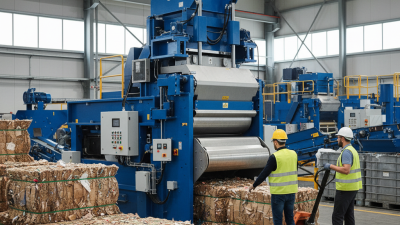
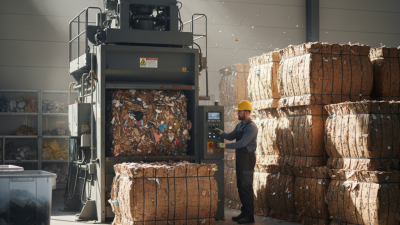
So you're trying to pick from the top 10 Waste Paper Balers for global buyers? Fair warning: it's not just about who has the lowest price. A machine you can actually rely on has to fit your paper volume, bale density, crew's skill level, floor space, and power setup. If you run a small warehouse, a compact vertical baler might be all you need. A big recycling plant? You're probably looking at continuous horizontal systems with automatic wire tying.
Robin Wiener, former president of the Institute of Scrap Recycling Industries, put it in a way that still sticks: 'Recycling is a manufacturing process that produces a commodity.' Exactly. Waste paper balers aren't just squishing old paper. They're making consistent bales you can store, ship, and sell again. Bale shape matters. Moisture control matters. And honestly, feeding safety matters even more.
This guide looks at ten practical options for international buyers. We compare throughput, chamber size, tying systems, maintenance access, energy use, and supplier support. Some models look like beasts on paper but fall apart when operators aren't trained well. Others cost more upfront but save you a ton of handling headaches later. That difference is easy to miss until you're stuck with the wrong machine.
No single ranking works perfectly for every facility. Regional voltage, shipping distance, spare-part availability, and local service quality can all change the final call. And yes, product specs deserve a second look. Manufacturers sometimes show ideal numbers. Real-world output? Often lower.
So ask for test-bale results, warranty terms, installation requirements, and references from similar facilities. A smart choice starts with honest operating data. Even then, mistakes can still happen. That's why this comparison sticks to practical evidence, not just flashy claims.
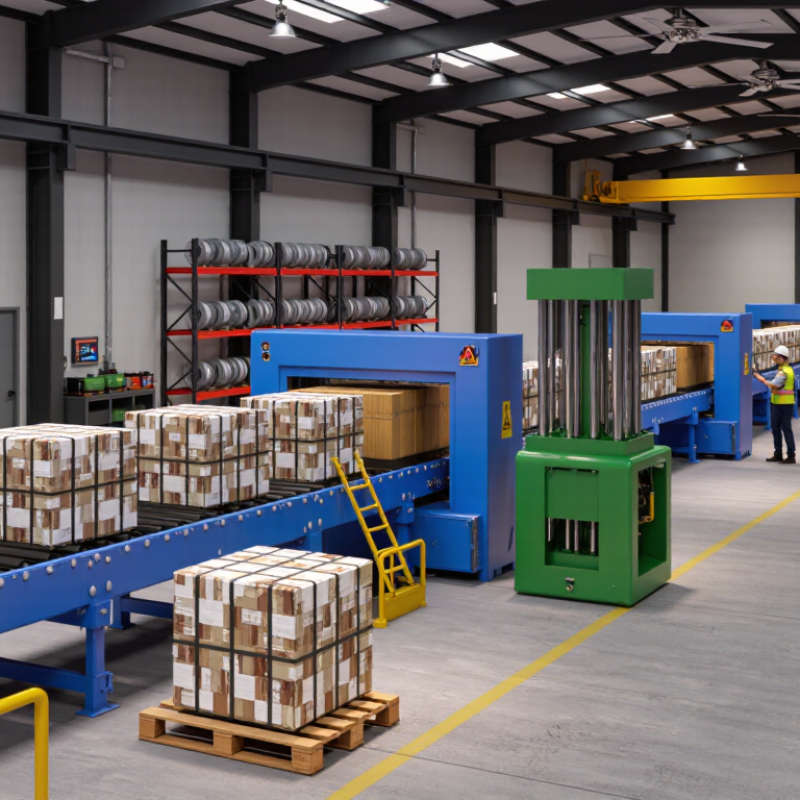
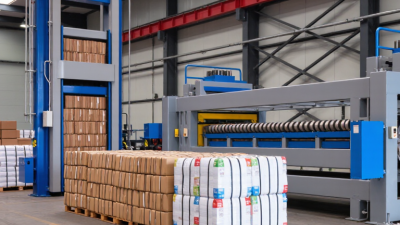
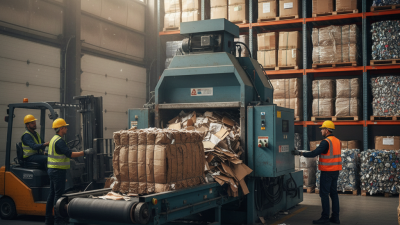
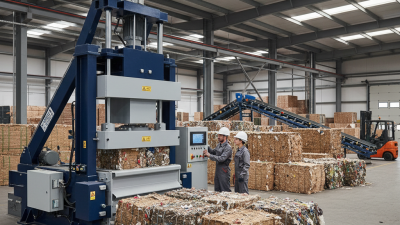
A waste paper baler compresses loose paper into dense, manageable bales. It uses a chamber, hydraulic ram, and binding system. The ram pushes paper against a reinforced wall. Pressure removes air and reduces volume. Operators then secure the bale with wire, strap, or suitable tying material. This process simplifies storage, handling, and transport for recycling facilities and commercial sites.
The working cycle is straightforward. Paper enters through a wide loading opening. The hydraulic system activates when the chamber reaches its planned fill level. Sensors or manual controls may guide the cycle. Bale density depends on paper type, moisture, feeding consistency, and machine pressure. Dry office paper behaves differently from corrugated cardboard. Real facilities are rarely perfectly consistent. That detail is easy to underestimate. Buyers should check cycle time, chamber size, motor capacity, safety controls, and maintenance access. A reliable baler should also provide clear operating instructions and accessible replacement parts.
Tips: Inspect the paper stream before choosing equipment. Measure daily volume, available floor space, and bale weight requirements. Ask for performance data using similar materials. Watch a complete demonstration, not only an empty-machine cycle. Check noise, oil leakage, door alignment, and emergency stops. A smaller baler may suit limited output, while a vertical or horizontal design may better match available labor and space. Selection is not always obvious. Waste composition can change seasonally.
Top 10 Waste Paper Balers for Global Buyers
Classifying the top ten Waste Paper Baling Machine options requires more than checking advertised pressure. In real recycling facilities, feed opening size often decides daily performance. A narrow opening may force workers to cut bulky cardboard. That slows production.
Start with bale weight, chamber volume, and hourly throughput. Then compare vertical and horizontal structures. Vertical balers suit small warehouses with limited floor space. Horizontal models handle continuous feeding and larger waste streams. Hydraulic pressure matters, but bale density matters more for transport costs. A 500-kilogram bale can reduce loading frequency, provided the wire or strap system remains secure.
Look closely at power requirements. Voltage, motor efficiency, and control-panel language affect overseas installation. Safety features should include guarded chambers, emergency stops, and controlled door movement. Ask for test records, maintenance instructions, and clear service intervals. Reliable suppliers should explain oil changes, wear-part replacement, and expected operating limits. Experience shows that vague answers deserve caution. A polished brochure can still hide poor access to spare parts.
The ranking should also measure lifetime value. Consider noise, cleaning time, operator training, warranty coverage, and local technical support. A cheaper machine may become expensive after repeated downtime. Still, the largest model is not automatically the best choice. Some buyers overestimate future waste volumes. That mistake leaves unused capacity and higher energy costs. A practical trial using your own paper mix can reveal feeding problems before purchase. The final ten should reflect verified performance, safe operation, and realistic working conditions.
Top 10 Waste Paper Balers for Global Buyers?
Key Specifications Global Buyers Should Compare
Choosing a Paper Baler requires more than checking its listed tonnage. Compare hourly throughput, bale density, chamber size, and feeding aperture. A wide opening handles flattened cartons more smoothly. A compact chamber may suit offices but slow busy recycling floors. Bale weight matters too. Heavy bales reduce transport frequency, yet they need stronger lifting equipment and stable storage space.
Check pressing force, motor power, cycle time, and duty rating together. A powerful motor does not guarantee higher output. Frequent pauses, uneven feeding, or wet paper can reduce real performance. Ask for tested throughput using similar material, not ideal factory samples. Operators should inspect binding options, including wire or strapping compatibility. Bale dimensions must fit pallets, trucks, and local handling systems.
Electrical requirements deserve careful comparison. Confirm voltage, frequency, plug configuration, control language, and emergency-stop design before ordering. Guarding, interlocks, noise levels, and access for cleaning affect daily reliability. Look for replaceable wear parts, clear maintenance schedules, and documented service response times. In practical assessments, small details often decide productivity. A door that opens awkwardly can waste minutes every hour. I would also question unusually low energy figures. They may reflect short tests, not a full shift.
This comparison uses representative commercial configurations commonly available in the global waste-paper recycling market. Throughput depends on paper grade, moisture, feed preparation, bale density, and operator workflow. Buyers should also compare chamber size, bale weight, tying method, power supply, safety systems, and service availability before selecting equipment.
Choosing among the top ten waste paper balers depends on the operation, not popularity. Small shops often use vertical balers for cardboard, office paper, and limited daily volumes. They need little floor space and simpler training. Medium recycling centers may prefer horizontal semi-automatic balers. These machines handle steady feeding and produce denser bales for storage or transport.
Large paper mills and transfer facilities often require automatic horizontal, channel, or two-ram balers. Their wider chambers support continuous conveyors and higher throughput. Closed-door designs can improve bale shape when paper varies in moisture and density. A suitable machine should match feed opening size, bale weight, power supply, wire or strapping method, and maintenance skills. One ranking cannot fit every site.
Tips: Measure your busiest hour, not your average day. Check the real paper mix, including wet cartons and loose sheets. Leave space for safe loading and bale removal. Ask for documented output tests and service response times. I would also inspect access to filters, hydraulic parts, and the tying area. Small details matter. A powerful baler may still disappoint when operators wait for repairs or feed material unevenly. Local voltage and training support deserve equal attention.
When comparing the top 10 waste paper balers, global buyers should examine safety before pressing capacity. A Paper Roll Baler needs fixed guarding around the compression chamber and moving feed mechanisms. Emergency-stop buttons must remain visible from loading and service positions. Interlocked doors should stop motion immediately when opened. Never bypass them for faster production. The ILO estimated 2.93 million work-related deaths and 395 million nonfatal injuries worldwide in 2023. These figures show why basic safeguards deserve serious attention.
Installation begins with a level concrete foundation, sufficient ventilation, and clear forklift routes. Electrical connections should follow the local code and be completed by a qualified technician. Confirm motor voltage, hydraulic pressure, grounding, and control-panel protection before commissioning. Leave space for removing cylinders and filters. It matters later. Operators need practical training, not only a signed manual. A short test should cover jam clearing, wire handling, emergency shutdown, and lockout procedures.
Maintenance plans should follow the manufacturer’s service schedule and ISO 12100 risk-reduction principles. Inspect hoses for abrasion, check guards weekly, and record unusual vibration or oil leakage. Lock out energy sources before entering the chamber. OSHA identifies hazardous-energy control as a recurring serious workplace issue in its annual inspection data. A checklist can still miss a tired operator or poor lighting. Recheck the workplace after installation, because real conditions often challenge the original plan.
Selecting a reliable baler supplier matters more than choosing a machine from a “Top 10” list. The World Bank’s What a Waste 2.0 report estimated 2.01 billion tonnes of municipal waste annually. This volume makes dependable compaction equipment essential for transport and storage. A Kraft Paper Baler should match your paper grade, daily volume, bale density, and available floor space.
Ask suppliers for verifiable production data, not attractive catalogue promises. Check hourly capacity, chamber dimensions, motor power, safety controls, and expected maintenance intervals. The CEPI 2023 Monitoring Report recorded a European paper recycling rate of about 79.3%. This reflects growing demand for consistent, high-quality recovered fibre. Your supplier should explain how its baler protects fibre quality and handles moisture or mixed paper.
Inspect the support system carefully. Confirm spare-parts availability, technician response times, installation training, and warranty exclusions. Request references from facilities with similar waste volumes. In practical inspections, small details often matter: loose wiring, unclear emergency-stop labels, or difficult access to hydraulic filters can create expensive delays. A cheaper machine may become costly.
Supplier transparency is a useful test. Ask for independent test records and realistic energy figures. The U.S. Energy Information Administration notes that industrial electricity costs vary widely by region, so local operating estimates are important. I would also request a written total-cost model covering power, labour, consumables, repairs, and downtime. No supplier predicts every failure perfectly. That limitation deserves honest discussion.
Compare bale weight, chamber volume, feed opening, and hourly throughput. Then review machine structure and operating conditions. Advertised pressure alone can mislead.
Vertical balers suit small warehouses with limited floor space. They handle cardboard, office paper, and modest daily volumes. Training is usually simpler.
Horizontal balers fit medium or large operations with steady material flow. They support continuous feeding and denser bales. Conveyor integration may improve productivity.
Match the opening to your largest regular cardboard pieces. A narrow opening may force workers to cut bulky material. That wastes time.
Denser bales usually reduce storage space and loading frequency. A 500-kilogram bale can support efficient transport. Secure wire or straps remain essential.
Check voltage, motor efficiency, control-panel language, and power availability. Confirm chamber access, emergency stops, and controlled door movement. Installation details matter.
Test the machine with your own paper mix. Include wet cartons, loose sheets, and uneven material. Measure performance during the busiest hour.
Ask about oil changes, filters, hydraulic parts, wear components, and service intervals. Inspect access to the tying area. Vague answers deserve caution.
No. Oversized equipment can leave unused capacity and increase energy costs. I might still choose incorrectly without reliable volume data.
Consider downtime, noise, cleaning time, training, warranty coverage, and technical support. A cheaper machine may become expensive after repeated repairs. Small details matter.
This guide explains how Waste Paper Balers compress loose paper and cardboard into dense, manageable bales for storage, transportation, and recycling. It presents a practical framework for comparing the top ten balers based on pressing force, bale size, throughput, power consumption, automation level, control systems, durability, and total operating cost. Global buyers will also learn how vertical, horizontal, automatic, and semi-automatic balers suit different recycling facilities, from small collection points to high-volume processing plants.
The article also highlights essential considerations beyond machine performance. Buyers should evaluate safety guards, emergency stops, operator training, installation conditions, spare-parts availability, maintenance requirements, and after-sales technical support. A reliable supplier should provide clear specifications, realistic production data, installation guidance, service commitments, and documentation suitable for the buyer’s location. By comparing equipment capabilities with actual material volumes, site limitations, labor resources, and long-term costs, purchasers can select a safe, efficient, and dependable baling solution for their paper recycling operations.