Leave Your Message
0%

So, what does a Paper Roll Baler actually do? Well, it takes loose paper and compresses it into dense, stable rolls—the kind you'd need for storage, shipping, or sending off for more recycling. The machine has a steel chamber that can be fed paper either continuously or in batches. Then hydraulic rams come in and apply controlled pressure from a few different directions. Once the roll hits the target density, binding wires or straps are wrapped around it to keep everything tight. And just so you know, those finished rolls can weigh hundreds of kilograms. At first glance, it looks pretty simple. But honestly? It's not.

According to the FAO Forestry Production and Trade database, global paper and paperboard production sits at around 400 million tonnes a year. And CEPI's Key Statistics 2023 put Europe's paper recycling rate at just about 80 percent. Numbers like these kind of explain why mills, distribution centers, and recycling plants are under so much operational pressure. Even saving a single cubic meter can help ease floor congestion and cut down on handling movements. That said, a bigger bale isn't necessarily a better one. Push things too hard, and you can mess up your equipment, warp the cores, or end up with unstable loads.

As Bill Moore—recovered-paper market consultant and president of Moore & Associates—puts it, the practical rule is pretty simple: “Recovered paper is valuable only when it’s clean, sorted, and consistently handled.” And honestly? That idea fits Paper Roll Baler operation almost perfectly. Moisture, plastic film, labels, mixed grades—they can all drag down bale quality. So before production starts, operators should check ram alignment, tie integrity, chamber wear, and emergency stops. Truth is, a reliable machine isn’t just about hydraulic power. It comes down to disciplined routines—how you run it, maintain it, and stick to a process.

Smithers’ research on packaging and recovered paper suggests demand for efficient fiber recovery isn’t going away anytime soon. That said, it’s worth taking productivity claims with a grain of salt. What you actually get depends on a bunch of things: paper grade, feed rate, moisture, roll diameter, and, honestly, how experienced your operator is. This guide walks through the machine’s working cycle, its key components, and the practical stuff to consider when choosing one—without pretending advertised capacity is a guarantee.
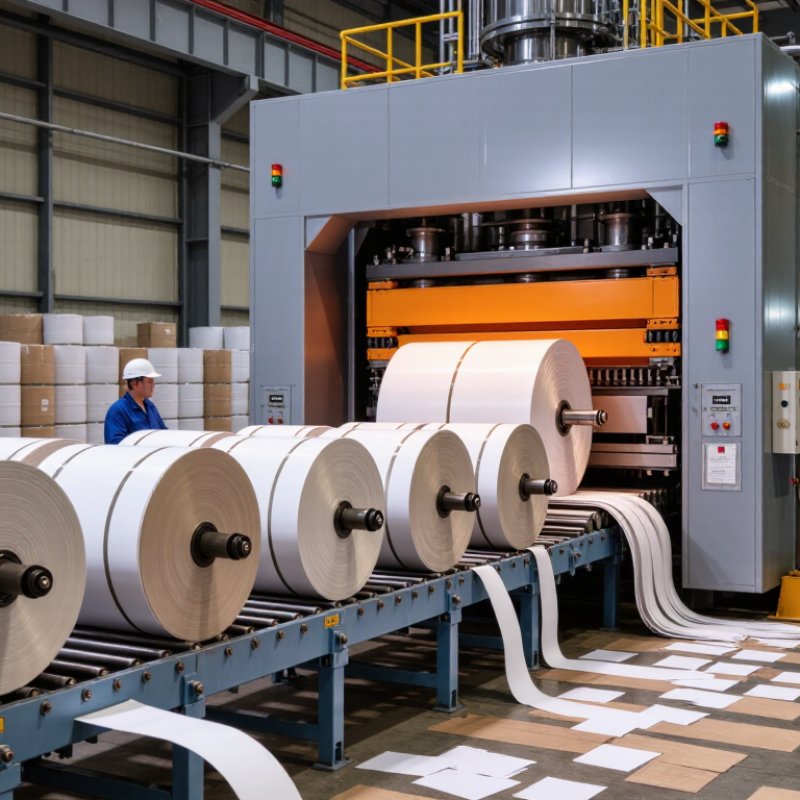
What Is a Paper Roll Baler and How Does It Work?

What Is a Paper Roll Baler?

A paper roll baler is an industrial machine that compresses loose paper, cardboard, or trimmed paper rolls into dense, manageable bales. It is commonly used in recycling centers, printing facilities, warehouses, and paper mills. The machine reduces storage volume and makes material handling more efficient. A Paper Baler can also improve workplace organization by replacing scattered piles with secured bundles.

The process is straightforward. Workers place suitable paper into a loading chamber. A hydraulic ram then presses the material against a strong chamber wall. When the target density is reached, operators secure the bale with wire or approved strapping. The finished bundle is ejected or removed with handling equipment. Real performance depends on paper moisture, material shape, and correct loading. Damp paper may compress poorly. That detail is easy to underestimate.

Tips: Inspect the chamber before use, and remove unwanted metal or plastic. Keep hands away from moving parts. Follow the machine’s pressure limits and maintenance schedule. Operators should receive practical training, not just written instructions. We have found that evenly distributed material creates firmer bales, although some irregular rolls still leave empty spaces. Check bale weight and stability before stacking. Good records can reveal repeated problems, such as excessive moisture or uneven feeding.

The Main Components of a Paper Roll Baler

What Is a Paper Roll Baler and How Does It Work?

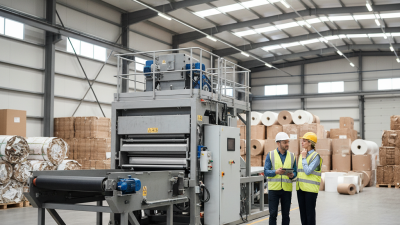
A paper roll baler compresses paper rolls into dense, manageable bales. Its main components work together under controlled hydraulic pressure. The feed hopper or conveyor receives rolls and guides them into the compression chamber. Some systems use a rotating feeder, while others rely on gravity. Keep the entry area clear.

Inside the chamber, a hydraulic ram pushes the paper against a reinforced back plate. A hydraulic power unit supplies pressure through pumps, valves, and hoses. Pressure gauges help operators monitor the compression cycle. The control panel manages loading, pressing, tying, and bale release. The tying or strapping system secures each bale before discharge. Poorly aligned straps can loosen during handling.

The discharge door opens after the bale reaches its programmed size. Sensors may check door position, ram movement, and chamber conditions. From practical maintenance experience, clean sensors often matter as much as strong hydraulics. Dust and loose fibers can cause false readings or uneven cycles. Moisture also changes paper behavior and bale density. A clean machine is not always a well-adjusted machine. Operators should inspect hoses, seals, guides, and binding points regularly. Small adjustments can improve stability, but excessive pressure may damage equipment or create unsafe operating conditions.

What Is a Paper Roll Baler and How Does It Work? - The Main Components of a Paper Roll Baler

Component Primary Function How It Works Common Materials or Features Operational Consideration
Feed Hopper or Inlet Receives loose paper, trim, and paper rolls before compaction. Material enters the baler manually or through a conveyor and is directed into the chamber. Welded steel construction; may include guards, guides, or a conveyor connection. The opening should be kept clear to prevent bridging and uneven loading.
Baling Chamber Contains the paper while it is compressed into a compact bale or roll. The chamber confines the material and withstands the force generated by the ram. Heavy-gauge steel walls, reinforced frame, and a chamber sized for the intended material. Correct loading distribution helps produce a stable, uniform bale.
Hydraulic Power Unit Provides the hydraulic pressure needed for compression. An electric motor drives a hydraulic pump, which sends pressurized fluid to the cylinder. Electric motor, hydraulic pump, reservoir, valves, hoses, and filters. Fluid level, leakage, hose condition, and filter cleanliness require regular inspection.
Hydraulic Cylinder and Ram Applies compressive force to reduce the volume of the paper. Hydraulic pressure extends the cylinder, moving the ram through the chamber; the ram retracts after the compression cycle. Steel ram plate, hydraulic cylinder, seals, and guide surfaces. The ram should move smoothly without unusual noise, vibration, or visible fluid leakage.
Bale-Binding System Holds the compressed paper together after the pressure is released. Wire, strapping, or tying material is placed around the bale and secured before ejection. Steel wire, plastic strap, tying channels, or automatic tying equipment. Binding tension should be sufficient to maintain shape without damaging the paper.
Ejection or Discharge Door Allows the finished bale to leave the compression chamber. The door opens mechanically or hydraulically after binding, and the bale is pushed or removed from the chamber. Reinforced steel door, hinges, locking mechanism, and discharge guides. The discharge area must be unobstructed and kept outside the operator’s danger zone.
Control Panel Controls the baling cycle and displays operating information. Buttons, switches, sensors, or a programmable controller manage loading, compression, tying, and ejection sequences. Start/stop controls, cycle selector, pressure indicators, alarms, and emergency-stop button. Operators should follow the defined cycle and never bypass safety controls.
Safety Interlocks and Guards Reduce the risk of access to moving or high-force components during operation. Interlocks stop or prevent the cycle when a door or guard is open or incorrectly positioned. Guard panels, door switches, light barriers, emergency stops, and warning labels. Safety devices should be tested routinely and must not be defeated or removed.
Structural Frame and Base Supports the chamber, hydraulic equipment, controls, and other assemblies. The rigid frame transfers compression forces to the floor and keeps the machine aligned. Welded structural steel, mounting feet, anchor points, and leveling components. The baler should be installed on a suitable, level surface with adequate clearance for service.

Basic operating sequence: Paper is loaded into the chamber, the hydraulic ram compresses the material, the compacted paper is secured with binding material, and the finished bale is ejected for storage, transport, or recycling.

How Paper Rolls Are Loaded and Positioned

A paper roll baler compresses recovered paper into dense, tied bundles for easier storage and transport. Its performance depends heavily on how each roll enters the chamber. Loading is not simply dropping material into an opening. Good positioning controls pressure, stability, and bale shape.

Before loading, operators inspect the chamber, platen, feed area, and restraints for damage. The machine should stand on level ground, with its access path clear. Rolls are usually moved with suitable lifting equipment, rather than pushed by hand.

Keep the roll cores facing consistently when possible, and contain loose edges before compression. Place larger rolls low and near the chamber center. Keep the load balanced. This reduces sideways pressure during the cycle.

Do not stack rolls against doors, sensors, or moving parts.

Hands must remain outside the chamber.

As the chamber fills, operators watch for gaps between rolls. Small gaps may be filled with compatible paper material, but overfilling creates uneven resistance. The platen should meet a stable surface, not a leaning pile.

A practical check is pausing to inspect alignment before compression begins. That pause feels slow during busy shifts. It can prevent damaged ties, distorted bales, and unnecessary machine strain.

Field experience shows that rushed final placement causes many loading errors. Even experienced teams can miss one tilted roll.

Not every load aligns. Look again.

How the Baling and Compression Process Works

A paper roll baler compresses loose kraft paper, damaged rolls, and production offcuts into dense, manageable bales. A Kraft Paper Baler usually includes a feeding area, compression chamber, hydraulic ram, and bale ejection system. Operators place paper into the chamber, either manually or through a conveyor. The ram then moves forward with controlled hydraulic pressure.

Compression begins as the paper layers flatten and release trapped air. The chamber walls guide the material into a stable shape. Once the target size is reached, the operator secures the bale with wire or approved strapping. The finished bale is then pushed out for storage or transport. Timing matters. Feeding paper too quickly can create uneven density, while overfilling may strain the machine.

From practical operation, moisture and mixed materials often cause trouble. Damp paper may stick inside the chamber. Plastic film can reduce bale quality. A short inspection before each shift helps identify worn seals, loose fasteners, or hydraulic leaks. The process seems simple, but small inconsistencies affect bale weight and handling. Perfect results are not automatic.

Tips:

  • Keep paper evenly distributed.
  • Remove plastic and metal pieces.
  • Do not reach into the chamber during operation.
  • Record bale weights and pressure readings.
  • If the bale twists or expands after ejection, review the loading pattern and compression setting.

How Baled Paper Rolls Are Tied and Ejected

What Is a Paper Roll Baler and How Does It Work?

A Paper Baler Machine compresses loose paper rolls into dense, manageable bales. The process begins when a hydraulic ram pushes material into a steel chamber. Pressure removes trapped air and creates a stable rectangular block. According to the AF&PA 2023 U.S. Paper Recycling Industry Annual Report, the United States recovered about 46 million tons of paper. Efficient baling helps reduce storage space and transport volume.

The tying stage needs careful timing. After compression, straps or wires pass through channels around the bale. A tying unit tightens each line, seals or knots it, then cuts the remaining material. Some systems use several ties across the bale width. Too little tension allows the bale to loosen. Excessive tension can damage paper edges or break the strap.

Tying Stage
Careful timing and balanced tension help maintain bale stability.

Then comes ejection. The hydraulic ram retracts, the chamber door opens, and an ejector plate pushes the tied bale onto a conveyor or floor. Some machines release the bale from the rear, while others use side discharge. The bale is rarely perfect. Moist paper, uneven rolls, and dusty chambers can change its shape. Operators still inspect tie tension, bale density, and loose edges by hand. CEPI’s 2023 statistics reported a European paper recycling rate of approximately 79.3%, making reliable handling equipment increasingly important. Small errors remain possible. Regular cleaning and pressure checks prevent many failures.

Key Applications and Benefits of Paper Roll Balers

What Is a Paper Roll Baler and How Does It Work?

A paper roll baler compresses loose paper, cardboard, and damaged rolls into dense, tied packages. Its chamber uses hydraulic pressure to reduce volume and improve handling.

In a warehouse, operators may feed trimmed sheets, kraft paper, or rejected rolls through a guarded opening. The machine then compacts the material into a stable bale. Simple in principle. Still, moisture, uneven feeding, and incorrect pressure can reduce bale quality.

The main applications

The main applications include paper mills, printing plants, packaging warehouses, distribution centers, and recycling facilities. A Cardboard Paper Baler can turn scattered cartons into uniform bales that forklifts move more safely. This reduces floor congestion and may lower transport frequency.

The U.S. Environmental Protection Agency reported 67.4 million tons of paper and paperboard in municipal waste during 2018. About 46 million tons were recycled, representing a 68.2% recycling rate in its report, Advancing Sustainable Materials Management: 2018 Fact and Figures.

Material separation and operating quality

Paper roll balers also support better material separation. Cleaner bales usually attract more consistent recycling value, although results depend on local buyers and contamination limits. The American Forest & Paper Association reported a U.S. paper recycling rate of 60% in 2023, with approximately 46 million tons recovered.

These figures show strong recovery activity, but they do not guarantee perfect plant performance. Operators still need routine inspections, correct bale tension, and practical safety training. A rushed loading cycle can cause weak bales. That is easy to overlook.

FAQS

What does a paper roll baler do?

It compresses loose paper, damaged rolls, cardboard, and production offcuts. The hydraulic ram pushes material into a steel chamber. The result is a dense, manageable bale.

How is paper loaded into the machine?

Operators load paper manually or use a conveyor. Spread the material evenly across the chamber. Uneven loading can create a twisted bale.

How does the compression process work?

The ram advances with controlled hydraulic pressure. Paper layers flatten as trapped air escapes. Chamber walls help form a stable rectangular shape.

How are finished bales tied?

Straps or wires pass through channels around the compressed bale. A tying unit tightens, seals, or cuts them. Too little tension allows loosening. Too much tension may damage paper edges.

How is a tied bale ejected?

The ram retracts after tying. The chamber door opens, and an ejector plate pushes the bale outward. It may move onto a conveyor or directly onto the floor.

What materials can affect bale quality?

Damp paper may stick inside the chamber. Plastic film can lower bale quality. Metal pieces may damage equipment. Remove unwanted materials before loading.

What safety practices matter during operation?

Keep hands away from the chamber. Never reach inside during operation. Use the guarded opening and follow trained operating procedures. Small shortcuts can cause serious problems.

How can operators improve bale consistency?

Keep paper evenly distributed and avoid overfilling. Record bale weights and pressure readings. Inspect seals, fasteners, and hydraulic lines before each shift. Perfect results are not automatic.

What should operators check when a bale expands?

Review the loading pattern and compression setting. Check tie tension and moisture levels. Inspect the chamber for dust or sticking material. Sometimes the cause is unclear. Record the problem anyway.

Conclusion

A Paper Roll Baler is a specialized machine designed to collect, compress, and secure waste paper rolls or paper materials into compact, manageable bales. Its main components typically include a loading area, compression chamber, hydraulic pressing system, control panel, tying mechanism, and discharge system. During operation, paper rolls are carefully loaded and positioned inside the chamber to maintain balance and ensure even pressure. Proper positioning helps improve bale density, stability, and overall processing efficiency.

Once the chamber is closed, the hydraulic system applies controlled force to compress the paper rolls into a compact shape. After reaching the desired density, the tying mechanism secures the bale with suitable binding materials, preventing it from loosening during handling or transportation. The finished bale is then ejected safely for storage, recycling, or further processing. Paper Roll Balers are widely used in paper mills, recycling facilities, printing operations, and material recovery centers because they reduce storage requirements, simplify handling, improve workplace organization, and support more efficient paper recycling workflows.
Sophia

Sophia

Sophia is a skilled marketing professional with a deep-seated expertise in the field of advanced hydraulic balers and environmental protection machinery. With a strong background in the industry, she plays a pivotal role in communicating the innovative solutions offered by her company, which has......
Previous Why Are Plastic Balers Essential for Global Buyers?