Alright, so when you're picking out a baler, you've got to consider a few things: the material you're baling, the space you have in your facility, and how much you're handling per shift. Because honestly, a small shop dealing with cardboard is going to need a completely different setup than, say, a place that's constantly churning out plastic film or dealing with farm crops. And it's not just about the volume—the machine's shape and footprint matter a lot. Plus, how you feed the material into it? That's just as important.
So, when you're looking at balers, you'll notice they come in different shapes and sizes. Vertical ones, for instance, crush stuff in a chamber – they're great if you don't have a ton of space or your output is pretty moderate. Horizontal balers, on the other hand, are built for heavier workloads, so they're usually found in busy recycling centers. Some models tie bales automatically, but others need someone to manually secure them. Then there are two-ram balers that can tackle mixed or bulky materials without breaking a sweat. And don't forget agricultural balers – those make those big round or square bales from crops. But here's the thing: these categories aren't set in stone. Often, a machine's label doesn't tell the whole story, so you gotta dig a bit deeper.
So, we're diving into the different baler types and where they actually shine. We'll talk about bale size, throughput, how easy it is to load, maintenance, and even the operator's time. But here's the thing – a flashy spec sheet can really mislead you. The numbers they quote for capacity often depend on what material you're using, how moist it is, and how you feed it. So don't be shy – ask suppliers exactly how they got those figures. And if you can, get a demo with material that's similar to what you'll actually be processing. Honestly, that's a game-changer. And keep in mind, a compact baler might feel great for day-to-day handling, but it could become a bottleneck once your volume picks up. On the flip side, bigger capacity often means you'll need more space and more service. But don't just go for the biggest or fastest – that's not always the smart move. What really matters is picking something that matches your actual workflow, and leaves a bit of wiggle room for growth.
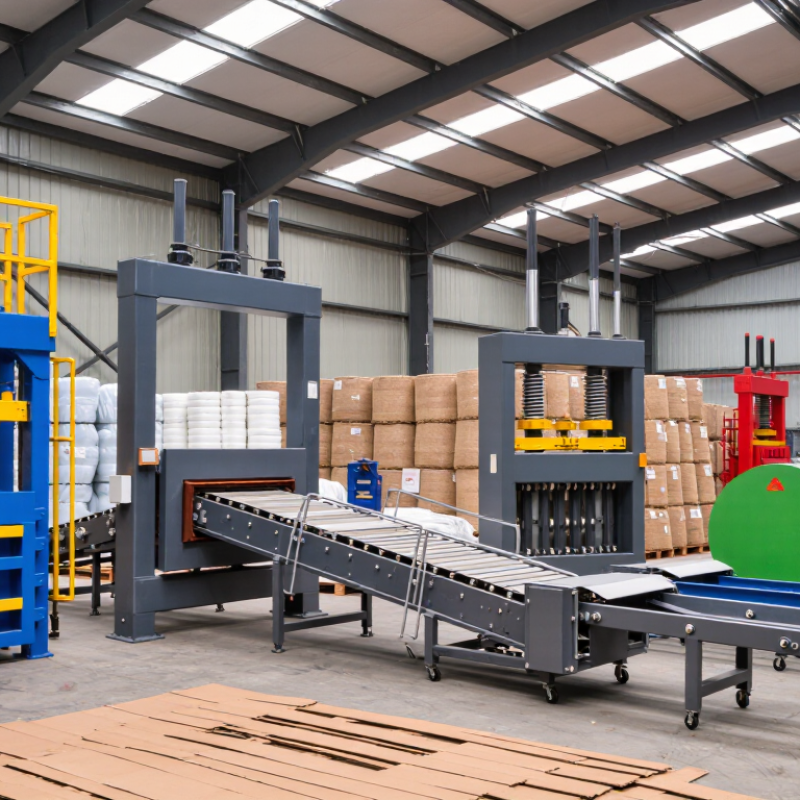
How Baling Machines Compress and Package Materials
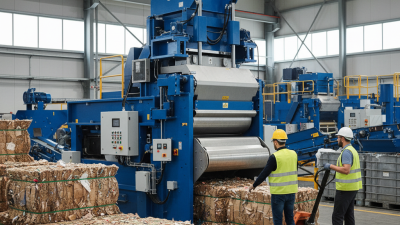
A baling machine converts loose material into compact, tied packages for storage and transport. Operators feed sorted cardboard, paper, plastics, or metal into a chamber. A hydraulic ram pushes the material against a fixed surface, reducing its volume. Once the bale reaches its target size, the machine signals that it is ready for tying or strapping. Vertical models suit smaller work areas; horizontal systems handle continuous, higher-volume streams. Keep hands clear. Guards and interlocks matter.
The scale of the task is substantial. The U.S. Environmental Protection Agency’s Advancing Sustainable Materials Management: 2018 Fact Sheet reported 292.4 million tons of municipal solid waste generated that year, with 69 million tons recycled. Those figures do not measure baler use, but they show why compact, manageable material loads matter across recycling operations. Bale density should match the material and the receiving facility’s requirements; forcing a denser bale is not always better.
A Film Baling Machine is designed for lightweight plastic film, which can shift, snag, or trap air during compression. Even, controlled feeding helps form a stable bale, while suitable tying keeps it intact during handling. In practice, the neat theory gets messy: contamination and uneven feed can weaken the package. Operators may need to adjust settings, and that takes observation, not guesswork.
Vertical Balers for Small-Scale and Retail Operations
Vertical balers suit small shops, stockrooms, and compact retail backrooms where floor space is limited. Staff feed flattened cartons through a guarded opening, then compress them into tied bales for storage or collection. The result is less loose cardboard around receiving areas. It is not automatic, though: operators still need clear loading space, safe procedures, and time to remove finished bales.
The US Environmental Protection Agency’s 2018 Advancing Sustainable Materials Management report estimated that 46 million tons of paper and paperboard were recycled, a 68.2% recovery rate. That figure covers the national material stream, not individual retail stores. Still, it shows why handling cardboard well matters. A vertical baler can help keep recyclable fiber contained, especially when deliveries arrive daily and bins fill quickly.
Fit matters more than headline capacity. Check bale dimensions, electrical requirements, loading height, and service access before choosing a machine. A narrow unit may fit beside a receiving door, but leave enough room for staff to work without blocking exits or walkways. Training also matters. Even a simple press needs consistent loading and lockout procedures during maintenance. Small sites can overlook this. Track bale weights and pickup frequency for a few weeks; the numbers may reveal that a smaller machine, or a different collection schedule, is the better choice.
Horizontal Balers for High-Volume Material Processing
Horizontal balers are built for steady, high-volume streams of cardboard, paper, and selected plastics. Material moves through a feed opening, then a ram compresses it into tied bales. At a busy warehouse, that can mean fewer loose cartons around the loading area and less frequent handling.
The details matter: uneven feeding can create poor-shaped bales, while unsuitable material may jam the chamber. Throughput claims need context.
The U.S. Environmental Protection Agency’s Advancing Sustainable Materials Management report estimated that 32.1 million tons of corrugated boxes were recycled in 2018, out of 33.3 million tons generated. That scale helps explain why compacting equipment matters in recovery operations. It does not, by itself, determine the right baler.
Not automatically. Buyers should compare daily tonnage, material mix, available floor space, and downstream bale requirements. A site handling dry cardboard has different needs from one processing mixed packaging.
A horizontal baler may use a conveyor or manual feeding, depending on the line and staffing. Check the feed opening, tying method, service access, and safe clearing procedures before installation.
Small details count.
For a Hemp Baling Machine, confirm that the chamber and tying setup suit the crop’s long, fibrous material; a machine designed for cardboard may not perform reliably.
I would not size a system from peak tonnage alone. Shift patterns and moisture can change the real workload.
Two-Ram Balers for Dense and Mixed Materials
A two-ram baler is designed for dense, bulky, or varied materials that can be difficult to manage in a single chamber. One ram compresses the load; a second ejects the finished bale. This setup can help operators handle changing feedstocks, such as cardboard mixed with other recoverable paper grades.
But it is not a cure for poor sorting. Film, wet scraps, and stray metal can weaken bale quality or disrupt feeding.
The U.S. EPA’s 2018 Advancing Sustainable Materials Management report says
46 million tons of paper and paperboard were recycled, a 68.2% recycling rate.
That volume helps explain why reliable compaction matters at busy recovery facilities.
A Paper Baling Machine should be matched to actual material density, daily throughput, and available floor space—not just peak capacity. Watch how sheets enter the chamber: loose corners can snag, while uneven loads may produce unstable bales.
Small details matter.
Keep feedstock reasonably consistent, and check bale dimensions against downstream handling needs. Operators should also review tie placement and maintenance access before installation.
A two-ram system can be a strong fit, though its higher complexity may be unnecessary for clean, uniform cardboard. That trade-off deserves a closer look.
Agricultural Balers for Round and Square Hay Bales
Agricultural balers turn cut hay into manageable bales, but round and square models suit different handling needs. Round balers gather hay with rotating belts or rollers, forming a cylindrical bale inside the chamber. The operator can adjust density on many machines. A tight bale sheds some rain, though no bale should be treated as weatherproof. Firm edges matter.
Square balers compress hay into rectangular bales and tie them with twine. Their shape stacks neatly on a wagon or in a storage shed, helping reduce wasted space. Small square bales are easier for one person to move, while large square bales usually need a loader. Twine tension and knotter condition deserve regular checks; a missed knot can undo a long day’s work.
Moisture is a practical deciding factor. Hay baled too wet may heat in storage, so check crop conditions rather than relying on appearance alone. Field size, tractor power, labor, and storage space also influence the choice. A Fiber Baling Machine may suit chopped plant fibers or crop residues, but it is not automatically a replacement for a hay baler. Match the machine to the material, and inspect pickup teeth and tying parts before the season begins.
Specialty Balers for Textiles, Fibers, and Other Materials
Specialty balers handle materials that behave differently from ordinary cardboard. Textiles can be loose, springy, and difficult to feed evenly. A machine designed for fabric waste may use a wide loading opening and a chamber that compresses irregular bundles. Denim offcuts, for example, can shift as the ram advances. Consistent loading helps produce bales that are easier to stack and move. Small scraps can still escape. Easy to miss.
Fiber balers are often selected for materials such as cotton, wool, synthetic fibers, and nonwoven offcuts. The right setup depends on fiber length, moisture, and how much the material rebounds after compression. Operators should check bale density and tie security during normal runs, not only at startup. Over-compressing can strain equipment or make bales awkward to handle. Under-compressing wastes storage space. There is no single setting for every fiber.
Other specialty applications may include foam, plastic film, or mixed production remnants. Before choosing a baler, consider daily volume, available floor space, loading method, and the size of outgoing bales. Ask for a trial with representative material when possible; clean samples may not reflect real production waste. Maintenance access matters, too. A machine can suit the material on paper, yet prove inconvenient beside a crowded work area. That trade-off deserves a close look.
What Are the Top Types of Baling Machines?
Specialty balers are selected to suit the material being compacted. This chart counts representative material streams for each baler type; it does not compare machine capacity or market share.
Material examples are illustrative, and applications can overlap. Actual suitability depends on material condition, bale requirements, and machine configuration.
Conclusion
A Baling Machine compresses loose materials into compact, easy-to-handle packages, helping improve storage, transport, and material management. The best type depends on the material, available space, and processing volume. Vertical balers are often suited to smaller operations and retail settings, where space is limited and batches are manageable. Horizontal balers can process larger volumes continuously, making them a practical choice for facilities with substantial material flows.
Different designs address more specific needs. Two-ram balers can handle dense or mixed materials, while agricultural balers form hay into round or square bales for easier collection and storage. Specialty balers are designed for materials such as textiles and fibers, which may require particular compression and bale shapes. Understanding how each type works helps businesses and agricultural operations choose equipment that matches their workload and the characteristics of the materials they handle.