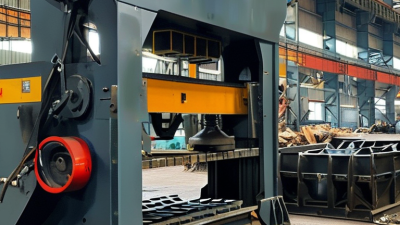
Picking the right Wood Board Baler can make a huge difference in how smoothly your operations run. It’s really important to get a clear idea of what you actually need before making a purchase. Not all balers are created equal, you know? They come in different designs, sizes, and features. Some might be a better fit for your workspace than others.
Think about how much wood waste you’re dealing with. If you’re going through a lot, you’ll probably want a bigger, more efficient baler. Also, consider the kinds of materials you handle. If your work involves different types of wood, make sure the baler can handle that variety. It’s not just about capacity—flexibility matters too.
Reputable companies like ABC Machinery are great for getting insights and support. Their expertise in baler tech can really help guide your choices. Still, even with the advice from the pros, it’s a good idea to weigh your options carefully. Don’t rush into it—take your time figuring out what’s actually best for you. Picking the wrong baler can cause some hiccups down the line and slow everything down.
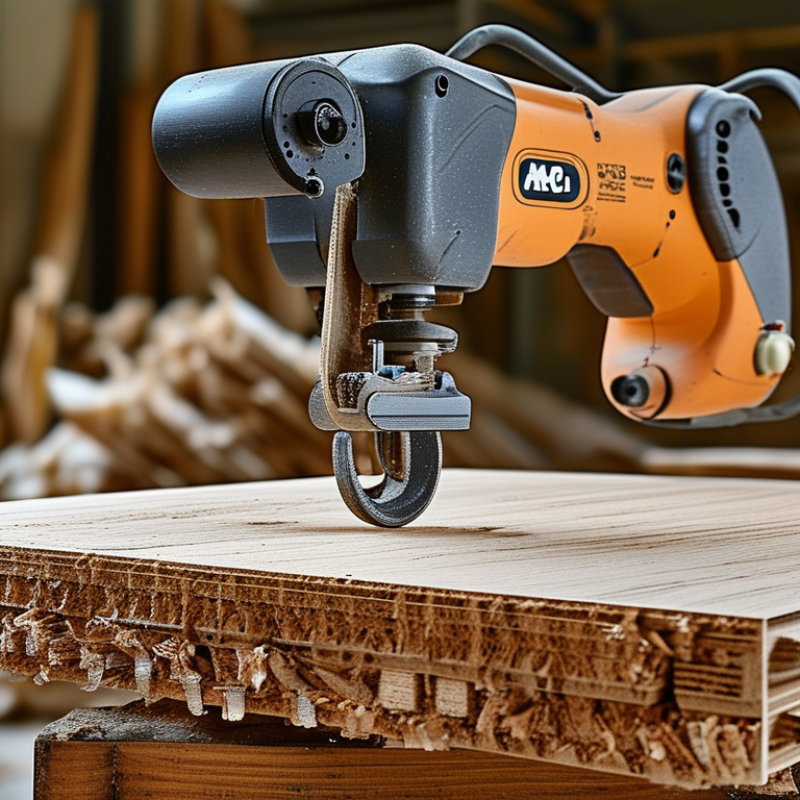
Understanding Your Specific Baling Needs and Requirements
Choosing the best wood board baler hinges on understanding your unique baling needs. Each operation varies, depending on factors like material type and baling volume. Are you dealing with softwood or hardwood? The density and moisture content will affect your decision. Take time to assess these elements.
Consider your production capacity. A smaller operation might not require a high-output baler. Meanwhile, a large-scale facility will benefit from machines designed for efficiency. Reflect on your space constraints, too. A bulky machine may not fit well in a compact workspace. The right choice must meet your practical needs without compromising performance.
Lastly, think about the maintenance requirements of different Wood Meal Balers. Some machines require frequent upkeep, while others have a more straightforward maintenance process. Understanding long-term costs related to maintenance is key. Mistakes in this area can lead to unexpected challenges down the line. Aim for a baler that balances initial investment and ongoing expenses effectively.
Types of Wood Board Balers Available on the Market
When considering the types of wood board balers available on the market, it's essential to understand the distinct categories. The two primary types are horizontal and vertical balers. Horizontal balers typically handle high volumes of material efficiently. These models often have automated systems for better workflow. In contrast, vertical balers are suitable for smaller operations. They require less space and can be ideal for businesses with limited footprint.
A report from the National Association of Convenience Stores indicates that the demand for Wood Chips Balers is growing. Many industries are prioritizing sustainability and waste reduction. In particular, the construction and woodworking sectors are heavily investing in balers. Data shows that companies using these machines can reduce waste by up to 30%. This significant reduction underscores the importance of selecting the right baler.
Several factors should be evaluated when choosing a baler. Consider the force the machine can exert. Some models can compress materials with up to 100,000 pounds of pressure. This capability directly correlates with the density of the bales produced. Also, ease of operation and maintenance plays a critical role. Selecting a machine with user-friendly controls can enhance productivity. Ultimately, the right wood board baler selection hinges on understanding specific business needs and potential limitations.
Key Features to Consider in a Wood Board Baler
When selecting a wood board baler, several key features stand out. Understanding your specific needs is essential for an effective choice. Look for balers that are designed for your production volume. Smaller operations may not need machines with high throughput. Conversely, larger operations will benefit from models that handle heavy loads efficiently.
Durability is critical in a wood board baler. Choose one made from high-quality materials that can withstand constant use. Consider maintenance requirements, too. Some balers require frequent servicing, which can affect productivity. A machine that needs less frequent repairs can save time and money in the long run.
Tips: Always check the warranty offer. A solid warranty indicates confidence in the product's reliability. Ask other users about their experiences. Real-world feedback can provide insights that specifications may not reveal. Also, consider the baler’s size. A compact design may fit smaller spaces but could limit your production capacity. Make sure it aligns with your growth plans.
Evaluating Baler Sizes and Capacities for Your Operation
When evaluating baler sizes and capacities, it's important to consider your unique operation needs. Each business has different requirements based on material types and volumes. A
Wood Sheet Baler, for example, is designed to compress large amounts of wood waste efficiently.
Underestimating the necessary size may lead to frequent overloads. This misjudgment can slow down production and increase costs.
Capacity is another critical factor to analyze. Think about how much material you process daily. A baler with insufficient capacity can create bottlenecks. If you handle varying sizes of wood waste, consider a baler with adjustable settings. A lack of flexibility can prevent optimal operation.
Regularly re-evaluating your needs as your business grows or trends change is essential. This reflection can help ensure your wood sheet baler meets current demands effectively.
Assessing Cost vs. Performance: Finding Your Budget
When choosing a wood board baler for your needs, cost versus performance is crucial. A report from the Machinery Manufacturers Association highlights that companies often overlook long-term costs. The initial purchase price might be appealing, but maintenance, energy consumption, and downtime significantly impact overall expenses. A baler that seems cheaper upfront can lead to higher operational costs down the line.
Many organizations report that investing in a higher-end model often pays off. For instance, a study by the Timber Processing Journal shows that durable, high-performance machines can provide a 30% increase in efficiency. This efficiency translates to lower labor costs and less waste. Understanding your production volume helps gauge the right model. If your business processes large quantities of Wheat Wood, a robust baler with advanced features might be necessary.
Balers vary greatly in their capabilities. Basic models may seem attractive due to their lower price points. However, they might not meet the demands of high-volume operations. Assessing performance metrics, such as bale density and cycle time, is essential in determining the right fit. Take time to evaluate how each option aligns with your budget and production needs. Understand that settling for a budget baler can lead to inefficiencies that might outweigh the initial savings.
Wood Board Baler Cost vs. Performance
Maintenance and Durability Considerations for Wood Board Balers
Choosing the right wood board baler involves considering maintenance and durability. Regular upkeep can greatly extend the life of your equipment. Reports show that proper maintenance can reduce repair costs by up to 30%. Simple tasks like cleaning and lubricating parts play a crucial role. Yet, many operators overlook these basic steps. This oversight often leads to more significant issues and increased downtime.
Durability is another critical factor. Wood board balers are subject to heavy use. According to industry studies, machines that are built with high-quality materials withstand wear and tear better. These balers often handle larger volumes and tougher materials. However, not all manufacturers prioritize robustness. Some machines fail under stress, leading to production delays. Operators need to research and assess their equipment carefully. Checking user reviews and maintenance records can provide valuable insight.
Reflecting on machine performance is necessary. Assessing how well a baler operates after years of use can reveal important details. Some machines may show signs of decline earlier than expected. Operators might need to rethink their choices based on performance. Understanding a baler's maintenance requirements will lead to better decision-making.
Comparing Manufacturers: Reputation and Customer Support
When choosing the best wood board baler, the manufacturer’s reputation is crucial. Research each company's history and customer feedback. A strong reputation often indicates reliable products and services. Look for companies with a proven track record. Engaging with past customers can provide valuable insights into their experiences.
Customer support plays a key role in your decision. A responsive support team can make a difference during troubleshooting. Evaluate how quickly manufacturers handle queries. Strong customer service is a sign of a company that values its clients. Take note of warranty offerings; they reflect the manufacturer's confidence in their products.
Tips: Check online forums for unbiased opinions. Don’t overlook smaller manufacturers; they may offer personalized service. A well-rounded decision is about balancing quality, support, and price. Each component matters, so weigh your options carefully.
FAQS
: Consider your specific operation needs. Each business has different material types and volumes that affect size.
Underestimating may lead to overloads. This can slow down production and increase costs significantly.
Capacity impacts process efficiency. An insufficient capacity can create bottlenecks in your workflow.
Yes, especially if handling varying sizes of materials. This flexibility allows for optimal operation.
Regular upkeep can extend equipment life. Neglecting maintenance can lead to costly repairs and downtime.
Simple tasks like cleaning and lubricating parts are essential. Many operators overlook these steps.
High-quality materials withstand wear better. Not all machines prioritize durability and robustness.
Reflect on its operation years later. Early signs of decline can help you rethink your equipment choices.
Consider its maintenance requirements. Understanding these can lead to better decision-making.
They provide insights into performance and reliability. Research is crucial for making informed choices.
Conclusion
Choosing the best wood board baler requires a comprehensive understanding of your specific baling needs and requirements. It's essential to evaluate the different types of wood board balers available on the market, as they come with varying features and capabilities. Key considerations include the baler size and capacity suitable for your operation, alongside an assessment of cost versus performance to find a product that fits within your budget.
Maintenance and durability are also crucial factors, ensuring that the wood board baler you select can withstand the demands of your workflow. Lastly, comparing manufacturers based on their reputation and the level of customer support they provide will help you make an informed decision, ensuring that your investment serves your needs effectively in the long run.