Picking the right Metal Waste Baler for your business can really feel like a bit of a head-scratcher. I mean, there are so many options out there! John Smith, who’s actually a pretty big name in the baling world and the CEO of BalingTech Solutions, once said, “Investing in a Metal Waste Baler is key to keeping things running smoothly and staying eco-friendly.” His advice just highlights how important it is to really get a handle on what’s available before making a choice.
Today, the market’s kinda wild — tons of different styles and features, each suited for different kinds of businesses. Some balers are built to handle huge amounts of scrap, while others are more compact and space-smart. Figuring out what your business really needs is super important — don’t just go with the first thing you see!
That said, it’s easy to overlook some details, especially when you’re trying to make a quick decision. Too many companies buy a machine without really digging into the specs, which can lead to all sorts of headaches — like wasting time, money, or ending up with something that doesn’t quite fit. Also, keep in mind that some balers are more demanding to maintain than others. Knowing these little things upfront can save you a lot of trouble down the line and help you pick something that really works for your operations.
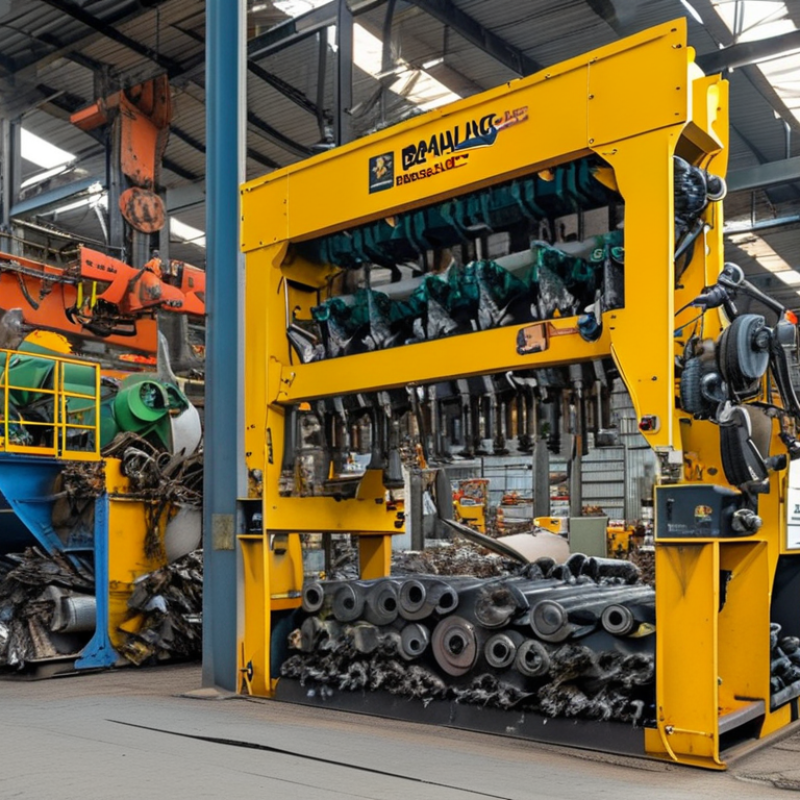
Understanding the Different Types of Metal Waste Balers Available
When considering a Metal Baler, understanding the different types available is crucial.
There are vertical balers and horizontal balers, each suited for different needs.
Vertical balers are compact and ideal for smaller operations.
They require less floor space and can manage lower volumes of metal waste.
Horizontal balers, on the other hand, are more productive for larger operations.
They handle higher volumes efficiently and often come with automatic tie systems.
It's also important to reflect on the materials you will process. Some balers specialize in specific types of metal, like aluminum or steel.
Assessing the types of scrap you generate can help narrow your options.
Additionally, energy efficiency is a vital factor.
More efficient models may have a higher upfront cost but can save you money over time.
Choosing the right Metal Baler involves weighing these considerations against your operational needs.
Balancing cost with functionality can be challenging, but it’s essential for long-term success.
Key Specifications to Consider When Selecting a Metal Waste Baler
When choosing a metal waste baler, consider several key specifications.
Size is essential; it determines the volume of material you can process.
Larger models handle more waste, but require ample space. Assess your facility’s layout to ensure a proper fit.
Power source is another critical factor.
Hydraulic systems offer strength and efficiency, while electric systems provide ease of operation.
Examine your energy costs and maintenance needs before making a decision.
Additionally, look into the baler’s compression ratio. A higher ratio means denser bales, which minimizes transport costs.
Finally, don't overlook safety features. Proper guards, emergency stops,
and automatic shutoff systems protect your workers. Balers must meet safety standards to ensure reliability.
Reflect on your priorities, as each specification can significantly impact your operation's efficiency and safety.
Make an informed choice that aligns with your business's specific needs and environment.
Evaluating the Production Capacity of Metal Balers for Your Operations
When evaluating the production capacity of metal balers for your operations, consider the specific needs of your business. A Metal Shaving Baler can significantly enhance efficiency by compacting scrap metal into manageable bales. Measure your daily output and the type of metal you handle. A baler that can handle your volume without constant jams is essential.
Also, think about the baler's cycle time. Faster compression cycles can lead to increased productivity. However, a quicker machine can sometimes compromise durability. Reflect on your priorities—efficiency versus machine longevity. Additionally, ask about the baler's maintenance requirements; ease of service can impact overall operation.
Lastly, inspect the baler's features. Automatic versus manual options can change user experience significantly. Look for a model that complements your workflow. Be prepared for a learning curve. Regular monitoring of performance can reveal insights into capacity and areas for improvement. Regularly analyze your operations to ensure your baler continues to meet your production demands.
How to Choose the Best Metal Waste Baler for Your Business? - Evaluating the Production Capacity of Metal Balers for Your Operations
| Baler Type |
Production Capacity (tons/hour) |
Bale Size (inches) |
Power Consumption (kW) |
Weight (lbs) |
| Horizontal Baler |
10 |
48 x 24 x 30 |
22 |
3500 |
| Vertical Baler |
5 |
36 x 24 x 30 |
15 |
2500 |
| Auto Tie Baler |
15 |
48 x 30 x 48 |
30 |
5000 |
| Manual Tie Baler |
3 |
30 x 20 x 30 |
10 |
1200 |
| Dual Ram Baler |
20 |
60 x 36 x 48 |
50 |
8000 |
Assessing the Importance of Baler Size and Footprint for Space Optimization
When choosing a metal waste baler, the size and footprint are crucial for optimizing your workspace. The right dimensions can significantly impact both efficiency and safety. According to industry reports, 70% of businesses underestimate the necessary space for proper baler operation. A well-sized baler can streamline the workflow in your facility, prevent accidents, and enhance productivity.
Understanding the specific needs of your business helps guide your decision. For example, a baler with a compact design might suit smaller facilities, while larger operations could require more robust units. Data shows that a baler taking up 15% less floor space can lead to a 25% improvement in operational efficiency. Many companies fail to consider airflow and accessibility, which can hinder productivity when a baler is poorly positioned.
Regularly reviewing your space requirements is vital. As business needs evolve, the footprint of your equipment might need adjustments. Some warehouses measure their layout without factoring in the movement of workers or machinery. This oversight can create bottlenecks. Investing time in analyzing space can lead to long-term benefits. It's an area where reflection and adjustment can yield significant advantages.
Analyzing Cost vs. Efficiency: What to Expect from Your Investment
When selecting a metal waste baler, cost and efficiency are key factors. Investing in a baler can streamline operations and reduce waste disposal costs. Higher efficiency models may require a significant upfront investment, but they often lead to long-term savings. You must assess the payback period based on your current waste management practices.
Consider the volume of metal waste your business generates. A baler that matches your needs will maximize efficiency. However, there is a risk in overestimating your requirements. Buying a larger baler could result in higher energy costs, offsetting potential savings. Conducting a thorough analysis will help you avoid costly mistakes.
Look into the maintenance requirements of different models. Some machines may need more frequent servicing, increasing overall costs. It's crucial to factor this into your budget. Evaluating all aspects of your investment will lead you to a more informed decision. You may find that simplicity can sometimes outperform complexity. Invest in a reliable baler that you can count on for years.
Examining Safety Features and Compliance Standards in Metal Balers
When selecting a metal waste baler, understanding safety features and compliance standards is crucial. Many industries emphasize the importance of safety when handling heavy machinery. A report from the Occupational Safety and Health Administration (OSHA) indicated that improper baler use can lead to injuries, reinforcing the need for reliable safety mechanisms. Features such as emergency stops and safety interlocks help mitigate potential hazards. Operators must ensure these features are in working order before initiating any baling process.
Compliance with industry standards is equally vital. The American National Standards Institute (ANSI) outlines specific regulations for balers. For example, machines like the
Big Size Metal Baler
must meet strict guidelines to ensure safe operation. Ensuring that your baler complies with these standards not only protects your workers but also reduces potential legal liabilities. Regular maintenance checks can help uphold these compliance measures and ensure that the baler operates safely.
Reflecting on safety practices is essential. Many businesses overlook staff training on these machines, leading to increased risk. Employees deserve proper guidance on using balers safely. Investing time in training can significantly decrease accidents. In conclusion, addressing safety features and compliance standards is a critical aspect of choosing the right metal baler for your business. Focusing on these areas prepares your operation for success in the long run.
Exploring Maintenance Requirements and Longevity of Baler Equipment
When selecting a metal waste baler, understanding the maintenance requirements is crucial. A well-maintained Vertical Metal Baler not only ensures safety but also increases productivity. Research indicates that regular maintenance can reduce equipment downtime by up to 30%. This is vital for businesses processing large volumes of metal waste.
Lubricating moving parts, inspecting hydraulic systems, and checking for wear and tear are essential maintenance tasks. A survey from the Waste Equipment Manufacturers Association shows that 40% of machine failures result from neglecting maintenance routines. Skipping these can lead to costly repairs. Some operators may overlook minor issues, thinking they won't affect performance. This mindset can inadvertently shorten the baler's lifespan.
Longevity is often linked to consistent upkeep. A study in the Journal of Waste Management found that balers with proactive maintenance programs lasted, on average, 15% longer. Businesses should keep records of maintenance activities and set reminders for regular checks. Investing in education and training for staff can also improve machine handling. This approach not only enhances equipment efficiency but also minimizes the risk of workplace accidents.
FAQS
: Consider your specific needs, daily output, and the types of metal you handle.
Look into the baler's cycle time and compression speed. Also, consider how often jams occur.
Reflect on your priorities. Faster machines may reduce efficiency but could affect long-term durability.
Easy maintenance is crucial. Regular service impacts your baler's overall operation and longevity.
Assess your current waste management costs and examine potential savings with a new baler.
Ensure the baler matches your needs. Overestimating could lead to unnecessary costs.
Conduct thorough analysis of your requirements and avoid buying larger models than necessary.
Higher efficiency models can offer long-term savings, but consider your budget carefully.
Automatic versus manual features can greatly influence user experience. Choose a model that fits your workflow.
Yes, regular monitoring reveals insights into production capacity and identifies areas for improvement.
Conclusion
Choosing the right Metal Waste Baler is crucial for optimizing waste management in your business. The article outlines essential factors to consider, beginning with the various types of metal waste balers available, each designed for different operational needs. Key specifications such as production capacity, size, and footprint are vital in ensuring that the baler fits seamlessly into your operational space while meeting your processing demands.
Cost efficiency is another critical aspect, balancing the initial investment with long-term benefits related to performance and productivity. Additionally, understanding safety features and compliance standards is necessary to ensure safe operation. Finally, considering maintenance requirements and the longevity of the baler equipment can significantly impact its overall effectiveness and reliability in your waste management system. By carefully evaluating these factors, businesses can select the most suitable Metal Waste Baler to enhance their operations.


