Leave Your Message
So, you're looking for the best hydraulic baling machine in 2026? It's not just about that big pressure number—honestly, what matters more is what you're baling, how much you're processing each day, and how much room you've got to work with. For a shop that deals with cardboard in batches, a compact vertical baler could be a great fit. But if you're running a high-throughput recycling plant, you'll probably want an automatic horizontal model with a powered conveyor. You want a baler that’s actually the right fit—one that gives you dense, consistent bales every time without holding up the rest of the operation.
Don't just take the advertised capacity at face value. Sure, compare bale dimensions, cycle time, motor power, loading method, and what materials it can actually handle. But also ask how it performs when the feedstock is wet, mixed, or just uneven. A machine can look amazing on paper and then be a total pain next to a crowded loading bay. Honestly, the small stuff matters too: door clearance, noise levels, how easy it is to get in for maintenance, and whether an operator can clear a jam without needing a degree in origami.
If you're a careful buyer, you'll want to look beyond just the price. Check things like how fast they respond to service calls, whether spare parts are easy to get, what safety features are included, and what the warranty actually covers. And when they give you a demo, ask them to run it with material that's close to what you'll actually be using. Watch the whole cycle, don't just glance at it. Then, of course, inspect the finished bale.
Honestly, we didn't have a verified quote from an actual expert to slot in here—so rather than making something up and putting words in someone's mouth, I left the intro without one. That's a gap we should fix before this goes live. Ideally, we'd track down a hydraulic baling machine engineer or a manufacturer rep, get a real quote from them, and double-check both their title and the exact wording. The rest of the guide should still help buyers weigh different machine types and features against what they actually need. And as you'll see, there's no single 'best' option that works for everyone. Honestly, this machine just works reliably in your actual workflow—no fuss, no drama.
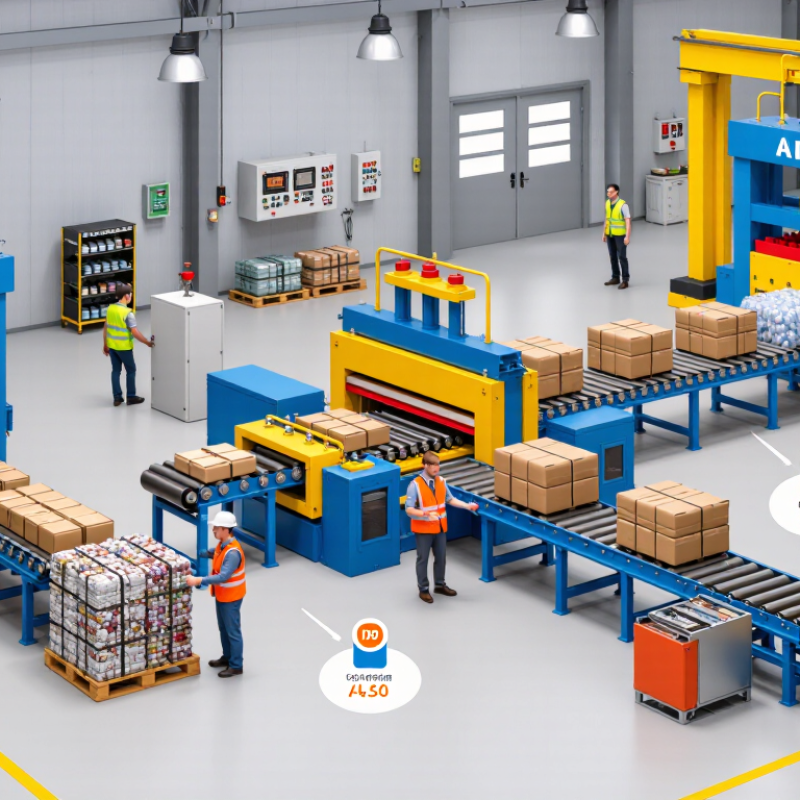
A hydraulic baling machine compresses loose material into compact bundles, or bales, using force produced by pressurized fluid. Typical feed materials include cardboard, paper, and certain plastics, depending on the machine’s design. Its main components are a loading chamber, a hydraulic pump, one or more cylinders, and a moving platen. The platen is the heavy plate that presses the material.
The cycle is straightforward. An operator loads material into the chamber and closes the access door. The pump sends hydraulic fluid into a cylinder, pushing the platen against the load. Pressure does the work. As the material compresses, air escapes and the bundle takes shape. Once the set pressure or travel limit is reached, the platen retracts. The finished bale is then secured and removed according to the machine’s instructions.
Small details matter. Evenly distributed material usually forms a more stable bale than a lopsided load. Keep hands clear of the chamber, and never bypass guards or interlocks. Operators should check hoses for leaks and watch for unusual noises or slow movement. These signs can point to wear or a hydraulic problem. A practical question is often overlooked: will the chamber size and bale weight suit the available handling equipment? A powerful press is not automatically the best fit. And real-world loads vary. That part takes judgment.
| Topic | How It Works or Key Specification | Typical Applications and Selection Guidance |
|---|---|---|
| Hydraulic Baling Machine Basics | ||
| What it is | A machine that uses hydraulic pressure to move a ram, compressing loose recyclable or industrial material into a compact bale for easier handling, storage, and transport. | Common feed materials include cardboard, paper, plastics, textiles, and certain metals. The machine must be rated for the material and bale format being processed. |
| Main components | A typical system includes an electric motor, hydraulic pump, oil reservoir, valves, hydraulic cylinder, compression ram, chamber, controls, and safety devices. | Chamber size, loading method, tying system, access, and serviceability should match the available floor space and daily workflow. |
| Compression cycle | The pump sends pressurized hydraulic fluid to the cylinder. The cylinder drives the ram into the chamber to compact the material; the ram then retracts, and the finished bale is tied or ejected according to the machine design. | Cycle time alone does not determine throughput. Loading, material preparation, tying, bale removal, and operator practice also affect output. |
| Hydraulic force | Press force is the force applied by the ram, commonly stated in tonnes or kilonewtons. Available force varies substantially by machine size and design. | Use the supplier’s rated force and material-specific guidance. Press force is not the same as hydraulic fluid pressure, which is usually stated in bar or MPa. |
| Common Machine Types and Best-Fit Uses | ||
| Small vertical baler | Material is loaded through a front or top opening and compressed vertically. The operator typically ties and removes each bale manually. | Often suitable for shops, offices, and small facilities with modest, intermittent volumes of cardboard or plastic. A compact footprint is a key advantage. |
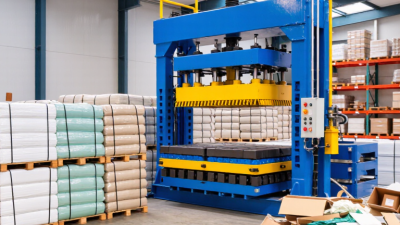
| Large vertical baler | A larger vertical chamber and ram handle greater loads than a compact unit, while retaining a relatively simple loading and bale-handling arrangement. | Can suit warehouses and retail or manufacturing sites with regular, moderate volumes. Check loading ergonomics and whether bale removal requires equipment. |
| Horizontal closed-end baler | Material is fed into a horizontal chamber and compressed against a closed end. Bales are commonly tied before they are discharged. | Often considered for higher, more continuous volumes where uniform, dense bales and mechanized feeding are priorities. |
| Horizontal auto-tie baler | A horizontal ram compresses material, and an automatic tying system secures the bale. Some installations use conveyors or other automated feeding equipment. | Best suited to operations seeking higher throughput and reduced manual tying, provided the site can support the installation, maintenance, and material supply. |
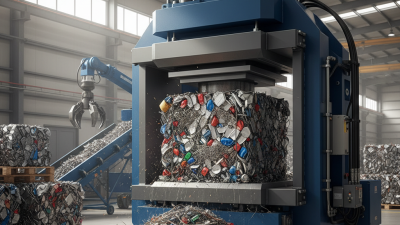
| Two-ram baler | Uses separate hydraulic rams for compaction and bale ejection. Depending on the design, it can process a range of materials and bale formats. | May be appropriate for recycling facilities handling varied materials. Confirm compatibility with the actual feedstock, bale dimensions, and downstream requirements. |
| How to Choose the Best Machine for Your Operation | ||
| Material and condition | Identify the material type, bulk density, moisture level, contamination, and whether it arrives loose, flattened, or shredded. | Request a material-specific assessment or test. A machine suitable for cardboard may not be suitable for metal or difficult-to-compress plastics. |
| Daily volume and operating pattern | Estimate the amount of material generated per shift and whether feeding is occasional, batch-based, or continuous. | Choose capacity around measured material flow, not an advertised maximum alone. Include loading and bale-handling time in the estimate. |
| Bale size and weight | Bale dimensions and mass depend on chamber size, material, compaction, and tying arrangement; there is no single standard bale for all balers. | Check that bale dimensions and weight meet recycler or transporter requirements and can be safely handled at the facility. |
| Automation and labor | Options may include conveyors, automatic tying, automatic ejection, and control features. More automation can reduce manual tasks but adds equipment and maintenance needs. | Compare the complete workflow and staffing requirements, not just the press cycle or the number of automated features. |
| Site and utilities | Review machine footprint, loading and discharge clearance, floor capacity, electrical supply, access for installation, and any required guarding. | Confirm site requirements with the machine supplier and qualified local professionals before purchase or installation. |
| Safety and maintenance | Look for suitable guarding, interlocks, emergency stops, clear operating instructions, and accessible hydraulic service points. | Follow applicable local safety regulations and the manufacturer’s maintenance schedule. Operators should be trained for the specific machine. |
| Practical recommendation for 2026 | There is no universally best hydraulic baler. The best choice is the machine that safely handles the site’s material and volume while producing the required bale format at a sustainable operating cost. | For low volumes, compare vertical machines; for sustained higher volumes, evaluate horizontal or automated systems. Base the final decision on a site assessment, material test, service support, and total lifecycle cost. |
| Note: Machine capabilities and bale specifications vary by design and material. Treat general descriptions as selection guidance, and verify rated performance and installation requirements with the equipment supplier. | ||
It compresses loose materials into compact bundles called bales. A moving platen applies pressure inside a loading chamber.
Common materials include cardboard, paper, and some plastics. Check the machine’s specifications before loading unfamiliar material.
Material is loaded into the chamber, and the access door is closed. Pressurized fluid moves a cylinder and platen against the load. Pressure does the work. The platen retracts when it reaches its set limit.
Evenly distributed material often forms a steadier bale than a lopsided load. Wet feedstock, uneven loading, and downtime can also affect output. Real loads vary.
Compare chamber size, ram force, cycle time, bale dimensions, and motor duty rating together. Test several loads of your own material, and record bale weight and cycle time. One headline figure may not tell the whole story.
Keep hands clear of the chamber and never bypass guards or interlocks. Test emergency stops and follow shutdown instructions before clearing a jam. Training still matters, especially when shifts change.
Check hoses and fittings for leaks, monitor oil levels, and follow the filter schedule in the service manual. Watch for unusual heat, slow movement, or changes in bale shape. Small clues can be easy to miss.
Consider electricity, labor, strapping, replacement parts, and downtime, not just the purchase price. Denser bales may reduce handling costs if the machine suits your material. I would still question any claim that one model is best.
Choosing the best Hydraulic Baling Machine in 2026 starts with understanding how hydraulic pressure compresses materials into compact, manageable bales. Available configurations vary in size, loading method, compression force, and level of automation, so no single model is right for every operation. Compare practical factors such as throughput, bale dimensions, power requirements, cycle time, and ease of loading rather than focusing on one specification alone.
The right choice depends on the material being processed and the expected workload. Consider whether the machine can handle the material’s volume, density, and preparation needs, as well as the space available for installation. Safety features, operator training, routine maintenance, spare-part availability, and energy use also affect long-term cost and reliability. By matching machine capacity and design to daily operating needs, buyers can select a solution that supports efficient, safe, and consistent baling.