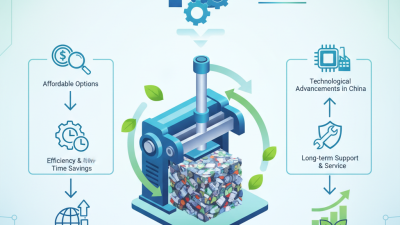
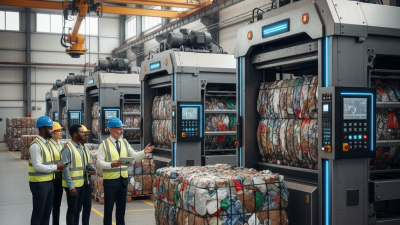
So, these days, if you're into waste management, you can't ignore the growing importance of a Hydraulic Baling Machine. I came across a recent report by Industry Insights, and it knocked my socks off—saying that the global baler market might hit around $2.4 billion by 2025. That really shows how much there's a rush for better, more efficient waste processing tech. Jeremy Smith, who’s pretty much a whiz in waste management at EcoTech Solutions, put it nicely when he said, "Getting a good Hydraulic Baling Machine can seriously cut down landfill waste and boost recycling efforts."
What’s cool about these machines is that they don’t just help with waste—they actually back up sustainable practices too. But, not every baler out there is up to the mark. It’s super important for businesses to really figure out what they need before jumping into a purchase. Picking the wrong one can mean lots of inefficiencies and higher costs in the long run, which nobody really wants.
That’s why waste managers should take their time exploring different options. Some machines are pretty basic, while others come loaded with all the bells and whistles that can make a real difference. Doing some homework now can pay off big time later. Bottom line—quality and dependability should always be at the top of your list in this ever-changing industry.
Overview of Hydraulic Baling Machines in Waste Management
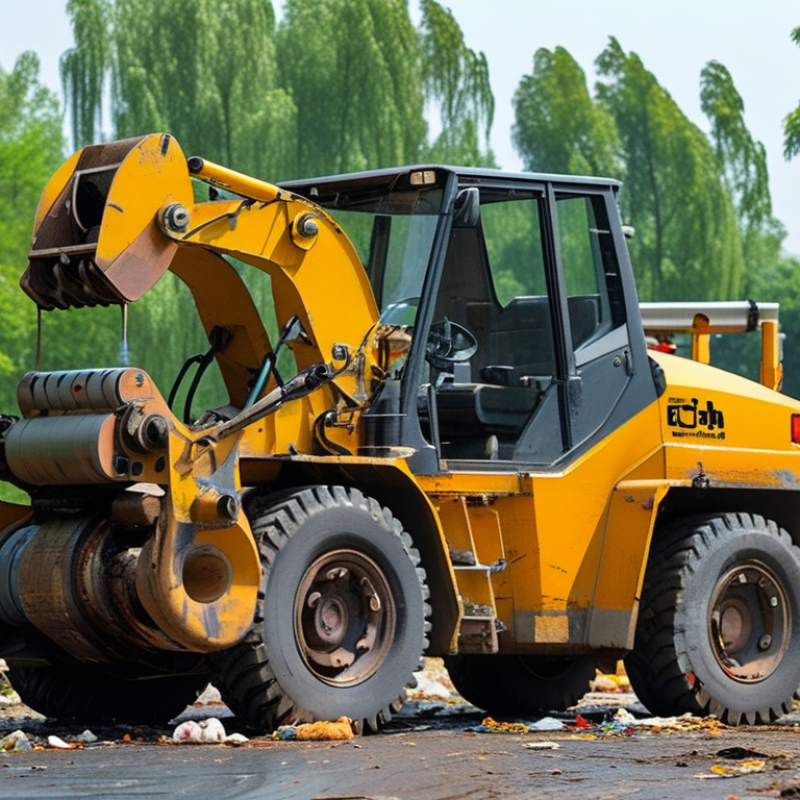
Hydraulic baling machines play a crucial role in efficient waste management. These machines compress various materials, reducing their volume significantly. This process makes recycling easier and more effective. Often used in industries, they handle materials like paper and plastics efficiently. The compacted bales are easier to transport and store.
However, it's essential to consider the specific needs of your facility before investing in a Hydraulic Baling Press. Each model varies in capacity and function. Improper selection can lead to operational inefficiencies. Common issues faced include overloading and maintenance challenges. Regular checks are necessary to prevent breakdowns, which can halt waste processing.
Furthermore, while these machines are valuable, they are not a one-size-fits-all solution. The initial cost may be high, but the long-term benefits often justify this investment. Awareness of operational limits is crucial. Relying solely on technology may lead to missed opportunities for waste reduction. A balanced approach that incorporates human oversight can enhance waste management practices significantly.
Key Features to Consider in Hydraulic Baling Machines
Choosing the right hydraulic baling machine is crucial for effective waste management. When looking for the best options, certain key features must be on your radar. A study published by the Waste Management Association found that about 70% of facilities experienced an increase in efficiency after upgrading to advanced hydraulic systems. This highlights the importance of selecting a machine with robust hydraulic power.
Moreover, the size and capacity of the baler matter significantly. Ideal machines often process a variety of materials, including metals and plastics. A larger chamber can lead to a reduction in processing time, allowing facilities to manage waste more efficiently. The pressure generated by hydraulic systems usually varies. Machines delivering at least 200 tons of pressure tend to be more effective for dense materials.
Another aspect to consider is operational safety. Advanced Hydraulic Scrap Baling Press models incorporate features like automatic feed sensors and emergency stop mechanisms. Such equipment not only ensures efficient operation but also prioritizes worker safety. A considerable portion of workplace accidents in waste facilities is attributed to faulty machinery. Investing in reliable technology can mitigate these risks and improve overall workplace morale.
Types of Hydraulic Baling Machines Used in Waste Management
Hydraulic baling machines play an essential role in modern waste management. They offer efficient compaction of various materials, which can reduce the volume of waste significantly. Two common types of hydraulic baling machines are vertical and horizontal balers. Vertical balers are ideal for small operations because they require less floor space. However, they may not handle larger volumes or heavier materials efficiently.
On the other hand, horizontal balers are designed for larger operations. They can process a higher volume of materials and are suitable for diverse materials including cardboard, plastics, and metals. According to a report by the Waste Management Association, properly used hydraulic balers can boost waste processing efficiency by up to 80%. This statistic highlights the importance of selecting the right type of baler for your specific needs.
One area for reflection is the maintenance of these machines. Regular upkeep is crucial. Neglecting maintenance can lead to breakdowns, which may disrupt operations. Many users underappreciate this aspect, often resulting in higher operational costs. Understanding the specific requirements of both vertical and horizontal balers is vital for effective and lasting waste management solutions.
Best Hydraulic Baling Machine for Efficient Waste Management
Benefits of Using Hydraulic Baling Machines for Waste Recycling
Hydraulic baling machines play a crucial role in modern waste management systems. They significantly enhance the efficiency of waste recycling processes. According to a report from the Environmental Protection Agency (EPA), over 60% of waste generated can be recycled. Hydraulic balers make it easier to compress materials like cardboard, plastic, and metal. This compression increases storage efficiency and reduces the frequency of waste collection.
In addition, the use of hydraulic baling machines can lead to a notable reduction in labor costs. A study by the Waste Management Association highlighted that automation in waste processing can lower operational costs by up to 30%. When waste is compacted into bales, it minimizes the space needed for storage and transportation. This efficiency can often be the difference in a company's recycling budget.
However, the initial investment in hydraulic balers can be substantial. Many small businesses struggle to justify the cost. It's essential for organizations to analyze long-term savings versus upfront expenses. The balance of sustainability and profitability remains a challenge in adopting advanced waste management technologies.
Factors Influencing the Efficiency of Hydraulic Baling Machines
Hydraulic baling machines play a crucial role in waste management. Their efficiency relies on several key factors. One important aspect is the system's power. A higher hydraulic pressure typically leads to better compaction. If the pressure is inadequate, it can result in loosely packed bales. This inefficiency can increase transport costs and waste space in landfills.
Another factor influencing efficiency is the machine's design. A well-engineered Hydraulic Press Machine can handle various materials effectively. This includes cardboard, plastics, and metals. If the machine struggles with certain materials, it may lead to operational delays. Workers might spend extra time on sorting and processing, which can hinder overall productivity.
Lastly, operator training plays a vital role. Operators must understand the equipment and its settings. Misadjustments can lead to underperformance. It’s essential to invest in training programs to ensure smooth operation. A lack of knowledge might lead to safety risks too. Reflecting on these factors can help optimize waste management strategies, making them more effective and efficient.
Maintenance Tips for Optimal Performance of Baling Machines
Maintaining a Hydraulic Baler is critical for efficient waste management. Regular maintenance can significantly extend its lifespan and enhance performance. According to industry reports, proper upkeep can improve a baler's efficiency by up to 30%. This means less energy consumption and lower operational costs.
It's essential to regularly check the hydraulic fluid levels. Insufficient fluid can lead to overheating and potential failures. Cleaning filters and ensuring connections are secure are also vital steps. Over 25% of baler malfunctions stem from neglected preventive maintenance, emphasizing its importance. Operators should keep the baler machinery clean to avoid debris buildup, which can hinder performance.
In addition, inspecting the belts and hoses for wear can prevent sudden breakdowns. Regular inspections should be conducted every few months. A schedule of maintenance activities can be beneficial. A well-maintained Hydraulic Baler not only performs better but also contributes to a more efficient waste processing operation. Users often overlook these points, leading to costly repairs and downtime. Reflecting on these practices can help improve long-term outcomes in waste management.
Comparative Analysis of Leading Hydraulic Baling Machine Brands
Choosing the right hydraulic baling machine can significantly impact waste management. Various brands offer different features and benefits. Understanding these can help operators make informed decisions.
Some machines excel in speed and efficiency. However, this may come at the cost of durability. Users often find that machines with advanced technology require more maintenance. In contrast, simpler machines might lack efficiency but are more rugged.
The size of the baling chamber is another critical factor. Larger chambers can handle bigger loads, but they require more space. Smaller machines save room but may require additional cycles, which can reduce overall throughput. Understanding how these factors interplay is vital for effective waste management. Users may feel overwhelmed by choices, highlighting the need for careful evaluation.
FAQS
: They compress materials to reduce volume, making recycling more efficient.
Assess your facility's needs based on capacity, size, and processing efficiency.
It can lead to operational inefficiencies and maintenance issues.
Regular checks prevent breakdowns, which can stop waste processing completely.
No, each model has specific capabilities; a one-size-fits-all approach may not work.
Features include automatic feed sensors and emergency stop mechanisms for worker safety.
Ideally, at least 200 tons for effectively compressing dense materials.
They can be high initially, but long-term efficiency can justify the investment.
Yes, it may lead to missed opportunities for improving waste reduction practices.
Investing in reliable machines can reduce workplace accidents and enhance safety.
Conclusion
The article "Best Hydraulic Baling Machine for Efficient Waste Management?" provides a comprehensive overview of hydraulic baling machines and their crucial role in waste management. It discusses key features to consider when selecting a machine, such as capacity, compression force, and ease of operation. Different types of hydraulic baling machines tailored for various waste materials are explored, alongside their benefits in enhancing recycling processes and reducing waste volume.
Furthermore, the article highlights factors that influence the efficiency of hydraulic baling machines, including design and operational parameters. It also offers maintenance tips to ensure optimal performance and longevity of the machines. A comparative analysis of leading hydraulic baling machine brands is included, helping readers make informed decisions for effective waste management solutions.