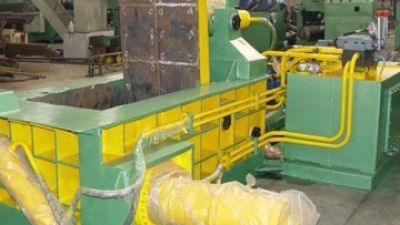
As the world of waste management keeps evolving, the need for smarter, more efficient recycling solutions is more important than ever. Experts often stress how crucial a good Corrugated Paper Baler really is. Jack Thompson, the CEO of GreenCycle Solutions, puts it simply: "A dependable baler can totally change the way businesses handle their waste." That really highlights how these machines play such a key role in today’s economy.
Looking ahead to 2026, international buyers will need to carefully pick the right corrugated paper baler. The market is packed with options, and understanding what each model can do—its features, capabilities—makes all the difference. A lot of companies find themselves stuck between going for something cheaper and investing in efficiency. Sometimes, splurging a little more upfront on a quality baler can save a ton of cash down the line.
Of course, it’s not always easy to find the perfect equipment. Not all brands or models live up to their promises. Some might have cutting-edge tech but fall short in real-world performance. When you're shopping around, it pays off to prioritize reliability and ease of use. Striking that balance is pretty key for any business that wants to get the most out of its recycling efforts.
Understanding Corrugated Paper Balers: A Comprehensive Overview
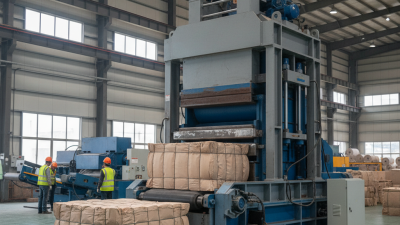
Corrugated paper balers play a vital role in recycling processes. They compact cardboard and other materials for efficient transport. According to industry reports, the global corrugated paper baler market is projected to grow by 5.5% annually through 2026. This growth is driven by environmental regulations and increased awareness of sustainability.
Understanding the types of balers is crucial. Vertical balers are ideal for small operations, while horizontal balers handle larger volumes. In 2022, the demand for horizontal balers rose by 20%, indicating a shift toward higher efficiency. Businesses must assess their specific needs before investing. Most balers compress materials into bales weighing up to 1,200 pounds. However, maintenance can be a concern, with downtime affecting productivity.
While many manufacturers offer innovative features, not all machines are created equal. Simple designs can be more reliable over time. However, advanced technologies might improve efficiency but raise costs. Companies should weigh benefits against potential complexities. A thoughtful approach to choosing the right baler can lead to better waste management practices and cost savings in the long run.
Key Features to Look for in the Best Corrugated Paper Balers
When choosing the best corrugated paper baler for 2026, there are key features that demand attention. Efficiency is paramount. A good baler should compress materials swiftly. This increases productivity and saves time. Look for balers with a high bale weight output. This means fewer trips to disposal or recycling facilities.
Another significant aspect is durability. A reliable baler should withstand daily usage. Materials should be robust and capable of resisting wear and tear. Check for comprehensive warranties and maintenance plans. These indicators often reflect a manufacturer's confidence in their product.
Moreover, user-friendliness matters. Controls should be intuitive to minimize training time. A good baler should offer safety features to prevent accidents. Advanced models incorporate automation for better performance. However, automation can complicate repairs and maintenance. It’s essential to weigh these factors carefully. Ensure the features align with your operational needs and budget constraints.
Top Brands Dominating the Corrugated Paper Baler Market in 2026
The corrugated Paper Baler market is poised for significant development in 2026. Recent industry reports indicate that the demand for these machines will grow at a compound annual growth rate (CAGR) of over 5% from 2023 to 2026. This growth is driven by an increasing emphasis on sustainability and recycling within the manufacturing sector. Many businesses recognize the importance of efficient waste management solutions. The Paper Baler serves as a crucial tool in this effort, helping to compress corrugated materials for recycling.
Top brands in the baler market are likely to enhance their offerings. Recent surveys show that companies prioritize energy efficiency and ease of operation. A baler that utilizes less energy can significantly reduce operational costs. Additionally, features like automatic feed systems are becoming more common, making the recycling process smoother. Innovative designs also lead to increased throughput, allowing businesses to handle larger volumes of corrugated waste.
However, not all users find these machines easy to integrate. Some facilities still struggle with training staff or adapting to new technologies. Maintenance remains a crucial issue as well; without proper care, even the best Paper Baler can underperform. Industry experts suggest that further education on equipment management will be vital. Understanding the potential challenges can lead to more informed selections in this evolving market.
Comparative Analysis of Popular Corrugated Paper Balers
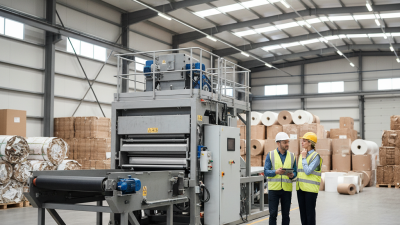
In recent years, the global demand for corrugated paper balers has risen sharply. A 2023 industry report estimates a 15% annual growth rate for the baling machine market. Specific models have shown impressive efficiency in compressing and recycling corrugated paper. These machines not only save space but minimize transport costs due to their compact bales. Many facilities are now reevaluating existing equipment to meet sustainability goals.
When comparing various models, factors like throughput, bale size, and ease of use are critical. Some balers can handle up to 1,500 kg of material per hour. This output is significant for large-scale operations. However, businesses must consider the total cost of ownership. Maintenance and energy consumption can vary widely. A less efficient machine may seem cheaper upfront but could lead to higher operational costs over time.
Despite improvements in technology, challenges persist. Some users report difficulties with machine jams or inconsistent bale quality. Regular checks and proper training are essential yet often overlooked. The ideal Paper Roll Baler will balance efficiency, reliability, and cost-effectiveness. Decision-makers should weigh long-term benefits against immediate needs for optimal results.
Factors Influencing the Pricing of Corrugated Paper Balers
When considering the pricing of corrugated paper balers, several key factors come into play. Market demand greatly influences prices. As businesses focus on sustainability, the need for efficient recycling solutions rises. This creates competition among manufacturers, impacting costs directly.
Material quality is another critical element. A higher-quality Kraft Paper Baler typically involves more durable components. While these models may seem costly initially, they often provide better long-term value. Buyers should assess their usage needs and consider the trade-off between upfront costs and durability.
Additionally, equipment features significantly affect pricing. Advanced technology can enhance efficiency but may raise the price tag. Monitoring trends in the industry is essential. Understanding these elements helps buyers make informed decisions. Pricing is not just about the initial cost; it's about overall value and long-term performance.
Sustainability and Environmental Impact of Corrugated Paper Balers
The sustainability of corrugated paper balers has become increasingly crucial as environmental concerns grow. These machines compact waste, reducing the volume of material sent to landfills. By utilizing advanced technology, they help in recycling efforts, turning waste into reusable resources. This practice not only conserves energy but also minimizes deforestation.
However, not all balers are designed equally. Some may use excessive energy, which undermines their environmental benefits. Regular maintenance is vital for ensuring optimal performance and minimizing energy usage. Additionally, buyers should consider the materials used in baler construction. The choice of eco-friendly components can significantly impact the overall sustainability of the device.
Educational resources and expert consultations can guide buyers toward informed decisions. Understanding the lifecycle of a baler is important. Balers that are easily recyclable or made from recycled materials often have lower environmental impacts. An informed buyer can make a difference in promoting sustainability through their purchasing decisions.
Best Corrugated Paper Baler for Global Buyers in 2026? - Sustainability and Environmental Impact of Corrugated Paper Balers
| Dimension |
Value |
Impact |
| Baling Capacity (tons/hour) |
5 - 10 |
Increased efficiency in recycling processes |
| Energy Consumption (kWh) |
20 - 50 |
Lower energy usage contributes to reduced carbon footprint |
| Material Efficiency (%) |
90 - 95 |
Maximizes recyclability of corrugated materials |
| Reduction in Landfill Waste (%) |
70 - 85 |
Significantly decreases waste destined for landfills |
| Return on Investment (years) |
2 - 4 |
Faster payback period enhances financial sustainability |
Future Trends in Corrugated Paper Balers and Recycling Solutions
As the demand for sustainable practices grows, the corrugated paper baler market is evolving. By 2026, the global industry is projected to reach $1.5 billion. This increase is driven by heightened recycling initiatives and the push for eco-friendly materials. In many regions, particularly in Europe and North America, recycling rates for corrugated paper are approaching 90%. This high demand creates opportunities for innovative solutions in paper baler technology.
Emerging trends indicate a shift towards automation and capacity optimization in Paper Baler Machines. Future models are expected to incorporate smart technology, enhancing efficiency and reducing labor costs. Reports suggest that automated systems could improve throughput by 30% while minimizing waste. However, global disparities in recycling practices pose challenges. Not every region has the infrastructure or knowledge to efficiently process recycled materials.
Many organizations confront obstacles in adopting advanced baler technologies. Financial constraints can hinder investment in modern equipment. Additionally, training staff to use sophisticated machines may require time and resources. It’s essential for buyers to carefully assess their local recycling capabilities before choosing a paper baler machine. Balancing innovation with practicality remains a key concern for global buyers in the coming years.
Best Corrugated Paper Baler for Global Buyers in 2026
This chart illustrates the predicted performance metrics of corrugated paper balers in 2026, including capacity, efficiency, recycling rates, and market demand, highlighting the trends and growth in the recycling sector.
Optimizing Car Waste Compression with the Big Size Metal Baler NKY81-2500: A Comprehensive Guide for Suppliers and Factories
The NKY81-2500 Big Size Metal Baler represents a significant advancement in the realm of car waste compression, tailored specifically for suppliers and factories looking to optimize their operations. With the automotive industry generating millions of tons of scrap metal annually, the efficiency of waste management systems is more crucial than ever. Reports indicate that metal recycling can save approximately 95% of the energy required to produce new metal products, making reliable balers indispensable for recycling facilities.
This machine's side push-out design enhances its capability to handle both medium and large volumes of automotive scrap with ease, allowing for increased productivity without compromising on performance. The NKY81-2500 is celebrated for its stable operations, with failure rates significantly lower than industry averages due to its robust engineering. The baler also ensures high bale density, which is a key factor in optimizing storage and transportation processes, reducing logistical costs for metal smelters and recycling plants alike.
Furthermore, the production efficiency offered by the NKY81-2500 enables factories to meet growing demand without the need for excessive manpower. Data suggests that investing in high-quality balers can yield a return on investment within a short period, as they significantly improve the throughput of recycled materials. By streamlining the compression process, this baler not only simplifies operations but also creates a more sustainable and environmentally-friendly approach to waste management in the automotive sector.
FAQS
: They compact cardboard and other materials for efficient recycling transport.
Assess your needs. Vertical balers suit small operations; horizontal balers fit larger volumes.
Factors include market demand, material quality, equipment features, and overall value.
Yes, but it often increases costs. Weigh the benefits against potential complexities.
They reduce landfill waste and save energy, turning waste into reusable resources.
Regular upkeep ensures optimal performance and minimizes energy usage over time.
Higher-quality materials may have higher initial costs but provide better long-term value.
Some machines use excessive energy, affecting their environmental benefits and efficiency.
Consult educational resources and experts, and consider the lifecycle of the machine.
They can significantly enhance the overall sustainability of a baler.
Conclusion
The article "Best Corrugated Paper Baler for Global Buyers in 2026?" offers a thorough exploration of corrugated paper balers, emphasizing their essential role in the recycling industry. It begins with a comprehensive overview of these machines, detailing their function and importance in managing waste. Key features such as efficiency, durability, and ease of use are highlighted, guiding potential buyers in making informed decisions.
Additionally, the article analyzes the leading brands in the market and presents a comparative analysis of popular models to help buyers identify the best options. Pricing factors are discussed, including technology and material costs, alongside the growing importance of sustainability and environmental impact. Finally, it looks at future trends in corrugated paper balers, focusing on innovations that enhance recycling solutions while promoting eco-friendliness. This insight is invaluable for global buyers looking to invest in effective and sustainable waste management solutions.