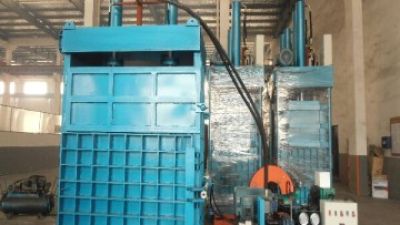
The agricultural world is changing pretty fast these days, with new machines really shaping what’s to come. One standout piece of equipment is the Corn Stalk Baler. Honestly, it’s become a game-changer when it comes to managing leftover crop material better. More farmers are getting how important it is to handle those corn stalks properly — not just for the crop’s sake, but for keeping the soil healthy too.
Investing in a Corn Stalk Baler isn’t just about making things a bit easier; it’s also about doing your part for the environment. This machine makes it pretty simple to gather and store the leftover corn byproducts. Plus, it helps farmers recycle plant materials, cutting down on waste. Looking ahead to 2026, staying in the know about agricultural machinery trends is a smart move. People are definitely looking for reliable, high-tech equipment now more than ever.
That said, farmers really need to think about what exactly they need — like the size of the machine or what it’s capable of doing — before making a choice. It’s not always easy to find that sweet spot between keeping costs down and getting the features you actually need. Sure, jumping into new tech is crucial, but it’s also important to be strategic about where you invest your money. All in all, embracing these innovations can really make a difference — as long as you pick the right tools for your farm’s unique needs.
2026 Agricultural Machinery Trends Overview
The agricultural machinery industry is on the brink of significant transformation in 2026. Major trends indicate a growing focus on efficiency and sustainability. Reports suggest that the use of innovative machinery, such as Corn Silage Balers, will rise sharply. This equipment helps farmers maximize their crop yield while minimizing waste. The global market for agricultural machinery is projected to reach $190 billion by 2026, reflecting an increase in demand for effective baling solutions.
Farmers are increasingly adopting smart technologies. Automation and IoT connectivity will optimize the use of machinery on farms. According to industry analysis, precision farming tools can increase crop productivity by up to 20%. Such advancements highlight the need for operators to be trained in new systems. Modern equipment requires users to be tech-savvy, raising questions about skill gaps in the labor force.
Tips: Invest in training your team on new machinery. Understanding how to operate a Corn Silage Baler can improve efficiency drastically. Stay updated on trends and consider working with local agricultural advisors. Their expertise can guide you through equipment selection and best practices, enhancing your operations’ success. Embrace these changes to ensure you’re not left behind in a rapidly evolving landscape.
Emerging Technologies in Corn Stalk Baler Design
The design of corn stalk balers is evolving rapidly. Emerging technologies are shaping how these machines operate. A recent industry report indicates that the global market for agricultural machinery will reach $274 billion by 2026. This growth is driven by innovations in efficiency and sustainability.
One significant trend is the integration of smart technologies. Many balers now utilize sensors and automation. This allows for real-time monitoring and adjustments. Farmers can optimize performance and reduce waste. The use of precision agriculture is another approach gaining traction. By collecting data, farmers can make informed decisions that enhance yield. This trend is supported by a study from the International Agricultural Machinery Association, which predicts a 15% increase in efficiency with new technologies.
Despite these advancements, challenges remain. Some farmers may struggle to adopt new technologies due to costs. Training and maintenance of advanced machinery can also be a barrier. Furthermore, there is ongoing debate around the environmental impact of large-scale machinery use. Balancing technology and sustainability is critical for future growth.
Market Demand for Corn Stalk Balers in China
The demand for corn stalk balers in China is on the rise. Farmers are looking for efficient ways to handle crop residues. Corn Silage Baling has become essential for maximizing productivity. This method not only reduces waste but also increases the farm's profitability.
Agriculture in China faces challenges like labor shortages and increasing costs. Corn stalk balers can streamline operations. These machines compact waste effectively, making storage easier. Many farmers recognize the environmental benefits. Using balers helps in reducing field burning, which improves air quality.
Despite the growing demand, some issues remain. Farmers may struggle with high initial costs. Additionally, maintenance and operator training are vital. Investing in technology can be daunting. The balance between cost and efficiency is a topic of discussion. Farmers must consider both short-term expenses and long-term benefits. Understanding these factors is crucial for making informed decisions.
Cost-Benefit Analysis of Buying Agricultural Machinery
The decision to invest in agricultural machinery, like a Corn Stalk Baler, requires careful consideration. A cost-benefit analysis can reveal the potential value of such an investment. For farmers, efficiency is critical. A Corn Stalk Baler streamlines the process of managing corn residue, transforming it into baled products. This allows for better land management and potential revenue from baled stalks. However, the initial purchase price and maintenance costs can be significant.
Evaluating these expenses against possible gains is essential. Analyzing how much biomass can be harvested with a Corn Stalk Baler may showcase its productivity. Yet, unexpected machinery repairs are a constant reality. Budgeting for these surprises is crucial. Additionally, while a Pet Baler can also offer benefits, understanding the specific needs of your farm can guide the decision.
Investing in agricultural machinery can bring both opportunities and challenges. It's important to weigh the tangible benefits, such as increased efficiency, against intangible factors, like the risk of underutilization. Furthermore, farmers should examine local market conditions. What is the demand for baled products? Is the investment justified? These questions require deep reflection before moving forward with any purchase.
Key Features to Consider When Buying a Corn Stalk Baler
When purchasing a corn stalk baler, several key features demand attention. The baler's capacity directly affects productivity. A higher capacity can process corn stalks more efficiently. Current industry reports suggest that balers with a capacity of 1,500 to 2,000 lbs per hour yield better results for large-scale farms. Choosing the right size can significantly reduce operational time and labor costs.
Durability is another essential factor. A robust design ensures that the baler withstands harsh working conditions. Materials used in construction should resist wear and tear, prolonging the machine's lifespan. Many farmers overlook maintenance requirements, which can lead to costly repairs and downtime. Regular inspections and service schedules must be established to keep the equipment in optimal condition.
The use of advanced technology in balers, like the Msw Baler, can offer additional benefits. These balers may come equipped with precision measurement tools, improving the baling process. Such innovations provide accurate moisture readings, which help in producing higher quality bales. However, the initial investment may be higher, prompting farmers to weigh the long-term benefits against upfront costs.
Balers with advanced features might need adjustments and training, adding complexity to their usage. Balers can deliver great results, but careful consideration is essential.
Sustainability and Environmental Impact of Corn Stalk Balers
The sustainability and environmental impact of corn stalk balers are essential factors to consider in modern agriculture. These machines play a critical role in reducing waste by utilizing leftover corn stalks after harvesting. By compacting and binding these residues, balers help create valuable biomass for various applications. This process minimizes the environmental footprint of agriculture and promotes resource recycling.
When using corn stalk balers, adhering to best practices can enhance sustainability. Select machines that efficiently utilize fuel and maintain low emissions. Regular maintenance is crucial, as well-tuned balers operate more effectively, ensuring less energy waste. It is also important to assess how baled stalks are utilized post-harvest. Too often, they are left unused. Consider different methods to incorporate this biomass back into the soil. This can improve soil health and reduce chemical fertilizer dependency.
Here are some tips for maximizing efficiency: Always monitor the moisture content of the corn stalks before baling. Proper timing can lead to a higher quality bale. Always check machinery settings based on crop conditions. If settings are off, it can lead to wasted time and resources. Engaging with local agricultural communities can provide insight into improving practices, fostering a shared approach to sustainability.
Future Innovations in Agricultural Machinery for Crop Management
The agricultural industry is rapidly evolving. Innovations in machinery are reshaping crop management practices. Farmers are now using advanced balers, such as corn stalk balers, to enhance productivity. These tools make the process of harvesting and managing residues simpler than ever.
Integrating technology into machinery is crucial. Smart sensors can monitor crop conditions in real-time. This data helps optimize harvesting schedules. Drones are also becoming standard for crop management. They provide aerial views and help assess crop health quickly.
Tips: Consider investing in machinery that offers integrated tech solutions. Stay updated with trends and new tools. Regular maintenance of equipment can prevent costly breakdowns, ensuring efficiency in operations. While advancements are exciting, some farmers may face challenges adapting to new technology. Training and resources are essential for a smooth transition.
Enhancing Waste Management Efficiency: Insights from 2023 Tire Recycling Industry Report on NKOT150 OTR Tire Baler Machine
The NKOT150 OTR Tire Baler Machine stands out as an essential tool for enhancing the efficiency of waste management, particularly in the context of tire recycling. As outlined in the 2023 Tire Recycling Industry Report, this mid-range tire compression solution is specifically developed to handle a variety of tire types, including passenger car, truck, and OTR tires. By converting these high-elasticity rubber products into compact bales, the NKOT150 significantly simplifies storage and transportation processes for recycling stations and tire collection centers.
With a focus on reliability and moderate processing capacity, the NKOT150 is ideal for rubber processing facilities looking to optimize their operations. Its efficient design allows for the effective management of waste tires, reducing clutter and facilitating easier handling. As the demand for sustainable waste management solutions continues to grow, investing in machinery like the NKOT150 can lead to improved operational outcomes, helping facilities contribute to a circular economy while also maximizing their productivity in the tire recycling industry.
FAQS
: Efficiency and sustainability are central trends. Innovative machinery usage is expected to rise significantly.
Smart technologies improve machinery use. Automation and IoT enhance productivity and farming efficiency.
They can boost crop productivity by up to 20%. Operators must be trained to use these tools effectively.
Farmers see them as efficient for handling crop residues. They increase productivity and profitability.
High initial costs, maintenance needs, and necessary operator training are significant concerns for many farmers.
They need to assess the baler's capacity, durability, and maintenance requirements for optimal efficiency.
Advanced balers provide accurate moisture readings, producing quality bales. However, they come with a higher investment.
Overlooking maintenance can lead to costly repairs and machine downtime. Regular inspections are crucial.
Proper training in new machinery can greatly improve efficiency. It's essential for adapting to modern technology.
Farmers must weigh short-term costs against long-term benefits. Making informed decisions is vital for future success.
Conclusion
The article titled "2026 Top Trends in Agricultural Machinery Buy China Corn Stalk Baler?" explores the evolving landscape of agricultural machinery, focusing specifically on the corn stalk baler. It highlights emerging technologies that enhance the design and efficiency of these machines, catering to a growing market demand in China. The analysis emphasizes the importance of cost-benefit considerations when investing in agricultural machinery, particularly the corn stalk baler, which plays a crucial role in crop management and sustainability.
Furthermore, the summary reviews key features that buyers should consider when purchasing a corn stalk baler, such as durability, functionality, and environmental impact. As the agricultural sector moves towards more sustainable practices, innovations in machinery design are expected to significantly improve efficiency and reduce waste. This article provides valuable insights into future trends and innovations aimed at optimizing agricultural practices through advanced equipment like the corn stalk baler.