Leave Your Message
0%

The world's need for better ways to handle wood waste is really shaking up how industrial recycling equipment is designed. According to the World Bank’s 'What a Waste 2.0' report, in 2016, about 2.01 billion tonnes of municipal solid waste were produced globally— and by 2050, that number could climb up to around 3.40 billion tonnes. Now, while wood boards are just one part of this huge puzzle, they still present some pretty tough challenges—think huge volumes, lots of dust, and tricky storage issues.

In this guide, we're diving into the 2026 top wood board balers that buyers around the world are eyeing. We'll compare different types—vertical, horizontal, automatic, semi-automatic, high-density systems—and look at what makes each one tick. Factors like board thickness, moisture content, how much labor you're willing to put in, and how much throughput you need all matter a lot here. Interestingly, data from the European Environment Agency shows that construction and demolition waste accounts for over a third of all waste in Europe. That really puts a spotlight on how important reliable board compaction is.

Recycling expert Dr. Mike Biddle sums it up nicely: 'Recycling isn’t really a waste problem; it’s a resource problem.' That totally ties into choosing the right wood board baler. A good bale not only saves space but also means less handling, easier transportation, and lower costs overall. But here’s the thing—real-world stuff is often messier than what’s in the specs. You’ve got adhesives, nails, uneven moisture levels, and boards of all shapes and sizes, which can really affect how well a machine performs. So, don’t just go with the cheapest option—you might end up regretting it.

Reports from Smithers and the Institute of Scrap Recycling Industries show that automation, traceability, and operational efficiency are becoming more and more crucial. When shopping around, it's smart to check things like ram force, chamber size, cycle times, safety features, how easy it is to perform maintenance, and verified energy use. Price can be deceiving—something that looks super advanced on paper might not hold up in a busy workshop. This guide aims to give you a practical way to compare options, but remember—local waste rules and the actual quality of your feedstock are key things to verify before making a final call.
2026 Top Wood Board Baler Types for Global Buyers

What Is a Wood Board Baler and How Does It Work?

What Is a Wood Board Baler and How Does It Work?

A wood board baler compresses offcuts, pallets, and broken panels into dense bundles. It uses a hydraulic ram, steel chamber, and binding system. Workers load sorted material into the chamber. The ram then applies controlled pressure. Straps or wire hold the compacted bale after ejection. The machine reduces loose volume and supports safer internal handling.

In real panel plants, moisture and mixed materials affect performance. MDF, particleboard, plywood, and solid wood do not compress identically. Resin content can increase dust and friction. Poor sorting may damage the chamber or reduce bale value. The U.S. EPA’s Advancing Sustainable Materials Management report recorded about 18.2 million tons of wood waste in 2018. It also reported roughly 3.1 million tons recovered. These figures show the scale, but regional definitions differ. The World Bank’s What a Waste 2.0 report estimated 2.01 billion tonnes of municipal waste annually worldwide. This makes efficient volume reduction increasingly relevant.

Tips:

Confirm board dimensions before selecting chamber size. Keep metal hardware away from the feed area. Use dust extraction where fine particles accumulate. Check bale density, strap tension, and hydraulic leaks daily. A simple pressure setting is not always enough. Operators should record rejected bales and investigate the cause. The best setting may change with moisture, thickness, and resin content.

Which Wood Board Baler Types Are Available in 2026?

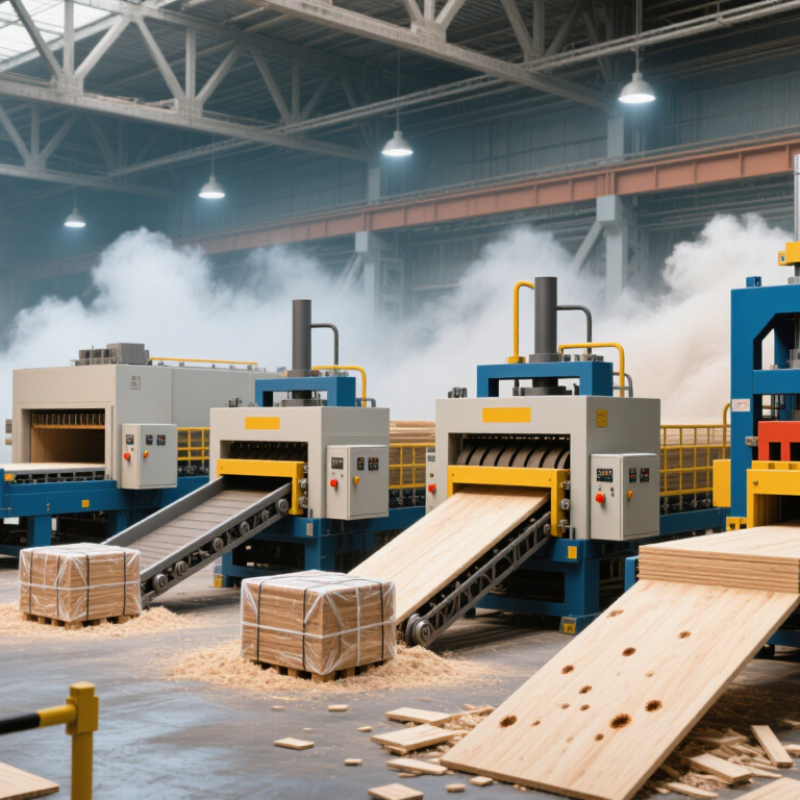
In 2026, global buyers can choose several wood board baler types for MDF, plywood, and particleboard offcuts. Vertical balers suit small workshops and irregular waste volumes. They need limited floor space and usually rely on manual tying. Horizontal channel balers fit panel factories with steady conveyor feeding and higher daily throughput. Two-ram balers handle bulky, mixed board waste more consistently. They also reduce pressure on operators during continuous loading.

FAO’s Global Forest Products Facts and Figures 2023 reports worldwide wood-based panel production above 350 million cubic metres, showing the scale of this waste stream. For fine residues, a Wood Meal Baler can compact milled board dust and small particles into dense packages. However, fine dust requires engineered extraction and fire protection. A standard baler may not be suitable. European Commission waste-treatment guidance also stresses controlled dust handling and reliable equipment maintenance. That detail is easy to underestimate. Buyers should compare bale density, chamber size, cycle time, tying method, and material moisture before choosing. The wrong specification can create unstable bales, blocked feed paths, and unnecessary downtime. Reported capacity figures also need practical testing, because wet board and resin-rich fines behave differently from clean dry offcuts.

How Do Horizontal and Vertical Wood Board Balers Differ?

2026 Top Wood Board Baler Types for Global Buyers

How Do Horizontal and Vertical Wood Board Balers Differ?

Horizontal wood board balers suit factories with steady material flow and higher daily volumes. Boards enter through a wide chamber, often using a conveyor or mechanical feeder. The machine compresses material along a horizontal axis and produces dense, regularly shaped bales. This layout can reduce manual handling and support faster loading. It also needs more floor space, stronger foundations, and careful planning around conveyors.

Vertical wood board balers require less installation space and usually fit smaller workshops, storage yards, and recycling stations. Operators load boards through a front opening, then compression occurs from top to bottom. These units often have simpler controls and lower purchase costs. However, loading may take longer, especially when boards vary in length or thickness. Labor requirements can increase.

Space matters. Moisture, board density, and surface condition affect bale stability. Excessively wet wood may create uneven pressure and slower handling. Nail-free, sorted boards are easier to compress safely, but mixed sizes still challenge both designs. Buyers should compare chamber dimensions, motor power, tying methods, guarding, and service access. A common mistake is choosing by press force alone. Throughput depends on feeding, operator skill, and bale removal. In practical evaluations, vertical models often win on flexibility, while horizontal models perform better in continuous production. That choice deserves careful measurement, not assumption.

2026 Top Wood Board Baler Types for Global Buyers

How Do Horizontal and Vertical Wood Board Balers Differ?

The chart compares representative mid-range specifications commonly found in industrial wood board balers. Values are normalized against a vertical baler score of 100 for each category to make different units comparable.

Typical reference ranges: horizontal balers generally handle about 2–10 t/h with 300–1,000 kg bales, while vertical balers commonly handle about 0.5–3 t/h with 50–300 kg bales. Horizontal systems usually require more floor space and installed power, whereas vertical systems are more suitable for limited-volume operations.

What Materials and Board Sizes Can Each Baler Handle?

Choosing a wood board baler starts with the feedstock, not the machine name. Particleboard, MDF, plywood, OSB, and veneer offcuts behave differently under pressure. Moisture changes everything. The EU Joint Research Centre’s Waste Treatment BAT Reference Document explains that particle size, moisture, and bulk density strongly affect compaction performance. Dry, flat sheets usually form stable bales. Damp MDF may expand after tying.

Vertical balers suit smaller workshops and retail-sized board pieces. Typical chambers accept cut panels and produce bales around 400–600 mm wide, depending on the model. Horizontal channel balers handle continuous factory offcuts and larger volumes. They are more suitable for plywood strips, OSB panels, and mixed production waste. Two-ram balers offer better control when bulky sheets resist feeding. However, oversized panels still need pre-cutting. That detail is often overlooked.

A Wood Chips Baler serves a different material stream. It compresses loose chips, sawdust, or shavings into bags or wrapped packs, rather than dense flat-board bales. The FAO Global Forest Products Facts and Figures 2023 reported global wood-based panel production at roughly 400 million cubic metres, showing the scale of potential waste recovery. For board plants, chamber width matters more than advertised pressure. Measure the largest offcut first. Then check bale length, tying method, moisture tolerance, and loading height. I would not specify one “universal” baler; mixed boards and irregular sizes make that claim questionable.

Which Automation and Safety Features Matter to Global Buyers?

For global buyers, a Wood Sheet Baler should reduce handling work without turning safety into an afterthought. Automation matters most when it solves a visible problem: uneven feeding, repeated lifting, or loose boards falling from the chamber. A photoelectric sensor can stop the ram when material enters incorrectly. A programmable controller can also record cycle counts, pressure changes, and fault history. Useful data, not decoration.

The European Commission’s Joint Research Centre estimated about 374 million tonnes of construction and demolition waste were generated annually in the European Union, excluding excavated soil. Wood boards represent only part of this stream, but their irregular shapes can challenge compacting systems. Buyers should examine automatic alignment, overload protection, and remote fault alerts. These features reduce manual intervention. They do not remove every risk.

Safety needs physical proof. Interlocked doors, two-hand controls, emergency-stop cables, and guarded hydraulic zones should match ISO 12100 risk assessment principles. The International Labour Organization reported 2.93 million work-related deaths and 395 million non-fatal injuries globally each year. A baler cannot solve that wider problem, but careless integration can add one. Ask for documented tests under realistic loads, not showroom samples. A wet panel may slide differently. That detail is easy to miss. In practice, operators still need clear training, lockout procedures, and safe access for jam removal. Automation is helpful, but it is not perfect.

2026 Top Wood Board Baler Types for Global Buyers - Which Automation and Safety Features Matter to Global Buyers?

Typical technical ranges for wood-board, pallet, furniture-panel, and woodworking-waste applications

Baler Type Best-Fit Wood Material Typical Bale Density Typical Bale Weight Typical Throughput Typical Drive Configuration Automation Features That Matter Key Safety Features Global Buyer Suitability
Vertical Hydraulic Baler Small quantities of wood offcuts, thin boards, packaging wood, and mixed workshop waste Approximately 250–450 kg/m³ 30–150 kg 1–4 tonnes/hour Single hydraulic cylinder; manual or semi-automatic tying Programmable compression cycle Full-bale indicator Automatic return stroke Interlocked loading door, emergency stop, pressure relief valve, anti-drop hydraulic valve, and guarded compression chamber Suitable for small plants, retailers, workshops, and facilities with limited floor space
Horizontal Closed-End Baler Wooden pallets, board trimmings, MDF/HDF pieces, and bundled panel waste Approximately 400–650 kg/m³ 150–500 kg 3–8 tonnes/hour Hydraulic ram with automatic bale ejection; wire or strap tying Automatic bale-length control Automatic ejection PLC fault diagnostics Safety light curtain or guarded feed opening, door interlocks, overload protection, emergency-stop circuit, and hydraulic pressure monitoring Good general-purpose option for medium-size recycling and woodworking operations
Horizontal Open-End Channel Baler Continuous streams of wood boards, pallet components, packaging wood, and dry production scrap Approximately 450–700 kg/m³ 250–700 kg 5–15 tonnes/hour Continuous hydraulic compaction with automatic wire or strap tying Continuous-feed operation Automatic tying Remote monitoring capability Feed conveyor interlock, safety pull cords, emergency-stop buttons, jam detection, guarded tying unit, and motor overload protection Strong choice for exporters and plants requiring stable continuous production
Two-Ram Baler Bulky wood panels, irregular pallet waste, furniture boards, and mixed recyclable materials Approximately 450–750 kg/m³ 300–800 kg 6–20 tonnes/hour Independent horizontal and vertical hydraulic ram systems Automatic material profiling Automatic bale ejection Recipe-based control Multiple access-door interlocks, anti-jam logic, ram-position sensors, hydraulic overload protection, and perimeter emergency stops Recommended where feedstock varies significantly in size, shape, and moisture content
High-Density Channel Baler Large volumes of dry wood-board waste, pallet wood, and compactable production residues Approximately 550–850 kg/m³ 400–1,000 kg 10–30 tonnes/hour High-force hydraulic ram with automatic multi-wire or strap tying Automatic feed regulation Bale-density control Production data logging Full perimeter guarding, safety-rated control circuit, light curtains, ram-position monitoring, overload shutdown, and lockout/tagout provisions Best suited to large recycling centers and high-volume board-processing facilities
Pre-Press Baler Low-density wood offcuts, bulky panel pieces, and lightweight mixed woodworking waste Approximately 300–600 kg/m³ 150–500 kg 4–12 tonnes/hour Pre-compression chamber followed by main hydraulic compaction Automatic chamber filling Material-level sensors Automatic cycle optimization Chamber-door interlocks, anti-bridging protection, pressure sensors, emergency stops, and guarded conveyor transfer points Useful when bulky material must be stabilized before final compaction
Sawdust and Fine-Wood-Waste Baler Dry sawdust, wood shavings, planer waste, and fine board-processing residues Approximately 450–750 kg/m³ 20–100 kg 1–6 tonnes/hour Hydraulic or screw-assisted compaction; bag, film, or strap packaging Automatic filling control Dust-level monitoring Automatic bag or bale release Dust extraction connection, combustible-dust risk assessment, grounding and bonding, spark-control provisions, guarded auger, and emergency stop Suitable only when dust collection and fire-prevention systems are properly integrated
Mobile or Compact Baler Small-to-medium volumes of pallet wood, board cut-offs, and decentralized collection waste Approximately 250–550 kg/m³ 50–250 kg 1–6 tonnes/hour Compact hydraulic system; manual or automatic tying depending on configuration Quick-start control panel Fill-level sensor Remote fault indication Stabilizing feet or wheel locks, guarded feed zone, emergency stop, hydraulic overload protection, and transport securing points Practical for multiple warehouses, temporary projects, and facilities with changing layouts
Semi-Automatic Strap Baler Pre-sorted board bundles, finished wood panels, and clean packaging wood Approximately 300–600 kg/m³ 80–350 kg 2–8 tonnes/hour Hydraulic compression with operator-assisted PET, PP, or steel strapping Automatic compression cycle Adjustable bale size Cycle counter Two-hand controls where applicable, guarded strap path, door interlock, emergency stop, and strap-tension limitation Appropriate where labor is available and investment cost must remain moderate
Fully Automatic Integrated Baling Line High-volume, consistently sized wood-board and pallet-processing streams Approximately 500–850 kg/m³ 300–1,000 kg 10–35 tonnes/hour Conveyor, separator, metal detector, hydraulic baler, automatic tying, and bale handling system Central PLC and HMI Automatic sorting and feed control Remote diagnostics Bale tracking Safety PLC, perimeter guarding, access-door interlocks, light curtains, pull-wire switches, fire detection interfaces, and controlled restart Best for large international operations prioritizing labor reduction, traceability, and consistent output
Data note: The figures shown are typical industry ranges for 2026 equipment planning and may vary with wood species, board thickness, moisture content, feed-size distribution, bale dimensions, tying method, and local electrical requirements. Actual machine selection should be verified through a material test, risk assessment, and compliance review against applicable local machinery, electrical, and occupational-safety regulations.

How Should Buyers Compare Capacity, Cost, and Maintenance Needs?

2026 Top Wood Board Baler Types for Global Buyers

Buyers should compare capacity using real board dimensions, moisture, and feeding rhythm. A machine rated at 1,000 kg per hour may perform differently with dense, uneven offcuts. Request test results using material similar to your own waste. Watch the loading cycle. Frequent pauses can reduce practical output.

A Wheat Wood Baler may suit facilities handling mixed agricultural and wood-based residues, but its chamber size needs careful review. Measure the largest board before choosing. A narrow chamber creates repeated trimming work. A larger chamber costs more and may consume more power. The cheapest quotation is not always economical. Include wiring, shipping, installation, and operator training in the purchase calculation. Local electrical standards also deserve attention.

Maintenance needs are easier to judge on the factory floor. Check whether wear plates, hydraulic seals, sensors, and cutting edges are accessible without special tools. Ask for maintenance intervals in operating hours, not vague promises. Inspect the bale chamber after a full test run. Look for material buildup, oil seepage, and uneven compression. These details often reveal future labor costs. Spare parts availability matters across borders, especially when a production line cannot wait several weeks. A simple hydraulic layout may be less impressive, yet easier for local technicians to repair. I would still question every claimed capacity figure. Real waste is rarely clean, dry, or perfectly sorted.

FAQS

What is a wood board baler?

A wood board baler compresses offcuts, pallets, and broken panels into dense bundles. It uses a steel chamber, hydraulic ram, and binding system. This reduces loose volume and makes internal handling safer.

How does a wood board baler work?

Workers place sorted board waste inside the chamber. The hydraulic ram applies controlled pressure. Straps or wire secure the compacted bale after ejection. The process is simple, but material conditions change results.

Which materials can the machine process?

Common materials include MDF, particleboard, plywood, and solid wood. These materials compress differently. Resin content may increase dust and friction. Mixed waste can create unstable bales or damage internal parts.

Which baler type suits a small workshop?

A vertical baler often suits small workshops and irregular waste volumes. It needs limited floor space. Manual tying is common. Output may be lower, but the layout can be practical.

Which baler type suits a busy panel factory?

A horizontal channel baler fits steady conveyor feeding and higher daily throughput. A two-ram model can handle bulky, mixed board waste more consistently. Continuous loading still requires careful supervision.

How should buyers compare machine capacity?

Compare capacity using real board sizes, moisture levels, and feeding rhythms. Test the machine with waste similar to your own. A quoted rate of 1,000 kilograms per hour may fall with wet, uneven boards.

What should buyers check before choosing chamber size?

Measure the largest board before selecting the chamber. A narrow chamber can create repeated trimming work. A larger chamber costs more and may use more power. Bigger is not automatically better.

How can operators improve bale quality?

Sort materials before loading. Remove metal hardware from the feed area. Check bale density and strap tension daily. Record rejected bales and investigate the cause. Dust matters.

What maintenance tasks are important?

Inspect hydraulic leaks, wear plates, seals, sensors, and cutting edges. Check for material buildup after a full test run. Ask for maintenance intervals in operating hours. Simple repairs are often easier for local technicians.

What safety and dust controls are needed?

Fine board dust requires effective extraction and suitable fire protection. Keep the feed area clear of metal objects. Inspect hydraulic systems regularly. The right setting may change with moisture, thickness, and resin content. I would not trust one pressure setting forever.

Conclusion

A Wood Board Baler is a recycling machine designed to compress discarded wood boards, panels, pallets, and related timber materials into compact, manageable bundles. This article explains how the baling process works, from feeding and compression to tying and bale removal, while reviewing the main baler types available in 2026. It compares horizontal and vertical designs, highlighting differences in footprint, loading method, throughput, labor requirements, and suitability for small, medium, or high-volume operations.

The guide also examines which balers can handle different board materials, thicknesses, lengths, and bale dimensions. For global buyers, important considerations include automatic feeding, programmable controls, sensors, emergency stops, guarding, and easy access for maintenance. Capacity, purchase cost, energy use, consumables, service requirements, and expected operating life should all be evaluated together. Selecting the right equipment depends on material volume, available space, workforce, local operating conditions, and long-term cost efficiency.

Emma

Emma

Emma is a skilled marketing professional with extensive expertise in hydraulic balers and environmental protection machinery. With a passion for sustainability and innovation, she plays a pivotal role in promoting advanced packaging and baling solutions designed for diverse industries. Since......
Previous How to Choose the Best Metal Baler for Global Buyers?