Leave Your Message
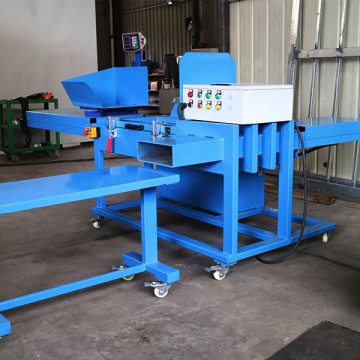
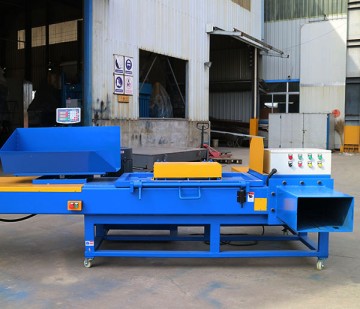
High-performance baling systems engineered for heavy-duty volume reduction and compact scrap processing.
How modern industrial demands are reshaping the engineering and deployment of hydraulic baling machines worldwide.
In the modern industrial ecosystem, waste is no longer viewed merely as a byproduct to be discarded; it is a valuable secondary resource. With the rapid acceleration of global urbanization and manufacturing, the volume of scrap material—ranging from post-industrial metals and end-of-life vehicle parts to discarded textiles and packaging polymers—has reached unprecedented levels. This surge has placed immense pressure on waste management infrastructure, logistics channels, and storage facilities. Consequently, the deployment of a high-efficiency baling machine for compact scrap processing has transitioned from an operational option to a critical commercial necessity.
Compaction technology addresses the core bottleneck of recycling logistics: low bulk density. Unprocessed scrap, particularly lightweight metals, synthetic textiles, and tires, occupies vast amounts of space relative to its weight. This low density results in exorbitant transportation costs, underutilized cargo spaces, and hazardous warehouse environments. By applying multi-axial hydraulic force, modern baling presses compress loose scrap into highly dense, standardized blocks (bales). This volumetric reduction, often exceeding ratios of 10:1, dramatically optimizes shipping capacities, slashes carbon emissions associated with transport, and allows facility operators to maximize their square footage.
The global market for scrap metal and waste material processing is undergoing a profound structural shift driven by strict environmental regulations and corporate sustainability mandates. The European Green Deal, China's circular economy initiatives, and strict EPA guidelines in North America have collectively established rigorous targets for material recovery. Industries are increasingly penalized for land-filling recyclable scraps, while being incentivized to supply clean, high-density raw materials back into the production cycle.
Furthermore, the rising cost of virgin raw materials has made recycled scrap a highly competitive commodity. Steel mills, smelting plants, and textile manufacturers are redesigning their supply chains to consume more scrap. However, these processing facilities require scrap that meets strict density and purity specifications. Standardized baling ensures that materials are delivered in uniform dimensions, free of excessive moisture or trapped air, ready for direct feeding into electric arc furnaces (EAF) or chemical recycling reactors. This demand for quality control has catalyzed the adoption of smart, sensor-driven baling systems capable of monitoring compaction force, bale weight, and material composition in real time.
Welcome To Learn About Our Company
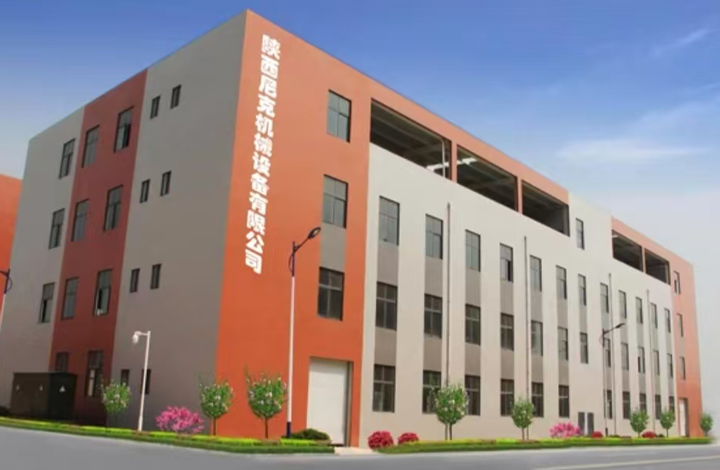
NICKBALER is a leading global manufacturer and distributor of advanced hydraulic balers and environmental protection machinery. Established in 2006, the company specializes in designing, developing, producing, and selling packaging and baling equipment tailored to industries worldwide.
With over 80-90% of its products exported to more than 60 countries, including North America, Europe, Asia, and the Middle East, NICKBALER has become a trusted name in waste recycling and baling solutions. Our machinery is inspired by German, European, and American technology, ensuring high quality, durability, and technological innovation in every product we manufacture.

Analyzing how specialized baling machinery optimizes workflows across distinct industrial sectors.
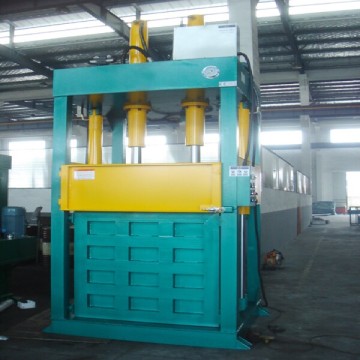
The global textile industry is facing a massive sustainability challenge. Fast fashion has led to millions of tons of garments ending up in landfills annually. In response, textile recycling centers require highly specialized machinery like the NK80LT and NK120LT Lifting Chamber Baling Machines. These units are specifically configured to compress loose garments, fabric scraps, and used clothes without damaging the fibers. The lifting chamber design allows operators to wrap the compressed bale in protective bagging easily, preventing contamination during transit. By packaging textiles into neat, high-density blocks, recycling facilities can load container ships to their maximum weight limits, facilitating the global distribution of second-hand clothing and raw fiber materials.
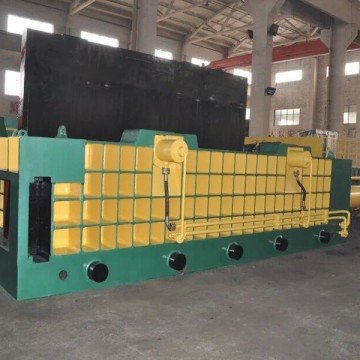
In metal recycling, space and purity are paramount. Lightweight metal scrap, such as aluminum extrusions, copper wiring, and steel turnings, presents a challenge for furnace operators. Loose metal burns off too quickly in the furnace, resulting in high material loss (dross). The NKY81-1350 Small Size Scrap Metal Baler solves this by compacting loose metal fragments into dense, solid briquettes. This high density ensures that the metal sinks deeper into the molten bath of the furnace, improving melting efficiency and recovery rates. Additionally, compact metal bales are far safer to handle, minimizing the risk of sharp metal edges damaging conveyor belts or injuring personnel.
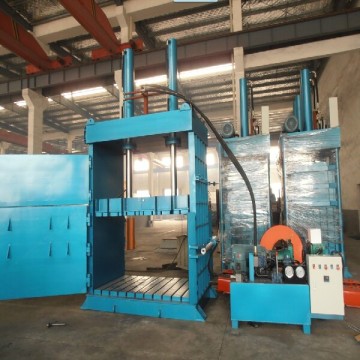
Discarded tires are notoriously difficult to manage due to their shape, elasticity, and susceptibility to fire hazards. When stacked loosely, they capture water, creating breeding grounds for pests, and can fuel long-burning, toxic fires. The NKOT220 Tire Press Baling Machine applies massive hydraulic force to overcome the elastomeric memory of tire rubber. It compresses dozens of passenger car or commercial tires into highly compacted blocks. These tire bales can then be safely stacked in warehouses, utilized in civil engineering projects (such as retaining walls or road foundations), or transported efficiently to pyrolysis plants for oil extraction and carbon black recovery.
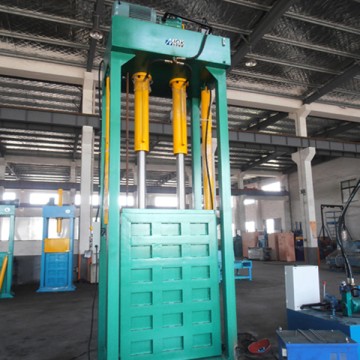
Manufacturing plants, automotive repair shops, and marine facilities generate large quantities of oily rags, waste wipes, and shredded paper. Compacting these materials requires specialized bagging balers like the NKB10 and NKB20 Used Rag Baler Machines. These systems integrate compaction and bagging into a single, seamless operation. The loose waste is compressed directly into a plastic bag, sealing in odors, dust, and contaminants. This process is essential for maintaining workplace hygiene, reducing fire risks, and ensuring compliance with occupational health and safety regulations.
Comprehensive Solutions for Global Waste Management
Our product line includes horizontal and vertical balers, hydraulic baling presses, PET bottle balers, metal compressors, shredders, and various auxiliary equipment, making us a one-stop solution for industries like agriculture, recycling, manufacturing, packaging, and waste management.
Whether you require a compact vertical press for retail cardboard or a high-capacity continuous horizontal baler for municipal solid waste, NICKBALER designs equipment that delivers optimal cycle times, energy efficiency, and long-term mechanical reliability.
Why leading industrial recyclers choose NICKBALER for their compact scrap processing needs.

NICKBALER prides itself on a strict quality management system and a dedicated team of over 50 skilled employees, including 10 technical experts. We provide integrated services that span pre-sales consultation, customized design, production, and exceptional after-sales support. With established after-sales service centers in India, Dubai, Australia, and the United States, we ensure our global clients receive fast and reliable support wherever they are.

The company is committed to "maximizing customer benefits" through efficient, safe, and cost-effective solutions for handling waste paper, plastic, metal, textiles, agricultural waste, and more. Our advanced technology, coupled with rich R&D experience, allows us to provide customized solutions for diverse industries such as food, pharmaceuticals, packaging, chemicals, electronics, and waste treatment.
Exploring the integration of smart sensors, hydraulic efficiency, and automation in modern scrap processing.
The modern industrial world is moving rapidly toward automation, and baling machinery is no exception. Traditional manual balers relied heavily on operator intuition to gauge when a chamber was full or when the pressure limit was reached. Today, state-of-the-art baling machines incorporate programmable logic controllers (PLCs) and real-time sensor arrays. These sensors measure parameters such as cylinder stroke speed, hydraulic fluid temperature, and compaction force. By utilizing smart algorithms, the machine can automatically adjust its pressure profile based on the material type. For instance, compacting highly elastic rubber tires requires a different pressure hold time compared to rigid metal sheets. This dynamic adjustment prevents mechanical strain, optimizes energy consumption, and ensures consistent bale density.
Energy efficiency has become a critical key performance indicator (KPI) for manufacturing and recycling facilities. Older hydraulic systems were notorious for high power consumption and heat generation, requiring massive cooling units to maintain hydraulic fluid viscosity. Modern NICKBALER machines address this by utilizing variable frequency drives (VFDs) and high-efficiency hydraulic pumps. The motor only draws full power during the active compression stroke, dropping to a low-power standby state during loading and bale ejection. Furthermore, the integration of regenerative hydraulic circuits allows fluid to bypass certain valves during low-resistance movements, speeding up cycle times by up to 30% without requiring larger motors. This combination of speed and efficiency directly reduces the operating cost per ton of processed scrap.
Safety is paramount in heavy industrial environments. A hydraulic baler operates under extreme pressures, making robust safety interlocks essential. Modern systems feature light curtains, emergency stop circuits, and electronic chamber door locks that prevent operation if any guard is open. From a maintenance perspective, the inclusion of IoT (Internet of Things) gateways allows for remote diagnostics. If a valve malfunctions or a filter becomes clogged, the system alerts the maintenance team via email or SMS, pinpointing the exact issue. This predictive maintenance model minimizes unscheduled downtime, ensuring that high-volume recycling operations can run continuously without costly interruptions.
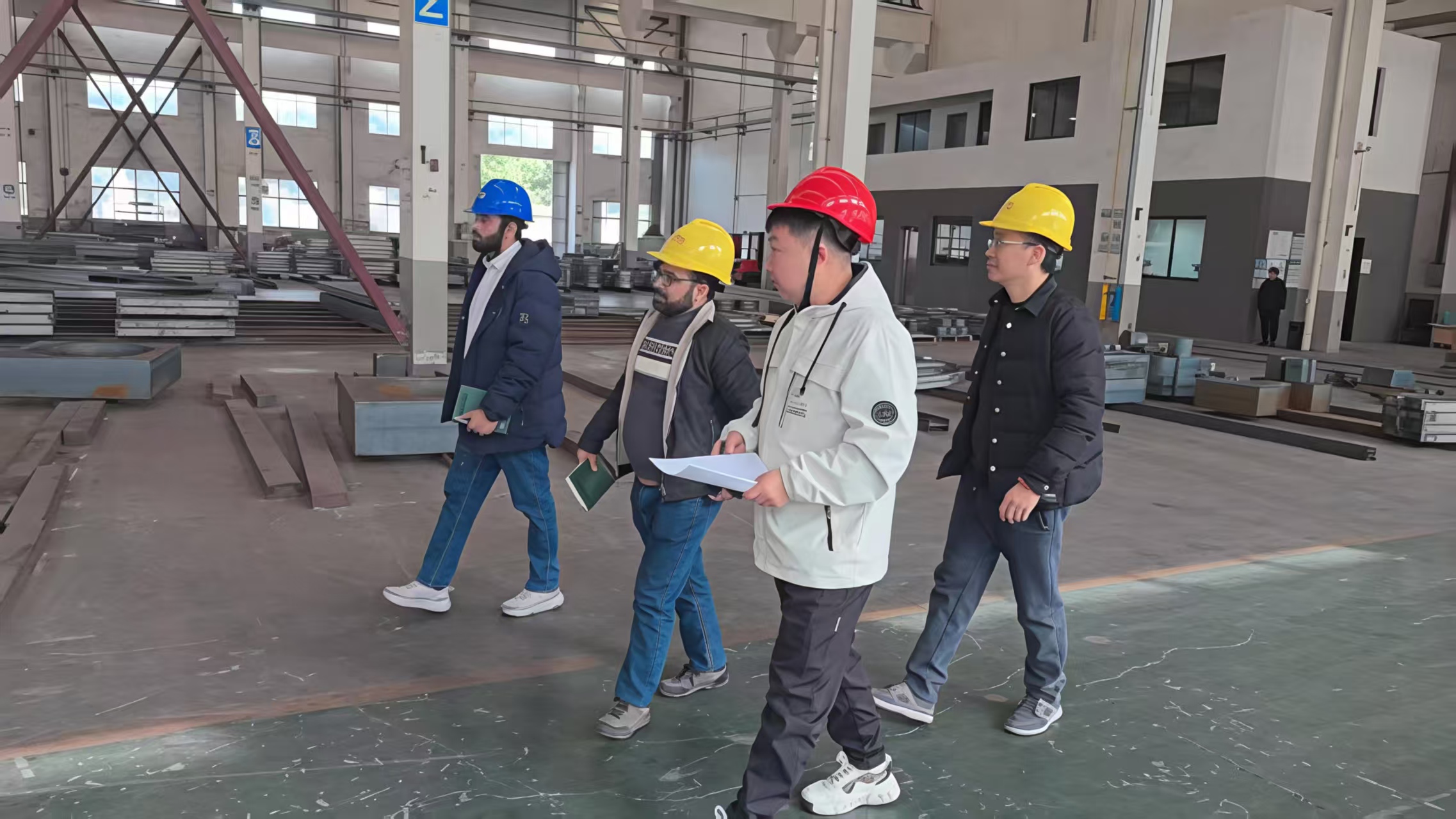
Take a look inside our state-of-the-art manufacturing facility where innovation meets precision engineering.
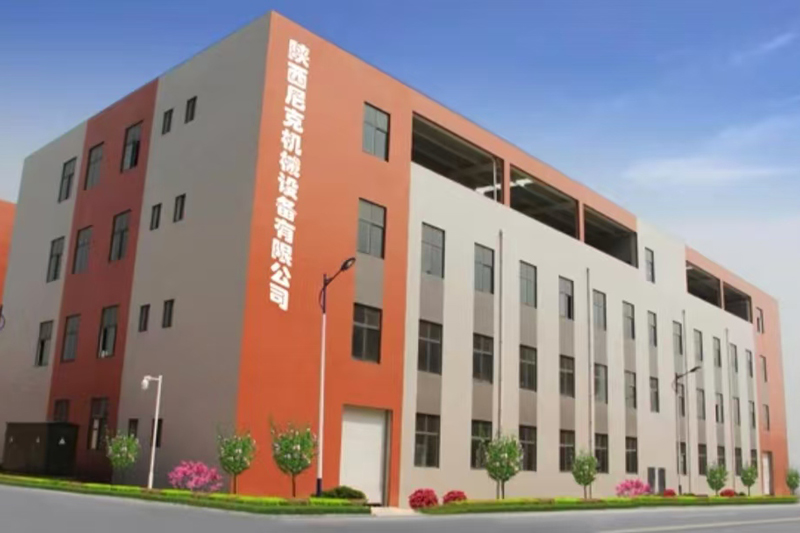
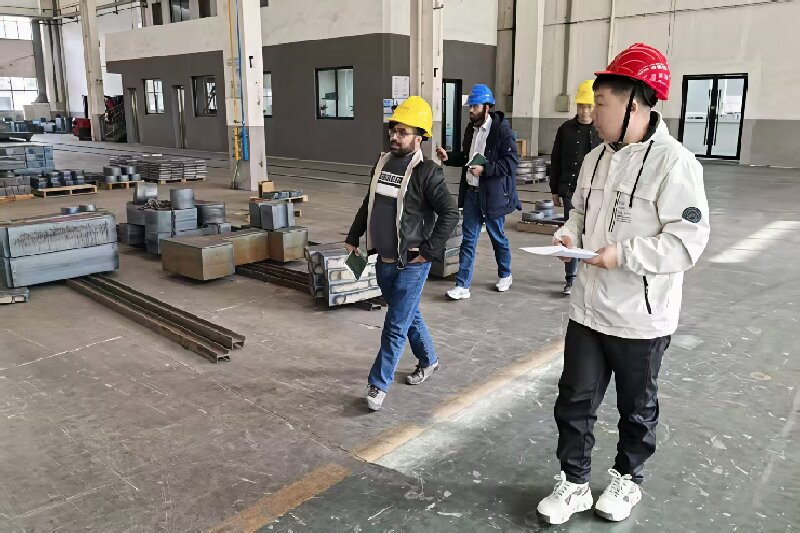
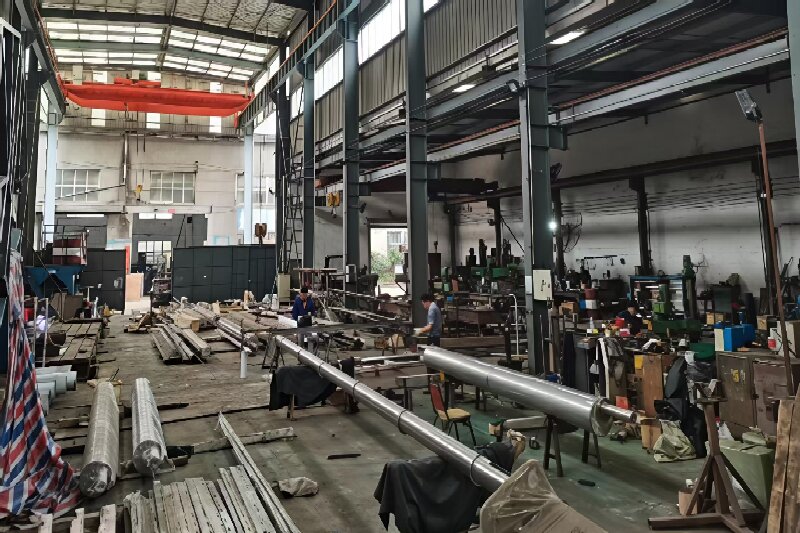
At NICKBALER, we believe in creating sustainable, environmentally friendly solutions that drive innovation and efficiency for businesses worldwide. Let us help you streamline your waste management and recycling operations with our high-quality baling machines and systems.
Contact Us TodayExplore our full range of hydraulic compactors and baling presses engineered for diverse waste materials.