Leave Your Message
Precision-engineered automatic tie balers designed for the non-stop waste streams of large-scale retail operations.
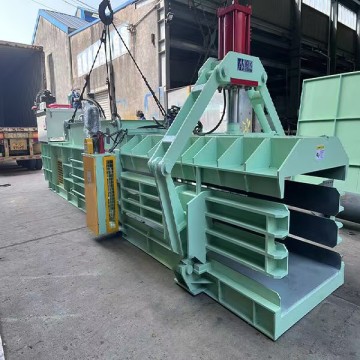
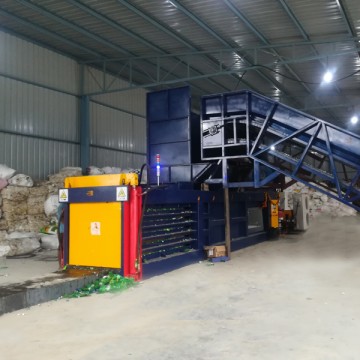
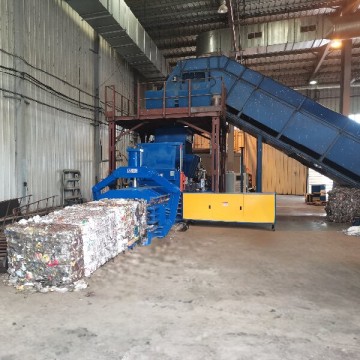
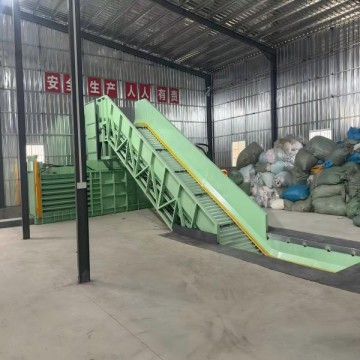
Large-scale retail hubs — from hypermarkets to distribution mega-centers — are now the frontline of global industrial waste management.
Modern hypermarkets generate upwards of 5–12 tonnes of compressible waste daily — cardboard, stretch film, PET bottles, and mixed plastics — making on-site automatic tie balers not optional, but operationally essential for compliance and cost control.
ESG reporting mandates, circular economy directives in the EU, and tightening landfill regulations across North America and Asia are forcing retail chains to deploy certified, traceable baling systems to document diversion rates and meet sustainability KPIs.
Cross-docking facilities, fulfilment centres, and retail distribution parks now integrate automatic tie balers directly into their inbound goods-receiving lines, reducing manual labour and compressing recyclables at the point of origin for immediate bale collection.
Properly baled and tied material commands 30–60% higher buyback prices from downstream recyclers compared to loose or manually baled loads, turning what was once a cost centre into a meaningful secondary revenue stream for large retailers.
Industry 4.0 protocols are driving PLC-controlled, IoT-enabled baler systems that feed live production data into warehouse management software, enabling predictive maintenance scheduling and zero-downtime operations in 24/7 retail environments.
Automatic tie balers reduce manual tying and strapping labour by over 80%, directly addressing the acute labour shortages affecting the retail logistics sector globally while simultaneously improving worker safety metrics.
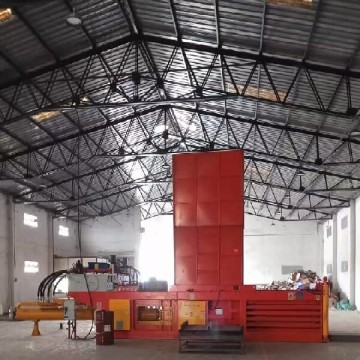
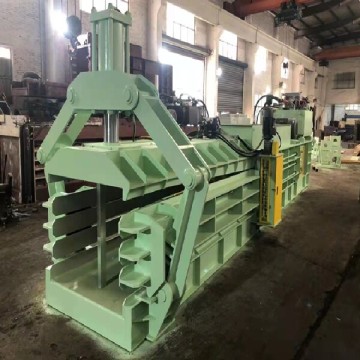
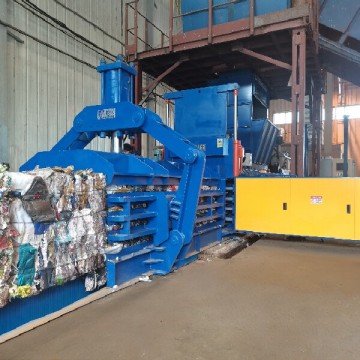
The automatic tie mechanism — the single most critical differentiator in industrial baler design — eliminates the human bottleneck from the baling cycle. In a large retail hub processing tens of thousands of product units per day, a machine that automatically feeds, compresses, ties, and ejects bales without operator intervention achieves throughput levels that semi-automatic or vertical alternatives simply cannot match. Tie force, wire gauge, number of ties per bale, and ejection speed are all pre-programmable parameters that align the machine with each facility's specific material mix and bale transport logistics.
A deep-dive into the specific operational environments where automatic tie baler technology transforms retail waste from a liability into a managed asset.
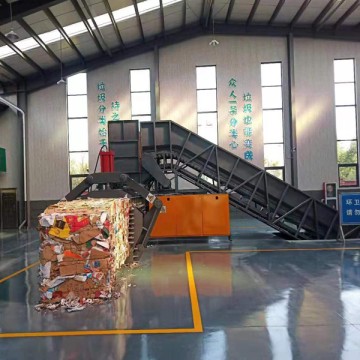
Major shopping centres with hundreds of individual tenants — fashion retailers, electronics stores, food courts, and supermarkets — centralise waste collection in a back-of-house compactor room. An automatic tie horizontal baler installed at this node processes mixed OCC (old corrugated cardboard), plastic film, and blister packaging continuously across all trading hours. The automatic tie feature is critical here: staff turnover is high in retail mall environments, and eliminating the need for skilled bale-tying operators ensures consistent bale quality regardless of who is rostered on. Integration with a conveyor infeed system allows waste to be dropped from upper floors and baled automatically at ground level.
In a modern 100,000 m² fulfilment centre dispatching thousands of orders per day, the inbound goods-receiving dock generates enormous quantities of stretch wrap, bubble film, cardboard outers, and dunnage. An automatic tie baler positioned at the end of the unpacking line captures this material in real time. With automated wire tying, bale density and dimensions remain uniform — critical for stacking bales in the designated recyclables bay and achieving maximum truck payload when the recycling contractor collects. NICKBALER's NKW125QT and NKW100QT lifting-door models are purpose-built for this scenario, offering front-loading convenience that integrates with conveyor lines at multiple feed heights.
Large grocery retail operations deal with a uniquely challenging waste mix: wet cardboard from produce departments, EPS (expanded polystyrene) trays, LDPE bags, and heavy-duty shrink film from palletised goods. Automatic tie balers in this context must handle inconsistent material density without jamming. NICKBALER's heavy-duty hydraulic ram design and oversized feed chamber accommodate bulky, irregular loads. The automatic tying system ensures tight, secure bales even when processing lightweight, springy plastic film — a notoriously difficult material that loose-tied bales fail to manage effectively.
During retail hub construction, refurbishment, and store fit-outs, enormous volumes of packaging waste — pallet wrap, cardboard cartons from fixtures and fittings, bubble wrap from equipment delivery — are generated over compressed timescales. Portable or semi-fixed automatic tie balers are deployed on-site to manage this surge, producing export-grade bales that are transported directly to recycling processors. This application is driving growing demand for the mid-range NKW100Q and NKW60Q fully automatic models, which offer the throughput of industrial machines in a footprint suited to temporary site installations.
The explosive growth of e-commerce returns — with return rates in fashion retail exceeding 30% — has created a new and rapidly growing application sector for automatic tie balers. Returns processing centres must handle high volumes of mixed packaging: cardboard mailers, polybags, bubble mailers, and composite materials. Automatic tie balers efficiently compact this mixed stream, with the automatic tying mechanism ensuring bale integrity even for heterogeneous loads that would defeat manual tying attempts. The compressed and tied bales are then sorted downstream for material-specific recycling streams.
The automatic tie baler market for large-scale retail is evolving rapidly. Here are the four critical trends shaping the next five years.
Next-generation balers incorporate embedded sensors monitoring motor load, hydraulic pressure, tie wire consumption, bale count, and cycle time. Data is streamed to cloud-based facility management platforms, enabling facility managers to monitor multiple machines across a retail portfolio from a single dashboard — and for manufacturers like NICKBALER to provide remote diagnostics and predictive maintenance alerts before failures occur.
Machine learning algorithms trained on spectral and visual data are beginning to appear in premium automatic balers, automatically adjusting compression force, tie wire tension, and bale ejection timing based on real-time recognition of the material being processed. This allows a single machine to optimise bale quality across cardboard, film, PET, and mixed streams without manual parameter adjustment — a significant advantage for diverse retail waste streams.
As retail chains pursue Scope 3 emissions reductions, the energy consumption profile of on-site waste processing equipment has come under scrutiny. Variable-speed hydraulic drive systems, energy-recovery circuits, and motor efficiency class upgrades (IE3/IE4) are now standard in premium automatic tie balers, with some models achieving 25–40% energy consumption reduction compared to fixed-speed predecessors — directly contributing to retailers' carbon reporting metrics.
Leading manufacturers are developing modular baler platforms where feed conveyors, auto-tying heads, bale pushers, and control systems are interchangeable modules that can be reconfigured as retail facility layouts change. This modular architecture significantly reduces capital expenditure for retail chains undergoing store-format changes or expansion, protecting their equipment investment across a longer asset lifecycle.
Understanding the performance difference helps retail facility managers select the right baling specification for their throughput requirements.
| Feature | Automatic Tie Baler | Semi-Automatic Baler | Manual Tie / Vertical |
|---|---|---|---|
| Tying Operation | Fully automated wire/twine tying | Operator-assisted tying | Manual tying by operator |
| Throughput (OCC) | 8–25 tonnes/hour | 4–10 tonnes/hour | 1–3 tonnes/hour |
| Labour Requirement | Minimal — 1 operator monitors multiple machines | 1 dedicated operator per machine | 2+ operators required |
| Bale Consistency | Excellent — programmable density and dimensions | Good — dependent on operator | Variable |
| Operating Cost | Lowest over 3+ year lifecycle | Medium | Highest (labour intensive) |
| Retail Hub Suitability | ✅ Ideal for large-scale, 24/7 operations | ⚠️ Suitable for medium operations | ❌ Not recommended for high volume |
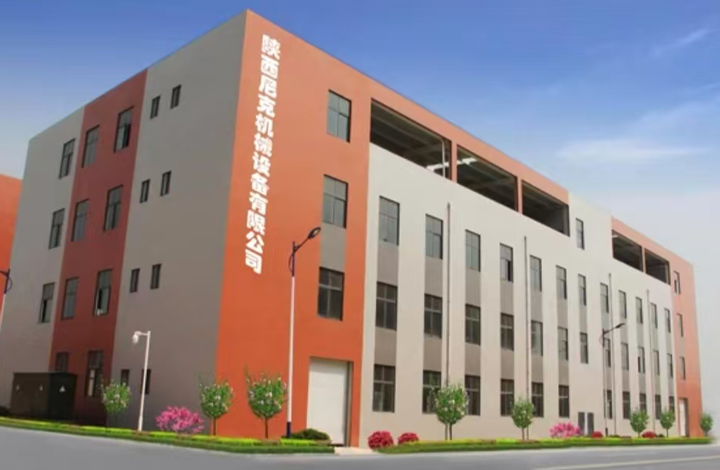

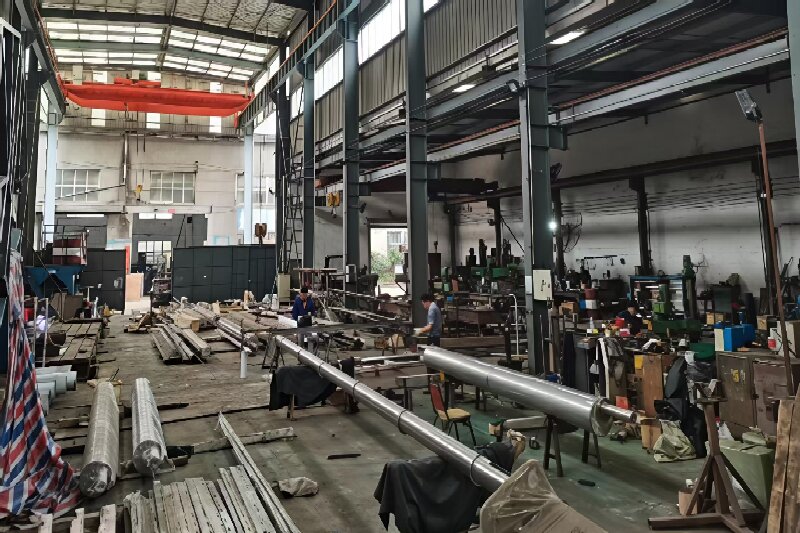
NICKBALER is a leading manufacturer and distributor of advanced hydraulic balers and environmental protection machinery. Established in 2006, the company specialises in designing, developing, producing, and selling packaging and baling equipment tailored to industries worldwide. With over 80–90% of its products exported to more than 60 countries, including North America, Europe, Asia, and the Middle East, NICKBALER has become a trusted name in waste recycling and baling solutions.
Our automatic tie baler series — purpose-engineered for large-scale retail hubs — represents the culmination of nearly two decades of hydraulic engineering expertise, field feedback from global retail clients, and continuous R&D investment inspired by German, European, and American baling technology standards.
Our product line includes horizontal and vertical balers, hydraulic baling presses, PET bottle balers, metal compressors, shredders, and various auxiliary equipment, making us a one-stop solution for industries like agriculture, recycling, manufacturing, packaging, and waste management. Our machinery is inspired by German, European, and American technology, ensuring high quality and innovation in every product.
For large-scale retail hubs specifically, our horizontal automatic tie baler series spans compact city-centre supermarket footprints all the way to flagship hypermarket and distribution centre installations — with baling force ratings from 40 to 200+ tonnes to match every throughput requirement.
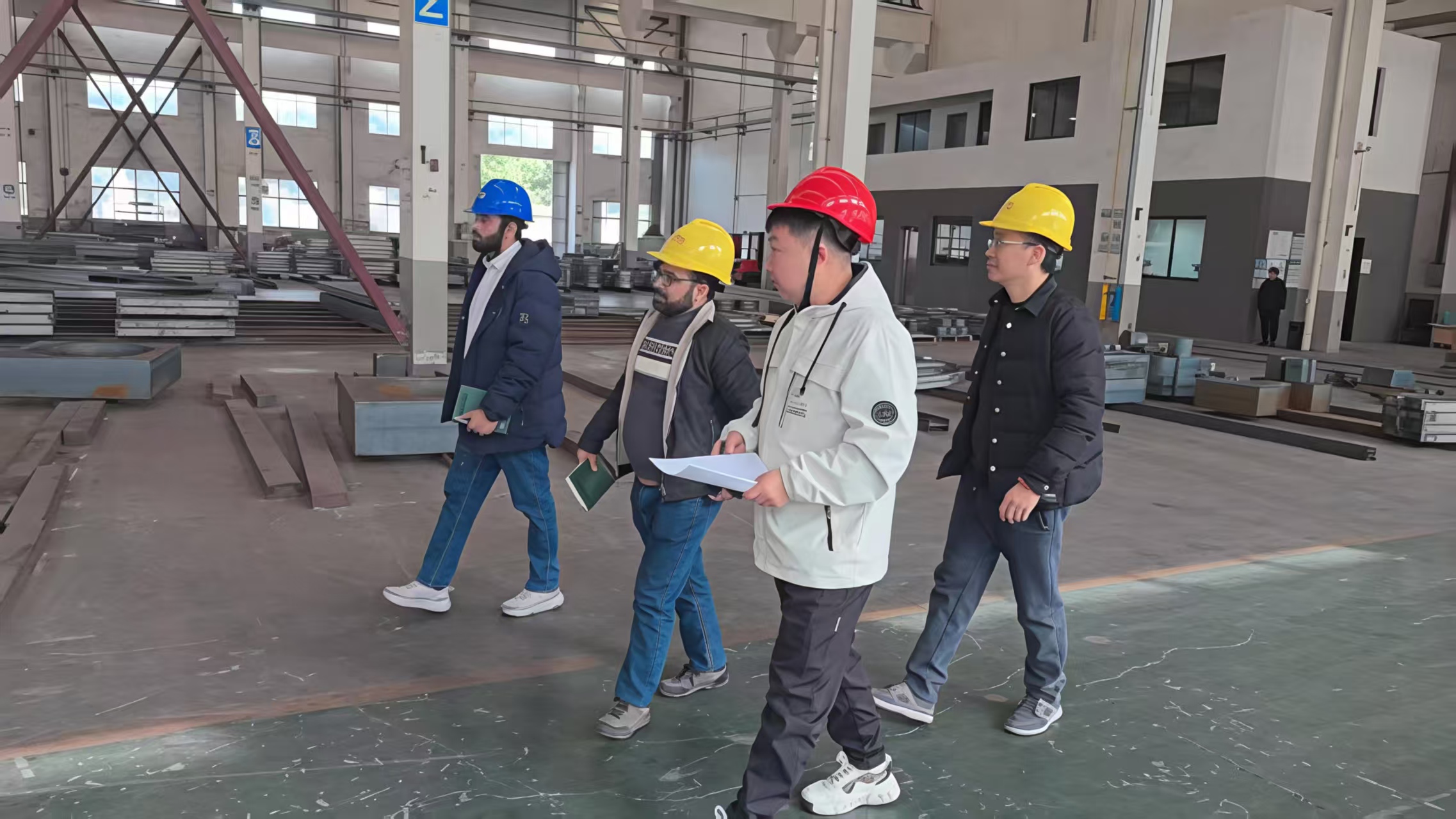
What sets NICKBALER automatic tie balers apart in the global large-scale retail market.

NICKBALER prides itself on a strict quality management system and a dedicated team of over 50 skilled employees, including 10 technical experts. We provide integrated services spanning pre-sales consultation, customised design, production, and exceptional after-sales support. With established after-sales service centres in India, Dubai, Australia, and the United States, we ensure our global retail clients receive fast and reliable support wherever they are.

The company is committed to "maximising customer benefits" through efficient, safe, and cost-effective solutions for handling waste paper, plastic, metal, textiles, agricultural waste, and more. Our advanced technology, coupled with rich R&D experience, allows us to provide customised solutions for diverse industries such as food, pharmaceuticals, packaging, chemicals, electronics, and waste treatment — including bespoke configurations for large-scale retail and logistics hub deployments.
At NICKBALER, we believe in creating sustainable, environmentally friendly solutions that drive innovation and efficiency for businesses worldwide. Let us help you streamline your waste management and recycling operations with our high-quality automatic tie baling machines and systems — purpose-designed for large-scale retail hub environments.
Contact Us Now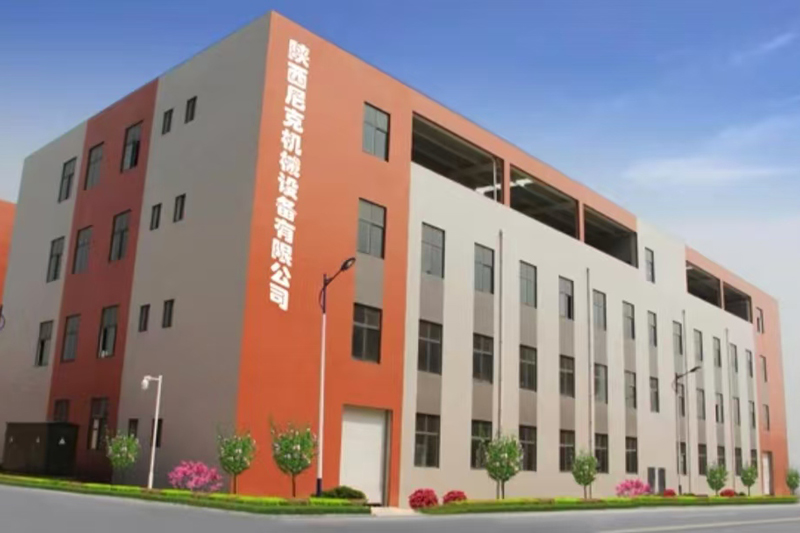
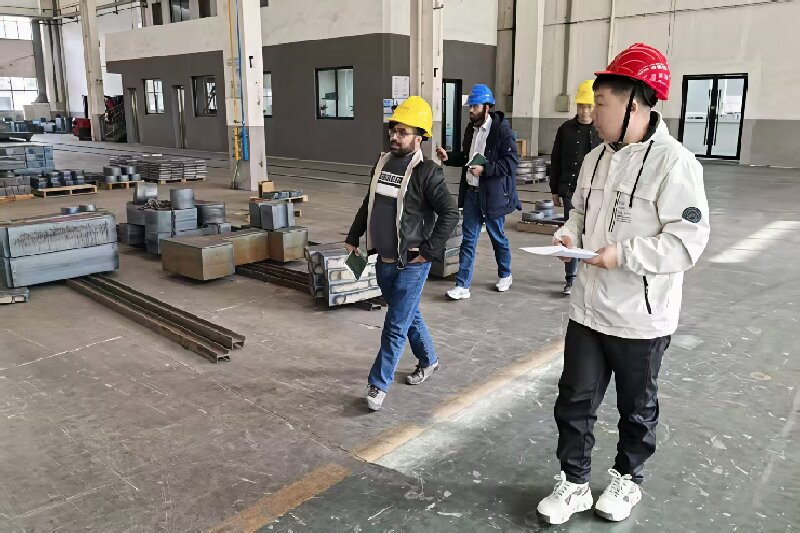
Explore our full range of automatic and semi-automatic horizontal balers — engineered for every scale of retail waste operation.