Leave Your Message
Explore our top-tier automatic tie balers engineered specifically for high-density aluminum can recycling and scrap metal processing.
Aluminum is one of the most remarkable materials on the planet, boasting a unique property: it is infinitely recyclable without any loss of quality. In the modern circular economy, aluminum can recycling stands as a pillar of sustainability and industrial profitability. The global push for reducing carbon footprints has exponentially increased the demand for recycled aluminum, which requires up to 95% less energy to produce compared to primary aluminum extracted from bauxite ore. However, the commercial viability of this recycling process hinges entirely on logistical efficiency. This is where Automatic Tie Balers for Aluminum Can Recycling become indispensable industrial assets.
The primary challenge in aluminum can recycling is volume versus density. Empty aluminum beverage cans are incredibly lightweight and occupy a massive amount of spatial volume. Transporting loose cans from collection centers to smelting facilities is economically unfeasible due to exorbitant freight costs. To transform this logistical nightmare into a profitable commercial venture, scrap yards, Materials Recovery Facilities (MRFs), and beverage manufacturing plants rely heavily on advanced horizontal baling technology. By compressing hundreds of thousands of loose cans into dense, uniform, and tightly bound bales, automatic tie balers optimize storage space, maximize payload capacities for shipping containers, and drastically reduce transportation overheads.
In today's highly competitive scrap metal market, the efficiency of your baling equipment directly dictates your profit margins. Traditional manual or semi-automatic baling methods are increasingly becoming obsolete in high-volume operations due to rising labor costs and slower throughput rates. The transition towards fully automatic tie balers represents a critical evolution in the waste management sector, enabling continuous, uninterrupted processing that keeps pace with the modern speed of industry.
Transforming high-volume scrap processing through advanced hydraulic engineering and intelligent automation.
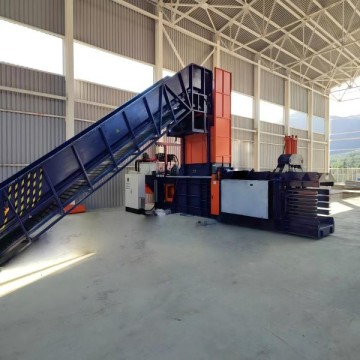
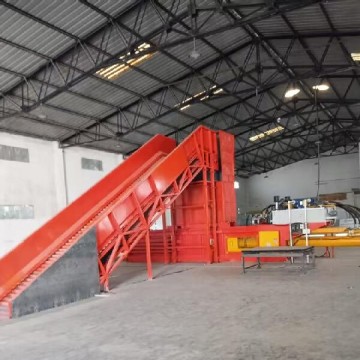
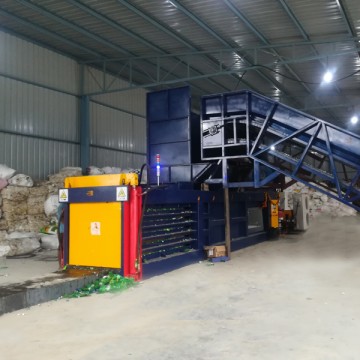
Unlike vertical balers that require manual loading and tying, horizontal automatic tie balers are designed for continuous operation. Fed by conveyors or heavy machinery, these systems automatically compress and tie the aluminum cans, achieving processing rates of several tons per hour without human intervention.
Equipped with powerful hydraulic cylinders pushing hundreds of tons of force, these balers crush aluminum cans to their absolute minimum volume. High-density bales ensure that trucks and shipping containers reach their maximum legal weight limits, cutting logistics costs by up to 60%.
The automated wire-tying mechanism eliminates the need for operators to manually thread and tie steel wires under tension—a process that is historically dangerous and physically demanding. This automation not only protects workers but effectively resolves labor shortage bottlenecks in recycling facilities.
The implementation of Automatic Tie Balers for Aluminum Can Recycling extends across various specialized industrial environments, each with unique operational demands. Understanding these scenarios is crucial for selecting the right hydraulic baling press.
1. Municipal Materials Recovery Facilities (MRFs): In large-scale municipal recycling centers, mixed recyclables are sorted using eddy current separators to isolate aluminum cans. These cans are then continuously fed via conveyor belts into large horizontal full-automatic balers like the NKW160Q or NKW200Q. Because MRFs handle a relentless stream of municipal waste, the baler must possess robust continuous-duty cycles and automated wire-tying capabilities to prevent material backlogs. The automated system ensures that as soon as a bale reaches the optimal length, it is tied and ejected, allowing the ram to continue compressing the next batch seamlessly.
2. Dedicated Scrap Metal Yards: Scrap yards operate on the economics of weight. They purchase loose aluminum cans from smaller collectors and aggregate them for sale to large smelters. In this scenario, balers equipped with lifting doors (such as the NKW100QT or NKW160QT) are highly favored. These machines offer immense shear force to handle not just clean cans, but occasionally contaminated or slightly thicker aluminum scraps. The high-density bales produced are uniform in size, making them perfectly stackable in warehouses and stable during long-haul freight transit.
3. Beverage Manufacturing & Bottling Plants: Production lines inevitably generate waste in the form of defective, misprinted, or damaged aluminum cans. To maintain a clean and safe manufacturing environment, bottling plants integrate medium-size automatic or semi-automatic balers (like the NKW100BD or NKW125BD) directly into their waste management workflow. By baling defective cans on-site, manufacturers can immediately monetize their industrial scrap, turning a waste disposal cost into a lucrative secondary revenue stream.
The future of aluminum can recycling is being rapidly reshaped by the integration of Artificial Intelligence (AI) and the Internet of Things (IoT). As the industry moves towards "Industry 4.0," automatic tie balers are evolving from simple hydraulic crushers into highly intelligent, data-driven machines.
Predictive Maintenance: Modern balers are increasingly equipped with smart sensors that monitor hydraulic pressure, oil temperature, structural stress, and wire tension in real-time. AI algorithms analyze this data to predict component wear and tear before a catastrophic failure occurs. This predictive maintenance prevents costly unplanned downtime, ensuring that recycling plants operate at peak efficiency year-round.
Automated Density Control: Advanced PLC (Programmable Logic Controller) systems, enhanced by machine learning, can now automatically adjust the hydraulic ram pressure based on the specific material being fed into the hopper. If the sensors detect a higher concentration of thicker aluminum scrap mixed with standard beverage cans, the AI dynamically alters the compression ratio to maintain a perfect, standardized bale size and weight without jamming the machine.
Smart Sorting Integration: AI-powered optical sorters and robotic arms are now being synchronized directly with the baler's feed system. This ensures that non-aluminum contaminants (like plastic bottles or steel cans) are removed before they enter the baling chamber, guaranteeing that the final aluminum bale is of the highest purity, commanding premium prices from metal smelters.
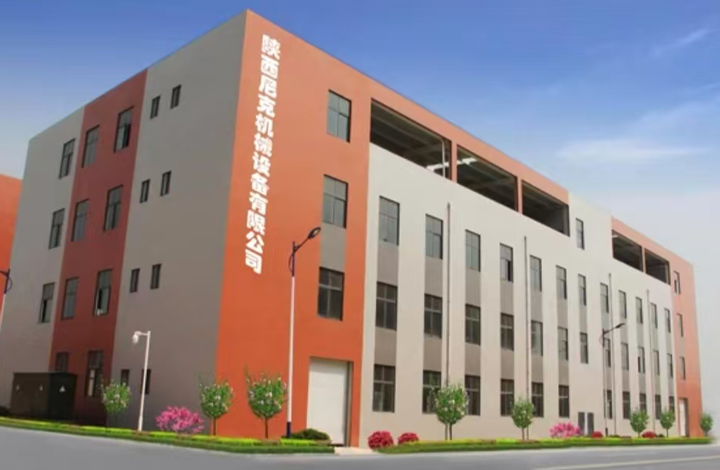
NICKBALER is a leading manufacturer and distributor of advanced hydraulic balers and environmental protection machinery. Established in 2006, the company specializes in designing, developing, producing, and selling packaging and baling equipment tailored to industries worldwide, with a strong focus on aluminum can recycling systems.
With over 80-90% of its products exported to more than 60 countries, including North America, Europe, Asia, and the Middle East, NICKBALER has become a trusted name in waste recycling and baling solutions. Our product line includes horizontal and vertical balers, hydraulic baling presses, PET bottle balers, metal compressors, shredders, and various auxiliary equipment, making us a one-stop solution for industries like agriculture, recycling, manufacturing, packaging, and waste management. Our machinery is inspired by German, European, and American technology, ensuring high quality and innovation in every product.
Years Industry Experience
Exported Countries
Skilled Employees
Technical Experts

NICKBALER prides itself on a strict quality management system and a dedicated team of over 50 skilled employees, including 10 technical experts. We provide integrated services that span pre-sales consultation, customized design, production, and exceptional after-sales support. With established after-sales service centers in India, Dubai, Australia, and the United States, we ensure our global clients receive fast and reliable support wherever they are.

The company is committed to "maximizing customer benefits" through efficient, safe, and cost-effective solutions for handling waste paper, plastic, metal, textiles, agricultural waste, and more. Our advanced technology, coupled with rich R&D experience, allows us to provide customized solutions for diverse industries such as food, pharmaceuticals, packaging, chemicals, electronics, and waste treatment.
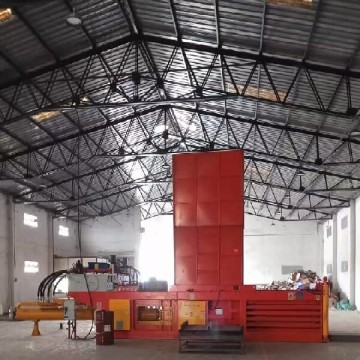
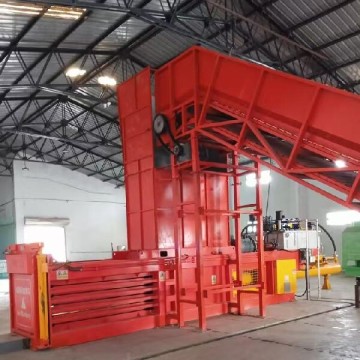
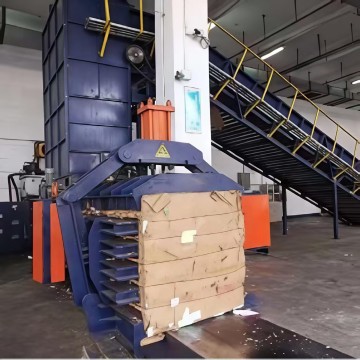
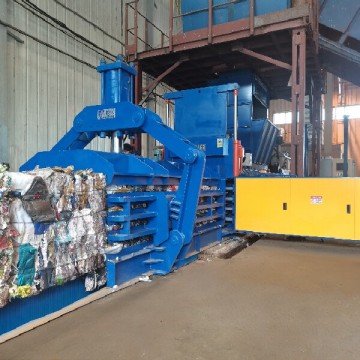
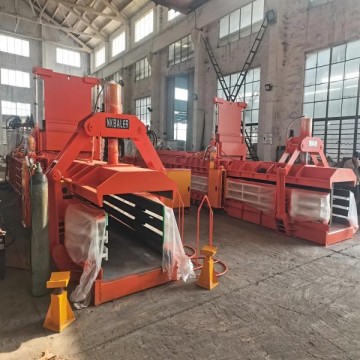
Take a glimpse into our state-of-the-art manufacturing facilities where innovation meets robust engineering.
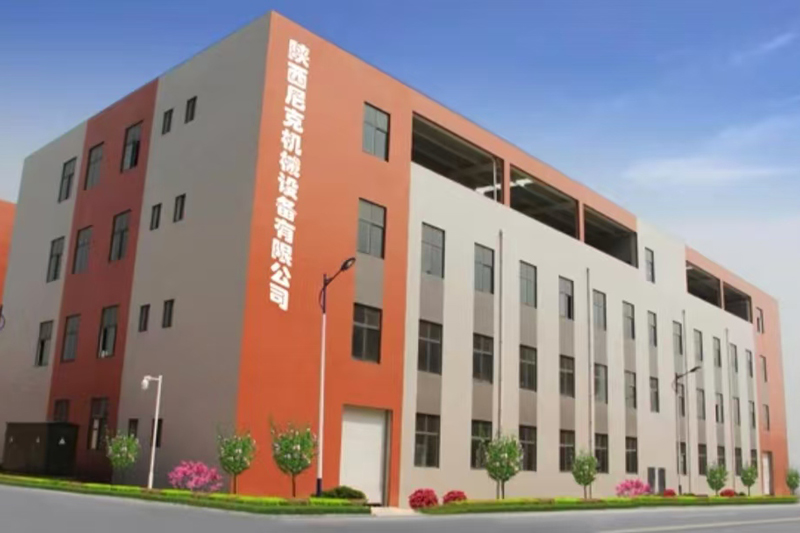
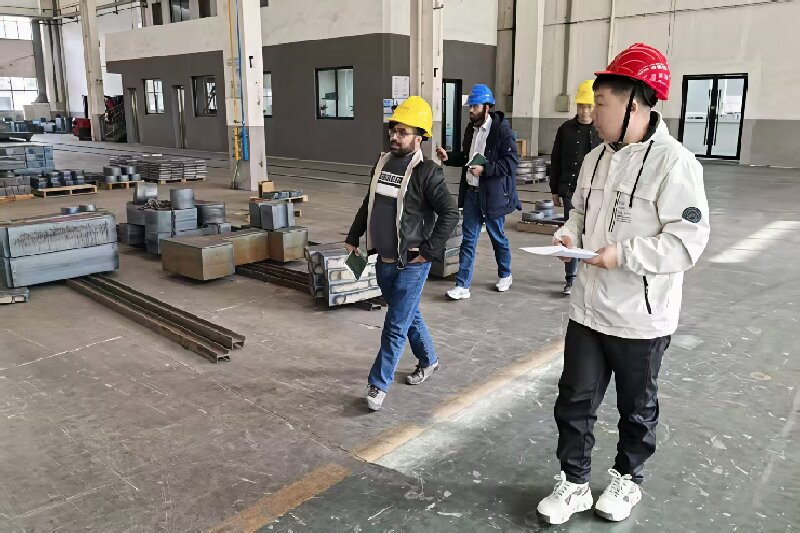
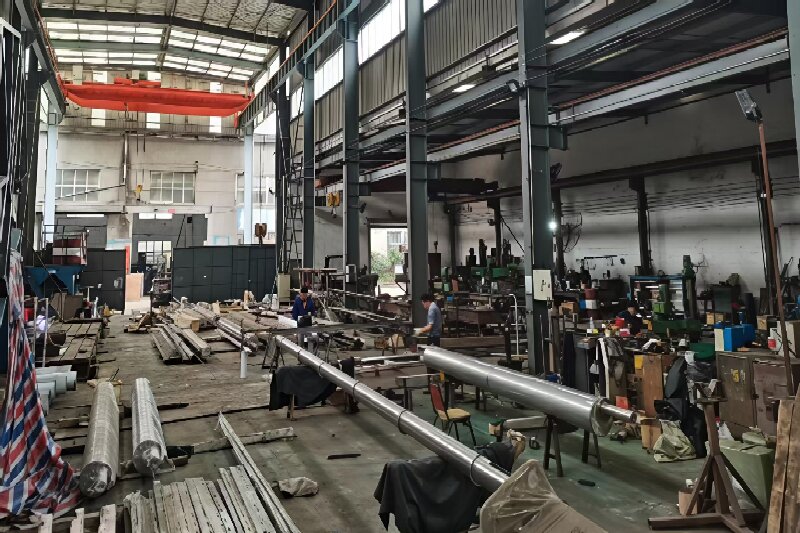
At NICKBALER, we believe in creating sustainable, environmentally friendly solutions that drive innovation and efficiency for businesses worldwide. Let us help you streamline your waste management and recycling operations with our high-quality baling machines and systems.
Browse our full range of automatic and semi-automatic balers designed to maximize your aluminum recycling efficiency.